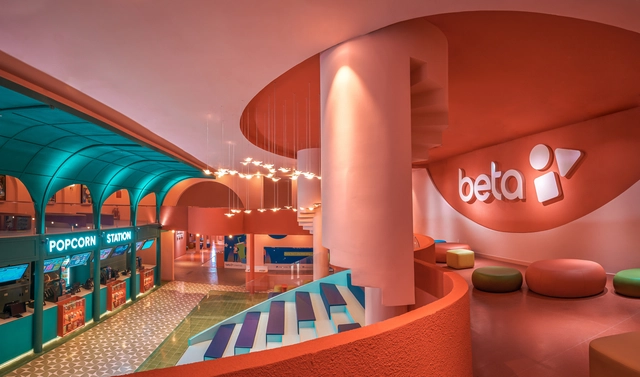
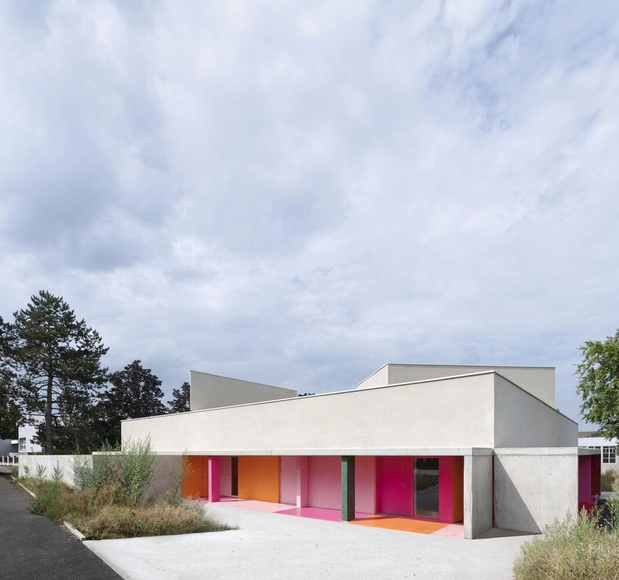
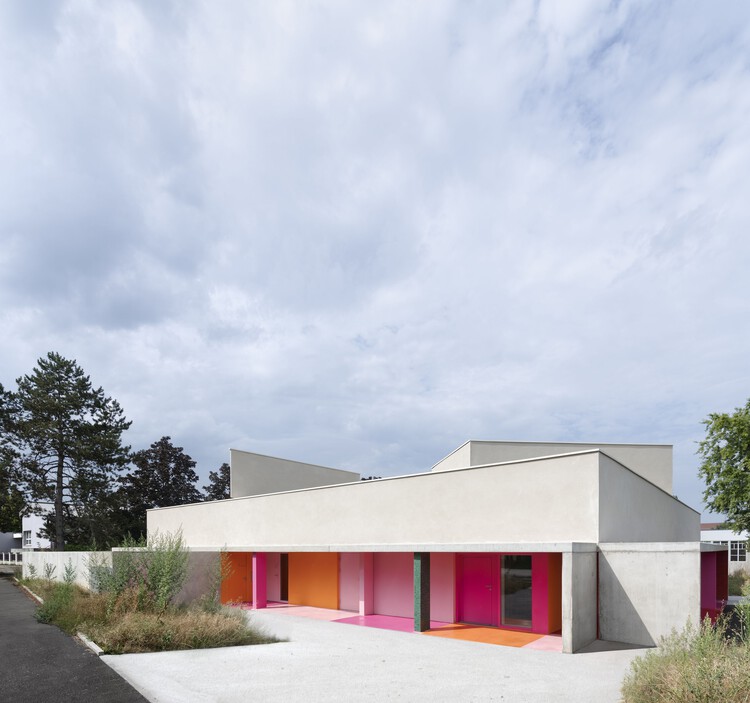
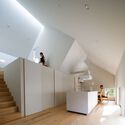
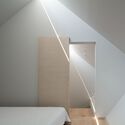
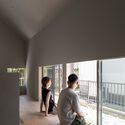
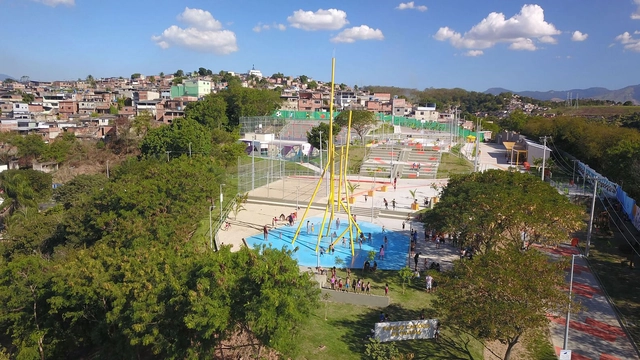
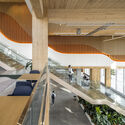
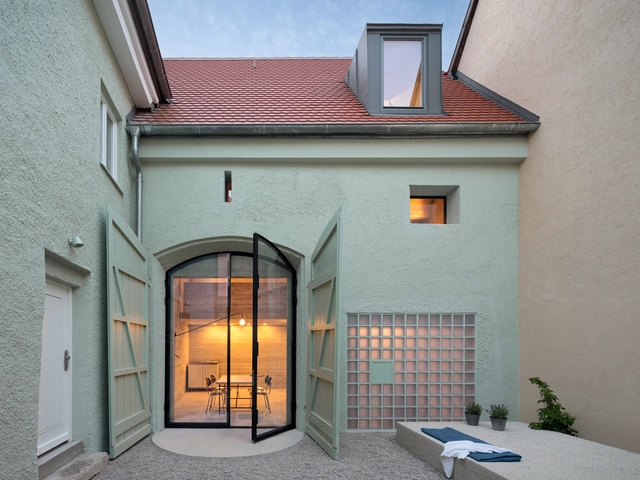
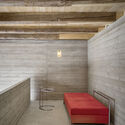
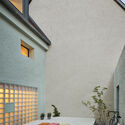
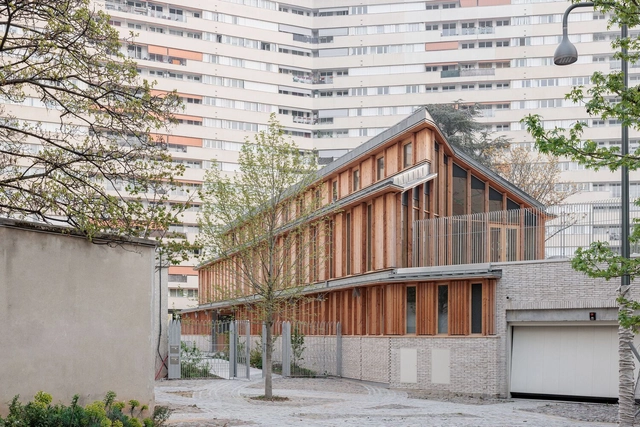
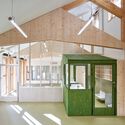
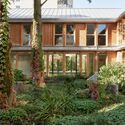
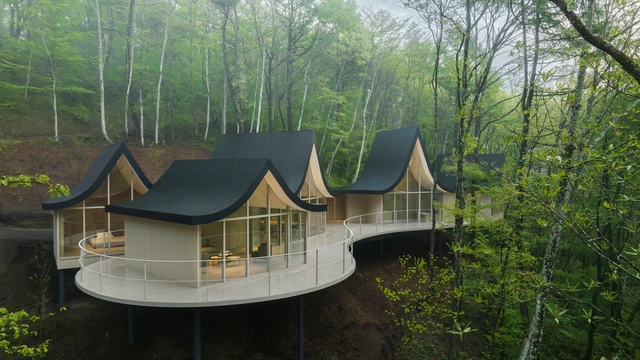
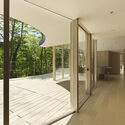
Between silence and chaos, we shape our world. Every space we inhabit tells a story, evokes emotions, and influences our thoughts. Minimalism, with its lightness and purpose, invites serenity. Maximalism, exuberant and vibrant, celebrates personality in every detail. But how do these philosophies affect our minds? Understanding their psychological impact can be key to creating environments that enhance well-being and bring harmony to life.
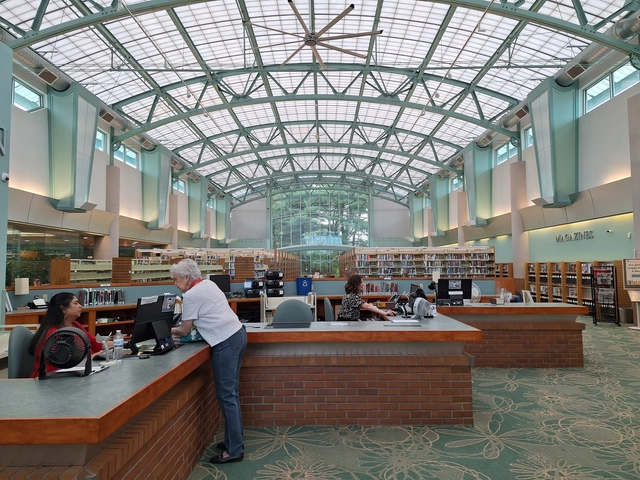
In the construction sector, the pursuit of immediate cost savings during the design or building phase—whether through hiring less qualified professionals, using low-quality materials, or modifying construction systems without technical backing—can lead to financial losses and future rework, compromising a building's performance and durability. The Franklin Township Library in Somerset, New Jersey, is a clear example of the consequences of inadequate material choices, particularly regarding energy efficiency and carbon footprint.
During its construction in 2005, the originally specified Kalwall translucent fiberglass-reinforced polymer (FRP) panels were replaced with polycarbonate panels on the roof to achieve an initial savings of $90,000. This seemingly harmless decision quickly proved problematic, resulting in significant operational challenges.
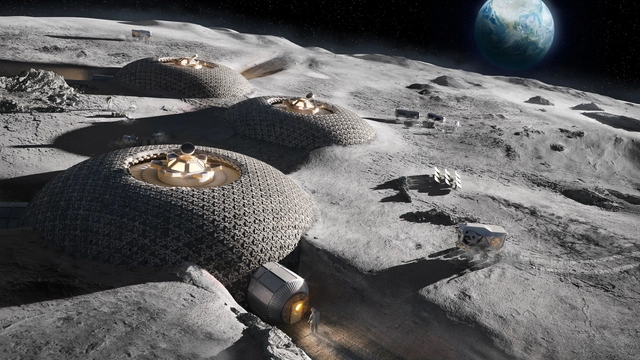
NASA Lunar Outfitting Render. Image Courtesy of Foster + Partners
For three weeks, from March 28 to April 20, 2025, the John F. Kennedy Center for the Performing Arts in Washington, D.C. will host the art festival "EARTH to SPACE: Arts Breaking the Sky." Curated by Alicia Adams, Vice President of International Programming, and Gilda Almeida, Director of International Programming, the festival includes a full agenda of performances, film screenings, talks, panels, and exhibitions. As part of the festival, Foster + Partners has designed an exhibition titled "From Earth to Space and Back," inviting visitors to imagine a future where humans have experienced life on Mars, where exploring new worlds is within reach, and where technological advancements in space revolutionize life on Earth. The festival is based on the idea that imagining life in space can inspire solutions for living on Earth, a perspective reflected in the projects presented by Foster + Partners.
Gallaudet University was established in 1864, becoming the first American educational institution for the deaf and hard of hearing. The university is officially bilingual, with American Sign Language (ASL) and written English used throughout the educational programs. Over the years, the university has grown, adapting both its teaching methods and its spaces to the needs of its students, in turn learning from them how to counter the challenges they face and create a safer and more comfortable environment. These lessons turned into design guidelines, created to educate the architectural community about the strategies they can employ to create more accessible spaces for all.
Call for Participants. UIA World Congress of Architects 2026 Barcelona
The UIA World Congress of Architects 2026 Barcelona (UIA2026BCN) announces the Call for Participants, an international and open invitation for professionals from around the world to take part in the largest global architecture event.
Following two exciting weeks of nominations, ArchDaily's readers have evaluated over 500 projects and selected 15 finalists for the Building of the Year Award China. Architects and enthusiasts participated in the nomination process, choosing projects that exemplify what it means to push architecture forward. These finalists are the buildings that have inspired ArchDaily readers the most, which also reveal the growing trend of Chinese architecture.
Among the 15 finalists of the 2025 China Building of the Year Award, we can see a gradual shift in focus from large-scale public buildings to rural revitalization, community public spaces, exploration of new typology of school and small-scale interior spaces. People are paying more attention to their personal needs and living experiences as well as the surrounding spaces. We can also observe how different firms are responding to the needs of cities and users during the period of transformation in the real estate.
Before we get to shortlisted nominees, we want to highlight the values of this awards process — as the world's largest platform for architecture we are acutely aware of our responsibility to the profession, and to the advancement of architecture as a discipline. Since our mission is directly related to the architecture of the future—inspiring and educating the people who will design the urban fabric of the future—the trust placed in us by our readers to reflect architectural trends from regions around the whole world creates challenges that we are eager to rise to. The democratically-voted, user-centered Building of the YearAwards is one of the key pillars of our response to these challenges, aiming to tear down established hierarchies and geographical barriers. Here are the 15 finalists of the 2025 China Building of the Year Award, and the voting period will run from April 2nd to April 9th, 11:59 PM (Beijing Time), 2025. The final winners will be announced onApril 10th, 2025. Click here to see the details and how to vote.
Videos
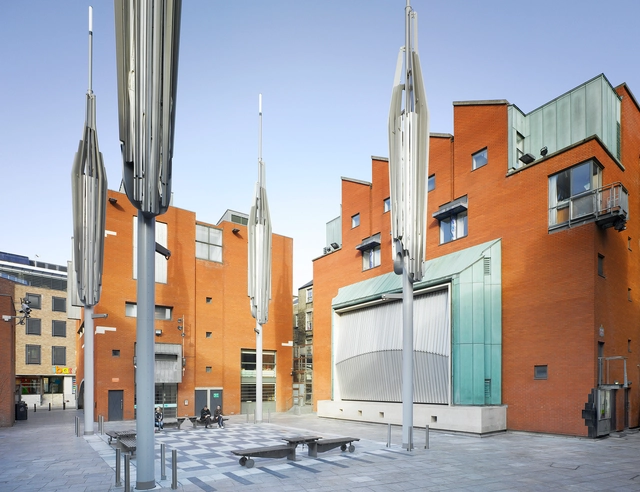
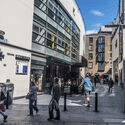
Meeting House Square, Temple Bar. Image Courtesy of Sean Harrington Architects
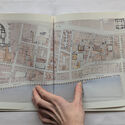
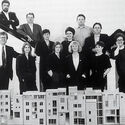
The veteran Irish architecture critic Shane O'Toole once remarked that when traveling in Europe in the 1970s, "The universal comment was is there modern architecture in Ireland? Now, in less than 50 years, we've gone to a Pritzker Prize and two RIBA Royal Gold Medallists in five years." He attributes this change in perception to a design competition that launched the careers of several of Ireland's award-winning architects of today. This was the Temple Bar Framework Plan competition of 1991 in the center of Dublin, the capital of Ireland, which was won by a group of architects still in their 30s, running under the name of Group 91.