
-
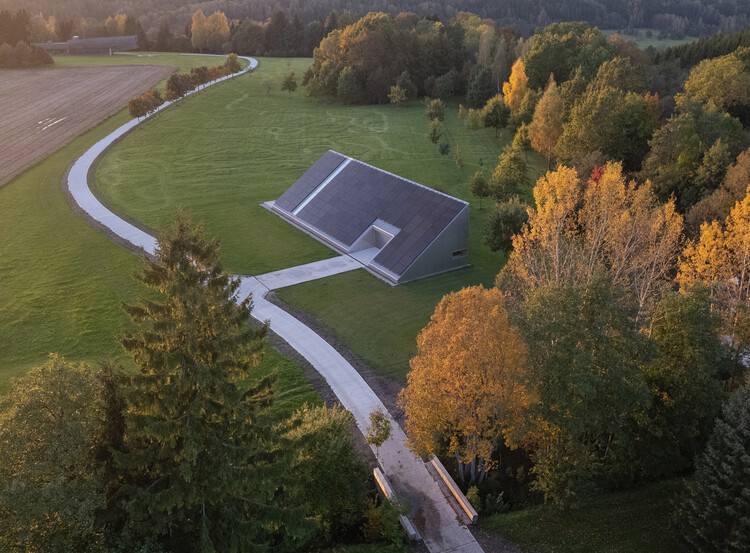
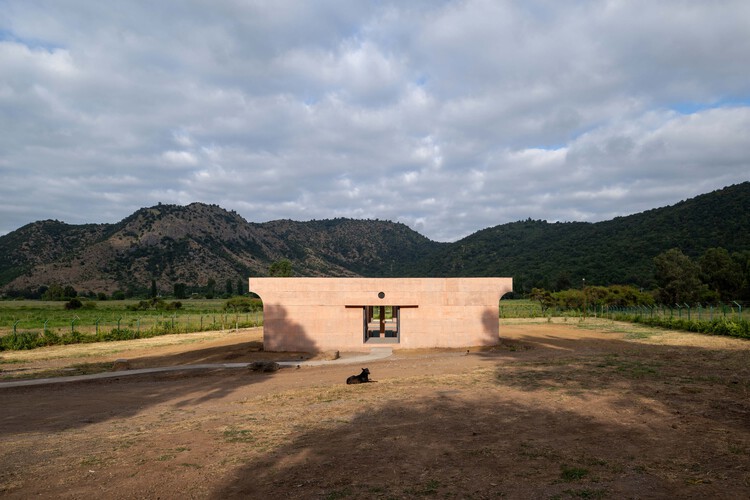
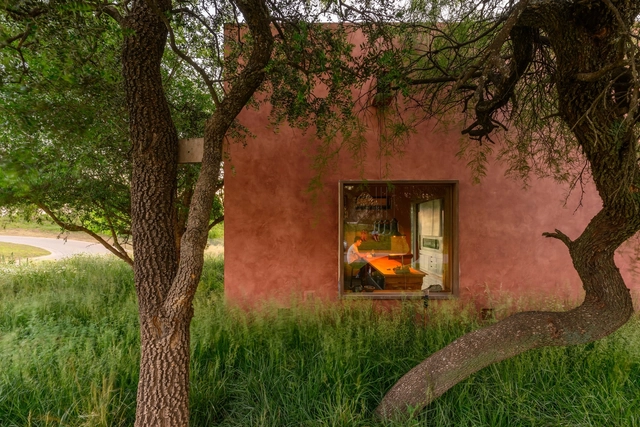
Architects: Pezo von Ellrichshausen
- Area: 300 m²
- Year: 2025


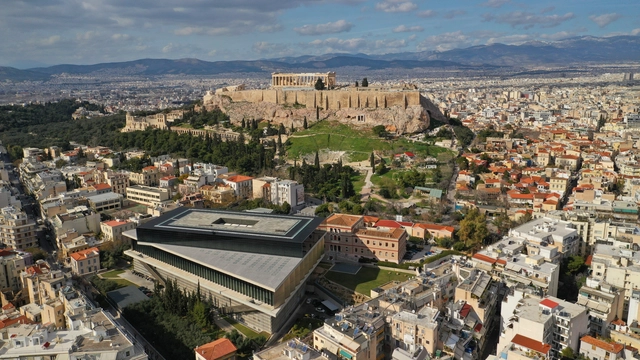
Athens stands as a city where the legacy of Antiquity is woven into its modern and vibrant urban landscape. World-renowned landmarks of Ancient Greece like the Acropolis and the Parthenon stand as enduring symbols of classical architecture and the city's storied past. These structures reflect the foundational principles of symmetry and balance that have influenced generations of architects and continue to attract scholars from around the world. Yet, Athens is also a thriving metropolis where contemporary architecture coexists with its historical counterparts. Recent developments, led by international firms and local architects, focus on sustainability and innovation while respecting Athens' rich cultural heritage. This duality—preserving the old while embracing the new—reflects Greece's broader urban aspirations, making Athens a focal point in global architectural discourse. The city's architectural evolution also extends to its contemporary architecture and interior design scene, which is gaining international recognition.
To celebrate this architectural evolution, this city guide features Athens's historical landmarks alongside ArchDaily's selection of projects focusing on contemporary architecture, and Designboom's curation of innovative interior designs. Together, they highlight Athens' role as a hub of design innovation.


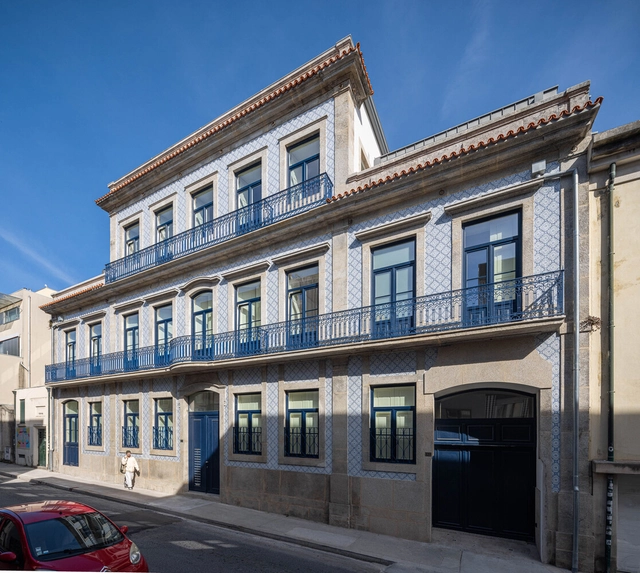

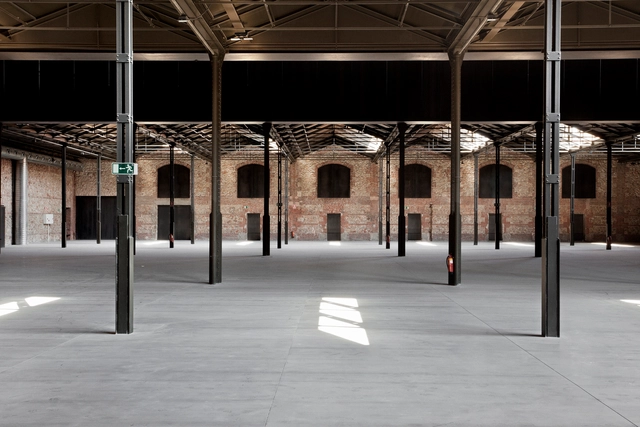
In cities across the world, the relics of industrial production have become the laboratories of a new urban condition. Warehouses, power plants, and shipyards, once symbols of labor and progress, now stand as vast empty shells, waiting to be reimagined. Rather than erasing these structures, architects are finding creative ways to adapt them to contemporary needs, transforming spaces of manufacture into spaces of culture, education, and community life.
This shift reflects a broader change in architectural priorities: building less and reusing more. The practice of adaptive reuse responds simultaneously to environmental urgency and to the need for cultural continuity in urban environments.