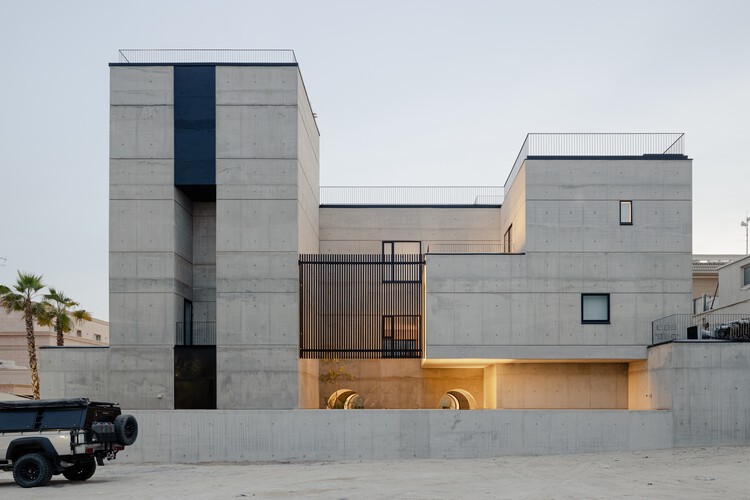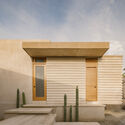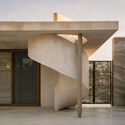
-
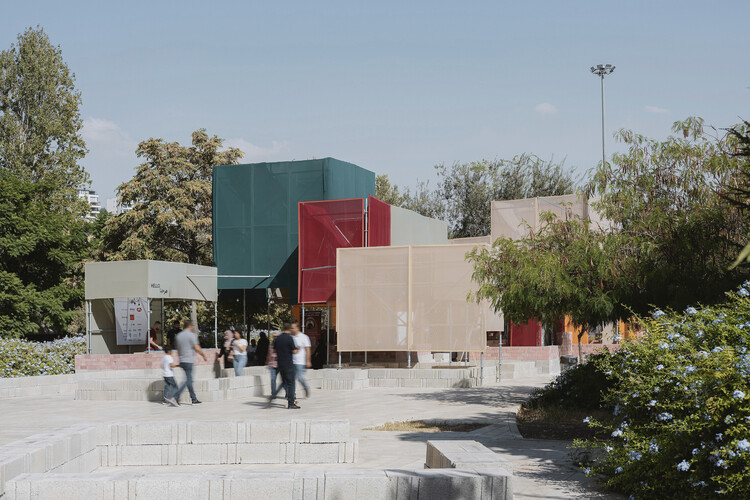
Architects: Laith Matarweh Studio for Architecture
- Area: 850 m²
- Year: 2026

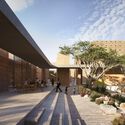
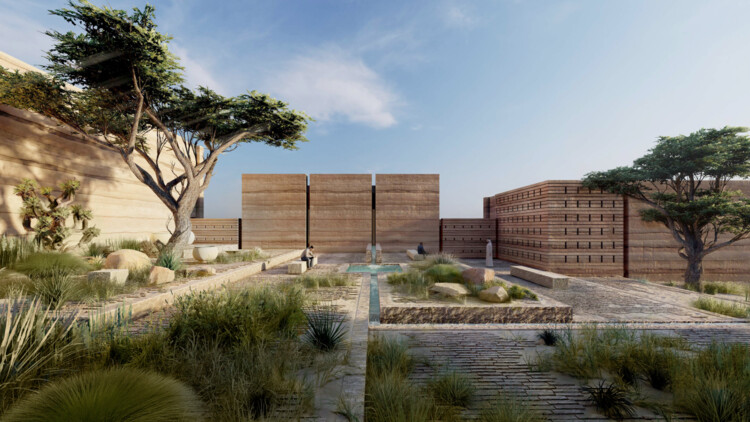
Sharjah Design Centre (SDC), a new institution dedicated to design, material research, prototyping, and production, is scheduled to open in 2029 as part of the Sharjah Creative Quarter in the United Arab Emirates. Designed by Taller de Arquitectura – Mauricio Rocha in collaboration with architect Daniel Rosselló, the centre will bring together specialist laboratories, research facilities, production spaces, and public programmes within a purpose-built building. Under the leadership of H.E. Sheikha Hind bint Majid Al Qasimi, SDC aims to connect designers, manufacturers, researchers, and entrepreneurs through an integrated framework for material experimentation, fabrication, and knowledge exchange.
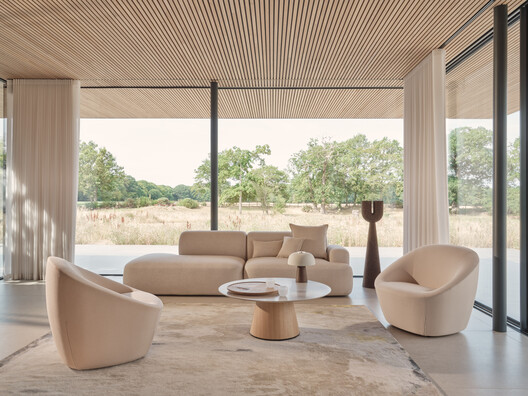
Furniture waste is not always the result of physical damage that renders a product unusable. Chairs, sofas, and tables are often discarded because they no longer fit an interior concept, are perceived as outdated, or are replaced during a renovation. In many cases, their structures remain functional, even when upholstery is worn, or the surrounding space has changed. The result is a cycle of replacement in which usable products become waste, while new resources are extracted and processed to manufacture their successors.


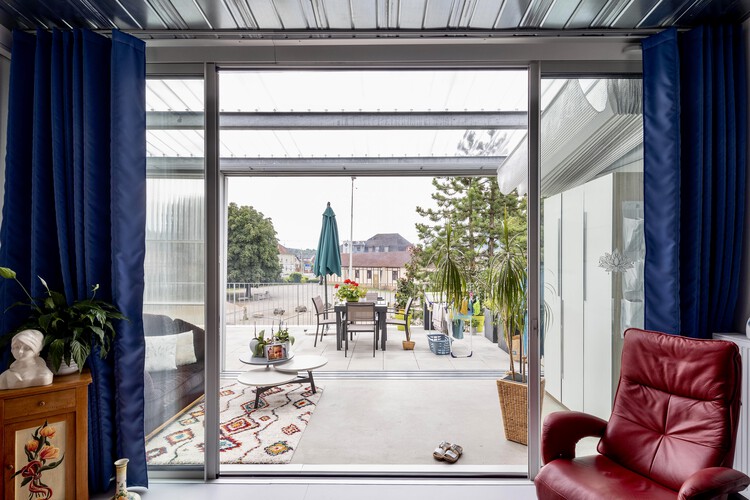
Pritzker Prize laureates Anne Lacaton and Jean-Philippe Vassal have been announced as the recipients of the 2027 Le Prix Charlotte Perriand. Organized annually by the Créateurs Design Awards (CDA), the prize recognizes practitioners whose contributions have advanced architecture and design through a peer-led voting process. For its eighth edition, the organization highlighted the work of the French architectural studio as a demonstration of "how the adaptation of existing structures can improve living conditions while preserving resources and architectural heritage." Previous recipients of the prize include Xu Tiantian; Kazuyo Sejima and Ryue Nishizawa; Frida Escobedo; and Jeanne Gang.

Wide doorways, properly designed ramps, and elevators are essential to a building's accessibility. But whether people can actually use its spaces also depends on the sensory conditions they offer. For some neurodivergent people, this is critical, as bright lights, overlapping sounds, or confusing circulation routes can prevent them from staying in a space and participating in activities.
Jack Chaffin, a partner at Johnston Architects, draws attention to these barriers in an interview with ArchDaily: "A building may therefore comply with accessibility codes and still be functionally inaccessible to someone who becomes overwhelmed, disoriented, or exhausted by it."




The second edition of the ArchDaily Student Project Awards is now open for submissions, and this year we are proud to present it in partnership with Dropcity, a center for architecture and design in Milan. Together, we are asking students around the world one question: What can architecture enable in the city?
At ArchDaily, we believe the future of architecture takes shape today in classrooms, studios, and workshops around the world. Guided by our mission to empower architects and designers with tools, knowledge, and inspiration, the Student Project Awards recognize students who expand the definition of architecture, work across disciplines, and engage with the urgent challenges of our time.

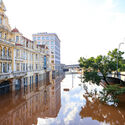
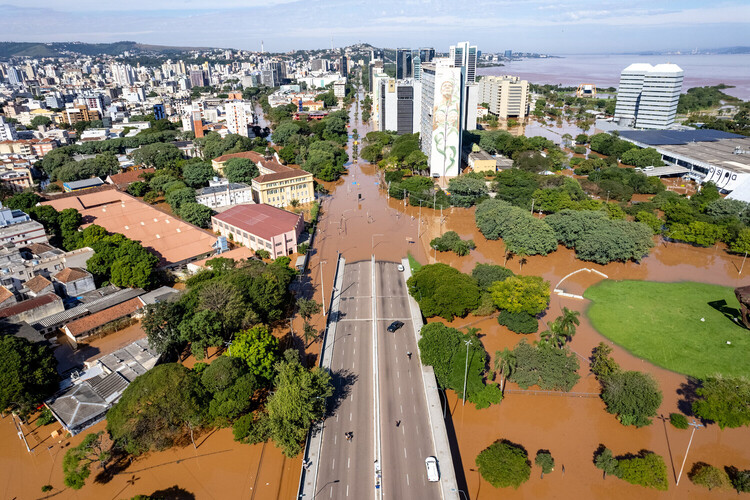
In May 2024, the floods that hit Rio Grande do Sul exposed a contradiction common to contemporary cities. Many were built alongside rivers and shaped by their presence, yet spent decades trying to control water without incorporating its dynamics into urban planning. Extreme weather events will intensify that vulnerability. More than two years later, reconstruction in the Brazilian state has progressed, infrastructure has been restored, and new protection strategies are taking shape. But are these cities rebuilding their relationship with water, or only restoring the systems that failed?
The occupation of flood-prone areas, soil sealing, ecosystem degradation, and reliance on aging drainage systems have increased municipalities' vulnerability. The disaster was not merely hydrological; it also resulted from decades of urban planning decisions that urgently need reconsideration.
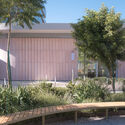
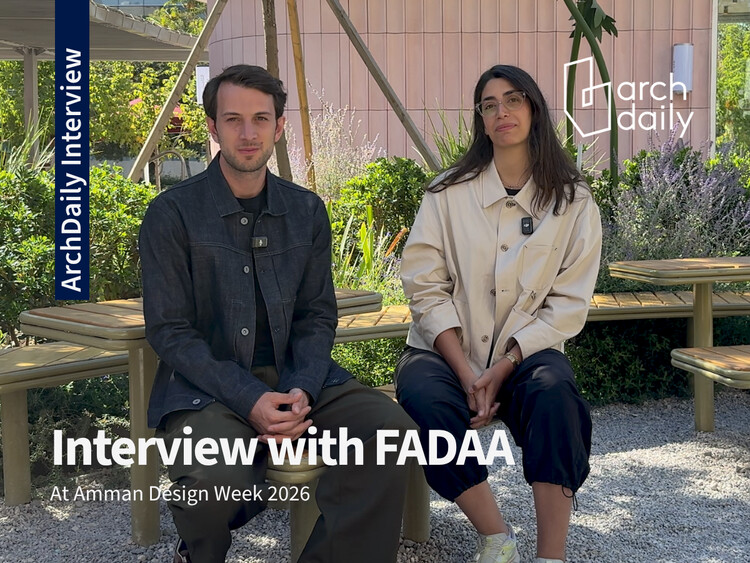
Following a seven-year pause, Amman Design Week returned in 2026 under the theme "Accumulations," bringing together designers, makers, and cultural practitioners to reflect on the work shaping Jordan's design landscape. The fourth edition, held from October 2 to 17, 2026, marked a new chapter for the event, with architects Sarah Hejazin and Bisher Tabbaa, founders of the architecture and design practice FADAA, serving as co-directors. Their appointment also brought their research-driven approach to the event's broader program, which explored the relationships between daily practices, cultural memories, and material environments. During the event, we had the opportunity to speak with Sarah Hejazin and Bisher Tabbaa about the thinking behind this year's theme, their approach to material investigations, and how practicing in Jordan informs their work across architecture, objects, and public space.