A recent survey made by our development team revealed that one out of four architects and designers identifies working conditions as their biggest frustration at the workplace. If architecture has been pushed to open and become more proactive, propositive, and inclusive, then finding your dream job should not be that hard either.
While online stores have existed since the democratization of the internet in the late 20th century, the pandemic has marked a turning point in the evolution of e-commerce. In response to mobility restrictions and lockdowns, businesses of all scales were forced to embrace digital transformation, saving time and, in some cases, reducing costs. Furthermore, as more consumers discover the convenience of home delivery, online shopping is likely to continue growing even in the post-pandemic era.
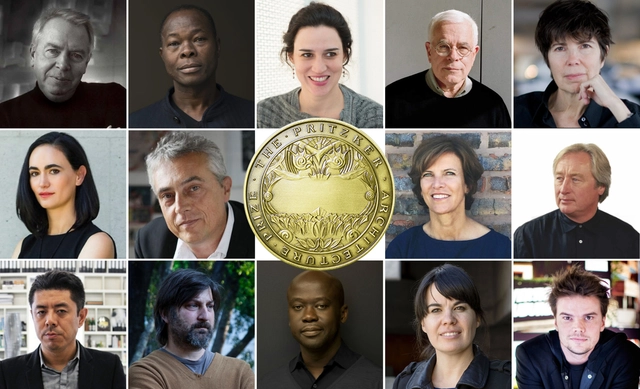
As part of our yearly tradition, we have asked our readers who should win the 2022 Pritzker Prize, the most important award in the field of architecture.
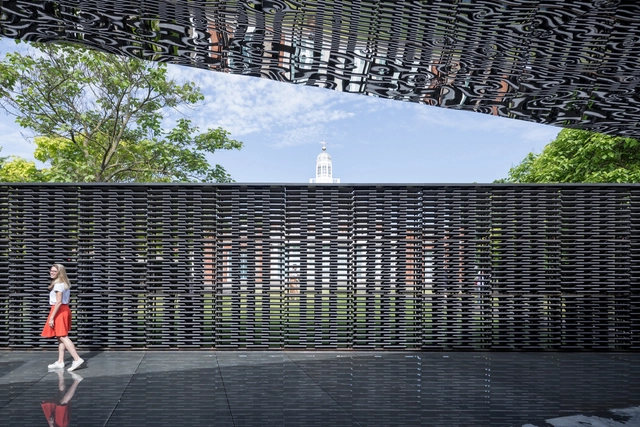
The Metropolitan Museum of Art in New York has selected Mexican architect Frida Escobedo to design the new $500 million modern and contemporary art wing. The Met does not have, until now, a thematic area that would house pieces corresponding to this temporality in art.
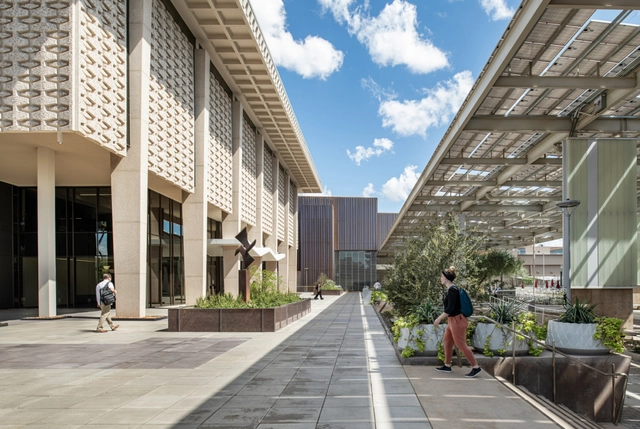
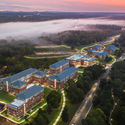
Hayden Library. Image Courtesy of Ayers Saint Gross
Architecture and planning centers on human experience and bringing people together. Few firms have structured their office around these ideas like Ayers Saint Gross. Founded in 1912, the firm has over a century of experience, including a majority of their work in support of colleges, universities, and cultural facilities. Today, the 185-person firm has offices around the country, including in Baltimore, Washington, D.C., and Tempe, AZ.
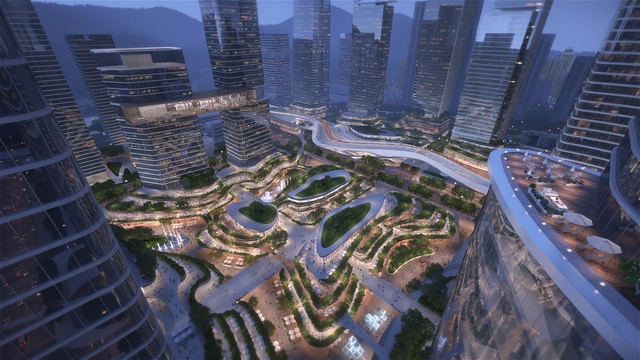
Aedas has won an international competition to design Shenzhen's new Qingshuihe Comprehensive Transportation Hub in a joint venture with China Railway Siyuan Survey and Design Group Co., LTD and Shenzhen Urban Transport Planning Center Co., LTD. The master plan draws inspiration from the natural environment of the area, integrating nature and water elements into the high-density city to build a unique new emblem for Qingshuihe. The underground compact hub releases large above-ground spaces which will feature urban terraces, offices, five-star hotels, first-rate apartments, science and technology exhibition halls, and other facilities.
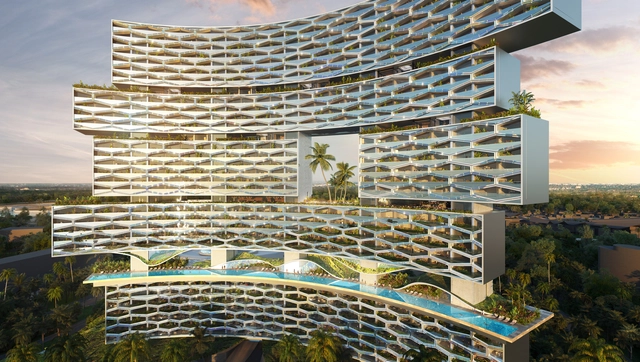
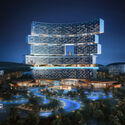
Büro Ole Scheeren has revealed the design for a tropical resort complex in Sanya, one of China’s most popular holiday destinations. The project establishes a strong connection with its natural environment, amplifying the presence of lush greenery. The stacked volumes create a curved façade embracing the ocean and amplifying the panorama, while the offsets and openings create the opportunity for natural plantings throughout the building, bringing to life a version of the hanging gardens.
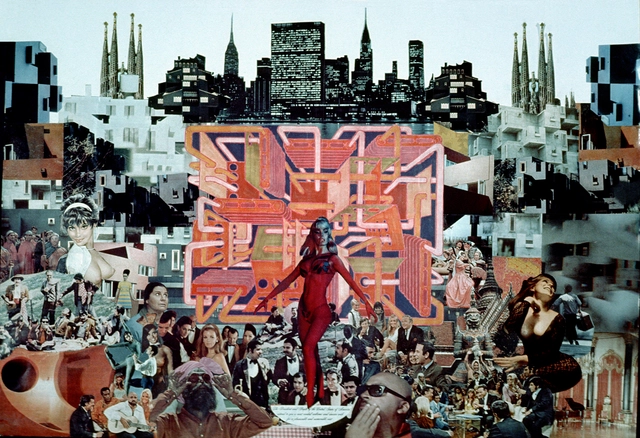
La ciudad en el espacio. Image Cortesía de Ricardo Bofill Taller de Arquitectura
It was 1968 when Ricardo Bofill Architecture Workshop's published a kind of manifesto in reaction to the pressing demands of a society in constant transformation. The idea of the City in Space saw the light of day for the first time and was proclaimed as an absolute architecture, capable of resolving all the complexities of its contemporaneity through a unique open, flexible and three-dimensional model.
Statement interiors leave a lasting impression on both frequent and infrequent users, whether with striking pieces of furniture, oversized lighting, or even a bold feature wall. The very best creations, however, don’t need to beg for attention to be recounted afterward, they let praise come to them with a peacocking presence so extravagant, it’s impossible not to take notice.
In the architectural conversations taking place today, sustainability is a key topic of interest. Architecture firms embrace the term as a key part of their design ethos, and architecture schools globally have integrated designing “green” architecture as a core component of their curriculums. This sustainability conversation has also filtered down into more individual actions one can take within their immediate context. Online, for instance, guides abound on how you can make your home more eco-friendly and energy-efficient.
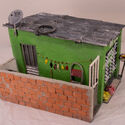
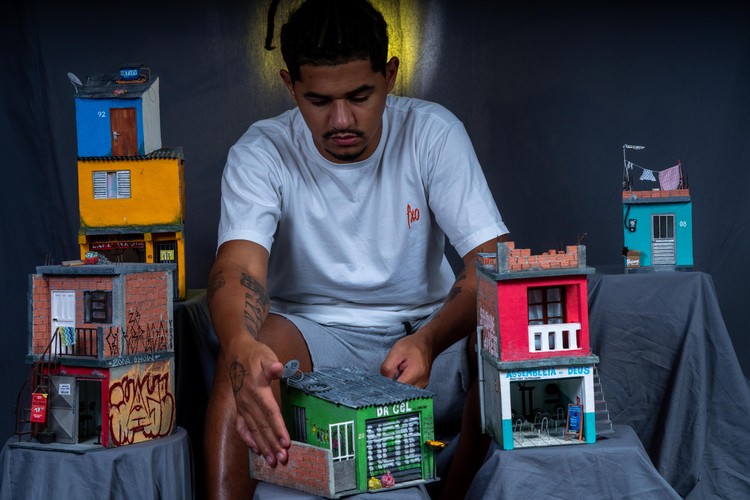
Marcelino Melo, also known as Nenê, is a multimedia artist who works with audiovisual productions and has recently gained recognition for his work with miniature house sculptures that depict life in the peripheries. Born in Alagoas, Nenê arrived in São Paulo in his early teens and discovered Hip Hop, a moment he considers fundamental to the development of his work. The sculpture project, known as Quebradinha, is featured in the Carolina Maria de Jesus exhibition at the Instituto Moreira Salles in São Paulo, while also amassing over 190,000 followers on Instagram, with videos and posts exceeding millions of views.
A recent study revealed that, since 2014, marine heatwaves have become “the new normal.” The climate crisis is no longer a concern for the distant future. Extreme events are increasingly common; one only has to follow the news. While it may seem that public officials are being caught off guard, scientists have long warned of the need to focus on sustainable development.
Good examples are still few and far between, but they do exist. At COP26, a comprehensive guide featuring proven strategies to achieve urban cooling was launched.
In the second half of the twentieth century, driven by the mass adoption of the automobile and exponential population growth, cities around the world expanded at an accelerated pace. Santiago, Chile, was no exception, characterized by an extensive and fragmented urban sprawl that has led to a heavy reliance on cars, environmental degradation, and the loss of agricultural land. Without planning and policies aimed at sustainable urban development, the result is a more polluted and less green city—an alarming scenario considering the climate crisis we face.
The tech industry in Japan has continued to serve as a pivotal driving force in Japan, with the whole country being well known for its technological innovations in various industries. As of late, most industries and companies have begun to shift their focus to the topic of sustainable development, with the inclusion of using these very technologies to work towards zero energy goals.
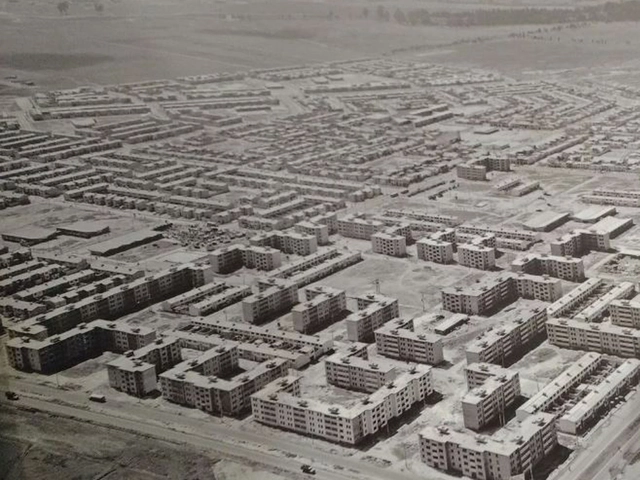
Panoramic view of the Kennedy neighborhood in 1964. It was renamed that year, having previously been called Ciudad Techo. ArchDaily. Image Courtesy of Felipe Cardona
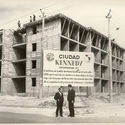
Across a 350-hectare site, 24 superblocks organize the ten thousand housing units of the Ciudad Kennedy complex in Bogotá. Built between 1961 and 1963, its construction embodies an urban vision embedded in a social, political, and ideological framework that specifically involved Colombia, yet was shared to some extent across Latin America during the Cold War.
No País dos Arquitectos is a podcast created by Sara Nunes, who also runs the architectural film production company Building Pictures. The project aims to introduce the professionals, projects, and stories behind leading contemporary Portuguese architecture. With just over 10 million inhabitants, Portugal is a highly intriguing country in this professional field, with an architectural output that punches far above its weight in relation to its population or territorial scale.
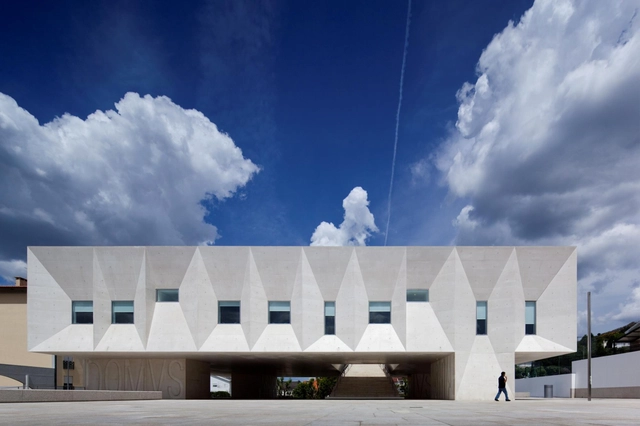
In this episode, Sara talks with architect Pedro Guimarães, from the office Barbosa & Guimarães Arquitectos, about the design of the Gouveia Courthouse (Palácio da Justiça de Gouveia). Listen to the full interview and read an excerpt of the transcript below:
This year we celebrate the fourteenth edition of the Obra del Año 2022 award—the highest recognition in the Spanish-speaking architectural world, where the winners are chosen by popular vote. Starting today, Tuesday, March 8, our readers will be responsible for determining which projects inspired us during 2021, faithfully representing the identity of our local contexts while shaping the way architecture is practiced around the world.
With nearly a thousand projects published in 2021, you can easily find your favorites by browsing through each category and using the search engine to filter projects by country and architecture firm.
The 2022 Obra del Año Award is brought to you by Dornbracht, renowned for its design leadership in architecture, which can be found internationally in bathrooms and kitchens.
Artificial intelligence systems endeavor to replicate or mimic human intelligence by combining datasets with iterative processing algorithms to learn from patterns and experience. From Siri, Alexa and other smart assistants to conversational bots and email spam filters, what once seemed like a technology pulled from science fiction has become ubiquitous in our daily lives.
In its most widely accepted definition, sustainable development is understood as meeting the needs of the present generation without compromising the ability of future generations to meet their own. While often associated with environmental and natural resource issues, sustainable development goes further, encompassing social and economic aspects such as justice, inclusion, and poverty eradication.
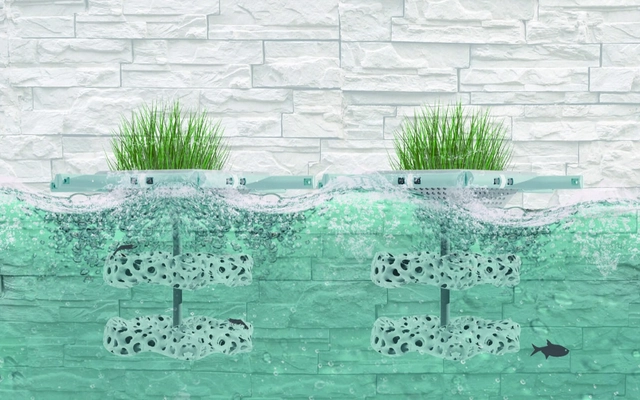
Students at Tunghai University in Taiwan have designed a type of artificial coral reef. The proposed structure is made of 3D-printed eco-friendly ceramic to help revitalize urban rivers.
While natural corals are irreplaceable and essential to ocean health, this 3D-printed structure has a specific mission: to provide shelter for aquatic organisms. This alone can help sustain various species.
ImageJewel Changi Airport by Safdie Architects. Image Courtesy of Jewel Changi Airport
Safdie Architects is a research-oriented architecture and urban design studio active in a wide variety of project types, scales, and sectors. Safdie Architects’ global practice is directed from its headquarters in Boston, Massachusetts, with satellite offices in Jerusalem, Shanghai, and Singapore. Projects are designed, managed, and executed by a global team that hovers around 65 people! The practice is organized as a partnership and operates in the model of an intimate design studio environment. The firm's partners – many of whom joined Safdie shortly after graduation – have been working together for decades.
Videos
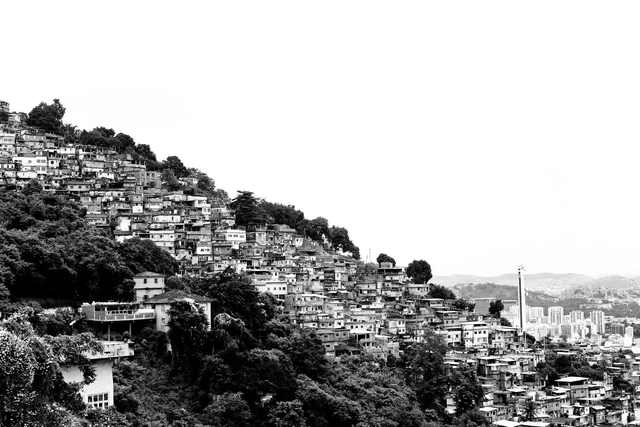
Niterói, RJ. Photo by Nayani Teixeira on Unsplash
The postgraduate course Cidades em Disputa – pesquisa, história e processos sociais, at Escola da Cidade, hosted Tainá de Paula, who delivered the open lecture “Body and Territorialities: The Necessary Debate on the Non-City.” Raised in one of the favelas of Praça Seca, in the West Zone of Rio de Janeiro, the architect and urban planner defines herself as a Black woman, mother, and activist for urban struggles, particularly in the peripheries and favelas. During her talk, Tainá—who has also served as a city councilor since 2020—discussed subalternized territories and the “non-city,” which excludes and segregates, while stressing the urgent need to build an agenda to break away from these conditions through racial, class, and gender emancipation.
https://www.archdaily.com/1132097/taina-de-paula-talks-about-the-body-territorialities-and-the-non-cityEscola da Cidade
Cortesía de Nómena y Cuatro Cero Cuatro Arquitectura
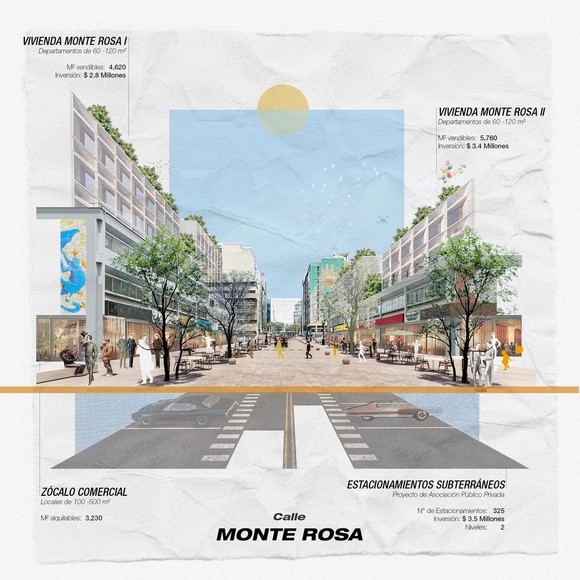
The power of visual representation in architecture fosters debate and reflection on various urban issues. "Imaginarios urbanos" (Urban Imaginaries) is a collective initiative by Nómena arquitectura and Cuatro Cero Cuatro Arquitectura. Through a series of evocative images, the project aims to raise awareness and drive change in the design of Lima's streets.
Advances in biotechnology and material science are opening new material opportunities, with the potential of fundamentally changing the connection between the built environment and the natural world. Building materials and construction account for 11% of greenhouse gas emissions. The AEC industry can contribute to curbing climate change in the following years, and the re-evaluation of commonplace building materials is one of the most critical steps. Bioengineered materials, which grow, produce energy, self-heal, are the next frontier in biology and material science and potentially a path towards a new kind of architecture. Although innovation in these fields is still far away from mainstream commercial use, it promises to dramatically change the image of the built environment.

.jpg?1647353416 "Semans-Griswold Environmental Hall. Image Courtesy of Ayers Saint Gross")

























.jpg?1646943619&format=webp&width=640&height=580)