According to the World Population Clock, the human population reached 8 billion on November 15th. According to the UN, this milestone represents a celebration of human longevity due to improvements in public health and medicine, but it also comes with warnings about inequality, limited access to food and resources, and environmental damage. Despite the impressive number, the annual World Population Prospect report shows that the global population is growing at the slowest rate since 1950, and it predicts a continued deceleration in the second half of this century.
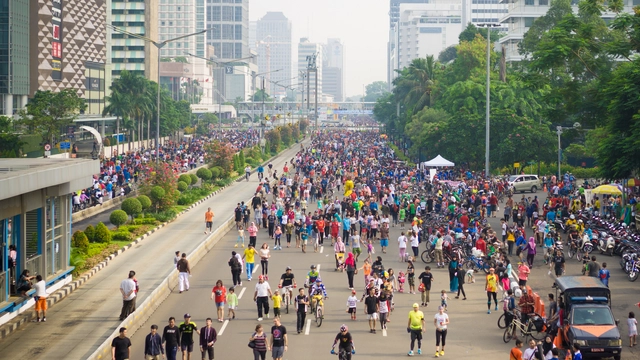
As more than half of the worldpopulation lives in cities, an estimated 55.7%, according to UN-Habitat’s latest reports, the urban challenges are growing exponentially. The UN expects this number to increase to 68% by 2050, with close to 90% of this increase taking place in Asia and Africa. Accelerated urbanization can pose significant risks, such as increasing inequality, poverty, sectorized development, social exclusion, and pollution. In this context, a well-balanced urban agenda becomes crucially important in achieving inclusive, safe, and sustainable cities.
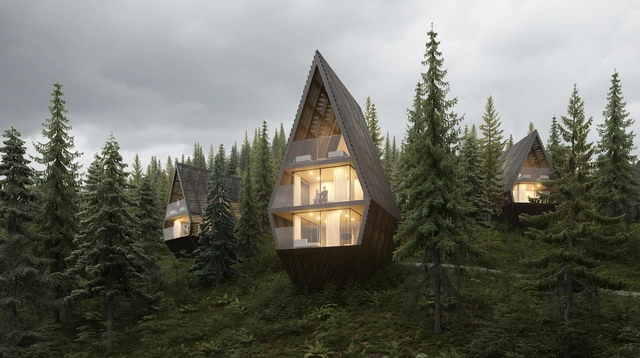
Milan-based architecture studio Peter Pichler has designed an eco-resort to develop a new concept of hospitality in the European Alpine region. Dubbed the YOUNA Nature Resorts, the complex follows the mountain’s silhouette to offer a maximized relaxation experience. The A-shape typology allows wide opens the front facade to connect with nature while reaching high-private interiors under the same roof. The resort is the last of the studio’s series of projects in the Italian rural area, including a hotel in Maranza and a prototype of a treehouse in the forest of the Dolomites.
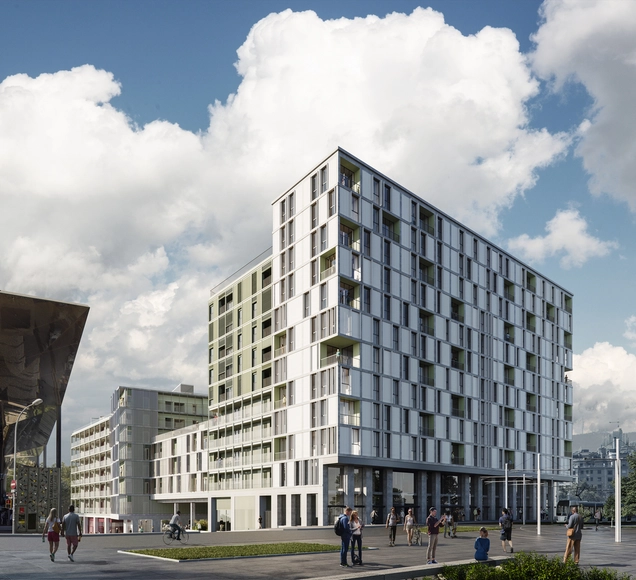
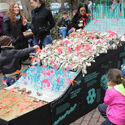
Illa Glories / CIERTO ESTUDIO. Image Cortesía de CIERTO ESTUDIO
CIERTO ESTUDIO was founded by six young architects in 2014. Since then, the team has not stopped growing and thus consolidating its professional practice in Barcelona. These six women architects are: Marta Benedicto, Ivet Gasol, Carlota de Gispert, Anna Llonch, Lucia Millet, and Clara Vidal.
The studio was born from plurality, therefore its thinking is inevitably diverse and this is reflected in its collaborative work methodology, always looking for the maximum architectural claim and its own character.
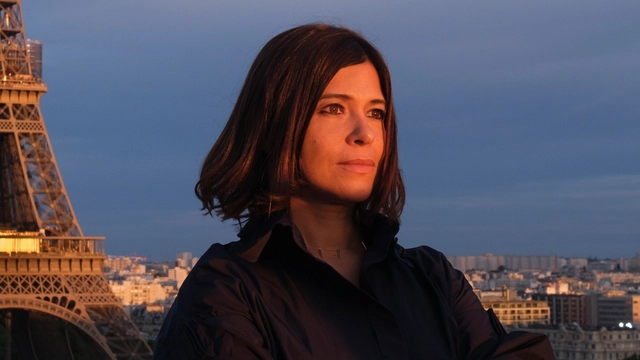
Rozana Montiel has been awarded the 2022 International Prize for Women Architects, organized by ARVHA (Association for Research on Cities and housing) with the support of the Ile de France Region, the French Higher Council of Architects Associations (CNOA), the Pavillon de l'Arsenal and the City of Paris.
https://www.archdaily.com/992247/rozana-montiel-wins-arvha-international-prize-for-women-architects-2022ArchDaily Team
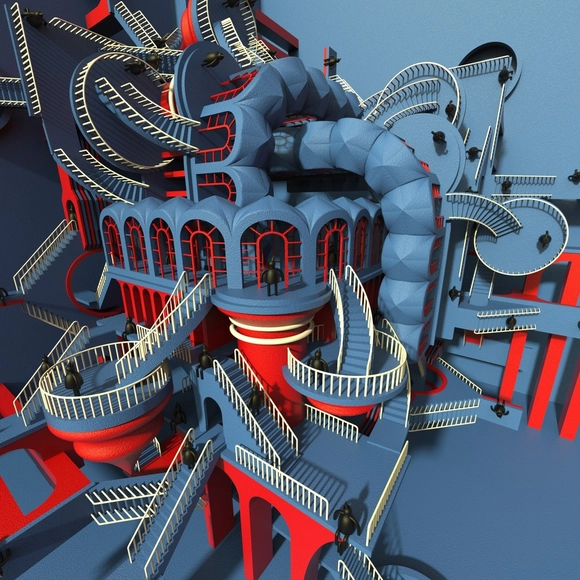
In this episode of “Behind the Scenes”, where we showcase the work of visionary artists and ask about their experiences beyond what is seen by the public, we are presenting Nicolás Sánchez: a designer from Pehuajo, Buenos Aires (Argentina). Nicolás defines himself as an eccentric person with a strong obsession with symmetry and mathematics applied to the objects and spaces that surround him, which awakens in him the curiosity of wanting to understand everything and to find the reason for things. Through his illustrations and animations, he transmits and shares everything he perceives and feels with playful, surreal, and impossible spaces.
Videos
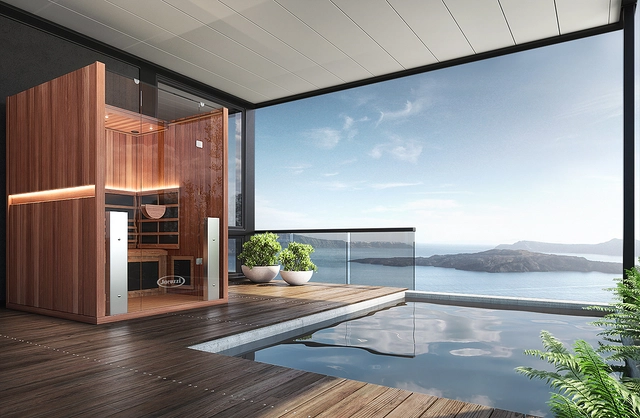
Cabina de Sauna Infrarrojo. Image Cortesía de Artexa
Reflecting the shifting preferences of each era, the design world has continuously adapted its goals to match contemporary lifestyles. A growing awareness of the benefits of comfort-focused daily design has guided the renovation of home design, evolving from a purely functional role toward incorporating wellness equipment innovations into the overall design strategy.
Amid emerging wellness trends, well-being has become a central pillar of interior design. By analyzing health benefits and offering a guide to selecting and integrating wellness equipment into the home, this article highlights how jacuzzis and saunas—combining advanced technology and ergonomic design—promote relaxation and rest in daily life.
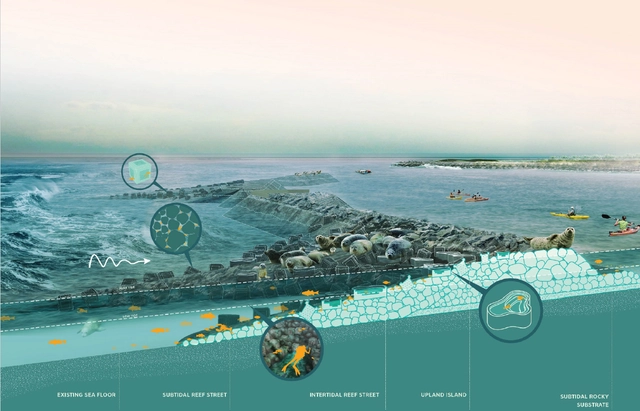
Living Breakwaters, Staten Island, NYC. Image Courtesy of SCRAPE
“Superstorm Sandy in 2012 was a wake-up call for NYC and made the city realize it needed to better prepare for climate change,” said Adrian Smith, FASLA, vice president at ASLA and team leader of Staten Island capital projects with NYC Parks. Due to storm surges from Sandy, “several people in Staten Island perished, and millions in property damage were sustained.”
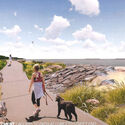
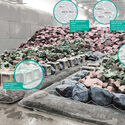
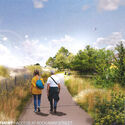
On the 10th anniversary of Sandy, Smith, along with Pippa Brashear, ASLA, principal at SCAPE, and Donna Walcavage, FASLA, principal at Stantec, explained how designing with nature can lead to more resilient shoreline communities. During Climate Week NYC, they walked an online crowd of hundreds through two interconnected projects on the southwestern end of the island: Living Breakwaters and its companion on land — the Tottenville Shoreline Protection Project.
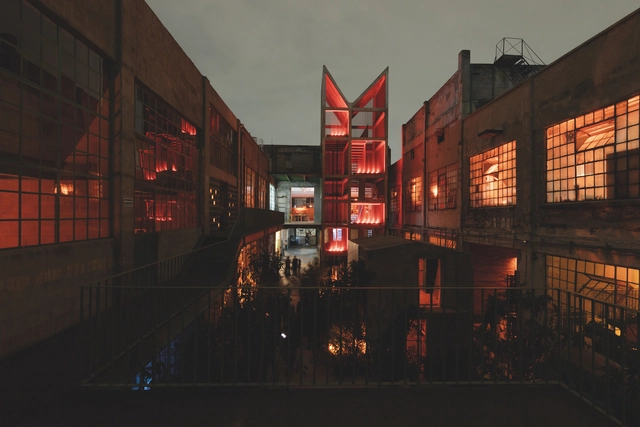
On September 23, LIGA celebrated 10 years of supporting and empowering young Latin American architects with a dinner held at its main space in Mexico City. LIGA is housed within a former textile factory (La Laguna) that originally opened in the first decade of the 19th century. Now transformed into a collaborative multi-use space designed by the architecture firm PRODUCTORA, the venue hosts independent Mexican initiatives ranging from a coffee shop and an architecture studio to a ceramics workshop.
https://www.archdaily.com/1131921/sombra-creates-a-light-installation-to-celebrate-10-years-of-liga-in-mexico-cityArchDaily Team
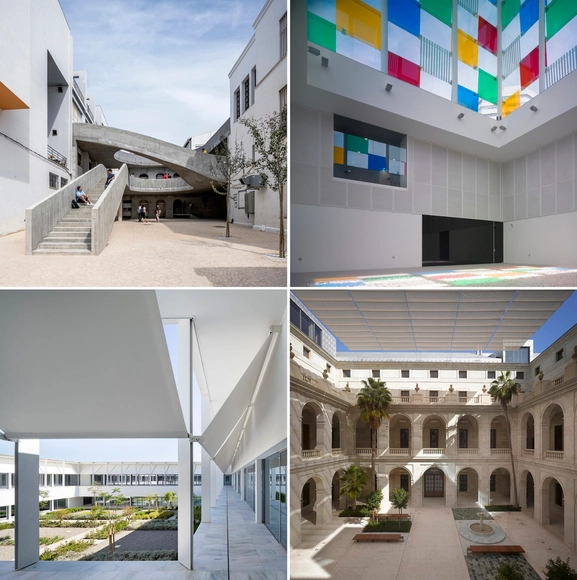
1. Patio Bellas Artes UMA / DJ arquitectura. Image by Jesús Granada. 2. Centre Pompidou Málaga / Javier Pérez De La Fuente, Juan Antonio Marín Malavé. Image by Jesús Granada. 3. Government Pavilion of the University of Málaga / alcolea+tárrago arquitectos + Roberto Ercilla + Lecumberri & Cidoncha. Image by Javier Callejas. 4. Museo de Málaga / Pardo Tapia Arquitectos. Image by Roland Halbe. Image
From November 18 to 20, 2022, Open House Málaga, one of the world's most important architecture and city festivals, will take place. Now in its second year in the city, the festival features over 40 free activities, including building visits, urban tours, and experiences. The event aims to connect the city with its residents and visitors, offering a unique architectural perspective alongside architects and industry professionals.
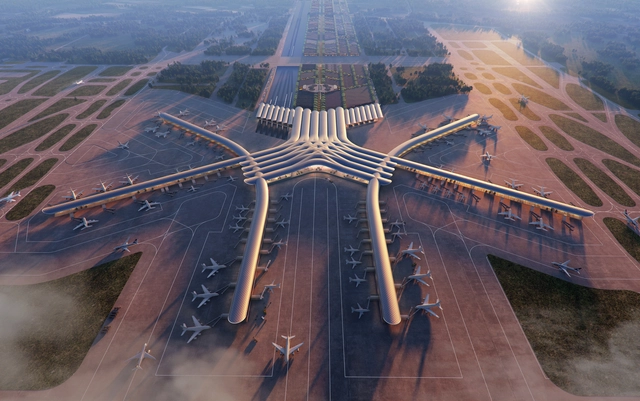
A Foster + Partners and Buro Happold consortium has been announced as the winners of the competition to design the new CPK airport, situated between Warsaw and Łódź, in Poland. The project is envisioned as a 21st-century transport interchange, bringing together air, rail, and road. The design seeks to strike a balance between operational efficiency, environmental responsibility, and a symbolic expression that reflects the country’s national identity. Initially, the airport will serve up to 40 million passengers but is planned to easily expand to meet the 65 million passengers target in 2060.
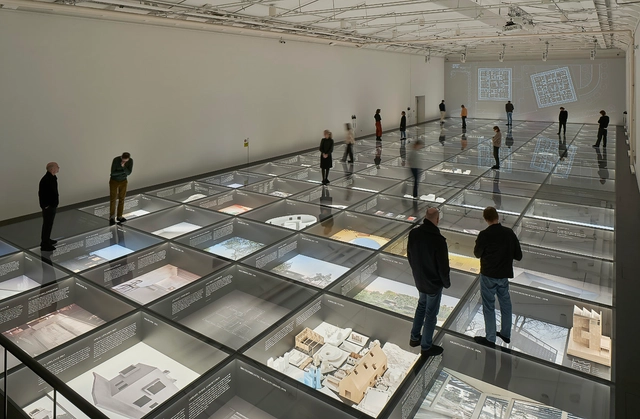
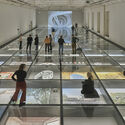
The Swedish architecture firm Tham & Videgård exhibits a broad selection of projects celebrating over twenty years in practice at the ArkDes—Centre for Architecture and Design in Stockholm, Sweden. For the first time, the studio’s work is being presented in its entirety, displaying in detail acclaimed buildings like the winning proposal for the Denfert art center in Paris and the 150-meter-tall +One Tower for the Swedish Exhibition in Gothenburg. From November 2022 to August 27, 2023, On: Architecture offers visitors a full-scale spatial experience involving models, new photography, and films – all set within a glass ground showroom.
Registration is now open for the 24th IABsp Awards 2022—a traditional and prestigious award in the field of architecture and urbanism organized by the Institute of Architects of Brazil, an institution with over a century of history. “This edition seeks to consolidate the advances of the national edition held in 2021, aligning the categories and subcategories with the reality of our profession.” Hannah Machado, Co-president of IABsp
Until November 21, architects and urban planners can register for free through the website.Participation is limited to IAB members from any of the state departments across the country with works and proposals executed in the state of São Paulo since January 2017. Fortunately, applicants can also join the institute during the registration period.
https://www.archdaily.com/1131844/applications-open-for-the-24th-iabsp-awardsArchDaily Team
A Hungarian proverb says "Aki tagadja a múltat, az nem talál jövőt", telling of the importance of using our past experiences to write our future, but balancing these two endless worlds – the traditions and culture of one, with the technology and innovation of the other – is often key to creating timeless design.
At the annual 360 Design Budapest event, Hungary’s most important cultural showcase of emerging and existing homegrown talent, the interconnectedness of both time and art inspired three key themes of storytelling (history and tradition), education (youthful talent and sustainability) and digitalization (technology and innovation).
Here are some of the standout designers, manufacturers, and their products from the week:
The search for technological innovations that promote passive strategies has become key to advancing energy efficiency in architecture. Low-E technology emerges as a new concept in glass, providing the material with thermal control capabilities. What does this new technology entail? The Low-E concept refers to low-emissivity glass—meaning glass whose surface emits a smaller proportion of thermal radiation at a given temperature. This feature increases its insulation capacity, thereby reducing the amount of heat lost through it.
The motto of the Solar Decathlon Europe 21/22 was to convert and expand rather than to demolish and reconstruct. Recycling windows, using biodegradable materials for luminaires and connecting light with sensors represented just some innovative examples of the international university-level student competition in Wuppertal, Germany. For the first time, the competition presented an award for sustainable architectural lighting. This was a question of quality as much as quantity, and that applies equally to daylight and artificial light.
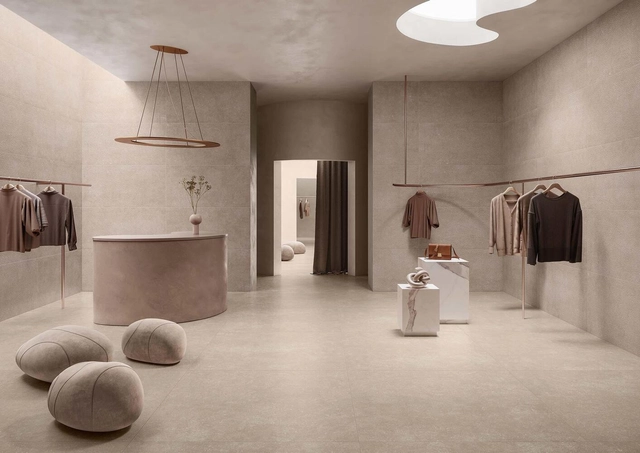
Casalgrande Padana’s Stile stone effect porcelain stoneware tiles bring the sophistication and charm of natural stone to interiors. Image Courtesy of Casalgrande Padana
Sustainability was a hot topic at this year’s Cersaie trade fair, the biggest international ceramic tile and surfacing event, held annually in Bologna, which exhibits the latest developments in ceramics industry trends. Dynamic discussions explored the environmental impact of the raw materials of ceramics, the thermal properties of ceramic tiles as insulators, the biophilic effect of ceramic tiles within urban interiors – and much more.
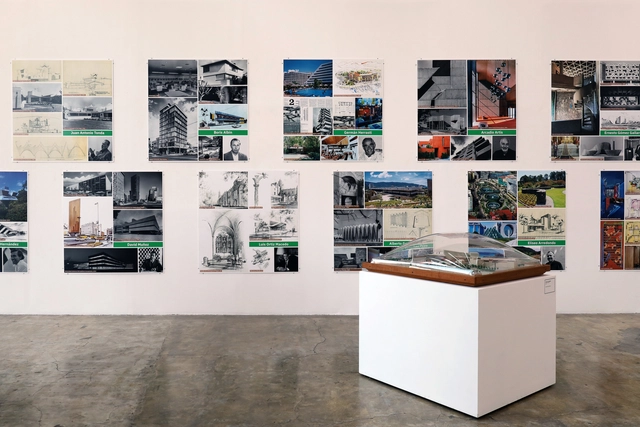
The School of Architecture at the National Autonomous University of Mexico invites the public to the exhibition “20 Years: Lines in Dialogue. Archive of Mexican Architects,” celebrating the anniversary of this institution and its commitment to preserving Mexico's architectural heritage. The Archive of Mexican Architects (AAM) project began in January 2002 with the acquisition of the Augusto H. Álvarez collection. This initial contribution paved the way for subsequent donations over the past two decades, now totaling 31 collections.
https://www.archdaily.com/1132373/unam-faculty-of-architecture-presents-the-exhibition-20-years-lines-in-dialogue-archive-of-mexican-architectsArchDaily Team
"A poet of the vague who designs with ingenious precision." This is how architect and curator Marta Bogéa described Gustavo Utrabo in an essay published in issue 207 of the Spanish magazine El Croquis. Renowned for its meticulous monographs on celebrated architecture firms worldwide, this was the first time the publication has featured a Brazilian architect. This is not, however, the only international accolade on Utrabo's resume: among others, the Children Village in Canuanã—developed in partnership with Marcelo Rosenbaum while a partner at Aleph Zero, alongside Pedro Duschenes— won the 2018 RIBA International Prize and was featured in the British newspaper The Guardian's list of the 25 best works of architecture of the 21st century.
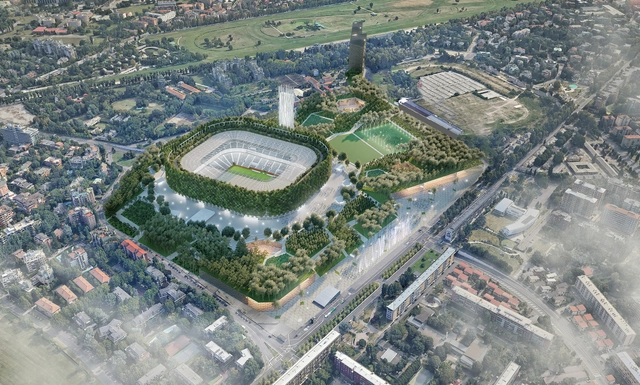
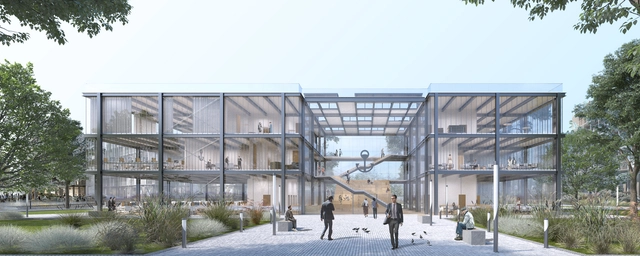
Stefano Boeri Architetti, together with a multidisciplinary team including ARUP, Fabio Novembre, and Balich Wonder Studio, has unveiled the design for the new Milan Stadium, named the International Forest Stadium. The project, located in the San Siro area of the city, was presented to the public on the occasion of the competition announced in 2019 by the Inter and Milan teams. The stadium is envisioned as an integral part of the “Sport and leisure district” system, an extensive masterplan measuring over 800 hectares, planned to transform the San Siro district into a center for excellence in the context of European sports.
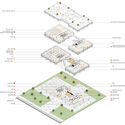
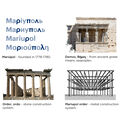
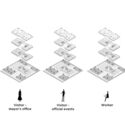
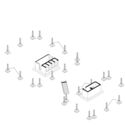
Emerging Ukrainian architecture firm NOVA - New Office of Vital Architecture- designed the new Mariupol City Hall as a proposal to reconstruct the city, almost devastated during the current war in Ukraine. The project seeks to open the discussion on urban democracy and civic life through architecture by replacing traditional hierarchical schemes with an open and accessible government building.
Considering the time, energy, and environmental impact of a construction process, architecture must explore different methodologies that work with the existing built environment. For example: how to give life to a forgotten building? Adaptive reuse gives new opportunities to abandoned buildings, following the idea that good architecture must be durable, innovative and recyclable.
Architects should not design just for the present, but should also think of how to adapt buildings for the future. In view of the world’s current situation regarding the climate crisis and available natural resources, adaptive reuse explores strategies for sustainability and design innovation, working to reduce energy consumption, minimal carbon impact and positive social impact.
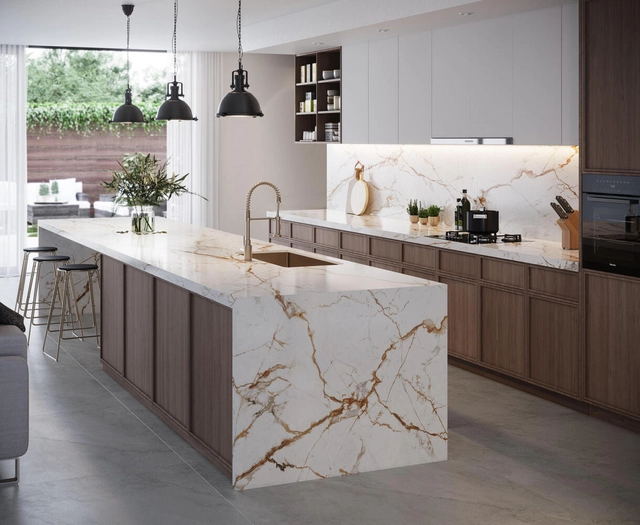
Dekton’s Onirika range brings the poetry of natural stone with its rhythmic veining to high-tech composite surfaces. Awake, seen here, recalls Poanazzo stone, with its oxide and grey markings. Image Courtesy of Cosentino
Opulence comes at a cost and it’s not just the sort that will leave your purse lighter. Exotic woods dent, gold tarnishes, marble stains and chips. But it doesn’t stop us hankering after the materials we perceive to be effortlessly elegant and replete with character. Okay, so we also like a bit of polish and precision in our building materials these days, alongside durability and ethical manufacture, ease of installation and maintenance alongside hygienic surfaces. But what’s often been missing from modern engineered materials is old-fashioned warmth and poetry. Is it too much to ask for both?
https://www.archdaily.com/991975/high-performance-yet-natural-cosentinos-new-surfacesEmma Moore
Belo Horizonte-MG. Photo by ciqueira, via Visualhunt
During the final discussions for the approval of Belo Horizonte's Master Plan in 2019, the proposed charging of the Onerous Grant of the Right to Build (OODC) sparked intense debate and emerged as the main political obstacle to its passage. Several institutions, including UN-Habitat, took a stance on the matter. Ultimately, what is the OODC and what are the effects of this planning instrument on the urban territory?
https://www.archdaily.com/1132430/what-is-the-onerous-grant-of-the-right-to-build-and-how-it-helps-make-cities-more-just-and-sustainableBruno Felin, Laura Azeredo, Luana Betti e Priscila Pacheco
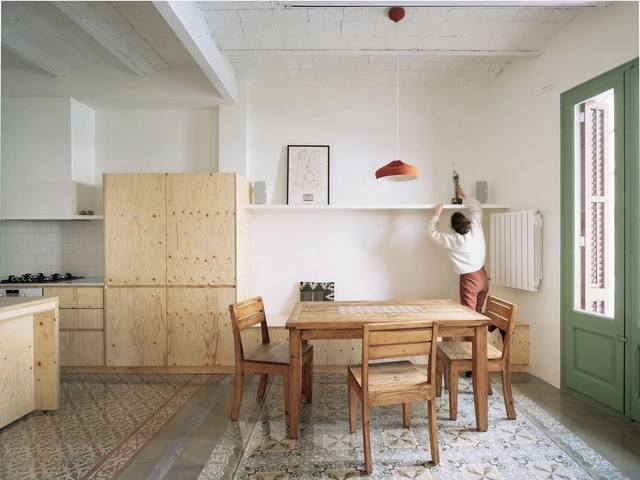
Reflecting on what the materials of the future will be like, we will talk about a material that is booming in Barcelona and which perhaps leads us to respond by suggesting that, as always, everything comes back.
For some years now, hydraulic mosaics have been back on trend, generating interest due to their high artisan value and their diverse designs, perfect for combining traditional environments with avant-garde details.