Videos
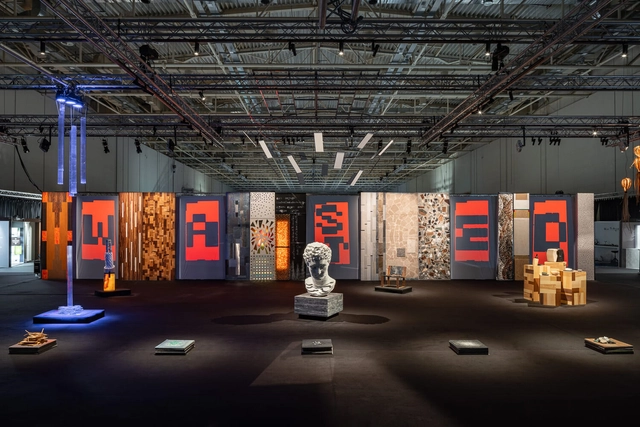
The Architect Show in Athens provides a forum for presenting the latest building products and discussing key themes facing the architecture profession. Image Courtesy of The Architect Show
With so many architecture and design trade shows taking place around the world each year, it can be challenging to identify which ones offer exhibitors and visitors a genuinely useful and valuable experience. In recent years there has been a trend towards more local events that provide opportunities for industry professionals to make meaningful connections with potential partners. Since it was established in 2019, The Architect Show has become an important forum for Greece’s architecture community, bringing together representatives from national and international brands that support the country’s vibrant real estate market.
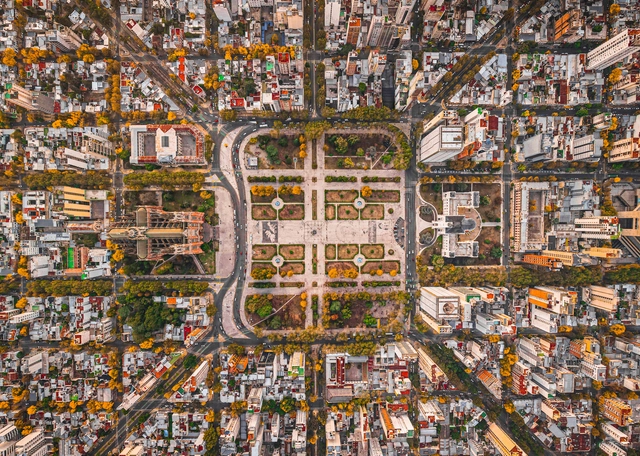
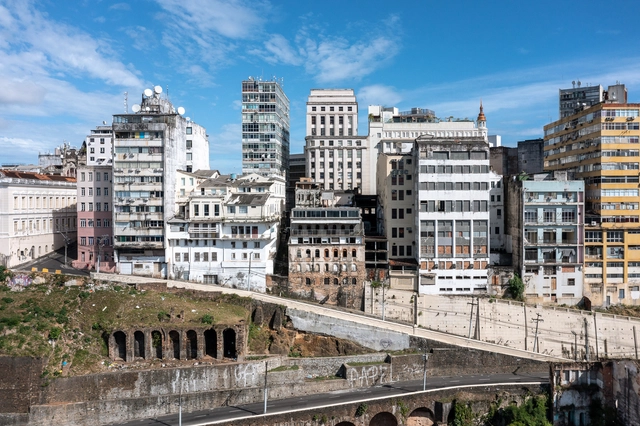
Located in Argentina, approximately 56 km (35 miles) southeast of the Autonomous City of Buenos Aires, stands the city of La Plata, founded on November 19, 1882, as the capital of the Province of Buenos Aires. As the product of the country's most ambitious urban and architectural undertaking, La Plata was conceived as a forward-looking city—one of the first in the world designed in accordance with the new principles of urban hygiene and rational construction generated by 19th-century scientific advancements. Furthermore, the city was showcased at the 1889 Paris Exposition Universelle, the grand exhibition celebrating the centennial of the French Revolution.
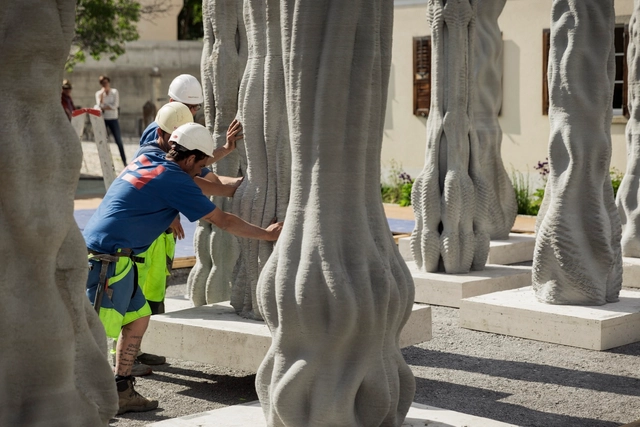
Professionals in the AEC industry are well aware of the issues that grapple the built environment. That the construction industry is the largest consumer of materials and is responsible for 40% of all carbon emissions is a commonplace fact. Construction work is also a large waste generator and could greatly benefit from circular design principles. Almost three-quarters of all construction projects tend to be over budget, and nearly half of the spending on buildings goes into the overheads. In a fast-paced world with multi-faceted challenges, technology, and digitization seek to deliver significant solutions.
For the 18th International Architecture Exhibition – La Biennale di Venezia, the Pavilion of Ukraine presents an exhibition titled “Before the Future,” focusing on the paradox of “building a future from a collapsing present.” The intervention reimagines two spaces, one in Arsenale and one in Giardini, to evoke protective structures that have become emblematic of feelings of safety while under threat for Ukrainian society. The curatorial team, composed of Iryna Miroshnykova and Oleksii Petrov, of the Kyiv-based architectural office ФОРМА, and Borys Filonenko, independent curator, art critic, and lecturer, set out to work with specialists from numerous fields to further explore the theme “Laboratory of the Future.”
This is the year of Paulo Mendes da Rocha at Casa da Arquitectura. On May 26, two exhibitions dedicated to the Brazilian Pritzker laureate will open to the public. Constructed Geographies: Paulo Mendes da Rocha is curated by Jean-Louis Cohen and Vanessa Grossman, with exhibition design by Eduardo Souto de Moura and Nuno Graça Moura, while Paulo: Beyond Drawing is curated by Rui Furtado and Marta Moreira, with exhibition design by Ricardo Bak Gordon.
https://www.archdaily.com/1135954/portugals-casa-da-arquitectura-opens-two-exhibitions-on-paulo-mendes-da-rocha-in-mayArchDaily Team
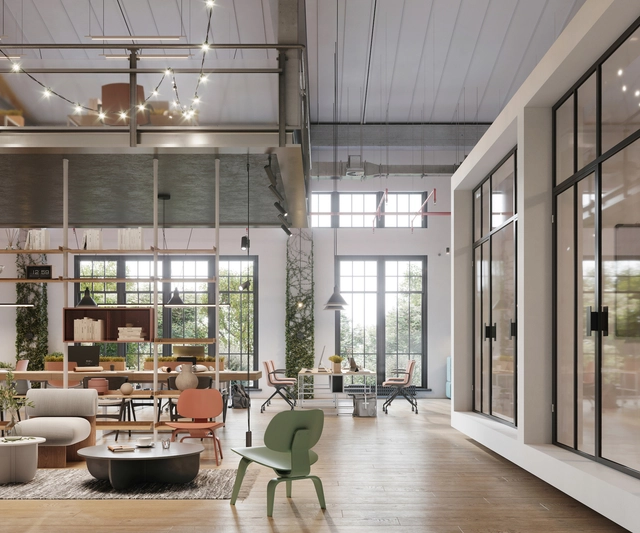
Espacios de trabajo - Aplicación color SW 7005 / Pure White. Image Cortesía de Sherwin-Williams
Choosing color palettes plays a fundamental role in any design strategy. Beyond their influence on aesthetics, spatial perception, and emotion, selected colors can define the character of an environment. When choosing a color palette, it is essential to consider the context, the building's use, and the lifestyle of its inhabitants, while also accounting for how the colors interact—whether as complementary hues, highlights, or counterpoints to predominant tones.
In addition to enhancing interior comfort, colors profoundly influence user perception and behavior. Alongside structural and ornamental elements, paint choices complete the definition of color palettes in architecture and design. As they do every year, Sherwin-Williams has presented its color trends—this year introducing Terra Colormix 2023, which features 40 trending colors inspired by the rich interweaving of our lives and spaces. Below, we present various color palettes tailored to different types of projects—such as workspaces, educational and healthcare centers, multifamily buildings, contemporary residences, and hospitality spaces—showcasing the versatility of this collection through practical applications.
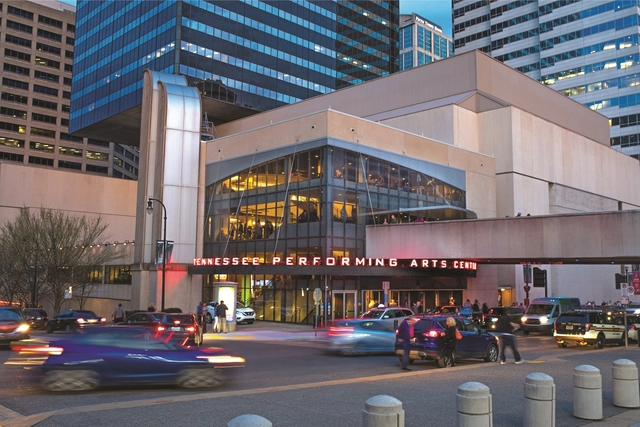
The Tennessee Performing Arts Center (TPAC) has selected an international architecture teamto design its new performance home. Comprising BIG (Bjarke Ingels Group), William Rawn Associates, and Nashville-based EOA Architects, the global architecture team will reimagine the 50-year-old performing arts non-profit on a different site from its original 1974 plot, part of the State-owned James K. Polk Cultural Center.
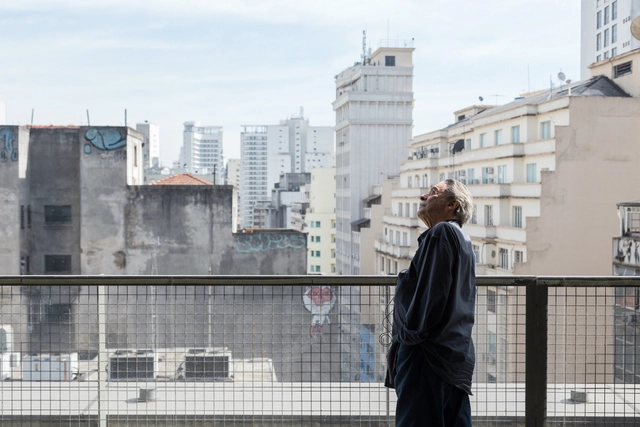
In theory, architecture is separate from art. Some even argue that there is a hierarchy between the two. Fortunately, Vão is an example of how this separation doesn't need to exist and how having a hierarchy between them is unproductive for both sides. Founded in 2013 by Anna Juni, Enk te Winkel, and Gustavo Delonero in São Paulo, the office develops architectural projects fueled by artistic thought. It also develops artistic works on an architectural scale.
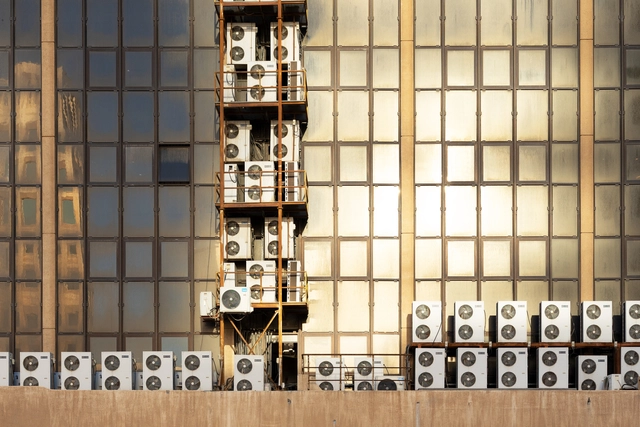
The Kingdom of Bahrain announced its participation at the 18th International Architecture Exhibition of La Biennale di Venezia with a pavilion exhibition titled “Sweating Assets.” Curated by architects Latifa Alkhayat and Maryam Aljomairi, the exhibition highlights the relationship between the extreme heat and humidity that characterizes Bahrain and the inherent need for comfort. The curators aim to show how the necessary cooling infrastructure can be maximized through adaptive means and resource management while reducing its negative impact on the environment.
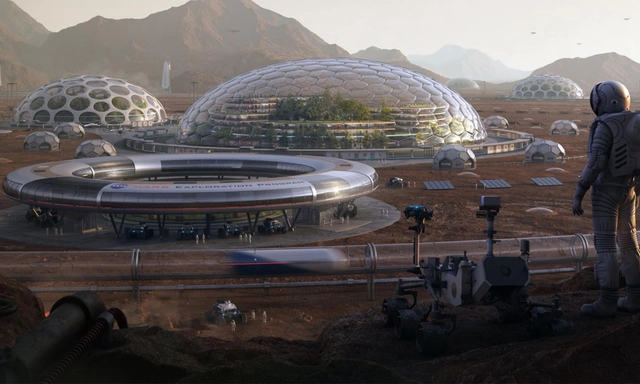
SpaceX founder and science-fiction fan Elon Musk is attempting to make the fiction of space travel a scientific reality. ‘In order to safeguard the existence of humanity,’ he explains, ‘we need to become a multi-planetary civilization.’ Musk says he’s laser-focused on ensuring we make a second home elsewhere in space, and has his sights set on Mars. He’s not alone, of course. NASA’s recently-released Moon to Mars Architecture Concept Review is a ‘study of the hardware and operations needed for human missions to the Moon and Mars,’ leading to long-term scientific discovery and human habitation in deep space.
But there’s a long way to go before we get there – and not just the 140 million miles (average distance to Mars). The biggest challenge to Mars habitation and eventual colonization is humanity itself, and our indecision. Many of us question why we should sink so much of our energy – both effort and resources – into such a task, when there are plenty of more pressing matters to address here on Earth?
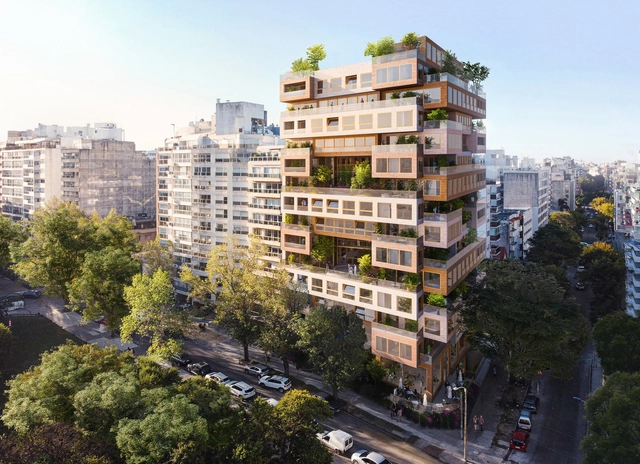
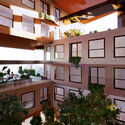
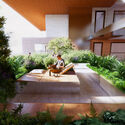
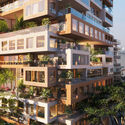
The 15-story residential building designed by MVRDV in Montevideo, Uruguay, has been approved for construction. Named "Ziel," the project consists of individual homes creating an open and permeable environment that allows light and air to flow through the structure, resulting in spacious green spaces for the enjoyment and coexistence of residents. This project is MVRDV's first in Uruguay, designed for developer IXOU in collaboration with Monoblock's executive architecture.
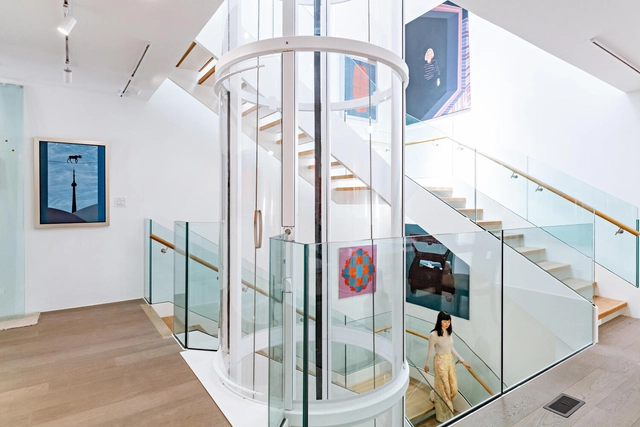
Home elevators have always increased a home's functionality. Now, they can also enhance its aesthetic appeal, not to mention value. Photo: Arash Moallemi. Image Courtesy of Savaria
Home elevators are increasing in popularity. For one thing, people are living longer and the vast majority plan to age in place. Indeed, a US survey found that 90% of adults over 65 would like to stay in their current residence. A lift in one's home serves a number of practical purposes besides enhancing mobility, like the convenience of moving groceries or heavy objects between levels. In addition, a home elevator is a real conversation piece – not to mention that it can add up to 10% to the value of a home.
But as desirable as home lifts are, they are often perceived as a visual intrusion. Many architects, designers and homeowners look to install them in an out-of-the-way corner, or hide them in a series of vertically aligned closets converted into an elevator shaft. One company, however, believes it’s time to bring the home elevator out into the open.
The Instituto Tomie Ohtake and AkzoNobel announced today the winning projects of the 9th Tomie Ohtake AkzoNobel Architecture Prize. Three of the ten finalist works were awarded in the Professional category, while in the University category, one project was named the winner and another received an honorable mention. All winning and finalist projects are on display in a free exhibition at the Institute until July 2.
https://www.archdaily.com/1135919/meet-the-winners-of-the-9th-tomie-ohtake-akzonobel-architecture-prizeArchDaily Team
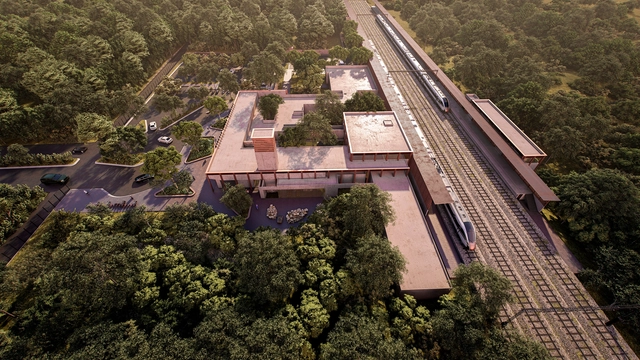
The Tren Maya is an infrastructure project currently being developed by the Mexican government in the country's southeast, involving the construction of approximately 1,525 km of railway lines that will span the states of Tabasco, Chiapas, Campeche, Yucatán, and Quintana Roo. It will offer three types of services: passenger, tourist, and freight trains. The route comprises seven sections: Section 1 runs from Palenque to Escárcega (228 km); Section 2 from Escárcega to Calkiní (235 km); Section 3 from Calkiní to Izamal (172 km); Section 4 from Izamal to Cancún (239 km); Section 5 from Cancún to Tulum (121 km); Section 6 from Tulum to Chetumal (254 km); and Section 7 from Chetumal to Escárcega (287 km).
The International Jury will award the "Golden Lion for Best National Participation", the "Golden Lion for the best participant in the International Exhibition The Laboratory of the Future", as well as the "Silver Lion for a promising young participant in the International Exhibition The Laboratory of the Future". The Jury may also award a maximum of one special mention to a National Participation, and a maximum of two special mentions to the participants in the International Exhibition The Laboratory of the Future. The announcements and awards ceremony will take place in Venice on Saturday, May 20th, 2023.
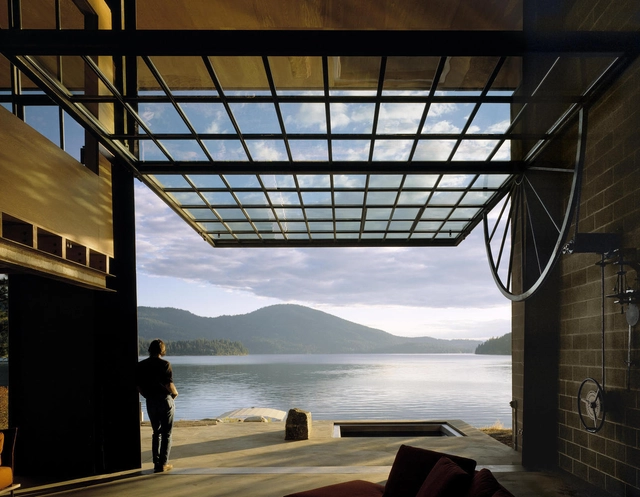
Seattle-based Olson Kundig is an example of how context and culture can influence a firm's design approach. Founded in 1966 by Jim Olson and now consisting of hundreds of employees and thirteen principals/owners, including Tom Kundig, the firm has an extensive and diverse portfolio that spans different scales and budgets. In lectures and interviews, Kundig in particular often talks about how having grown up in a region with a strong mining and lumbering tradition has influenced the industrial and rational aesthetic of his designs, the use of durable and low-maintenance materials, and a special attention to craftsmanship. In many of the firm's designs, however, the ingenuity and emphasis on moving parts –blurring the boundaries between inside and outside– is striking. This is usually achieved by incorporating hand-held devices that allow users to activate the building directly, connecting them both to the context but also to the building itself and the dynamic mechanisms therein.
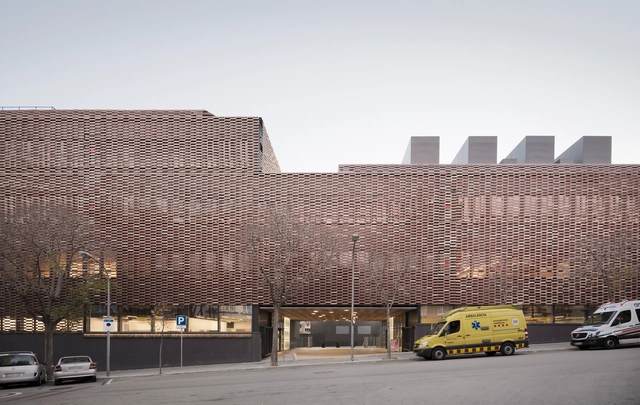
The Santa Creu & Sant Pau Hospital Research Institute, designed by Pich Aguilera Arquitectes in conjunction with 2BMFG Arquitectos, stands in the Santa Creu & Sant Pau Hospital complex in Barcelona –one of the biggest Modernist Spanish architectural ensembles, declared a World Heritage Site by the UNESCO.
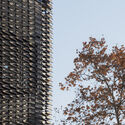
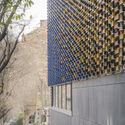
The Research Institute stands out for its striking ceramic envelope and its capacity to blend in with Sant Pau Hospital’s Modernist buildings, while also focusing on high energy savings and improved comfort inside the building. The ceramic slats were made to measure for the project by Faveker, a specialist in high-tech façade solutions.
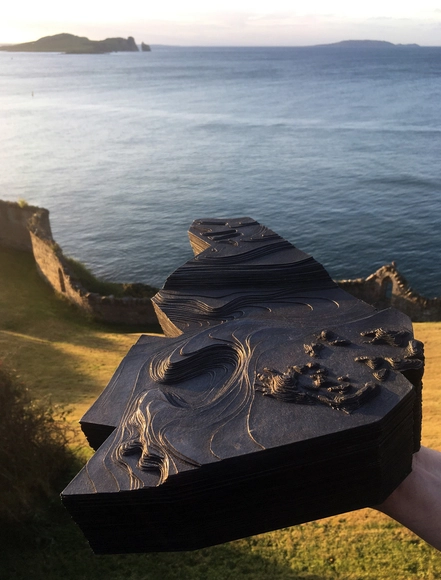
The National Pavilion of Ireland will present an exhibition titled “In Search of Hy-Brasil” at the 18th International Architecture Exhibition of La Biennale di Venezia. The pavilion set out to explore diverse cultures, communities, and experiences of Ireland’s remote islands in the search for new ways of inhabiting the world. A team of five architects has been selected as the curators of the exhibition: Peter Carroll, Peter Cody, Elizabeth Hatz, Mary Laheen, and Joseph Mackey. The pavilion will be open to the public from May 20th to November 26th, 2023; afterward, the installation will tour Ireland in 2024, bringing voices from peripheral locations into mainstream conversations around our global future.
Floresta Cidade is an extension program, research, and teaching initiative at the Faculty of Architecture and Urbanism of UFRJ. Initiated in 2020 and coordinated by Professor Iazana Guizzo, the program addresses urban life in Rio de Janeiro through the lens of the Anthropocene and the displacement of the anthropocentric perspective, aiming to foster the exchange of knowledge around dwelling in the metropolis. Transdisciplinarity across various fields of knowledge, along with sensibilities connected to the forest that have been historically silenced, pave the way to shift conventional ways of thinking.
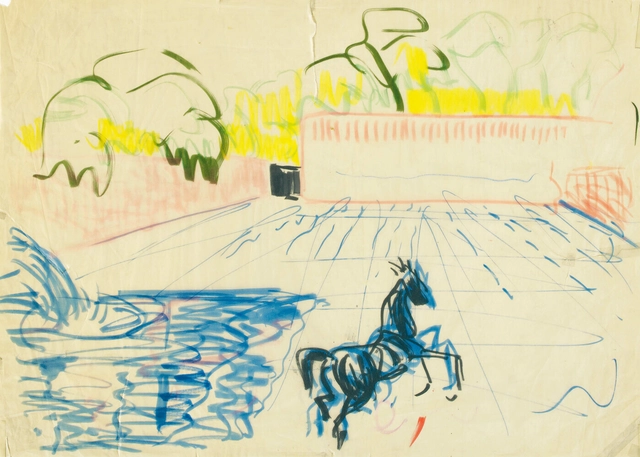
Cuadra San Cristóbal, Los Clubes, Atizapán de Zaragoza, State of Mexico, 1966-1968. Perspective sketch of the main courtyard by Luis Barragán. Image via Barragan Foundation
Two years ago, as part of an initiative by the Barragan Foundation, the launch of the institution's renewed website was announced via its Instagram account. This represented an effort to compile all the information that exists so far from the Barragán Archive that enriches the study of his career, opening up the panorama to understand his trajectory and evolution from a clear chronology, experiments, and collaborations, as well as unrealized or demolished projects. The website compiles these five decades of career, presenting a list of 170 works inside and outside the country that is updated as more material is researched and collected.
The importance of lighting in interior design cannot be overstated: done right, it not only accentuates a space's architectural features but also makes inhabitants feel at ease. As Carmelo Zappulla of Lighting Studio External Reference explains in an interview with Architonic, light is a crucial tool to add an emotional element and 'animate a space.'
There are a plethora of artificial lighting options to choose from. Which works best is usually determined by the nature of the interior they're in and the desired spatial effect. One of the most common is indirect lighting. This technique uses fixtures to aim light onto surfaces that act as reflectors, softening the emitted rays to prevent pillar-like, bulky beams in favor of a more evenly distributed glow.
The ninth edition of Concéntrico, the international festival of architecture and design in Logroño, was inaugurated on April 27th to once again promote dialogue between the city, heritage, and contemporary architecture. Until May 2nd, citizens will have the opportunity to rediscover their urban environment alongside the work of more than 60 professionals from 15 different nationalities who have proposed an extensive program with 21 interventions, meetings, and activities.
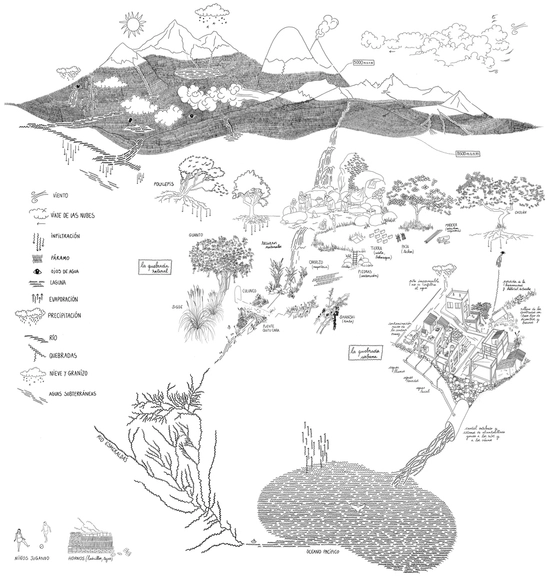
Revealing the river flows of our habitats, “Los Caminos del Agua” (The Water Paths) is a water-focused exhibition that opens a debate on human impact on the territories we inhabit. Originating in Quito, Ecuador, the work by La Cabina de la Curiosidad (led by Marie Combette and Daniel Moreno Flores) was developed in collaboration with the Tomorrow’s Cities project, the El Tejar community, the Wayku Project, and the Yaku Water Museum.