-
Architects: Bernardes Arquitetura
- Area: 1750 m²
- Year: 2018
-
Manufacturers: Hyline, Leicht
-
Professionals: Laer Engenharia, Logiproject, Zamaro Engenharia, Leão & Associados, Modal Acústica, +3

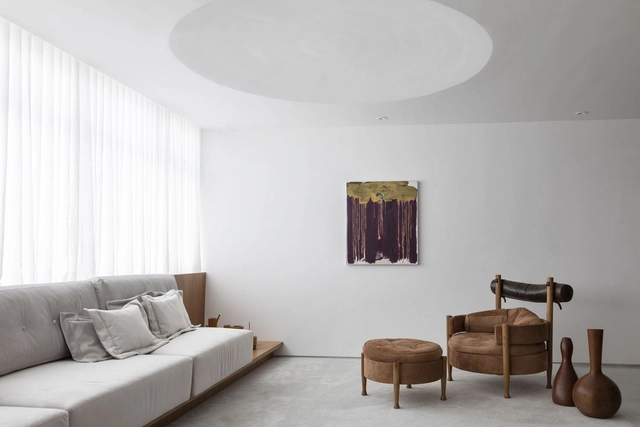

IED Rio is offering four free online classes this September, corresponding to four full online courses scheduled for the second semester. These sessions serve as a lead-up to the launch of in-person courses in 2022. The classes—covering lighting design, style generation, the role of the physical store in a post-pandemic landscape, and visual thinking for business—will be led by industry-leading designers, including Diana Joels, Michela Mezzavilla (Spain), Rafo Castro, Carolina Baltar, and Rafael Andrade.

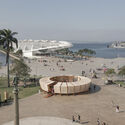
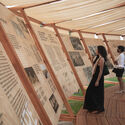
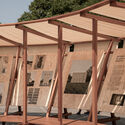
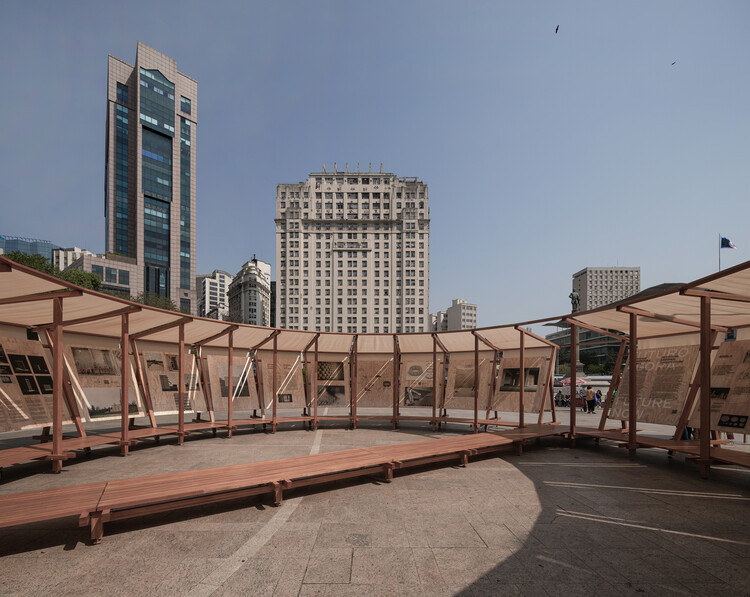
A sustainable, reforested timber pavilion featuring 24 photographic and typographic panels will be installed in the heart of Praça Mauá from September 8 to October 17. The exhibition, Future Now – Revisiting Earth Architecture, offers new perspectives on the challenges of contemporary architecture and addresses urgent global issues. The showcase provides an architectural experience that bridges the latest in high-tech innovation with one of the oldest building materials—earth (such as clay and mud)—and its contemporary applications.
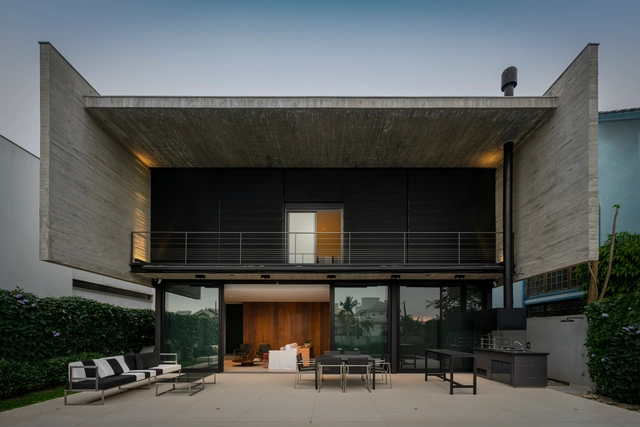
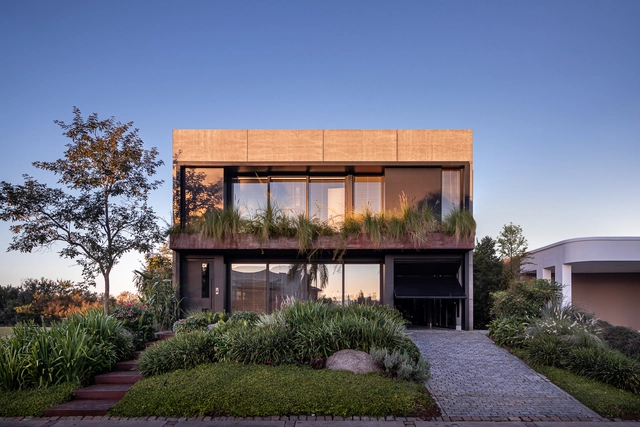


The daily rush prevents us from seeing and experiencing our cities. Whether by bus, subway, car, motorcycle, bicycle, or on foot, we are constantly rushing, failing to realize that time is our most valuable asset. In this haste, cities go unnoticed. Our focus is simply on commuting, day after day.
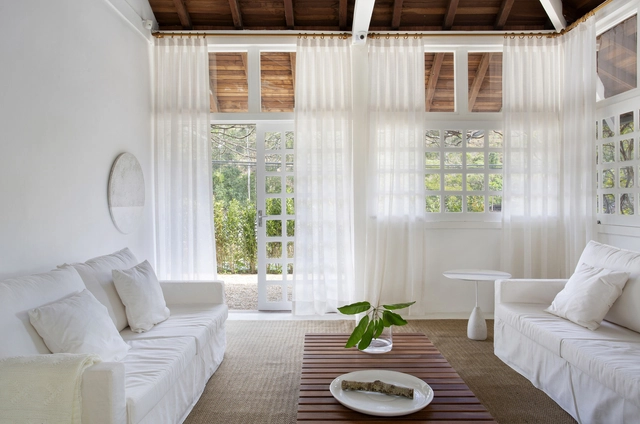

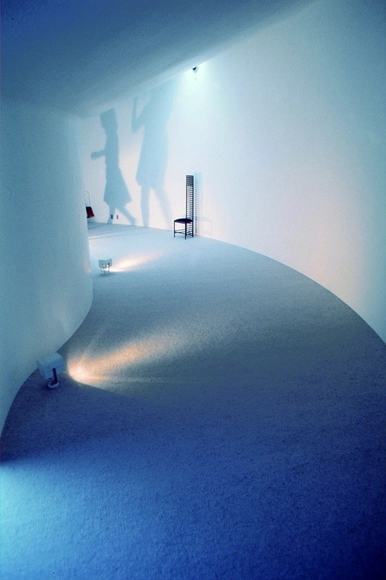
Form and void are inseparable concepts in Japanese culture. This course proposes an analysis of selected architectural works, supported by the aesthetic notion of Ma, to explore different conceptions of space-time in Japan. The course aims to present the conceptual, spatial, and material aspects of these projects to foster an understanding of the potential relationships between form and void, as well as to approach the void as a form of potential rather than an absence. The course is intended for anyone interested in architecture and Japan in general.