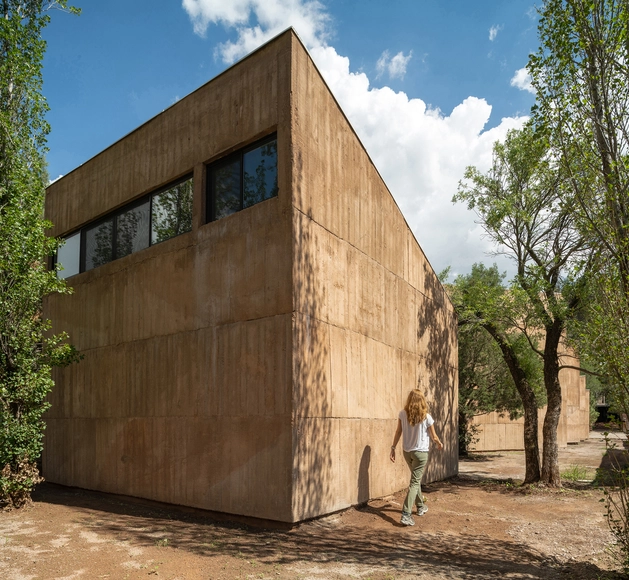
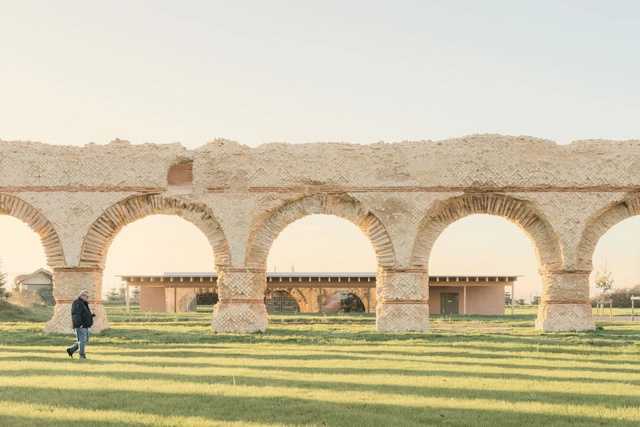
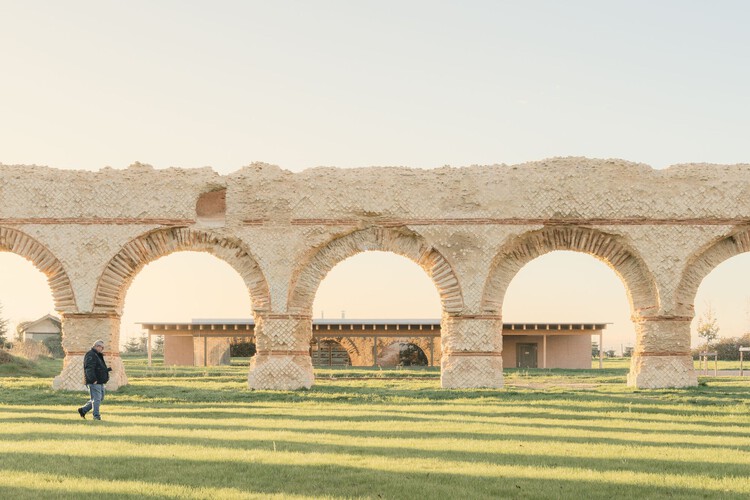
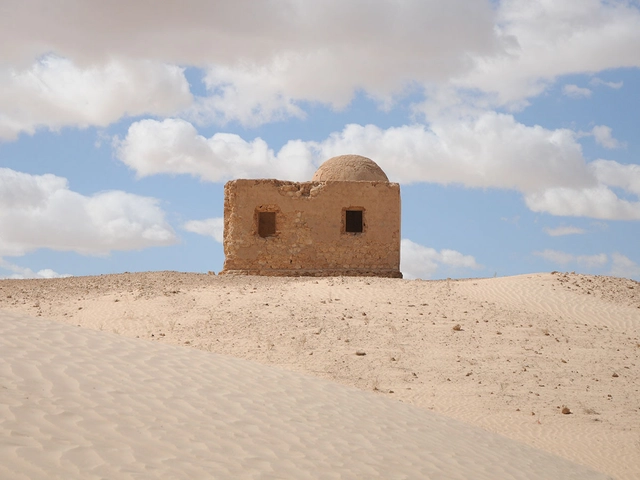
Highly beneficial in climates with wide diurnal temperature ranges, where there is a significant difference between day and night temperatures, thermal mass is a key concept to consider when designing for optimal thermal comfort. As a passive strategy for temperature control, it eliminates the need for additional energy consumption, making the building more sustainable.
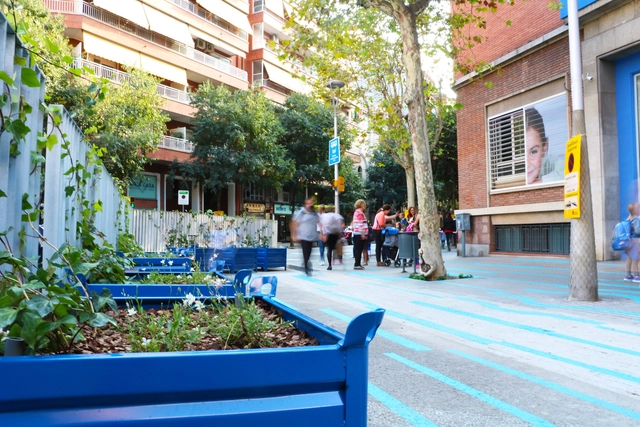
Although an internationally recognized urban planning benchmark, Barcelona's Eixample faces multiple challenges typical of a city in constant change—an urban landscape vastly different from the one envisioned by Ildefons Cerdà.
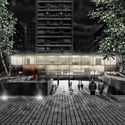
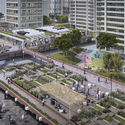
Against this backdrop, the Barcelona-based firm Leku Studio has developed a project to "humanize" several school environments in the Eixample. Through reversible urbanism, the firm is testing new uses and configurations that foster more humane, welcoming spaces, bringing the urban scale closer to children. "They must be community spaces, acting as extensions of the school; spaces for play, greenery, history, and the local life of the neighborhoods," explain Jokin Santiago Elorriaga and Marta Sola Páramo, co-founders of Leku Studio.
https://www.archdaily.com/1114209/leku-studio-tests-reversible-urbanization-strategies-in-barcelona-schoolsArchDaily Team
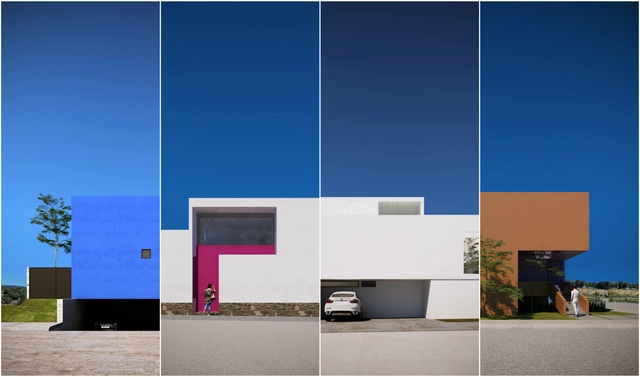
The "Single-Family Home" Architectural Design Workshop, organized by the architecture firm Cota Paredes Arquitectos, concluded its fourth edition, inviting recent graduates and final-semester architecture students to develop a single-family housing project over four weeks, either in person or online.
The project involved designing a home for a small family within a gated community in Zapopan, Jalisco, Mexico. The proposal also had to comply with the building regulations of the "Los Robles" development, incorporating essential guidelines to achieve a single-family home design based on the concepts of introspective architecture.
https://www.archdaily.com/1114093/results-of-the-fifth-single-family-home-architectural-design-workshop-by-cota-paredes-arquitectosArchDaily Team
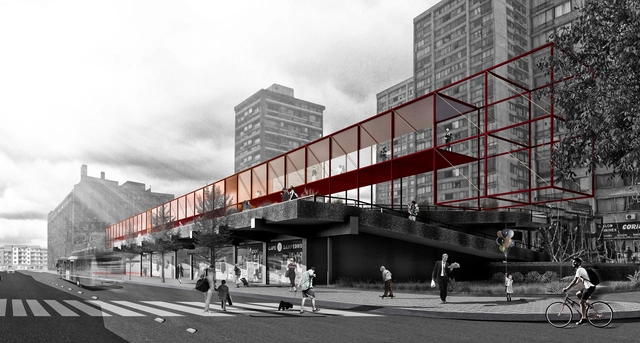
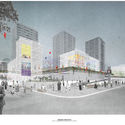
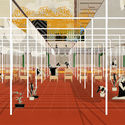
The Architecture and Landscape Ideas Competition for the Pasarelas San Borja and Surroundings announced its winning proposals during an event held on Thursday, September 6, at the National Headquarters of the Chilean Association of Architects (Colegio de Arquitectos de Chile). The main objective of the competition was to recognize, through a qualified and representative jury accredited by the sponsors, the best urban design ideas that help define intervention criteria and generate proposals for the San Borja neighborhood.
A total of 86 interdisciplinary teams registered for the competition, with 34 proposals successfully submitted and evaluated. The jury awarded first, second, and third place, along with three honorable mentions. Additionally, a Neighborhood Mention was awarded to two projects highlighted by the Neighborhood Advisory Commission during the evaluation process.
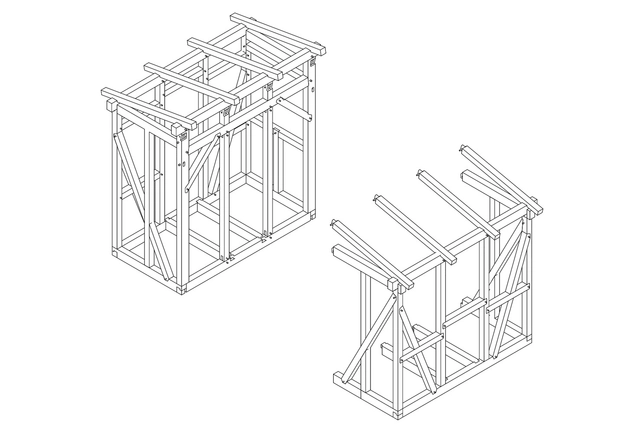
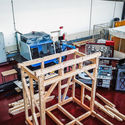
Aiming to offer low-income households genuine flexibility for expansion and adaptation during their housing process, the Robotic Timber Framing group at the Department of Architecture of the Universidad Técnica Federico Santa María, led by Luis Felipe González and Francisco Quitral, is developing timber housing structures that can be freely assembled and transformed by their occupants.
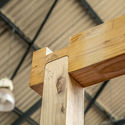
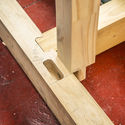
Without the need for metal fasteners, the components are joined using mortise and tenon joints, a process carried out by an industrial robot equipped with cutting tools.
0-VOID is an inflatable pavilion developed as part of the third-year Architectural Design studio taught by BASE studio (Bárbara Barreda + Felipe Sepúlveda) at the School of Architecture and Art of the Universidad del Desarrollo in Santiago, Chile. The pavilion synthesizes and embodies the themes explored throughout the semester, centered on the potential inherent in pneumatic systems for formulating unconventional geometric, material, and spatial responses.
Its design was developed through an iterative process between 1:1 material exploration and digital tools, informed by a series of preceding exercises conducted by the students during the semester.
https://www.archdaily.com/1114025/invertebrate-pavilion-challenges-the-notion-of-structural-resistance-associated-with-rigidityArchDaily Team
The FIFA World Cup 2026 will take place from June 11 to July 19, 2026, across North America, with matches hosted at 16 venues in Canada, Mexico, and the United States. For the first time, the tournament is being co-hosted by three countries: 11 venues in the United States, 3 in Mexico, and 2 in Canada. Since the 2018 FIFA Congress selected the venues to host the 2026 World Cup, the three North American countries have been working to deliver the tournament. This edition will be the first to feature 48 competing teams, expanded from 32. Unlike the 2022 Qatar World Cup, which required the construction of entirely new stadiums, the three host countries already have the necessary infrastructure in place, though several venues are taking the opportunity to upgrade their facilities, including Mexico City's Estadio Azteca, Arlington's AT&T Stadium, and Toronto's BMO Field.
https://www.archdaily.com/993287/explore-the-full-list-of-football-stadiums-for-the-2026-fifa-world-cup-in-united-states-mexico-and-canadaArchDaily Team
Cobe and ArchDaily invite you to the launch of the guest-edited edition of Cobe Notes x ArchDaily, on June 10, 2026. Focused on the theme of Thresholds, the event will explore architecture as a condition of ongoing transition.
Hosted at the Cobe Bookcafé, the public launch will feature a live conversation with Christele Harrouk, Editor-in-Chief of ArchDaily, Mads Birgens, Head of Urbanism at Cobe, and Jacob Blak, Head of Sustainability, moderated by Kristoffer Lindhardt Weiss, CEO and Publisher of the Danish Architectural Press.
https://www.archdaily.com/1041502/cobe-notes-x-archdaily-irl-on-thresholds-in-architectureArchDaily Team
The phenomenon known in biology as convergent evolution describes how distant species can develop similar structures when confronted with comparable challenges. Dolphins and ichthyosaurs, for example, are separated by millions of years of evolutionary history, yet both evolved nearly identical hydrodynamic bodies. Architecture has its own parallels: A-frame structures emerged independently in both the European Alps and Japan, even without direct cultural exchange, as spontaneous responses to snow, wind, and material scarcity.
https://www.archdaily.com/1037027/converging-trends-in-2025-architecture-circularity-biomaterials-and-carbon-conscious-designArchDaily Team
From October 12 to 19, 2025, the city of Cuenca became the gathering point for more than 150 architecture students from 13 Latin American countries. The 37th Latin American Meeting of Architecture Students (ELEA XXXVII)—held as part of the 40th anniversary of the Latin American Coordinator of Architecture Students (CLEA)—proposed rethinking the role of architects in the face of contemporary territorial challenges.
Coordinated by architect Fernando Abarca, with the support of CLEA, the National Organization of Architecture Students of Ecuador (ONEA), the University of Azuay (UDA), the University of Cuenca (UCUENCA), and the Andean Parliament, the meeting adopted "Resilient Traces" as its conceptual framework: an invitation to read the city not only as a physical substrate, but as memory, conflict, and opportunity.
https://www.archdaily.com/1079999/resilient-footprints-elea-xxxvii-ecuadorArchDaily Team
Nicolás Valencia speaks with Spanish architect Marina Otero Verzier, winner of the 2022 Wheelwright Prize, about her research on the material and extractive cost of the digital cloud, a topic she explores in her book In the Depths of the Cloud, published in 2024 by Ediciones Asimétricas.
https://www.archdaily.com/1140964/data-centers-blind-boxes-and-digital-clouds-according-to-marina-otero-verzierArchDaily Team
The Nile Delta, in blue the rise of mean sea level with a 2°C increase above pre-industrial levels, Sentinel data. Territorial Agency: Oceans in Transformation, 2020
How heavy is a city, and what does that weight mean for our collective future? This provocative question guides the 7th edition of the Lisbon Architecture Triennale, which proposes an inquiry into the transformations of urban life and the material, social, and environmental consequences of inhabiting the planet today. From October 2 to December 8, Lisbon will once again host one of Europe's most significant architectural events.
Curated by Ann-Sofi Rönnskog and John Palmesino, founders of the practice Territorial Agency, the Triennale investigates the magnitude of contemporary cities and their planetary impact. Composed of nearly 30 trillion tons of materials, global cities form a dense and intricate web of continuously evolving structures. To unpack these complexities, the Triennale opens itself as a space of learning, curiosity, imagination, and debate — a meeting ground for architects, researchers, artists, and the wider public.
https://www.archdaily.com/1034626/how-heavy-is-a-city-exploring-the-lisbon-architecture-triennale-2025ArchDaily Team
Architectural photography provides a window into the built world, making significant structures more accessible to people who may never have the chance to visit them. A good architectural photograph captures more than just the physical structure; it conveys the mood, scale, and context of a space. Each photograph is unique and shaped by the photographer's eye, which conveys their sensitivity and perception of the built environment through their lens.
The 2025 Versailles Biennale of Architecture and Landscape (BAP! 2025) brings together global thought leaders in architecture to discuss the critical role the discipline plays in addressing climate change, sustainability, and evolving urban needs. Through a series of in-depth interviews with curators, architects, and designers from Paris, Mexico City, and Spain, the event provides a platform for diverse perspectives on how architecture can respond to contemporary challenges.
Curators Sana Frini and Philippe Rahm lead the charge in presenting an exhibition that explores how architecture can adapt to the environmental shifts forecasted for the near future. From sustainable practices to integrating cultural contexts, the conversations captured in these interviews highlight innovative approaches to creating spaces that are not only functional but deeply responsive to the changing climate and societal needs.
https://www.archdaily.com/1032518/architecture-for-a-changing-world-insights-from-the-2025-versailles-biennaleArchDaily Team
ArchDaily is seeking a Social Editor & Community Manager to join our Organic Social Media team. In this hybrid role, you will serve as both editor and community manager, shaping the way our global architecture community connects with ArchDaily across social platforms.
You will work closely with the Social Media Manager to develop and implement our organic strategy—crafting, curating, and publishing compelling content that reflects the richness of architectural discourse and is aligned with our editorial values.
https://www.archdaily.com/1031955/call-for-archdailys-next-social-media-collaboratorArchDaily Team
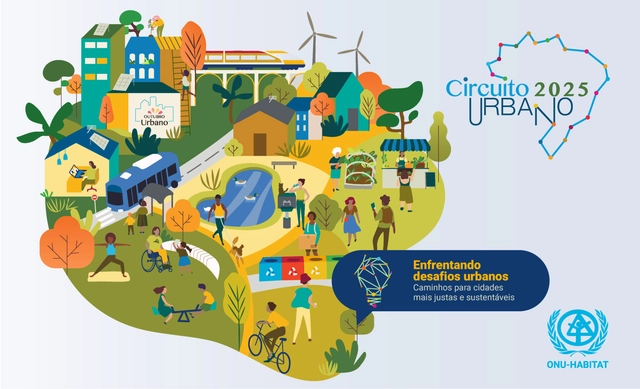
What are the main solutions applied in cities to address urban challenges and build more sustainable communities? Driven by this question, the United Nations Human Settlements Programme (UN-Habitat) is opening registrations this Wednesday (25) for the 2025 Urban Circuit. With institutional support from the Ministry of Cities, the initiative aims to support and give visibility to events discussing themes related to Urban October—a month dedicated to debating how to make cities more just, inclusive, and sustainable. The call for event proposals is open until July 18 and covers activities to be held between October 1 and 31, 2025.
This year, the Urban Circuit's theme will be "Facing urban challenges: pathways to just and sustainable cities." The initiative invites events that present experiences and best practices in addressing major urban crises, such as climate change, housing deficits, and the impacts of inequality. The goal is to strengthen initiatives that place people at the center of urban decision-making, in alignment with the commitments of the 2030 Agenda and the New Urban Agenda.
https://www.archdaily.com/1080004/un-habitat-opens-event-registration-for-the-2025-urban-circuitArchDaily Team
From September 18 to October 19, 2025, the city of São Paulo will host the 14th edition of the International Architecture Biennale (BIAsp), which returns to the Oca Pavilion in Ibirapuera Park after nearly a decade of decentralized editions. Organized by the São Paulo Department of the Institute of Architects of Brazil (IABsp), the exhibition raises a pressing question: what is architecture’s role in facing climate change and the extreme events already reshaping our urban and environmental landscapes?
https://www.archdaily.com/1029434/14th-sao-paulo-architecture-biennial-highlights-architectural-responses-to-the-climate-crisisArchDaily Team
The Lisbon Architecture Triennale has announced the 20 studios selected for the 2025 Début Award, an initiative that recognizes emerging practices on the international stage. This edition received 75 valid applications from 28 countries — reflecting the award's diversity and global reach.
Aimed at professionals up to 40 years old, Début receives proposals through both direct application and nomination: dozens of experts in architectural criticism, curation, and practice are invited to nominate up to three names. The selection process involves three stages: a shortlist of 20, five finalists, and, ultimately, the selection of the winning practice.
https://www.archdaily.com/1079992/lisbon-triennale-announces-the-shortlist-for-the-2025-debut-award-and-unveils-a-new-trophy-designed-by-alvaro-sizaArchDaily Team