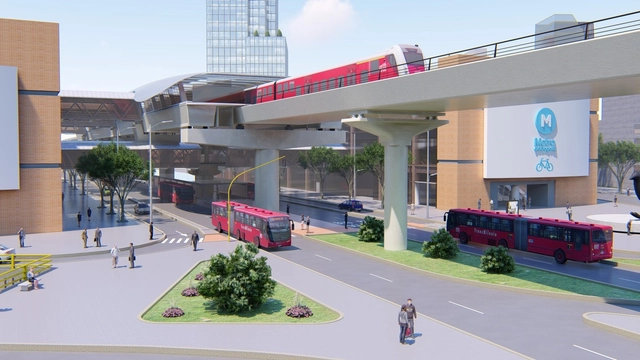
The First Line of the Bogotá Metro, set to begin development in the first half of 2020, will span 24 kilometers, stretching from the southwest to the northeast of the Colombian capital.
The team behind the world's largest architecture website.
The First Line of the Bogotá Metro, set to begin development in the first half of 2020, will span 24 kilometers, stretching from the southwest to the northeast of the Colombian capital.

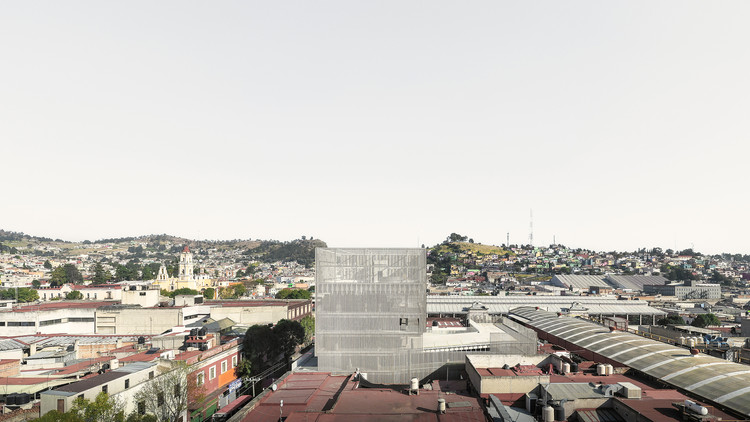
FRPO, the Madrid-based international architecture studio, presents its new mixed-use infrastructure project for the city of Toluca de Lerdo, capital of the State of Mexico. Located at the northern end of Juárez Avenue—which connects the historic district with the university area—the building aims to consolidate the scattered activity around this zone to create a new cultural, economic, and social hub at both the local and metropolitan levels.
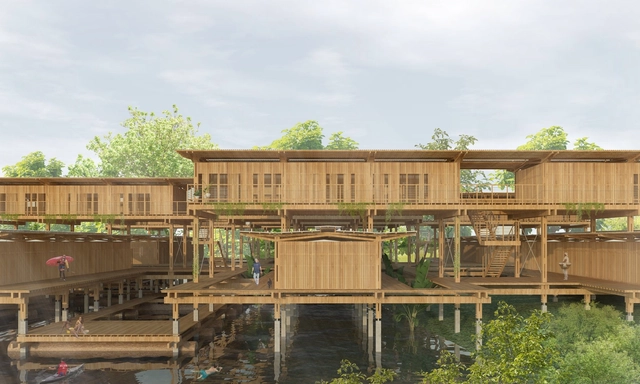
The winners of the LafargeHolcim Awards Next Generation for Latin America have been announced. The winning projects from Brazil, Argentina, Mexico, and Colombia address key aspects of sustainability. The winners of the LafargeHolcim Awards (Gold, Silver, and Bronze) and Acknowledgements for Latin America will be announced at a hybrid event on November 13, 2021, as part of the 17th International Architecture Biennale in Venice, Italy.
.jpg?1612142785&format=webp&width=640&height=580)
Today, the passing of architect and academic Erich Coufal Kieswetter (Vienna, Austria; May 11, 1926 – Guadalajara, Mexico; January 31, 2021) was announced. He settled in Mexico in 1950 and was one of seven European architects who arrived in Guadalajara in the 1950s to found the first School of Architecture at the University of Guadalajara. He was responsible for teaching the freehand drawing class, aiming to improve students' skills and introduce technical drawing to the profession.
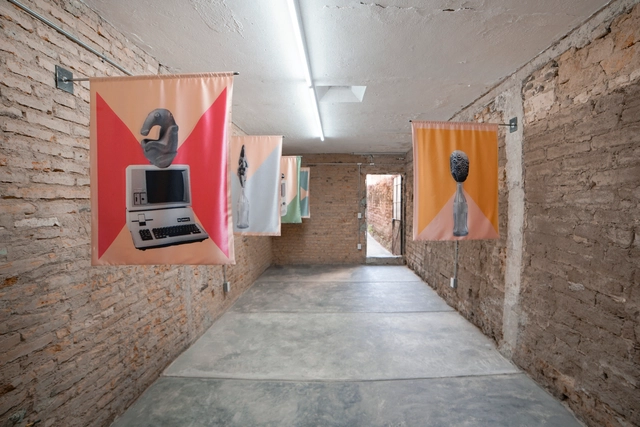
'Instituto de la neoprehistoria' is the title of the exhibition organized by guadalajara90210 in the municipality of Zapopan, Jalisco, Mexico, which emerges as a fictitious entity emulating an institutional structure. The project constitutes a speculative exercise that attempts to reimagine Mexican prehistory as immense and ambiguous, in a scenario where anthropomorphic and intersex beings and endemic megafauna—now extinct—coexist in perfect symbiosis. The name of the institution is based on research by the National Museum of Anthropology's “Departamento de la Prehistoria” (Department of Prehistory), which published a series of volumes on Mexican prehistory between the 1950s and 1970s.
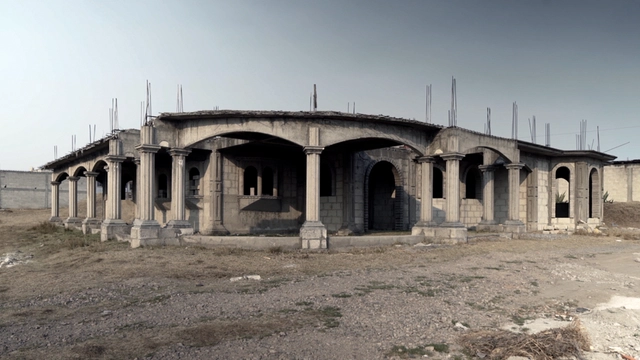
Over the years, driven by research that has brought once-neglected and marginalized issues to the fore, the debate surrounding self-construction and migratory processes has become increasingly vital for exploring the social phenomena reflected in the architecture of underserved, commonly termed "irregular" areas. While a clear polarization remains regarding what a living space should or should not be, we must observe what already exists—not only to contribute to the discussion but, above all, to listen and learn.
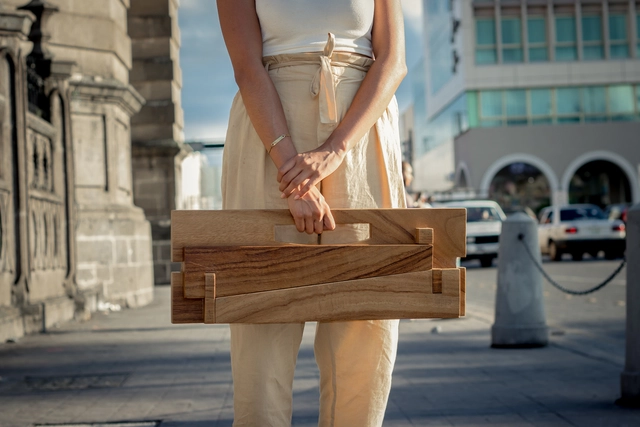
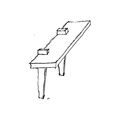
Luis Antonio Moreno Aguayo—architect and co-founder of Taller Matatipac in Tepic, Nayarit—presents his project: the Bípeda chair, which uses experimentation to simplify concepts to their elemental roots, employing critique as a tool to fuel creativity.
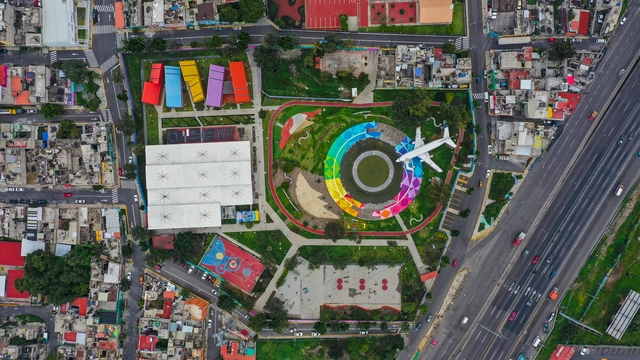
As part of an initiative by the UHPH Platform, co-organized with Habitat for Humanity, the 2021 call for entries was launched for the "Inspiring Practices" competition, held within the framework of the 4th Latin American and Caribbean Housing and Habitat Forum: "Action for Housing and Settlements Facing COVID-19." This initiative seeks to improve urban spaces and equip them with infrastructure that promotes community development.
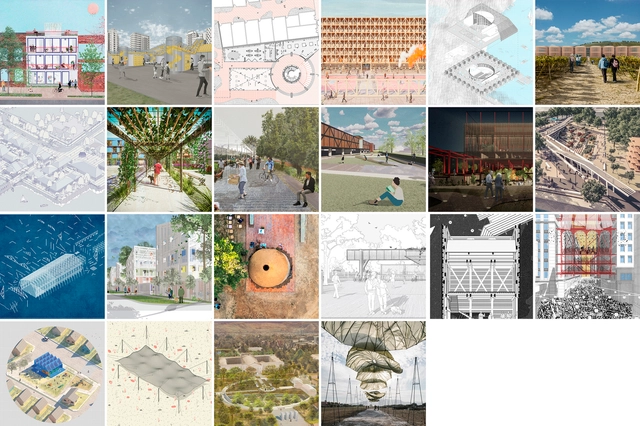
The 2021 National Competition for Undergraduate Projects (CNPP) and National Competition for Thesis Projects (CNPT) by Arquitectura Caliente are open competitions that seek to recognize and reward the best student projects in Chile. In this latest edition, a total of 371 registered projects were submitted, representing 29 schools across the country and 10 different cities.

Architecture firm Sordo Madaleno Arquitectos (now SOMA) has unveiled the design for the new Park Hyatt mixed-use development in Mexico City's Polanco district. Comprising a luxury hotel, residences, and offices, the project marks Hyatt Hotels Corporation's first such complex in the country.
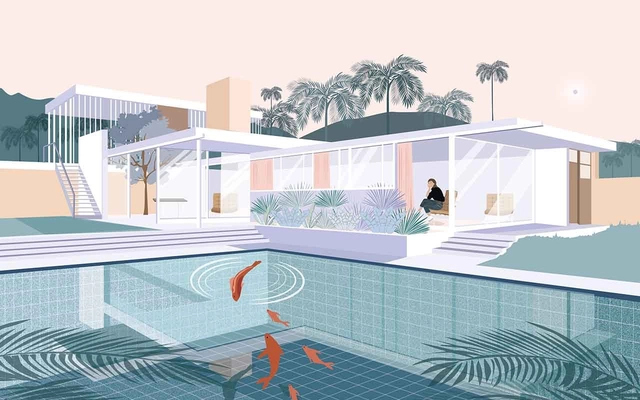
The history of architectural visualization has undergone numerous shifts over the centuries. Its intrinsic relationship with architecture itself has sparked expressions and critiques that, beyond serving as a tool for representing the inhabited world, directly influence how we perceive it and shape the production of the built environment. Every form of architectural representation—whether showcasing the final product or revealing the design process—is directly tied to a specific understanding of quality, class, interpretation, intention, and meaning. While certain trends may seem linked to specific artistic movements, each possesses its own biases, preferences, cultures, and economic, cultural, and personal impulses.
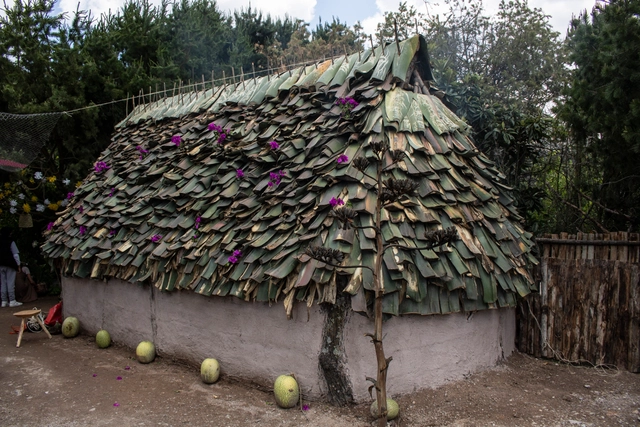
The architecture of Indigenous peoples in Mexico has a vast history that has transformed over the years, sustained by an oral heritage passed down from generation to generation. Various cultural fields are directly linked to this architecture—as it is an integral process involving diverse actors—such as gastronomy and agriculture, which play a fundamental role in shaping these communities. This makes immersing oneself in these dynamics essential to understanding how the spaces that house and connect these activities are produced.
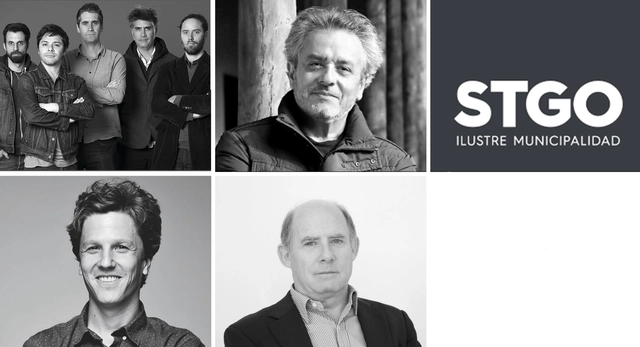
Raimundo Lira, Cristián Izquierdo, the Architecture Directorate of the Municipality of Santiago, José Rosas, and the group Elemental have been honored with the 2021 AOA Medals, a biennial award recognizing professionals, offices, and public or private entities that have been instrumental to the development of national architecture.
The awards ceremony took place during the Annual Assembly of the Association of Architecture Offices (AOA), where the new directors were announced, and president Mónica Álvarez de Oro presented an account of her first year in office.

With the onset of COVID-19, we have had to adapt to a different way of living, which has been reflected in our work style. Where and how do we work today? Many people have begun working from home, provided their circumstances allow it. While this has been comfortable for many, for others it has meant a radical change, entailing new needs for space and resources. For architects, engineers, builders, and contractors, this challenge has been quite complex, as a large part of their work involves handling large, high-cost devices.
In this article, we present 3 innovative solutions that replace the traditional, bulky plotter, allowing us to print in large formats from our own homes.
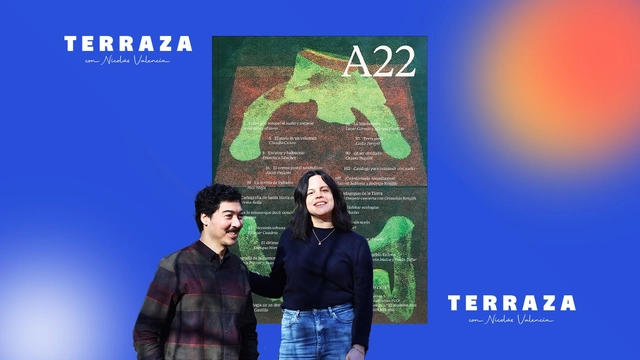
Nicolás Valencia speaks in Lima with Peruvian architects Mariana Jochamowitz and Nicolás Rivera about Revista A of the Pontificia Universidad Católica del Perú and their participation in the 2024 Ibero-American Biennial of Architecture and Urbanism with the workshop "Climax, Fanzine for a Community in Crisis."

We invite you to participate in ArchDaily en Español's Building of the Year Award. In its sixteenth edition, we give our readers the responsibility of recognizing and rewarding the projects that have had the greatest impact on the profession. By voting, you become part of an unbiased network of jurors recognizing the most relevant projects built in Latin America and Spain over the past year. Only a few days remain before the closing of the nomination stage, which will select the 15 finalists for ArchDaily en Español's 2025 Building of the Year Award.
Registered users can vote for their favorite project once a day. The nomination stage ends on April 1 at 23:59 (GMT-3).

Nicolás Valencia talks with Chilean architect Romy Hecht, Dean of College UC and author of El alma del verdor de Santiago, (Orjikh Editores, 2025), where she explores the nature of the landscape in Chile's capital, examining its origins and identifying the key figures responsible for cultivating exotic species and designing planting geometries that, once rooted, shaped Santiago's identity and character.
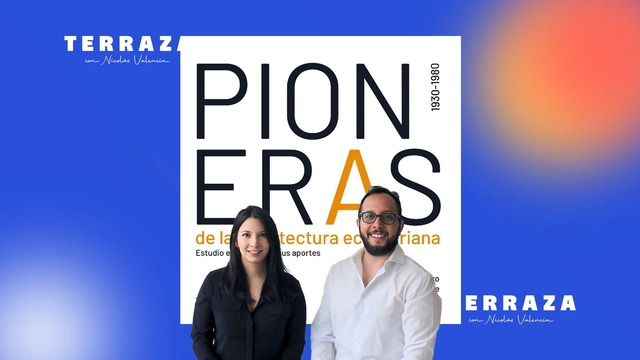
Nicolás Valencia talks in Quito with architects Verónica Rosero and Néstór Llorca, who, alongside María José Freire, co-authored Pioneras de la arquitectura ecuatoriana, published by Trama Ediciones in 2021 and winner of the publications category at the 2022 Pan-American Architecture Biennial of Quito.







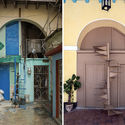
_page_6.jpg?1627570542 "\"Architecture without architects\". Image © Sandra Calvo")