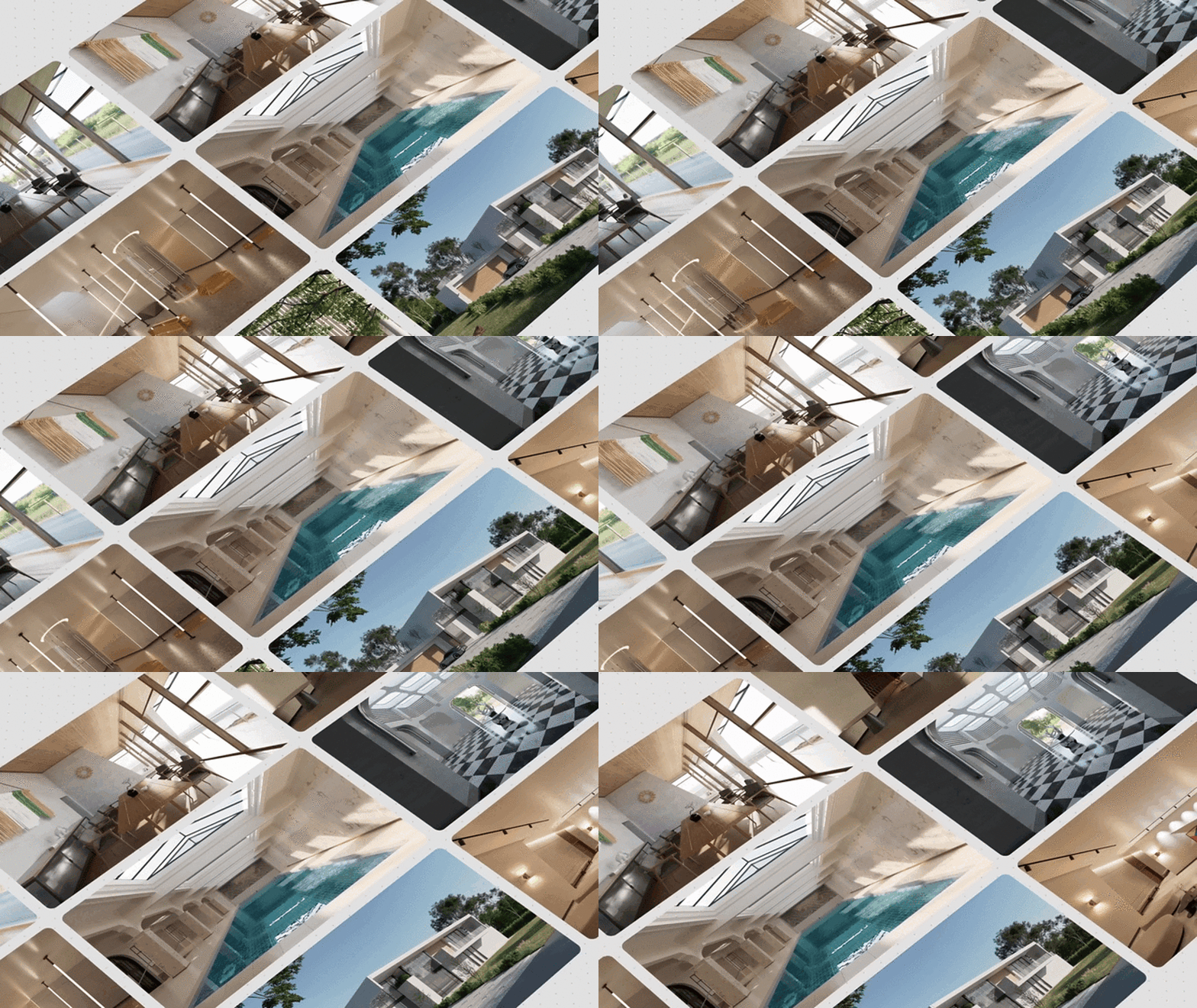
How to visualize architectural concepts in SketchUp using D5 Lite for faster design exploration.
How to visualize architectural concepts in SketchUp using D5 Lite for faster design exploration.
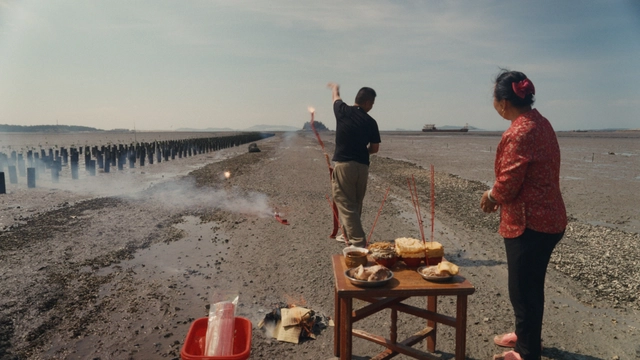
With the heightening of ecological and social crises all around the world, architects have had to re-evaluate their role, impact, and design approach. As the "new needs" of people arise, new architectural processes must be explored to answer them. However, this still comes with much resistance from the standing practices and push for financial gain that often makes it difficult to implement more comprehensive solutions. These notions led the CCA (Canadian Center for Architecture) to launch their new 3-part film and exhibit series called " Groundwork", curated by the associate director, Francesco Garutti. Through this project, the CCA selected and followed three renowned contemporary architects/practices as they developed their concepts and field research, which allowed them to engage respectfully with their site and residing communities. It's an up close and personal look into what motivates the selected architects to examine alternative ways of designing and the challenges they go through as the three parallel stories unfold.
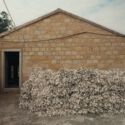
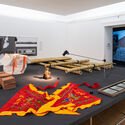
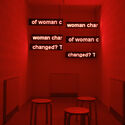
The first exhibit opening and movie screening was held in May 2024, followed by an in-conversation event with the program curator and architect, where the question of "What is architecture today" was discussed. The exhibit and its many showcased elements, channels visitors along to the first site exploration with DnA's Xu Tiantian as she ventures "Into the Island" of Meizhou, China, in the summer of 2022.
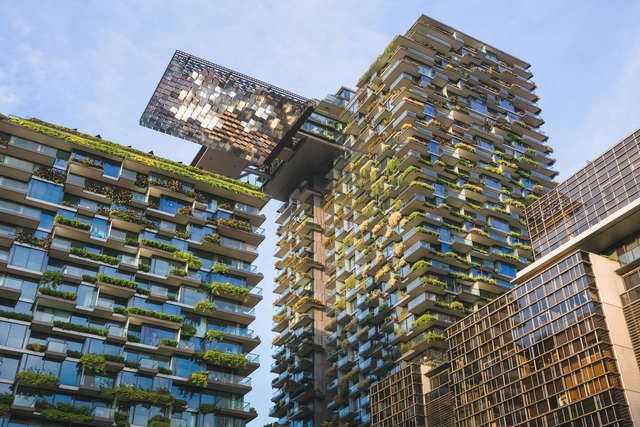
Our contemporary society has been witnessing a surge in skyscraper construction in urban centers worldwide for various reasons—including engineering advancements, increased urban density, space constraints, and, arguably, a competitive drive for building the tallest structures. The allure of all-glass facades and the pursuit of curtain walls with larger panes of continuous glass have often come at the cost of functionality.
In these towers, operable windows are sacrificed for aesthetics and expansive views, with a central core layout that maximizes 360-degree views while creating architectural "solar heat-gain monsters." Without natural or cross ventilation, these glass skyscrapers trap significant heat from solar radiation within habitable spaces, relying almost exclusively on mechanical HVAC systems to cool these spaces. This raises the question: is passive ventilation strategy becoming obsolete in high-rise design, or can operable systems be integrated effectively into our high-tech towers?
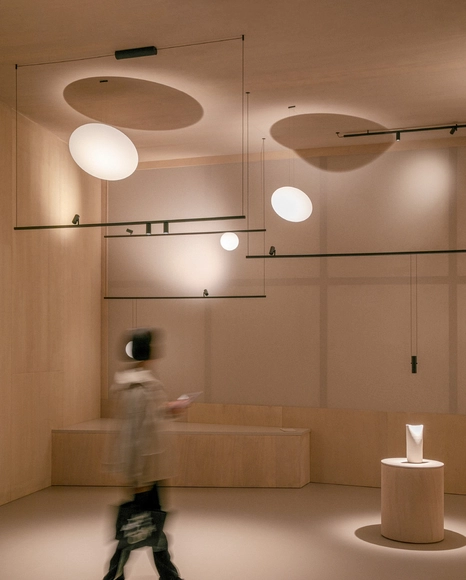
When designing and lighting a space, is the goal to fulfill a specific requirement or to be creative? Both perspectives hold merit; however, a unifying principle should always prevail: people must remain at the center of everything we do. Today, it is well understood that our environment significantly influences our well-being, affecting mood and performance, even in challenging contexts such as outer space. While this standpoint has encompassed anthropometric and biological aspects, new approaches are expanding design beyond the tangible. Lighting is now used to shape atmospheres that resonate deeply with our emotions.
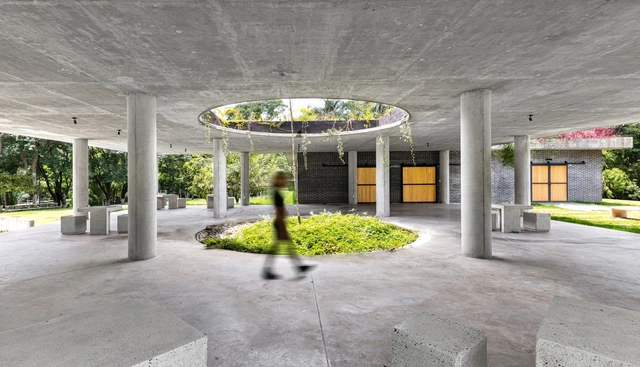
How do community centers emerge? Why do they often represent a need for the appropriation and development of society? In the pursuit of improving the quality of life in the most vulnerable communities, community centers present themselves as an alternative capable of providing healthcare, educational, cultural, and recreational services, along with spaces that contribute to the present and future development of communities. In Mexico, numerous community centers are created and supported by government institutions, civil foundations, or private companies, as well as co-management initiatives that aim to integrate children, youth, adults, and older adults into spaces for gathering, socializing, and recreation, where they can engage in activities from learning to developing individual and collective skills.
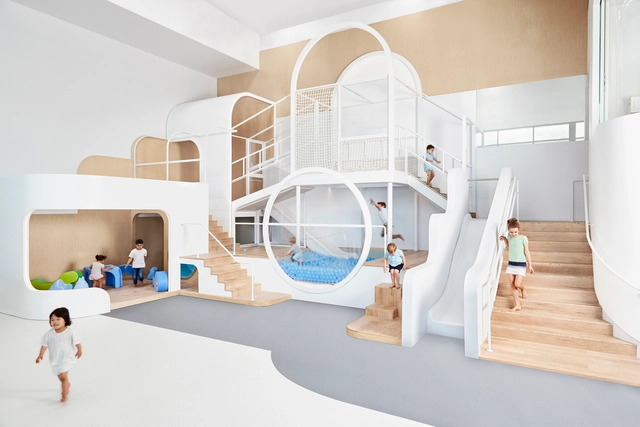
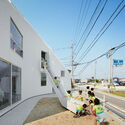
Designing for children is certainly not child's play. While adults lead the design process, the end-users are often children, as seen in kindergartens, schools, and parks. Architects have the responsibility to create built environments that provide children with opportunities to play, explore, and learn, even in today's digital age.
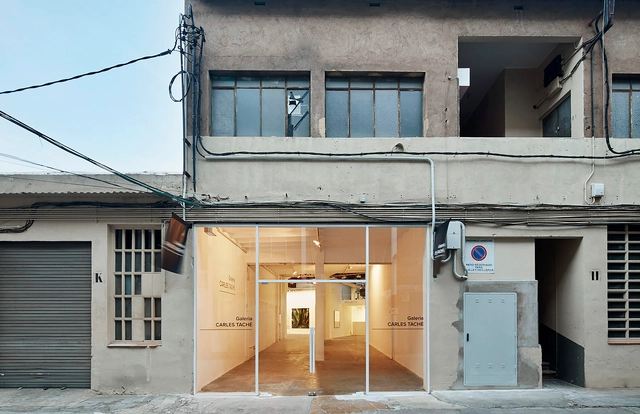
The relationship between art and humanity dates back to the origins of civilization. Museums have become spaces where vast collections of art and artifacts narrate the history of time, humankind, cities, and countless stories about cultures and societies. Over the years, the museum's role has evolved, taking on different forms and scales, including the modern-day art gallery. The importance of art and culture in contemporary cities and neighborhoods is undeniable. However, galleries serve multiple roles in integrating art and culture into daily life. Why are these spaces valuable to communities? How do they support emerging artists? How can galleries revitalize neighborhoods?
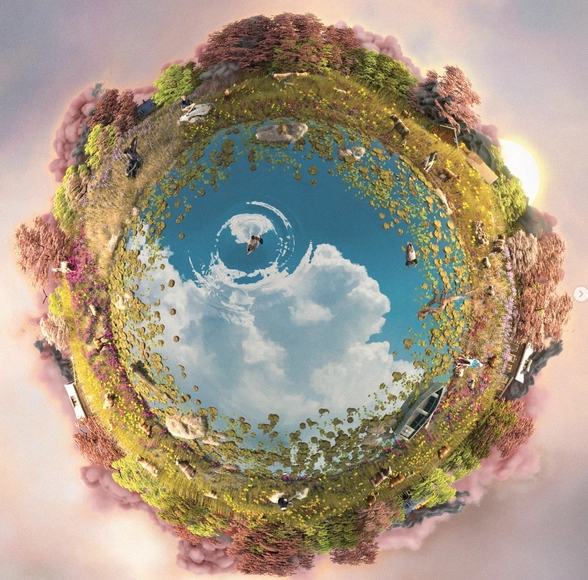
Can you imagine a learning experience where traditional architectural knowledge merges seamlessly with gaming, AI, simulation, and augmented reality (AR)? This is exactly what SCI-Arc's MA2 curriculum offers. This innovative blend not only equips students with essential skills in traditional design, theory, and practice, but also provides them with the tools to delve into cutting-edge technologies that are reshaping the design industry.
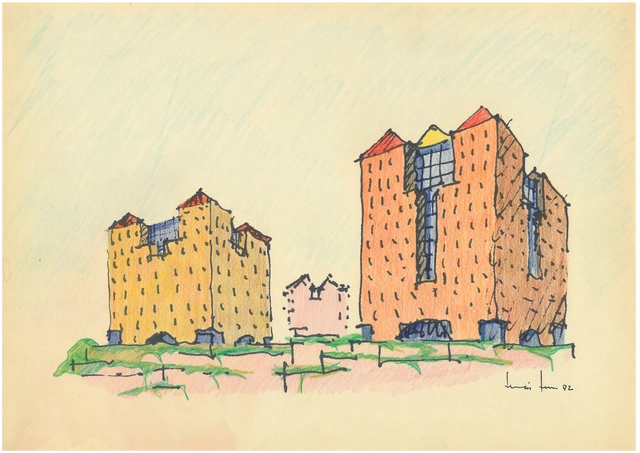
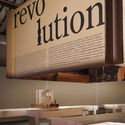
What has architecture done for democracy in Portugal—and what has the democratic era done for Portuguese architecture? These are the questions guiding the exhibition O que faz falta. 50 anos de arquitetura portuguesa em democracia [What is Needed: 50 Years of Portuguese Architecture in Democracy], organized by Casa da Arquitectura, which celebrates the fifty years since the 1974 Carnation Revolution.
Curated by Jorge Figueira with co-curator Ana Neiva, the exhibition highlights the intimate relationship between architecture and the democratic regime in Portugal, exploring how Portuguese architects contributed to democratic consolidation by transforming the country's public and private spaces over five decades.
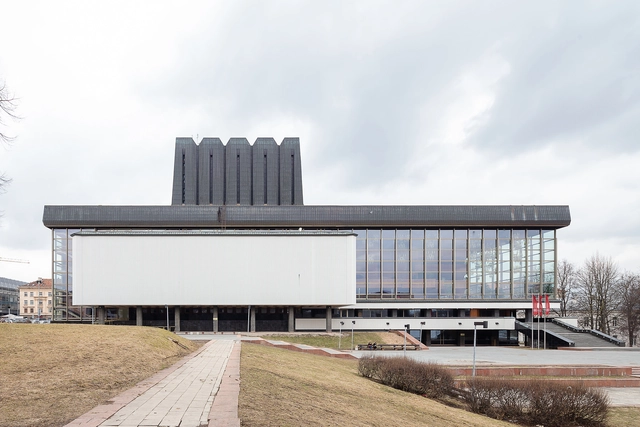
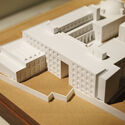
Standing out among the array of cultural programs, the opera and theater typology is often understood as encompassing the luxurious and elitist spirit of a bourgeois society focused on entertainment. Across the Soviet Union, this represented the opposite of the principles to be promoted. However, despite the opposition of the political class, the program remained widely popular. As the historical structures, symbols of the previous regime could no longer be promoted, the search began for a new image of the Opera House, one aligned with Socialist ideals and the concept of "art belonging to the masses."
This is the case of Soviet Lithuania, which, in the 1940s, began the process of developing a new Opera and Ballet Theater in Vilnius to replace the theatre in Pohulianka. The process resulted in an unusual commission, as young architect Elena Nijolė Bučiūtė won the 1960s competition for architectural design, turning the initial socialist realist proposals into a welcoming and expressive design, blending elements of early and late modernism. This also represents a surprising accomplishment for a young architect who was a woman and not a member of the Communist Party. Open House Vilnius featured the project in its program for several editions.
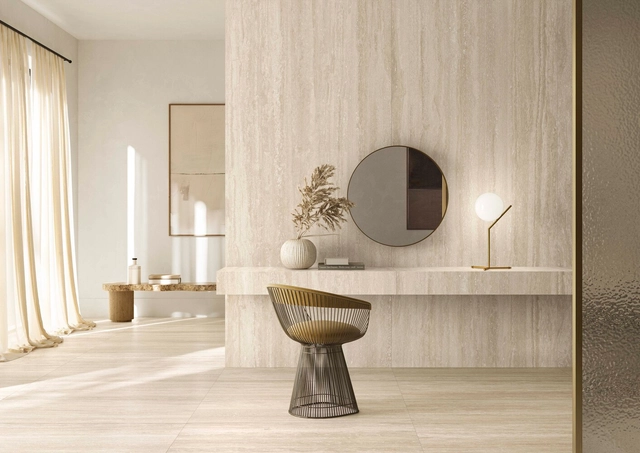
Travertine —known as lapis tiburtinus by the ancient Romans— has endured for centuries as one of the most iconic materials in Italian design heritage. This limestone has left a lasting mark on architectural history, from the monuments of the Roman Empire to contemporary works like the Church of 2000 and the Ara Pacis Museum. Over time, its aesthetic has evolved alongside art and design, adapting to technical advancements while preserving its essence and relevance in modern architecture.
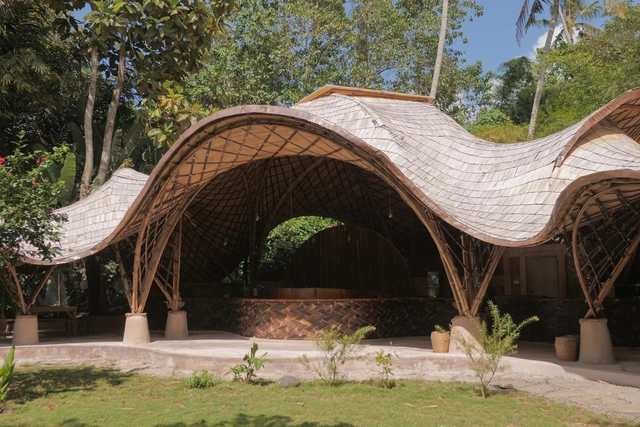
Motivated by the shared goal of creating a better, greener future, architects, designers, and sustainability enthusiasts from all over the world came together to exchange ideas and skills regarding the future of bamboo as a construction material. Titled Bamboo U, the 11-day course included teaching participants how to grow bamboo, treatment methods, bamboo design and model making, engineering, carpentry, and construction. The ArchDaily team participated in the workshop, which ran from August 16 - 27, 2024, and documented the full course from start to finish.
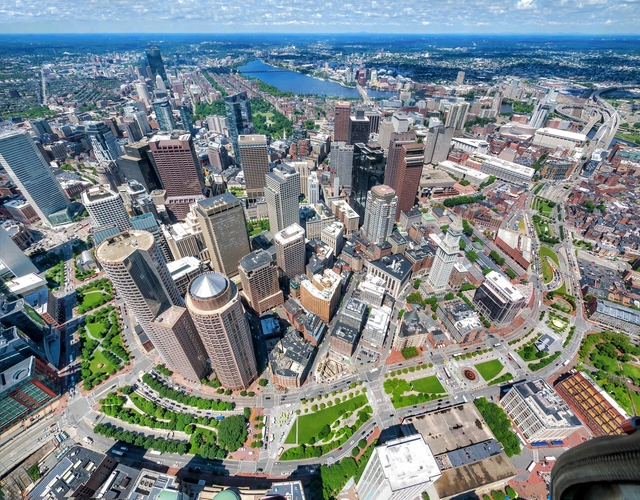
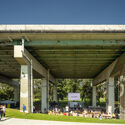
Greenways, as a typology of urban design, have become an essential element in the planning of modern cities. They emerge in response to the increasing fragmentation of urban landscapes by elements such as highways. They usually integrate natural and constructed spaces, providing much-needed connections across various parts of the city. At the same time, they promote pedestrian accessibility, recreation, and social interaction. The Rose Kennedy Greenway in downtown Boston, United States, exemplifies this human-centered approach to design. The project, which began construction in 1991, showcases the potential of greenways to reconnect urban environments and enhance community life. As a series of parks designed by various architecture firms, it aims to create physical links and meaningful spaces that foster social development and a sense of place.
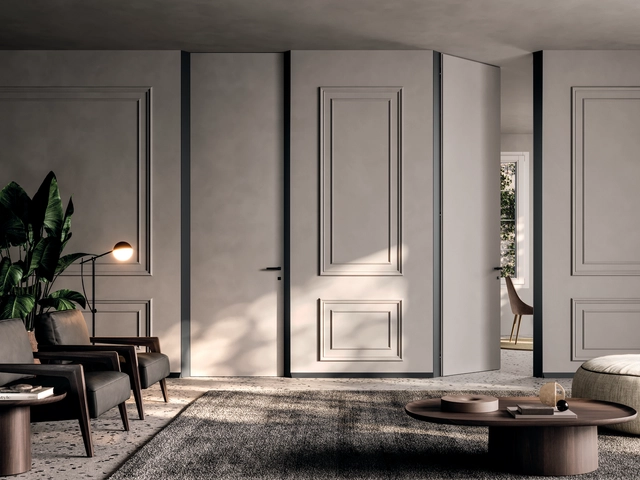
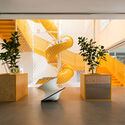
Creating an unbroken line between floor and ceiling is one of the most elegant ways to manipulate the spatial qualities of a contemporary interior. Floor-to-ceiling glass is a recurrent motif in the modern high-rise home, offering views out to some of the most spectacular skylines in the world. Full-height doors, meanwhile, are just as contemporary and sensational, but have more nuance and engineering involved. They don't draw the eye outside and beyond a space; instead, they create an immediate impact when you enter it. Instead of creating a frame to pass through, from room to room, these doors rise vertically and occupy the whole span of a wall. They represent cutting-edge holistic interior architecture, creating a sweeping, art-directed shift as you glide through them.
As Kharkiv embarks on the long road to recovery following the devastating conflict in Ukraine, a global design competition has been initiated by the Norman Foster Foundation and Buildner to reimagine one of the city's most significant landmarks—Freedom Square. A symbol of Soviet-era urban planning, the square, along with the Regional Administration Building, was heavily damaged by a missile strike on March 1, 2022. The attack left the building in ruins and the square scarred by conflict.
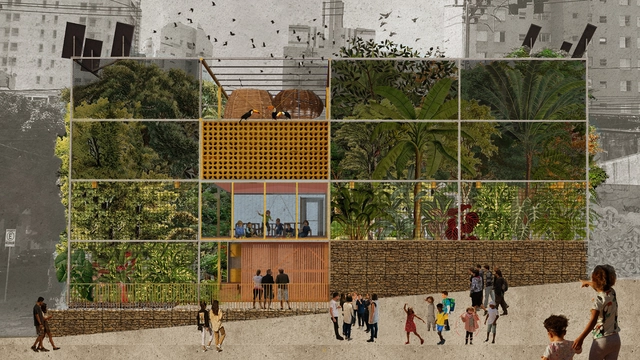
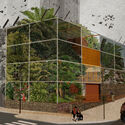
Around 80% of the Brazilian population lives on what was once forest and is not even aware of it. In Brazil, history has been—and continues to be—forged by opposing the city to the forest, within a civilizational matrix fundamentally based on the devastation of native ecologies and their replacement by monocultures and invasive species. In just a few centuries, we have transformed a megadiverse forest continent into sterile environments through urban standardization, bleak architecture, and unsustainable landscaping, imposed as a design project. We live on former forests but resist thinking of cities as forest ruins. [1]
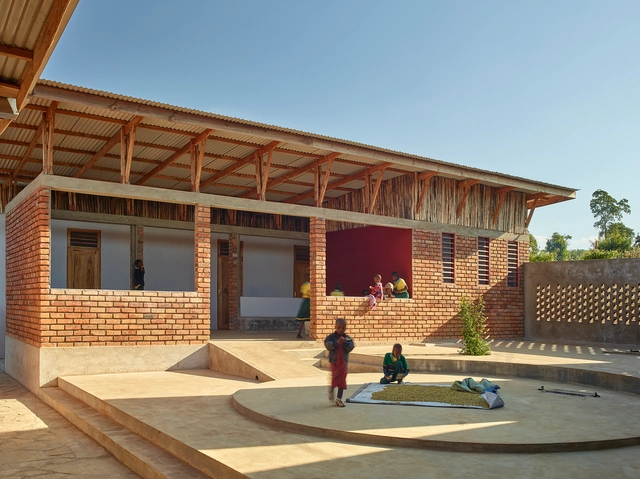
Architecture in children’s shelters serves a purpose beyond building physical spaces; it is about creating refuges that nurture healing, protection, and growth. For vulnerable children, designing these environments plays a vital role in their emotional recovery. Every aspect—from natural lighting to room layout—works together to create a secure and welcoming atmosphere, supporting their physical well-being and psychological and social development.
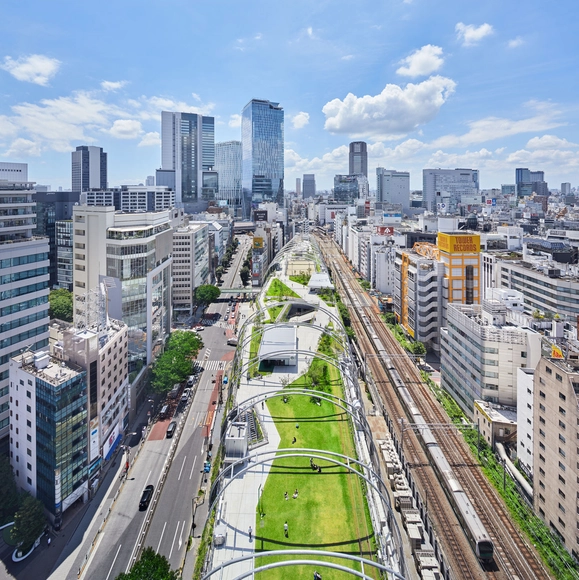
In recent years, Public-Private Partnerships (PPPs) have become a significant model for delivering large-scale infrastructure projects around the world. These partnerships bring together the strengths of both the public sector, represented by governments or municipalities, and the private sector, combining their resources, expertise, and investment power. In the context of architecture and urban development, PPPs are increasingly being used to address the complex needs of growing cities, helping to finance, build, and maintain critical projects that would be difficult for either sector to accomplish alone. But what exactly are PPPs, and how do they function in the built environment? This article explores the concept of PPPs, providing examples from across the globe to illustrate how these partnerships are shaping the future of urban spaces, sometimes beyond commercial gains. Furthermore, by exploring the different projects, the article aims to develop a framework around PPPs' positive and negative potential impacts.
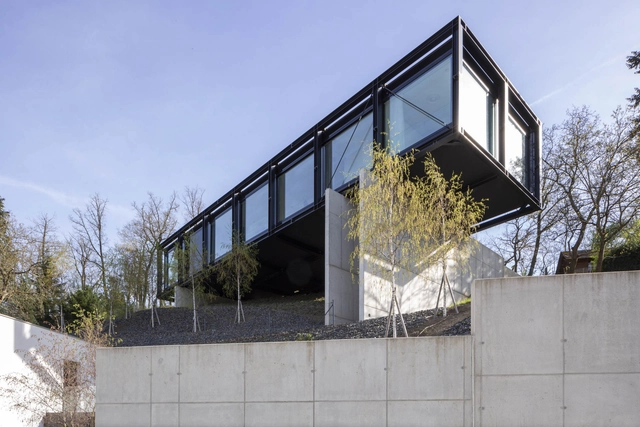
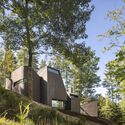
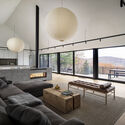
In the Czech river valley of the Berounka near Prague, Stempel & Tesař Architekti have created an extraordinary private residence. The elongated structure is primarily made of steel and glass, featuring oversized air-lux sliding windows. The entire volume juts out into the landscape like a pier.
Villa Sidonius embodies the purest form of view and overview. For good reason—the landscape along the Berounka River is characterized by the flora and fauna of various nature reserves. The town of Černošice, located on the southwestern outskirts of Prague, is also nestled in greenery. This environment inspired Stempel & Tesař to design this single-family home, resembling a pier stretching out into the landscape from a hillside.
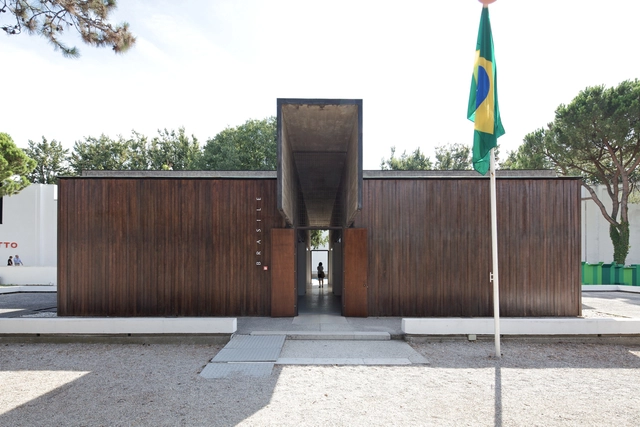
"The history of architecture is incomplete. Not wrong, but incomplete," said Lesley Lokko when announcing The Laboratory of the Future, the theme of the 2023 Venice Architecture Biennale. Echoing the curator's statement, a new study published by Studio Autonoma, led by Paulo Tavares, reveals deep disparities in representation within the Brazilian pavilion at the world's largest architecture event.
Titled Historical Census of the Brazilian Pavilion at the Venice Architecture Biennale (1980-2021), the study reveals a significant discrepancy in the profile of curators and participants over these three decades, with a predominance of white men from Brazil's Southeast region, particularly from São Paulo.

From inked drawings on tracing paper, to highly detailed digital 3D models, the role of the architect has evolved, and next-gen design software is empowering today's architects with valuable data and design flexibility. In the past, the work was meticulous and required great manual effort, with every line and detail drawn by hand using rulers and other tools. Over time, programs like Revit revolutionized the field by enabling the creation of precise and digitally organized drawings, simplifying edits and the replication of components.
Over the past twenty years, the Holcim Foundation Awards has committed USD 20M to spotlighting projects from an industry-changing cast of architects, designers, and engineers who champion innovative practices in sustainable design and construction.
To better tell these success stories, the Foundation launched a short film series called 'Words with Winners.' The series includes a conversation with Loreta Castro Reguera, co-founder of Taller Capital in Mexico City, about the design of the highly innovative La Quebradora Waterpark, which received a Holcim Foundation Award in 2018.
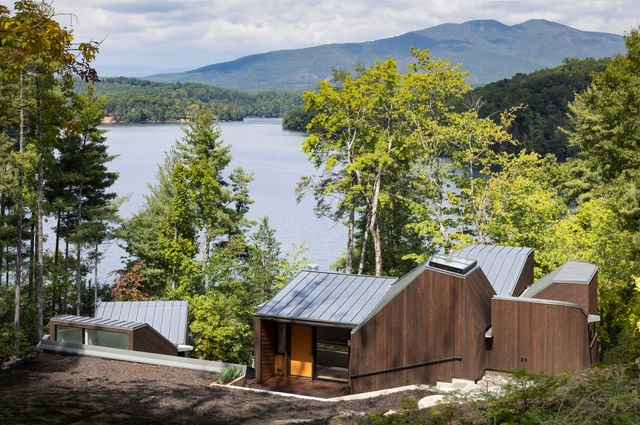
Every year, over a thousand people complete the 2,192-mile (3528-kilometer) Appalachian Trail between Springer Mountain in Georgia and Mount Katahdin in Maine. Millions more follow the trail for a shorter stretch by spending time at the countless overlooks, walking along the wooded ridges, or meandering through the small town centers, making this network one of the world's most visited and widely recognized trail corridors. However, the proposal for this expansive trail corridor, originally entered in a 1921 Journal of the American Institute of Architects article by Benton MacKaye, was far from a mere recreational outdoor amenity. This "project in regional planning" was a radical critique of the industrializing modernity that sharpened the divide between expanding cities of the Eastern coast and waning towns of the Appalachian mountains.
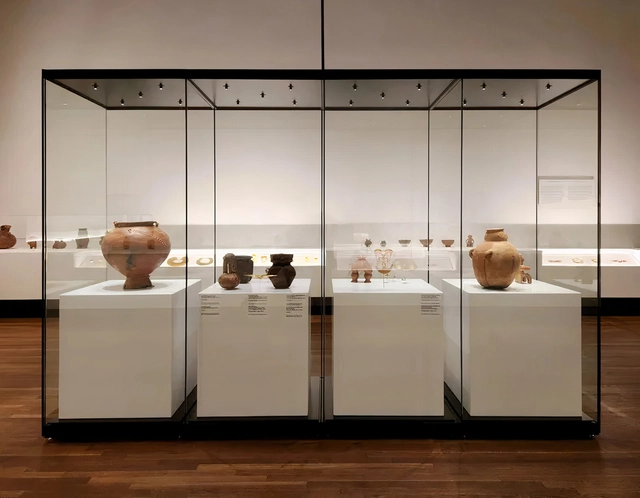
Exhibition spaces convey carefully curated content with the goal of educating, inspiring, and engaging visitors, using objects and displays to tell stories. In addition to promoting education, cultural preservation, and aesthetic appreciation, these environments encourage creativity and interaction. With immersive and interactive experiences, they allow visitors to form meaningful connections with new knowledge, different perspectives, and important cultural heritages, creating both intellectual and emotional engagement.
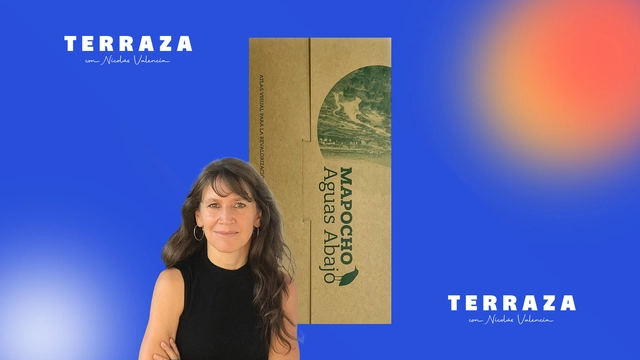
On this week's episode of the TERRAZA podcast, Nicolás Valencia speaks with Chilean architect Sandra Iturriaga about the book Mapocho Aguas Abajo (Ediciones ARQ), a publication developed by the Mapocho 42K Lab at the Pontificia Universidad Católica de Chile that proposes revaluing the heritage and landscape of the downstream stretch of the Mapocho River in Santiago, Chile.