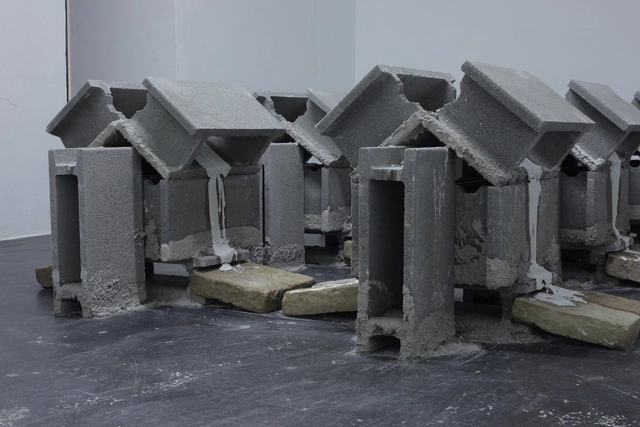
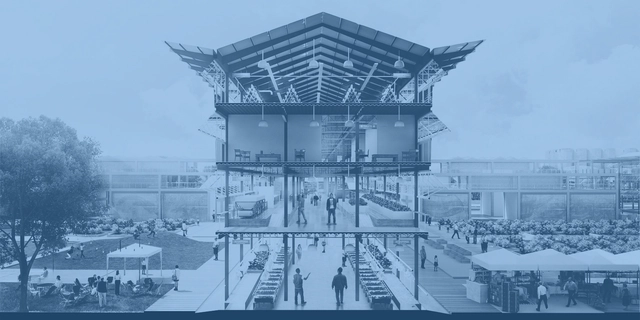
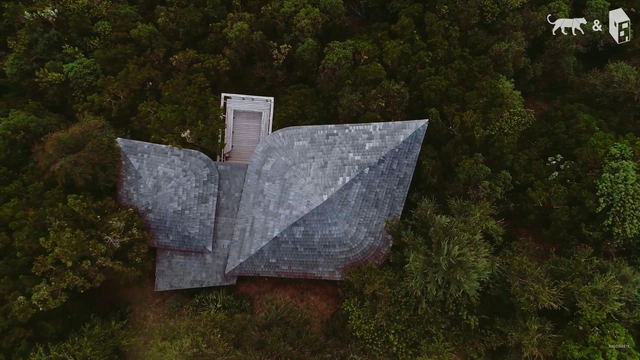
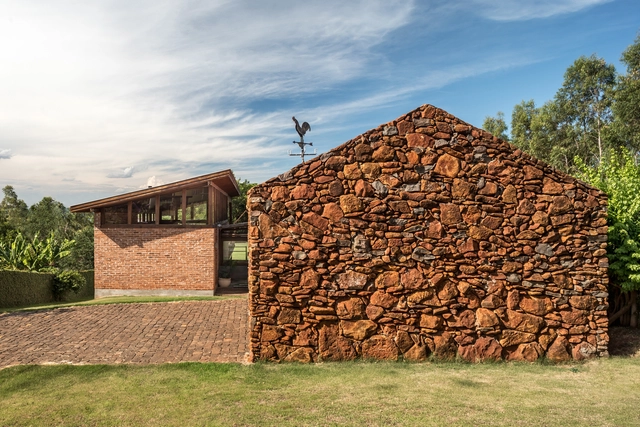
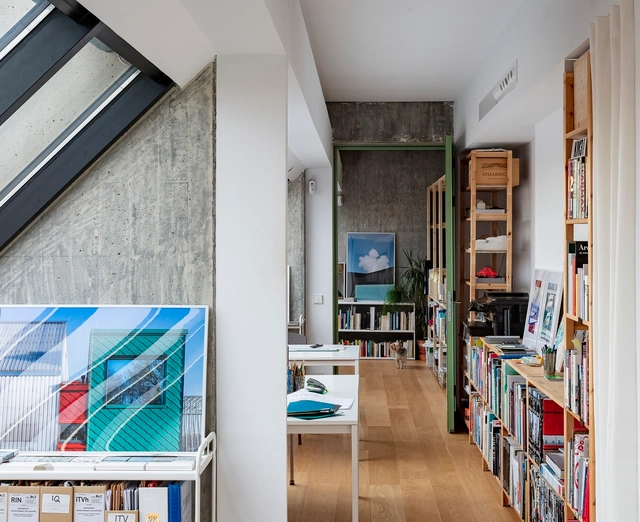
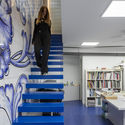
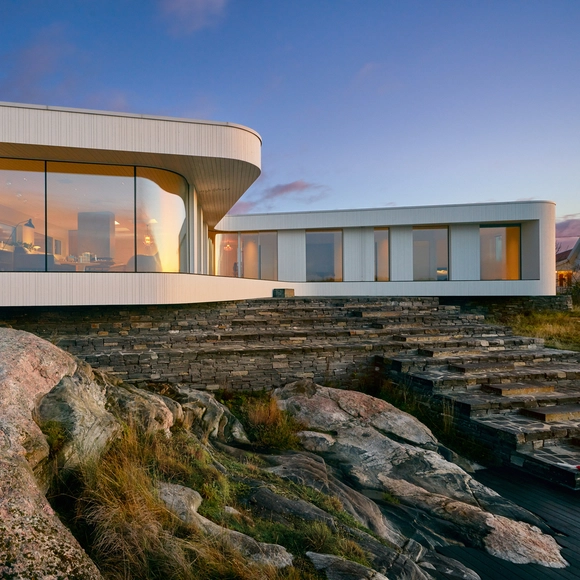
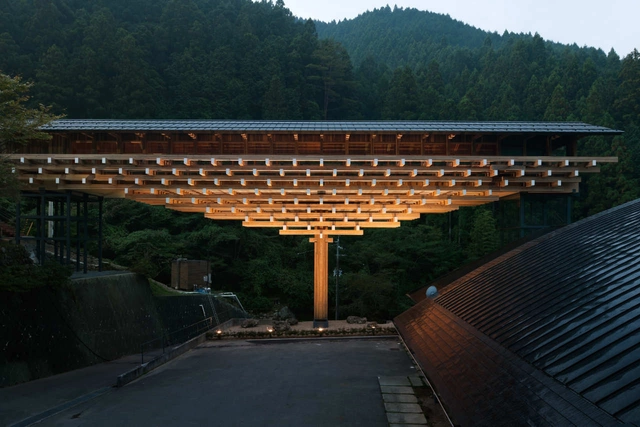
As the world of construction becomes more automated, driven by economy, speed, and bureaucracy, architect and professor Marc Leschelier has created an exhibition at the Architektur Im Magazin Vienna, Austria, which inverts this trend. Titled “Cold Cream” the exhibition creates a secluded space, dissociated from the world, where the practice of construction is reduced to the struggle between soft and hard matters as well as spontaneous rises. The exhibition is therefore not an act of architecture, but rather approaching a form of pre-architecture.
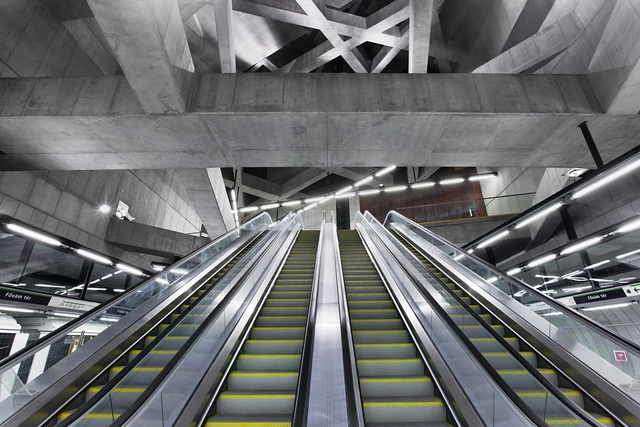
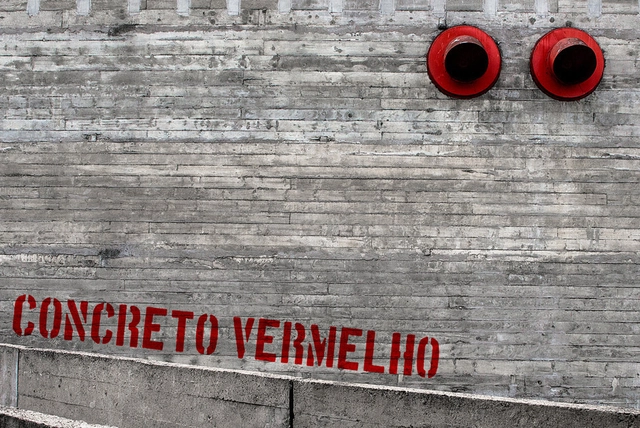
This time last year, Hungarian Prime Minister Victor Orbán stood at a podium in a pristine new subway station. Raw concrete beams criss-crossed above him; state-of-the art, driverless trains stood silently beside him. It was the opening ceremony for Line 4, a subway line that due to delays, corruption, and disputes had been 40 years in the making.
“The people of Budapest began to accept the thought that only their grandchildren would use Budapest’s new Metro line, or not even them.” Orbán told the crowd. He recounted an old joke that embodied the cynicism that once surrounded the project: Chuck Norris had been on Metro Line 4.
Orbán credited the line’s completion, which occurred only a few weeks before the 2014 parliamentary elections, to “the solidarity and unity that was established in 2010 [when Orbán’s government took power] and has since been maintained.” He didn’t mention how, under his first government (1998 to 2002), he had withheld funds from the project, contributing significantly to its delay. Nor did he mention that his party had fought against the idea that the line, an expensive infrastructural project, needed architecture at all.
Today, though, the line’s stunning architecture is its most noticeable feature. Line 4 is not just a watershed achievement in Hungary’s history, but also a symbol of what it takes to make contemporary architecture in Hungary today. Both literally and figuratively, contemporary architecture had to go underground.
Gonzalo Nicolau. Image adapted from the project 'HABANA PUERTO DE COMIDAS' (Habana Food Port). Published in The 10 Best Thesis Projects Designed by Architecture Students in Argentina 2017
We believe that the creative output of universities in Central America and the Caribbean is immense yet often overlooked. Therefore, we feel it is essential to launch a call for submissions to showcase the best graduation projects coming out of these institutions.
Academic proposals can be profound intellectual and critical works. This call aims to prevent them from remaining tucked away, gathering dust on shelves, and losing the opportunity to spark real change in our cities and in how we live and think.
If you believe your 2019 graduation project is compelling enough to be featured on our site, and that your hard work deserves recognition from the wider community, do not hesitate to submit it using the form at the end of this article.
Chiloé is a production by Glaciar Films, directed by Diego Breit and David Guzmán, consisting of five episodes that showcase the architectural identity of the Chilean island and its key figures. Architects, carpenters, artisans, and residents weave together a narrative charting the island’s building history and how it now faces imminent change and the adoption of modern paradigms.
One of the oldest building materials, stone has endured throughout architectural history due to its strength and durability. Frequently used in protective structures such as fortifications and walls, stone has also historically served as the foundation for a variety of buildings—including residential ones, where it has been employed since the earliest shelters.
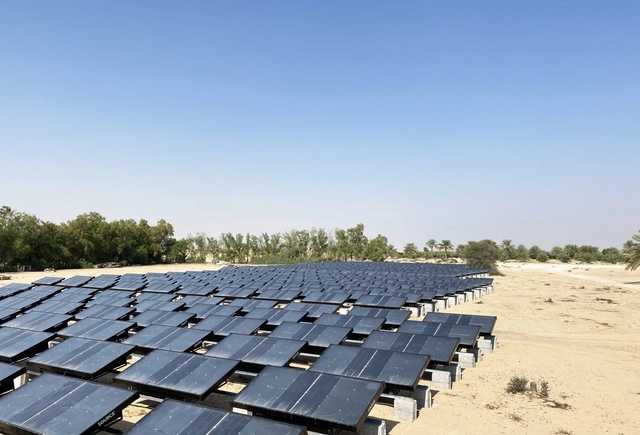
As the climate crisis continues to unfold, professionals in architecture, engineering, and sustainable design have relentlessly searched for new ways to mitigate the negative effects of modern industrial production. One group of such innovators, Zero Mass Water, have contributed to this effort through their creation of ‘the world’s first and only hydropanel’ - an apparatus called SOURCE.
https://www.archdaily.com/932519/generating-water-from-air-humidity-to-face-global-droughtLilly Cao
Around the world today, the "Climate Emergency" continues to embody a renewed worldwide focus on tackling climate change. With 36% of global energy devoted to buildings and 8% of global emissions caused by cement alone, the architectural community is deeply entwined with the flows of materials, energy, and ideas that relate to climate change, both causes and solutions.
https://www.archdaily.com/933459/the-carbon-cost-of-key-raw-materials-in-architectureNiall Patrick Walsh
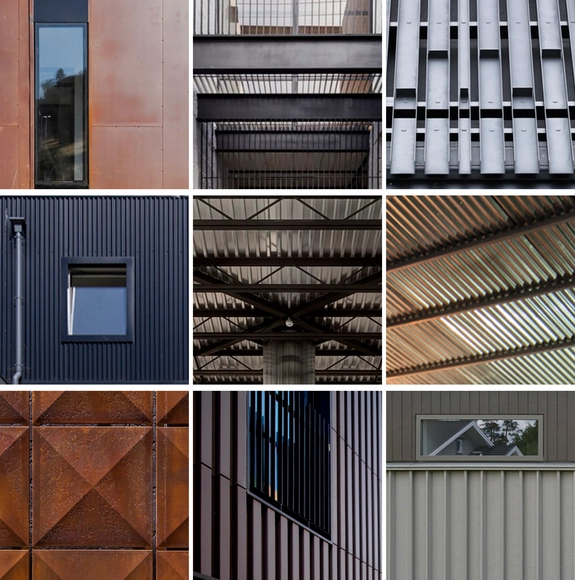
The use of steel in both the past and present is mainly associated with the success of grand industrial and civic structures. But due to the commercialization and standardization of steel profiles, its use in residential projects (thanks to its mechanical properties and fast installation) has resulted in complex and interesting solutions on a domestic scale.
Dive into these 15 construction details from residential projects that have made use of steel structures and cladding.
The municipality of Rio do Antônio, located about 700 kilometers from the capital of the state of Bahia, still retains remnants from the era of slavery in Brazil. This period left deep marks that remain visible in the town's daily reality, including its architecture.
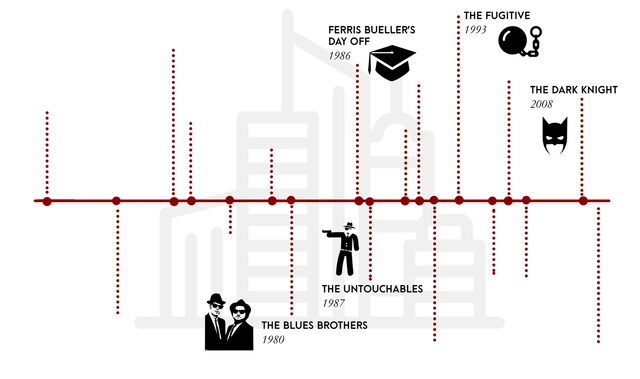
Timeline showing iconic films set in Chicago. Created by the authors. Image Courtesy of Kathryn H. Anthony, Fernando Nebot Gómez, and Yashasvini Rao
Chicago is one of the most photogenic cities in the world. Its sparkling lakefront, dramatic skyline, diverse ethnic neighborhoods, and gritty industrial sites have long captured the attention of locals and visitors alike, including Hollywood movie producers. Here the city often serves as not only a backdrop, but also as a starring role--almost as important as the characters themselves.
https://www.archdaily.com/930654/from-gangster-city-to-gotham-city-the-changing-image-of-chicago-in-hollywood-filmsKathryn H. Anthony, Fernando Nebot Gómez, Yashasvini Rao
Suba- Nuestro Jardín-NerioGuevara. Image Cortesía de Bicistema
In large Latin American cities, marked by deep class polarization, insecurity becomes one of the direct outcomes of a lack of inclusive planning. In Bogotá, socioeconomic classes are divided into strata from 1 to 6—with 1 representing the most vulnerable population and 6 the most privileged. Bicistema has carried out four interventions in the localities of Kennedy, Suba, Teusaquillo, and Tunjuelito at public space points critical to women's safety.
For a chance to showcase your work to a global audience, now is the time to enter your design for an A’ Design Award. The international competition was "born out of the desire to underline the best designs and well-designed products" of designers, architects, and innovators from all design fields. Among other design competitions and awards, the A' Design Award stands out for its exceptional scale with over 100 design categories.
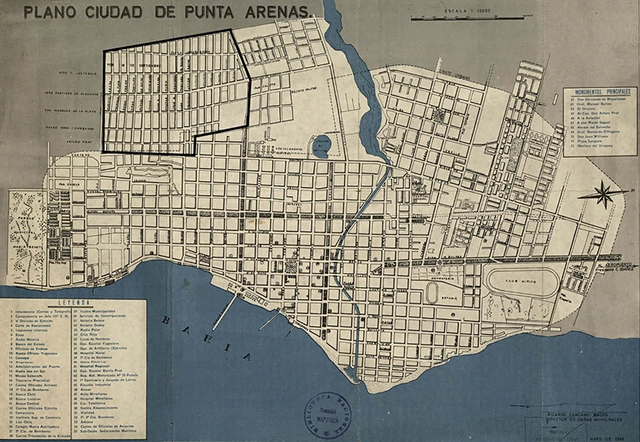
Barrio 18 como límite urbano en el año 1969. Image Cortesía de Alejandro Parada Valencia
Residents of the city of Punta Arenas collectively developed—in collaboration with writer Víctor Hernández and architect Alejandro Parada—a literary and graphic reconstruction documenting the heritage icons that represent the founding and evolution of the 18 de Septiembre neighborhood. The project, titled "Rutas Patrimoniales Barrio 18 de Septiembre, Punta Arenas", is framed within the Regional Cultural Identity Strengthening program of the Magallanes Region's Regional Ministerial Secretariat of Cultures, Arts, and Heritage, and is part of the 2017-2022 Public Policies for Cultural Promotion.
Sala Beckett: Definición del vestíbulo central. Image Cortesía de Flores & Prats
When we approached the Flores & Prats firm, we wanted to focus on their precise drawing just as much as their detailed mock-ups. We wanted to see a project that not only "values the time invested and accumulated in it but also sees said time as a virtue and not a defect;" an indication of paying attention to the process as well as the unexpected. (In this sense, it reminds me of reading about how to draw a forest, among other things, in "Las tardes de dibujo en el estudio Miralles & Pinós").
We conducted a long-distance interview with the Eva Prats and Ricardo Flores studio for this reason; to get a better idea of their thoughts on the impact of drawing on architectural representation.Their input makes clear the "why" of their decisions, and explains not only how they operate in a contemporary context but also indicates their relationship with construction among other disciplines.
Few materials respond as well to a multiplicity of uses as wood. It ranges from the smallest decorative objects to the structural elements of high-rise buildings, bringing a distinctive character to architectural designs when left exposed. Its rich variety of tones, densities, and patterns, combined with its organic nature, make wood a unique and singular element that instantly lends warmth, coziness, and hospitality to any space.
Alexandra Cohen presents her master's thesis on the systematic cartographic analysis of the morphological intersection between the Cerdà urban plan and pre-existing urban structures in Barcelona, Spain. Through her cartographic work, she aims to demonstrate how two highly distinct urban forms can integrate to bring immense value to the city, preserving history within a modern plan.
The right to fully experience urban space and all the possibilities it offers has always been a distant reality for the vast majority of Brazilians. Recently, however, we seem to be drifting further and further from this reality. There is a sense that every day we witness more threats to the population's right to the city, ranging from fundamental issues, such as the freedom of movement in São Paulo, to symbolic dimensions like the presence of low-income populations in wealthy neighborhoods, as seen in Salvador. We must speak openly about these threats and name them as such (words have power!), while also imagining pathways for confrontation and political resistance. What is on the horizon at the start of 2020?
https://www.archdaily.com/1123388/the-right-to-fully-experience-urban-spaceRodrigo Faria G. Iacovini
Every working day presents new challenges for architects, fabricators and distributors. The key to success in the building industries is the optimum and timely implementation of projects and the satisfaction of clients and customers. Versatile, easy to work with materials like wood can streamline the process without sacrificing design or options. Wood, in addition to being a structural material, can also be utilized in the form of wooden composite boards and wood-based products. EGGER is a company with a history of producing multiple different types of wood products with unique purposes and applications within a design.
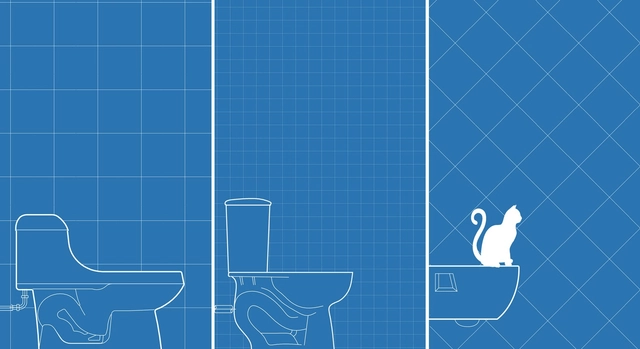
We may not give them the importance they deserve, but toilets are fundamental to our daily lives and our health. There are two "golden rules" that articulate their usefulness: they 'separate' us immediately from our waste, and they transport them for treatment, preventing them from contaminating the environment or making people sick.
In addition to being a good place to think about new ideas, browse Instagram, and answer emails, the toilet helps us stay healthy, an attribute we take for granted until we lose access to it.
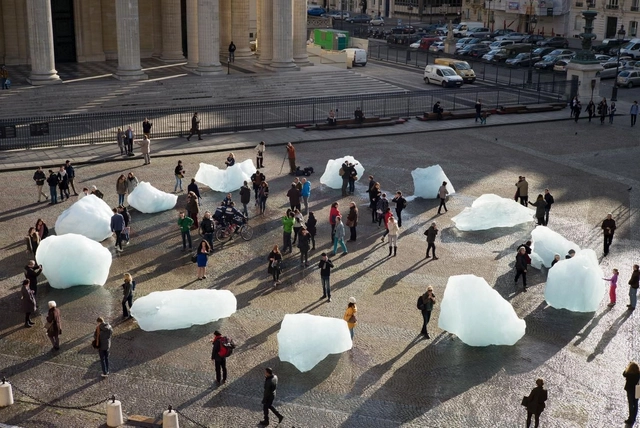
Studying the data that indicates a climate crisis that has been affecting the whole planet for the last decades, the reactionary attitudes may sound disappointing. However, at the same time that the news indicates a global average temperature rise, the political focus on the climate crisis is also intensified, according to the UN Environment report released in 2019, which is a reflection not only of the occurrence of manifestations and protests around the world but also of the so-called activist art expression.
When we were still nomads, we fought our first battles with sticks and stones. The reasons for aggression against members of our own species can vary, ranging from securing resources and territory to seeking revenge or even power. Battles between different tribes have accompanied human evolution on Earth. Ever since the creation of cities, warfare and the combat equipment of each era have been important factors to consider in the planning of urban centers.
https://www.archdaily.com/1124208/how-wars-shaped-our-citiesPaulo Sa Vale
Today's designers have inherited unprecedented global challenges, a legacy which will require radically new ways of fashioning the buildings, places, and landscapes that harbor our diverse ways of life. The College of Environmental Design offers several introductory and advanced programs for those interested in confronting these challenges in the fields of architecture, landscape architecture and environmental planning, urban design, and sustainable city planning. Please visit UC Berkeley's Summer Programs website to view images of student work and learn more about the CED Summer experience.
With growing awareness of the impact of fossil fuels on the natural environment and their common usage in buildings, architects are increasingly required to specify and accommodate alternative energy sources in their design approaches. Included in this portfolio of progressive energy sources is biomass, a scalable system that combines the usage of raw, sustainable materials with a lower resulting emission of CO2. As a method often heralded as the most transferable alternative to gas and coal, we answer a simple question: what is biomass energy?
https://www.archdaily.com/933023/what-is-biomass-energyNiall Patrick Walsh