Right place, right time: that's how you could describe the origin story of Future > Factory > Furniture >, a special event at Dutch Design Week 2023, which returns to the iconic Klokgebouw –along with over one hundred other sites in the city of Eindhoven– from 21 to 29 October. It was in the former Philips factory building that, earlier this year, another industry gathering took place. Destination Design hosted over 40 international and Dutch brands for the second year running in an effort to shed light on new products and innovative ideas.
Imagination and policy development go hand in hand. Before we can create policies that bring about a desirable future, we must first envision what that future looks like, which is particularly significant in Architecture because we see the future as an integral part of the design process. This familiarity with envisioning the future carries a responsibility for us to create guidelines and regulations that can either support or obstruct the direction our planet takes.
In this moment of climate change, resulting from centuries of irresponsible practices, the idea of the future has been invaded by fear, an alert that would determine the survival of our existence. Architecture, along with other disciplines, has begun to channel efforts toward reexamining, reconceptualizing, and reformulating its practices toward the future we need to achieve. Beyond statistics and projections, the approach of architecture in relation to climate action brings to light numerous concepts, among them, the need for a historical review for the creation of this future.
In the ever-evolving world of architectural visualization, Chaos Vantage is emerging as a valuable tool for architects, designers, and creative professionals who want to get a fresh, photorealistic perspective on their V-Ray projects in real-time. So, why should professionals consider exploring Chaos Vantage, in addition to the tools that already exist? This article will delve into its advantages, particularly in the realms of real-time, super-fast rendering, and photorealism.
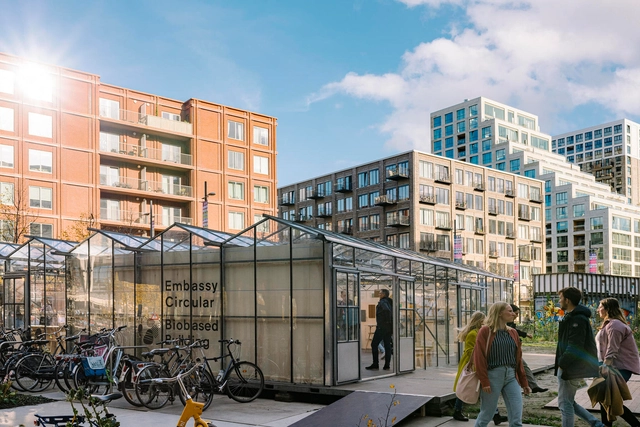
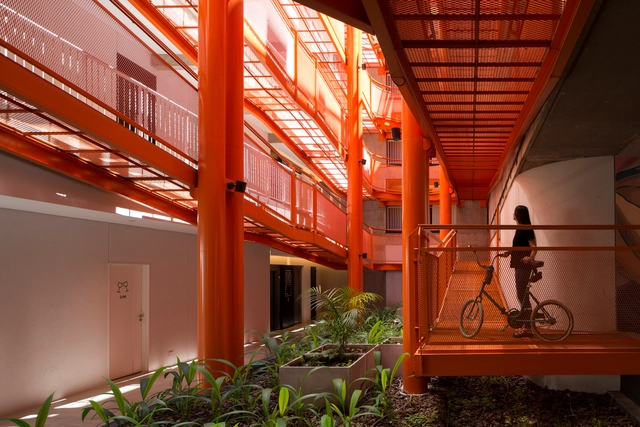
What role will bicycles play in the cities of tomorrow? Their implementation as a more sustainable form of transportation for commuting to work or school, as well as for various household and recreational activities, has become an opportunity for thousands of architects and urban planners.
Courtesy of 180 Degrees Design Studio | The Fabric
As the landscape of architecture and urban development adapts to the modern climate, the traditional notion of construction has been significantly modified and adjusted. Specifically, principles of reuse, recycling, adaptive reuse, and the power of transforming existing structures into something more meaningful and sustainable have gained much traction. Looking at these curated collections of unbuilt projects, one can begin exploring a different way of looking at buildings and heritage, which is significantly more sensitive to the built environment.
From the austere office buildings of the United Kingdom to the proposal to re-activate a skyscraper in Ostrava, these diverse contexts tell stories of resilience, innovation, and a profound commitment to the existing built environment. Offering a new way of looking at things, the projects champion adaptive reuse and activation concepts.
Each architectural style intrinsically relates to a specific context, period, or place. An illustrative example is the region of the United States, which was strongly influenced by the period of British colonization in the Americas (17th-18th centuries). In this context, dwellings emerged that adopted a distinctive architectural language. Moreover, the large distances between major cities in many areas of the country had a significant impact on the configuration of domestic architecture, resulting in the inclusion of barns and other structures that served various functions in addition to housing. This architectural style is characterized by its rectangular floor plan, two-story structures, gable roofs, and wooden cladding on the facade. These elements constitute an integral part of the vernacular expression of the houses from that time.
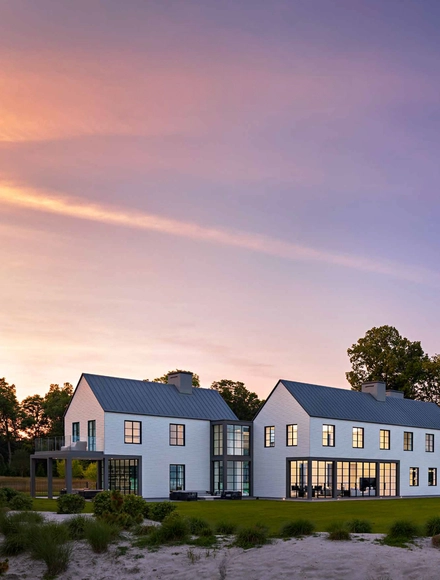
Speaking specifically of gable roofs, they are the feature most associated with the traditional aesthetic of dwellings developed between the 17th and 19th centuries, as well as later ones. One example is the Beachside House, which is a contemporary project documented in Swisspearl Architecture Magazine. This settlement is located on the shore of Long Island Sound, which divides Connecticut from Long Island, New York. With its four gable-roofed structures, covered with light-toned fiber cement panels, it seeks to be an abstraction of New England vernacular architecture.
https://www.archdaily.com/1008129/the-beachside-house-a-case-study-of-vernacular-inspired-architecture-using-modern-materialsEnrique Tovar
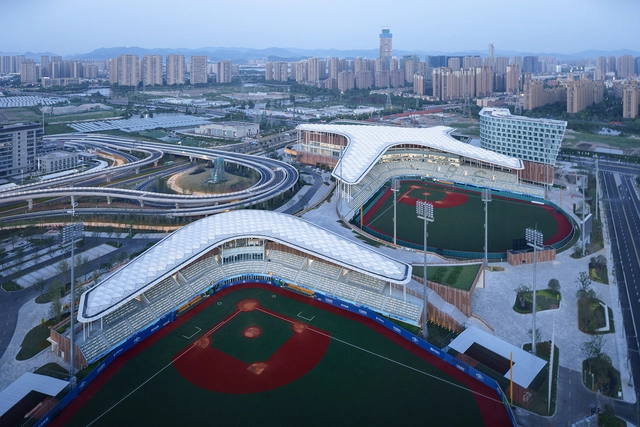
At the recently concluded Asian Games, the Architectural Design and Research Institute of Zhejiang University (UAD) participated in the design of numerous competition venues. Among them, the Hangzhou Asian Games Baseball and Softball Sports Cultural Center is the largest newly built venue for this edition of the Games, as well as the largest, most advanced, and highest-standard baseball and softball sports center in China to date. For this edition of Spotlight, we interviewed UAD's Qian Xidong to discuss his design philosophy shaped by years of professional practice.
https://www.archdaily.com/1136321/more-than-architecture-a-way-of-life-an-interview-with-qian-xidong-of-uad韩爽 - HAN Shuang
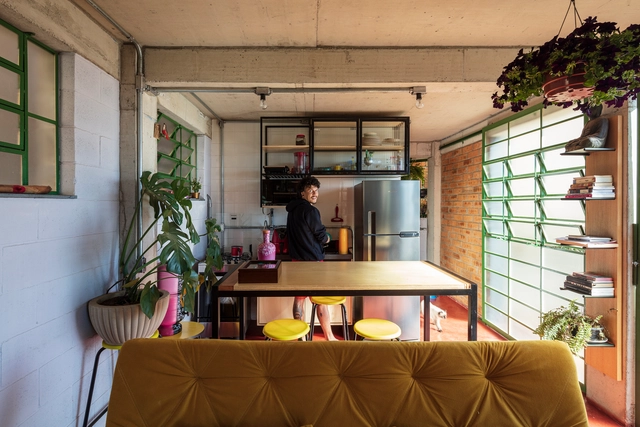
At the crossroads, three women with their histories and ancestries seek to overcome the challenge with a necessary padê: the construction of a narrative that attempts to purge from the epistemic rubble certain questions born from observing how people reacted to the fact that a "chic favela dweller" received an international award. The case (and tale) in question is the award in the "Houses" category of ArchDaily's international Building of the Year 2023, which was granted to "Kdu's Shack"—a house that expresses planning, design, exposed concrete, exposed brick, beauty, and poetry, but... From its inception, it has been a house "out of place"—and this caused discomfort. In this text, we address these (dis)comforts and materialities; the disputes over narratives; what is "out of place" and who does the classifying; territory; design; aesthetics; gingas; the delegitimization of self-discourse, and other intersections.
https://www.archdaily.com/1136381/un-comfortable-rooms-reflections-on-an-award-winning-favela-houseAmália Cristovão dos Santos, Ana Carolina C. dos Anjos e Amanda Resende Castilho
Videos
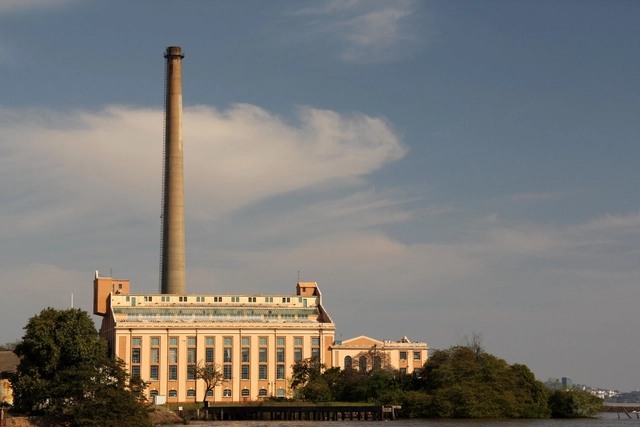
Gasômetro Power Plant. Photo: Ana Paula Hirama, via VisualHunt.com
The update to Porto Alegre's Master Plan is currently underway. Much has been said about the city's future, but what can we learn from the past to foster greater dynamism, walkability, and quality of life for its citizens? After all, a more inviting city retains and attracts talent, driving innovation and wealth. In this article, I look back at the most significant moments in Porto Alegre's urban evolution, dividing them into four major periods.
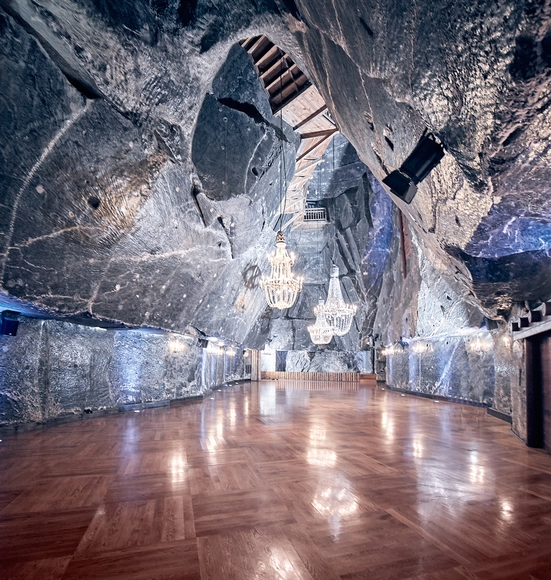
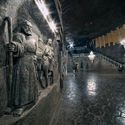
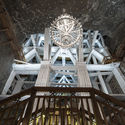
The Republic of Poland boasts diverse geographical territories and cultural tribes that span thousands of years. Its cities and towns reflect a whole spectrum of styles, from Romanesque architecture to Gothic Revival and postmodernist residential and commercial structures. In addition to its unique topography and rich urban fabric, the country houses 17 UNESCO World Heritage Sites. One site, however, has stood out from the rest and given the country a royal status. Tucked beneath the Malinowka stream, just outside the southern city of Krakow, is one of the world's oldest and largest hand-chiseled underground mines that has been transformed into an expansive, all-inclusive complex. From a naturally-healing health center to a secluded church and an underground bungee jumping platform, this colossal adaptive reuse project is the Wieliczka Salt Mine.
The Second Studio (formerly The Midnight Charette) is an explicit podcast about design, architecture, and the everyday. Hosted by Architects David Lee and Marina Bourderonnet, it features different creative professionals in unscripted conversations that allow for thoughtful takes and personal discussions.
A variety of subjects are covered with honesty and humor: some episodes are interviews, while others are tips for fellow designers, reviews of buildings and other projects, or casual explorations of everyday life and design. The Second Studio is also available on iTunes, Spotify, and YouTube.
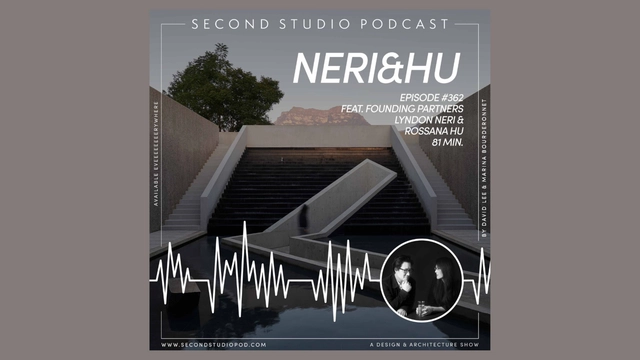
This week David and Marina of FAME Architecture & Design are joined by Architects Lyndon Neri and Rossana Hu, founding partners of Neri&Hu Design and Research Office, to discuss their upbringing, moving to the United States in their youth; meeting at Berkeley; studying and teaching Architecture; moving to China; starting their office together; running a multi-disciplinary office; their philosophy; and more.
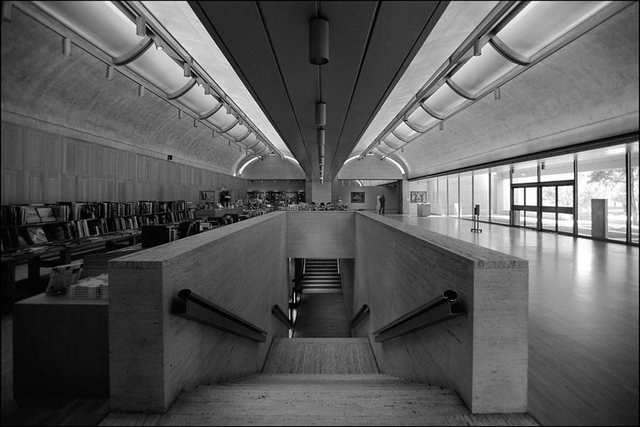
Kimbell Art Museum / Louis Kahn. Image Courtesy of Xavier de Jauréguiberry
AD Classics presents you with some of the greatest buildings of the past that have influenced and shaped architecture today. Throughout ArchDaily's 13 years, more than 200 classics were published, and for this edition, we have rounded up the top 20 most visited Architecture Classics to date.
Cortesía de XXXVIII Congreso Nacional de Arquitectura SCA
At the close of the first day of the 38th National Architecture Congress SCA in Pereira, the winners of the 3rd Vidrio Andino Award for Excellence in Sustainable Architecture were announced. This recognition aims to promote sustainable architecture by highlighting the collaborative efforts of designers, developers, and builders on projects that combine construction quality with architectural design, innovation, materials, and environmental and social impact.
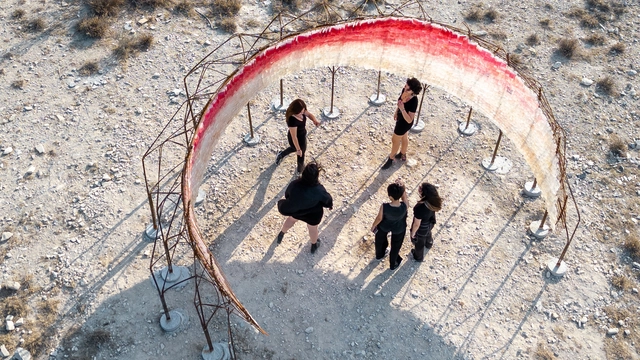
The Centro de Estudios Superiores de Diseño de Monterrey (CEDIM) presented "Cámara Clara," an installation that seeks to dialogue with the sun within the semi-arid landscape of the northern city of Monterrey, Mexico. This ephemeral installation, created by CEDIM students, does not fight against the sun, as architecture so often does, but rather celebrates its presence and orbital rhythms, allowing viewers to contemplate it through its skin from a precise central vantage point within the structure.
The recent completion of the Perelman Performing Arts Center (PAC), a collaboration between REX, Davis Brody Bond, and the Rockwell Group, is a milestone in the cultural transformation of Lower Manhattan. The PAC site is part of the World Trade Center complex, owned by the Port Authority of NY and NJ, an autonomous agency responsible for managing bridges, ports, tunnels, and airports. Since the 2001 attacks, the site has undergone significant changes, including the construction of the four WTC complex towers and the Oculus. More than nine years passed between the launch of the PAC competition and the project's completion, and I participated in the last five years as an architect on the Davis Brody Bond team.
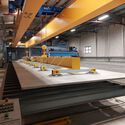
CPC concrete slabs are based on the technology of "carbon pre-stressed concrete," which originated from a long-term research project conducted by the Zurich University of Applied Sciences Winterthur (ZHAW) and Silidur AG, Andelfingen. These panels are reinforced with thin, pre-stressed carbon strands, allowing them to be three to four times thinner and lighter while maintaining the same load-bearing capacity as traditional reinforced slabs.
CPC's innovative approach to concrete panel production reduces material usage by 75% and minimizes the carbon footprint of concrete production. ArchDaily interviewed Professor Josef Kurath from the Department of Architecture Design and Civil Engineering at the Zurich University of Applied Sciences (ZHAW), who collaborated with CPC Construction in developing these concrete panels. We discussed his perspectives on decarbonizing architecture, the inspiration behind the development of CPC panels, a comparison with traditional concrete, and the potential for scalability and accessibility in the future.
The ICONIC AWARDS 2023: Innovative Architecture –awarded by the German Design Council– honors the best achievements in architecture, pioneering interior and product design, outstanding brand communication and a particularly innovative use of materials in the architecture sector. The winners are examples of design excellence and inspiring solutions for current challenges. The international jury of experts emphasizes the importance of visionary design that is not only aesthetically inspiring but also ecologically and socially influential.
From 620 submissions from over 30 countries, the jury selected 62 pioneering projects for the “Best of Best” award. In addition, the special prizes “Architects of the Year”, “Interior Designer of the Year” as well as the honorary prize “Architects’ Client of the Year” were awarded. The award winners were honored at the BMW World in Munich on 4 October, 2023.
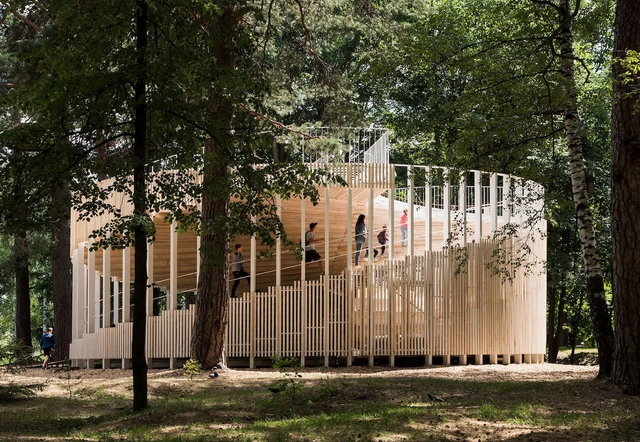
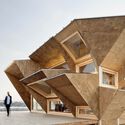
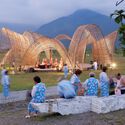
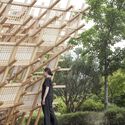
Throughout the modern era, pavilion architecture has consistently reflected cutting-edge architectural trends. These temporary or semi-permanent structures, often featured in exhibitions, fairs, cultural events, and sports gatherings, provide a platform for exploring new materials and design concepts. Pavilion designs are intended for easy assembly and disassembly and are typically used for short durations, making it crucial to consider reducing environmental impact without sacrificing aesthetics and innovation. In this endeavor, wood emerges as a key ally.
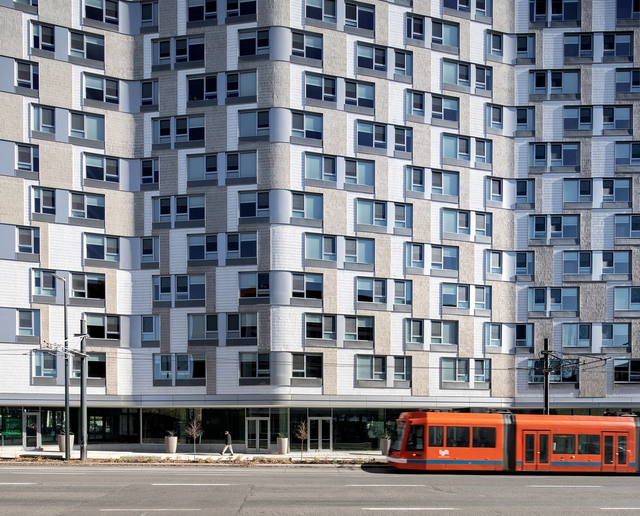
Despite the bad reputation of public housing in the United States, organizations, planners, and architects in Portland, Oregon are determined to create affordable housing that does not sacrifice quality or aesthetic appeal. While Portland has developed a bad reputation regarding its homelessness problem, in the past four years resources have flowed in the right direction, and designers have taken this in stride to design livable and striking buildings, within very restrictive budgets. Through innovative and creative approaches to construction and design, these organizations and designers have utilized federal, state, and city resources to make these types of projects a reality.
The phrase “Demography is destiny” is repeated more than once in Smaller Cities in a Shrinking World (Island Press). This new book by noted urban researcher Alan Mallach tackles, in meticulous and fascinating detail, the “wicked problem” of shrinking cities in the U.S. and across the globe. But it’s not only our cities that are shrinking—the countries that contain them are, too. I spoke with Mallach about the imperative of planning for this new demographic reality.
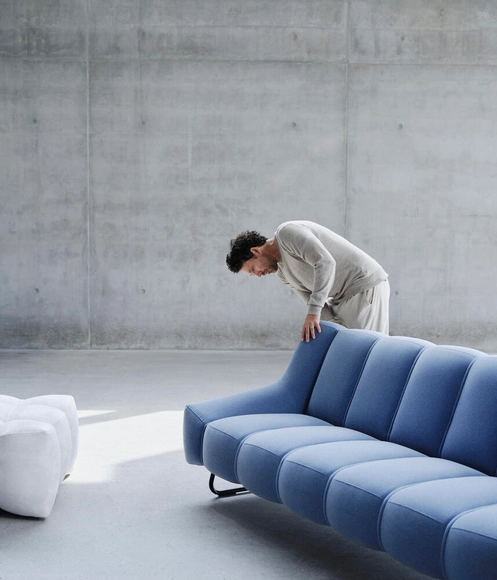
Designer and head of products at BIG, Jakob Lange, interacting with one of the sofa designs from the new Nawabari collection. Image Courtesy of BoConcept
The new furniture collection Nawabari is the manifestation of a shared vision. At the outset of the creative collaboration between furniture designers BoConcept and architecture office BIG, both parties sat down to share their insights and understandings of what today’s consumers need and how to create optimal social and living spaces.
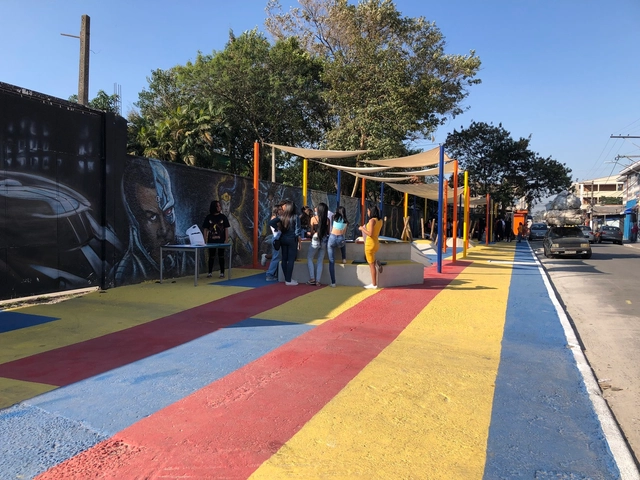
Intervention carried out on the street in front of 4 public schools. Photo: CoCriança Collection
Over the last few decades, cities have undergone profound and rapid transformations, which have also significantly impacted childhood. While cities grow larger and increasingly complex, the child population is facing a stark decline in urban quality of life. Children have lost their spaces in the city and are increasingly confined to enclosed, institutionalized environments.
The perception of the city as dangerous has grown stronger, establishing a self-reinforcing cycle: with fewer children on the streets, these spaces are dominated by speeding cars, which hinders public use of space, in turn fostering violence and further driving children—and everyone else—away from the streets. The rarity of children playing on streets and in other public areas of urban centers also makes this demographic largely invisible to adults and policymakers.
The small town of Illueca lies in a rift valley, flanked by the massifs of the Sierra de la Virgen and Sierra de la Camamila mountain ranges, which run close to the Moncayo Nature Reserve (Zaragoza, Spain). It is in this setting that Permán & Franco Architects Studio have built a primary-care health center, with a distinctive design and ventilated façade by Faveker.
The Illueca Health Centre stands in a new development area of the town, providing the region with healthcare services, including 11 nearby towns and villages. It was built on an almost 1,400 m2 plot of land featuring an over two-meter drop between the entrance at street level and the land used as a base for the building.













.jpg?1570002957 "La Muralla Roja / Ricardo Bofill. Image Courtesy of Ricardo Bofill")