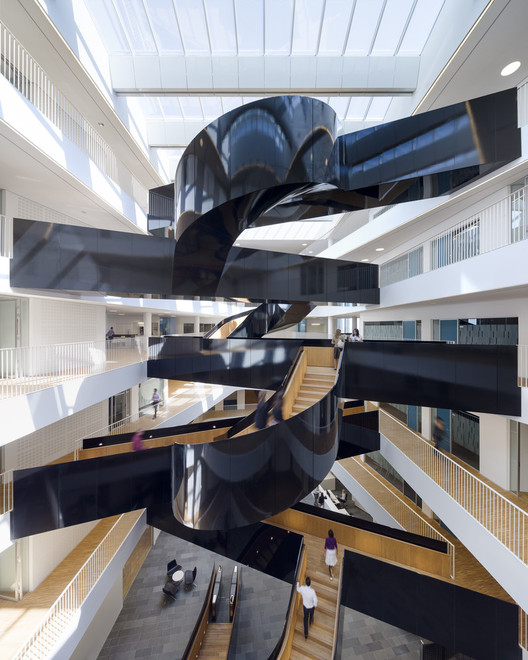
Sculptural, elegant, and striking. Numerous adjectives can describe the stairs designed by Danish firm 3XN. With bold designs that challenge conventional vertical circulation, they add layers of inventiveness to the spatial experience, turning movement into a journey.
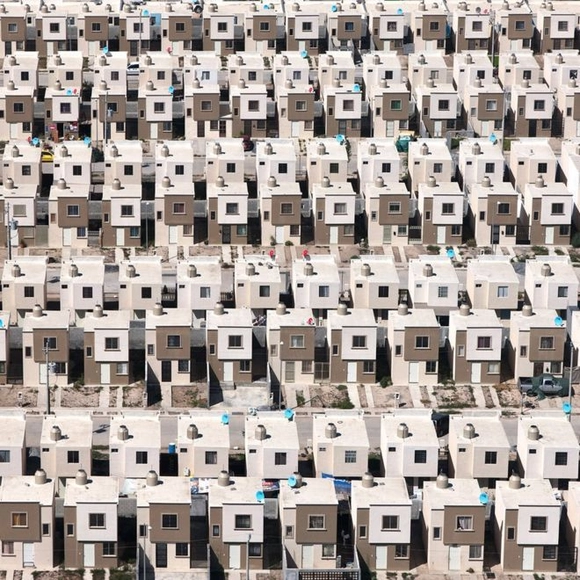
Continuing the series of articles developed by Nikos A. Salingaros, David Brain, Andres M. Duany, Michael W. Mehaffy, and Ernesto Philibert-Petit, in this article we'll be exploring how observations on social housing in Latin American have been approached from an outdated and antagonistic point of view. Notions and errors committed in previous studies - in some cases simply by inertia - are discussed in the Latin American context, and propose adaptable solutions focused on the long-term, urban roots of residents.
https://www.archdaily.com/914752/anti-patterns-of-social-housing-in-latin-americaNikos A. Salingaros, David Brain, Andrés M. Duany, Michael W. Mehaffy & Ernesto Philibert-Petit
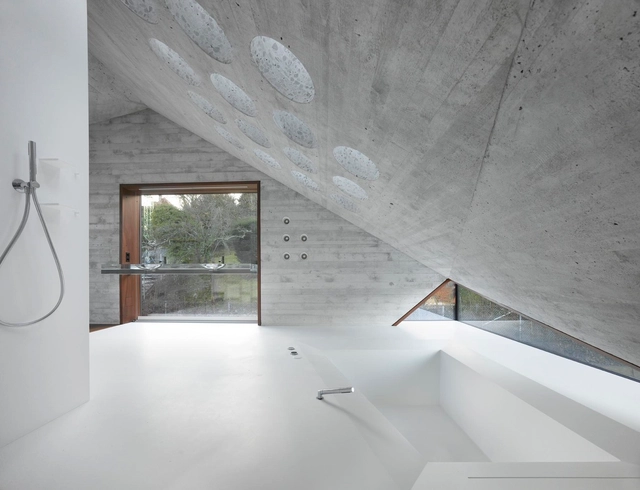
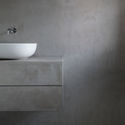
Béton brut or "raw concrete" is a naturally porous material that provides many advantages for the design and build of a bathroom. As a waterproof and pressure-resistant material, it is easy to clean, doesn't deteriorate, prevents bathroom fungus and is low maintenance. Attractive as it is functional, concrete is versatile for both on-site furniture and wall coatings, floors and even shower trays. In addition, due to its thermal mass, concrete is an excellent material for floor heating.
Pro Tip: There are a variety of concrete finishes, but for the safety of daily bathroom users, you must add a surface sealer and a certain percentage of traction to avoid slippage.
Below, we've compiled 26 concrete bathrooms that find intimacy in béton brut.
This collection is one of many interesting content groupings made by our registered users. Remember you can save and manage what inspires you on ArchDaily account. Create yours here.
https://www.archdaily.com/914939/best-concrete-bathrooms-brutalism-in-intimate-spaceMartita Vial della Maggiora
CODE - COmpetititons for DEsigners - launches “Italian Tradition Market”, a competition of ideas aiming to design the first market of handcrafted Italian excellences of Art, Craftsmanship, Food and Wine production and Areas on the remains of a 88 B.C. Roman Theater. A cash prize of € 10,000 will be awarded to winners selected by a well-renowned jury made of, among the others, Enzo Eusebi, Alfredo Häberli, Andrea Marcante (Marcante Testa), Benedetta Tagliabue (Miralles Tagliabue), Dong Gong (Vector Architects).
https://www.archdaily.com/915018/italian-tradition-market-submit-your-proposalSponsored Post
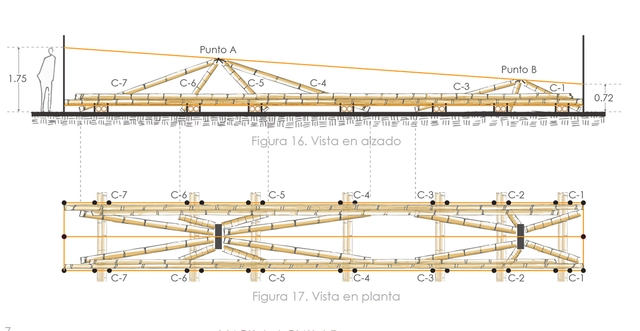
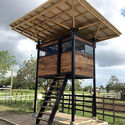
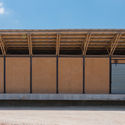
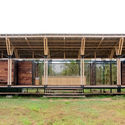
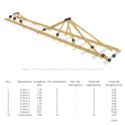
Bamboo is a building material that has been used since antiquity in various structures. Thanks to its countless benefits, it has proven superior to newer materials like plastic and steel, while its unique aesthetic appeal has established it as one of today's most prominent architectural trends.
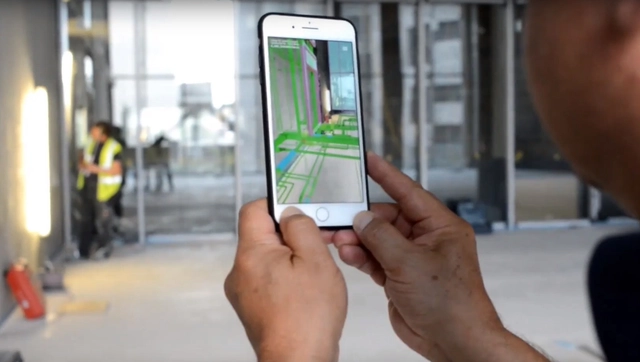
A technological innovation is revolutionizing one of the oldest professions in the world. Augmented reality has just broken onto the scene and has already been transforming civil construction. The changes are seen not only in designing and modeling, but also in building. Augmented reality benefits the entire construction team: engineers, designers, architects, project managers and service providers.
Unlike virtual reality, which creates a totally new and independent environment of the real world, augmented reality includes virtual elements that interact with what already exists. It is thus possible to combine virtual architectural designs with the reality of the construction site, increasing efficiency and accuracy, reducing the occurrence of errors and saving time, money and resources.
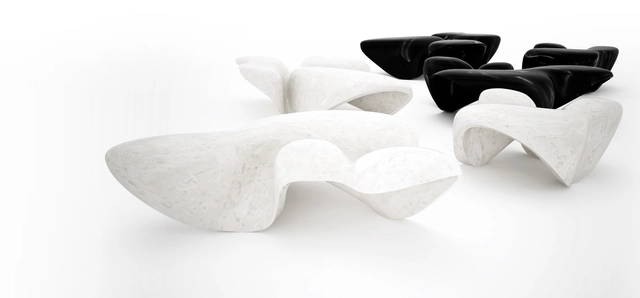
Mercuric Table - Zaha Hadid x CITCO. Image Courtesy of CITCO
As the week comes to an end, Milan Design Week wraps up yet another successful year of creativity and innovation. Thousands of design companies displayed their creations to more than 200,000 visitors hailing from different countries, demographics, and career backgrounds. Although the design fair gravitated towards the world of interior design, many renowned architects participated in the week-long exhibition and joined their forces with interior and furniture design experts.
Along with the impressive collaborations that these architects created with lighting companies, take a look at how they used their expertise in forms and structures to develop unique furniture pieces.
Photo: Chaval Brasil on Visual hunt / CC BY-NC-ND. Collage: ArchDaily
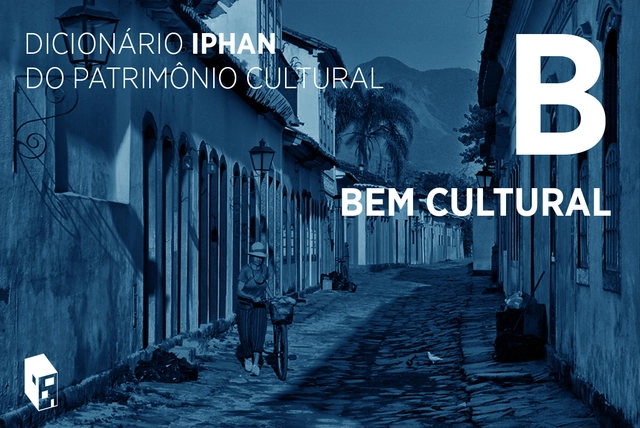
The terminology cultural property has several definitions. Found across various spheres and historical periods, the term has been gradually reshaped, with its application and meaning expanding and becoming more clearly defined over time.
Over the past few days, exceptional products have been exhibited at the Salone del Mobile, ranging from furniture pieces and light fixtures, to textiles and finishes. As part of Milan Design Week, the Salone saw impressive collaborations with architects and the use of never-seen-before materials, all displayed at the Milan Fairgrounds, while some projects — too grand and imposing for a constraint exhibition — took place at the second part of the event, the Fuorisalone.
Courtesy of Jakub Kulisa, Piotr Pańczyk, and Damian Granosik.
"About one year ago we were hard at work, doing our best to come up with a proposal that could have a shot at winning the next edition of the world-famous eVolo Skyscraper Competition. Here’s our account of how we were able to achieve that and some tips and insights we were asked to share that you might hopefully find useful if you plan on following in our footsteps". Original text by: Damian Granosik, Jakub Kulisa and Piotr Pańczyk.
https://www.archdaily.com/914849/how-to-win-architecture-competitions-anatomy-of-a-winning-entryAD Editorial Team
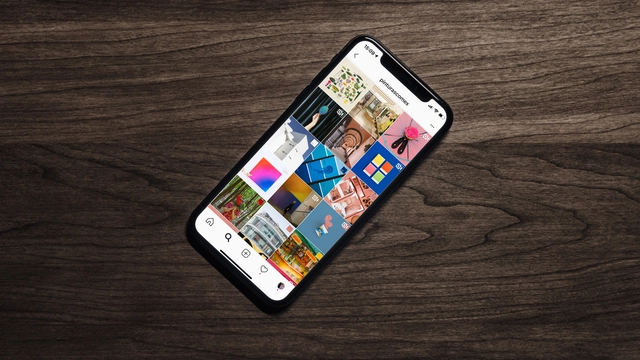
Instagram is one of the most popular social media platforms in the world, with more than 1 billion users searching and discovering new images, videos, brands, businesses, and content every day. According to Instagram’s User Survey, 60% of people stated they discover new products on Instagram, and more than 200 million Instagrammers stated that they visit at least one Business Profile daily.
https://www.archdaily.com/914945/how-to-use-instagram-to-promote-your-building-materials-to-architectsPola Mora
This article was originally published on CommonEdge as "What Landscape Architects and Urban Designers Can Learn About Public Space From Cuba."
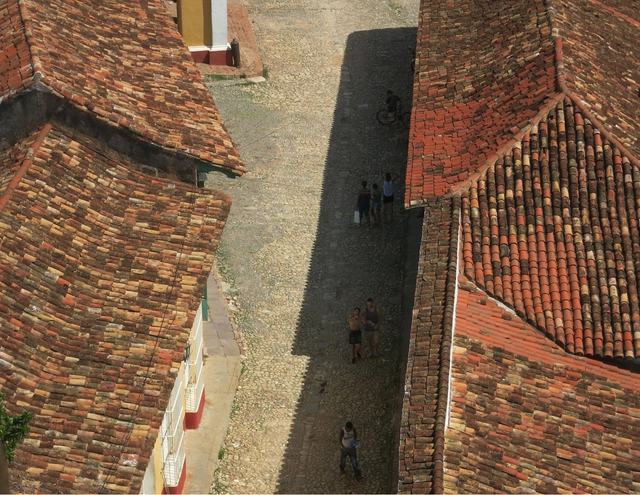
It was certainly what I had come for: I was sitting on broad, cobbled steps, watching people interact in the public realm. It was an August afternoon in Cuba, and I had found temporary respite from the harsh sun beneath a haphazard array of trees. My design work as a landscape architect focuses on urban parks, streetscapes, and academic campuses, and I wanted to see how differently the open spaces of Cuba might function.
Designers at this year's Milan Design Week drew inspiration from everything and anything around them. Many were inspired by the serenity of nature, some by picturesque vintage pieces, and others by tokens from their youth. Although inspiration often comes unannounced in the most unexpected places, the inspiration behind Sancal’s pavilion at this year’s Salone del Mobile, was encouraged by one simple, very common mistake.
During the 2017 Milan Design Week, the Spanish brand’s eccentric duo Esther and Elena made a wrong turn on Milan's metro station, ending up at the Turati station. That is when the light-bulb illuminated, and the duo found the backdrop for their upcoming collection, emerging from none other than the depths of Milan's underground systems.
One could say we have waited for sunset to rekindle the warmth of this experience—and thus blend nostalgia with the newly arrived autumn.
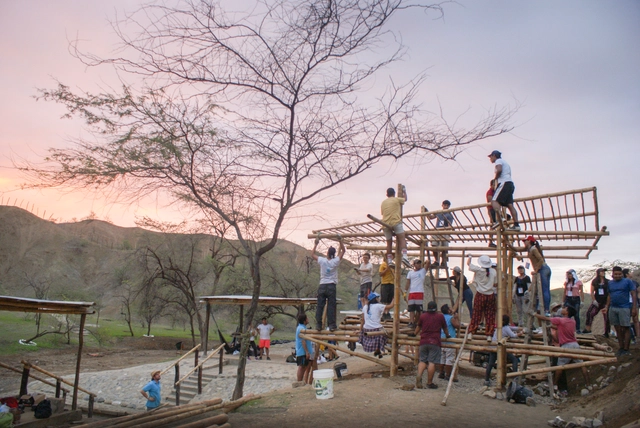
The end of summer has arrived in the southwestern hemisphere, and among the many new lessons each climate leaves behind in these parts, in one of Peru's warmest regions, TSI 2019 left footprints and works that sooner or later we would be ready to reveal. All, or most, of those who participated have already returned to their school or work routines, yet at the end of the season, this remains a place to return to.
Sergey Makhno Architects. Image Courtesy of ArchDaily
As Milan Design Week continues to set avant-garde design trends for the upcoming years, the 2019 Salone del Mobile’s lighting biennale, Euroluce, saw a nod to classic designs mixed with contemporary craftsmanship.
Two dominant trends at this year’s Euroluce are ‘rediscovering the past’ and a ‘reference to nature’. Vintage lighting pieces were rediscovered, not only to serve as valuable tokens of the past, but as foundation for new research. The reference to nature is evidently the most dominant design trend at this year’s lighting biennale, as designers found inspiration from natural, organic forms, and produced their pieces with eco-friendly material.
However, some of the most unique pieces at this year’s Euroluce were developed in collaboration with heavyweights in the world of design. Profound architects found their way into the 2019 Euroluce, bringing together their design skills with the engineering solutions of design companies.
While the Eiffel Tower was negatively received at first for its utilitarian appearance, it soon became a major attraction for Paris, France in the late 19th century. It represented structural ingenuity and innovation and soon became a major feat, rising to 300 meters of7,500 tons of steel and iron. Just three years after its unveiling, London sponsored a competition for its own version of the tower in 1890. The Tower Company, Limited collected 68 designs, all variations of the design of the Eiffel Tower. Proposals were submitted from the United States, Canada, Germany, Sweden, Italy, Austria, Turkey and Australia. Many of the designs are bizarre interpretations of utilitarian structures, following the aesthetics of the Eiffel Tower, only bigger and taller.
Join us after the break for more on the story of the Tower of London.





.jpg?1555159259 "KOR Armchair and Sofa - William Sawaya x Sawaya & Moroni. Image Courtesy of Sawaya & Moroni")

.jpg?1555158250 "ALESSANDRO I-II-III - William Sawaya x Sawaya & Moroni. Image Courtesy of Sawaya & Moroni")




_0819.jpg?1555075404&format=webp&width=640&height=580)
_0942.jpg?1555075486 "Temporary Exhibition by Space Encounters. Image")
_0885.jpg?1555075448 "Conifera by COS x Mamou-Mani. Image")
_1081.jpg?1555075537 "Echo by Pezo von Ellrichshausen . Image")
_1351.jpg?1555075661 "La Foresta dei Violini by Piuarch. Image")
_0819.jpg?1555075404)


_0466.jpg?1555015039&format=webp&width=640&height=580)
_0480.jpg?1555015259 "© ArchDaily")
_0438.jpg?1555014874 "© ArchDaily")
_0474.jpg?1555015163 "© ArchDaily")
_0468.jpg?1555015070 "© ArchDaily")
_0466.jpg?1555015039)



_0523.jpg?1554982545&format=webp&width=640&height=580)
