1. ArchDaily
  2. Articles

Articles

Arquicast #75: Scales and Places

Subscriber Access | 

Taking the opportunity of our participation in the 9th Architecture and Urbanism Week of the Architecture and Urbanism program at the Centro de Ensino Superior de Juiz de Fora (CES/JF), we at Arquicast recorded this biweekly episode based on the event's theme: Scales and Places. Held in May, the week-long event was organized by the program's students and featured a series of lectures and activities, including this special episode. We address the relationships regarding the importance of scale and place in design education and practice across their various dimensions. Our guest was architect and professor Frederico Halfeld, who shared his experience as an educator alongside other insights on the topic.
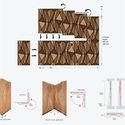
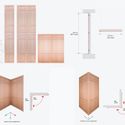
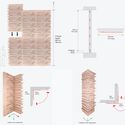
8 Interior Acoustic Panels and Their Constructive Details

Subscriber Access | 

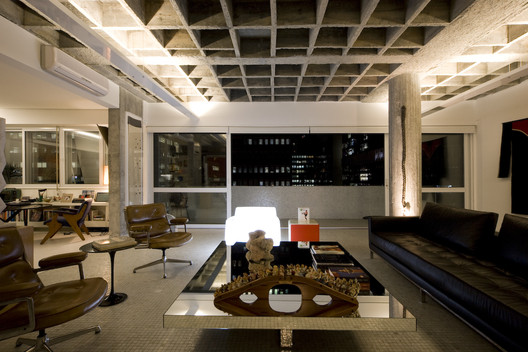
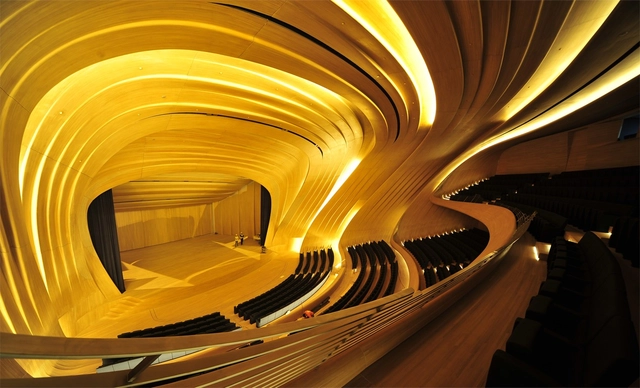
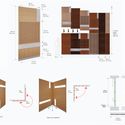
Picture this. You're in a restaurant and you can hear the conversation of the person in the table next to you better than the person you're sitting with. Then, everyone begins to speak louder, making the environment chaotic. Absorption, reflection, reverberation, frequency, decibels, etc. Although acoustics is a complex science that can render buildings almost uninhabitable when not properly thought out, architects do not always possess the theoretical resources nor have the necessary concern to develop acoustically comfortable spaces.

8 Interior Acoustic Panels and Their Constructive Details - Imagem 1 de 48 Interior Acoustic Panels and Their Constructive Details - Imagem 2 de 48 Interior Acoustic Panels and Their Constructive Details - Imagem 3 de 48 Interior Acoustic Panels and Their Constructive Details - Imagem 4 de 48 Interior Acoustic Panels and Their Constructive Details - More Images+ 32

Federico Babina's New Series Abstracts the Drawing Process

Subscriber Access | 

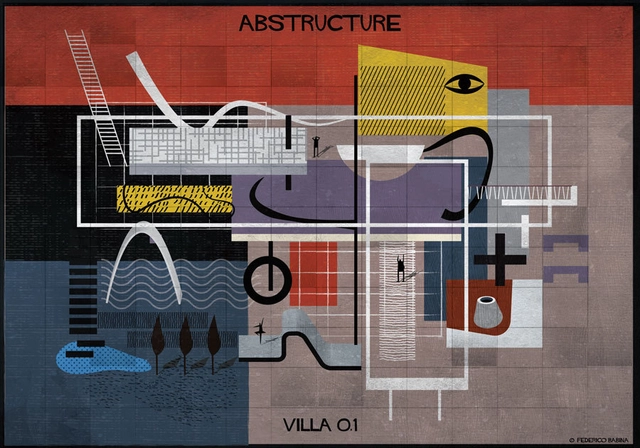
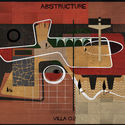
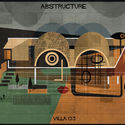
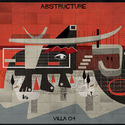
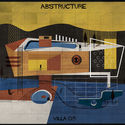
Federico Babina has published the latest series from his extensive collection of architectural imagery. “Abstructure: architectural embryos” seeks to question the use of architecture in creating a drawing, rather than the use of a drawing in creating architecture.

Through the compositions, Babina proposes an ideal link between architecture as a form of representation and the representation used in the drawings. Volumes of architecture are broken down to achieve an “abstract” representation, without losing the essence of the design.

Federico Babina's New Series Abstracts the Drawing Process - Image 1 of 4Federico Babina's New Series Abstracts the Drawing Process - Image 2 of 4Federico Babina's New Series Abstracts the Drawing Process - Image 3 of 4Federico Babina's New Series Abstracts the Drawing Process - Image 4 of 4Federico Babina's New Series Abstracts the Drawing Process - More Images+ 19

Black Mirror: What Can it Teach us About the Future of Architecture?

Subscriber Access | 
Black Mirror: What Can it Teach us About the Future of Architecture? - Imagen 1 de 4
© Maíra Acayaba

Unlike its TV and film counterparts, which imagine the future as an over-populated dystopian nightmare overrun with violence and chaos, Black Mirror paints a picture of a near future that aligns far more with our current reality--and nowhere is this more apparent than in the architecture shown in the series.

A Photographic Essay on the Reification of Bodies in Neufert's Ergonomics

Subscriber Access | 
A Photographic Essay on the Reification of Bodies in Neufert's Ergonomics - Image 6 of 4
Human-Reification. Image © Paul Gisbrecht

The relationship between the human body and architecture has always been a key element in architectural design and practice, however, the connection between the two wasn't documented or even accepted until the rise of ergonomics some years ago. Nowadays, the question is how is the body perceived in modern times? How does this perception influence the way we design the buildings and spaces that we inhabit? Too often, ergonomics is seen as a discipline that emphasizes the separation between body and object; however, not only is it the connection between them, it is also the pre-established blueprint that maximizes and synchronizes their productivity. At its most basic level, it's a technical discourse on the increasingly mechanized human dwelling. 

Vera Primavera: "I paint large women to reclaim the visual space of women in the streets"

Subscriber Access | 

I met Vera Primavera in Ibarra, Ecuador, during the sixth edition of EARQ (PUCE-SI)—a graffiti and tattoo artist whose work revolves around mysticism, magic, intimacy, and women in the city.

Financing strategies focused on the small scale for social housing in Latin America

Subscriber Access | 

Continuing the series of articles by Nikos A. Salingaros, David Brain, Andrés M. Duany, Michael W. Mehaffy, and Ernesto Philibert-Petit on social housing in Latin America, this installment explores economic alternatives to address construction costs. Review all previous publications and the new article below.

An Architecture of Turbulence

Subscriber Access | 

A single family house may often have been considered as a very small pixel within any urban context, but the fact is, on average more than fifty percent of the urban fabric is being shaped by these tiny small pixels. It is well said by Tadao Ando: “The house is the building type that can change society.” Thus, this is how a client, a developer, a builder, an architect, or a designer could or should be responsible and willingly participate in a collective effort to shape a better urban context.

Types of White: the Work of Fran Silvestre

Subscriber Access | 
Types of White: the Work of Fran Silvestre - Imagen 1 de 4

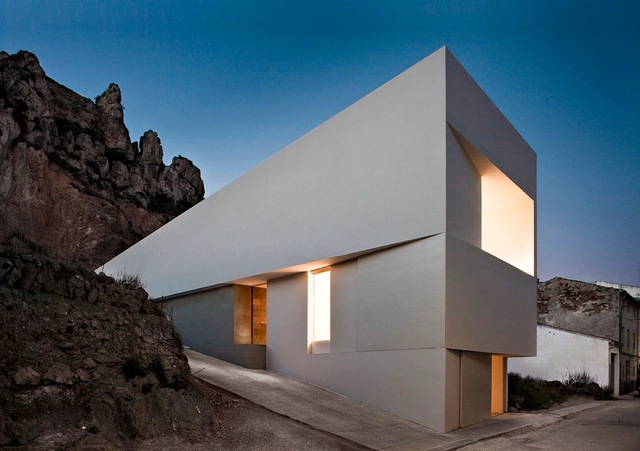
There are many kinds of white, all have no color but they are very different from each other: some silent, others deafening; there is the white of absence and also the one of eloquent presence; neutral white is very common, which one day may be painted with other tones; but there are also things born to be white, which could not be of any another color. Fran Silvestre’s architecture is composed of few essential signs, lines, planes and volumes thought and built with great geometric control.

Boost Your Project Using Assets In 3D Scenes

Subscriber Access | 

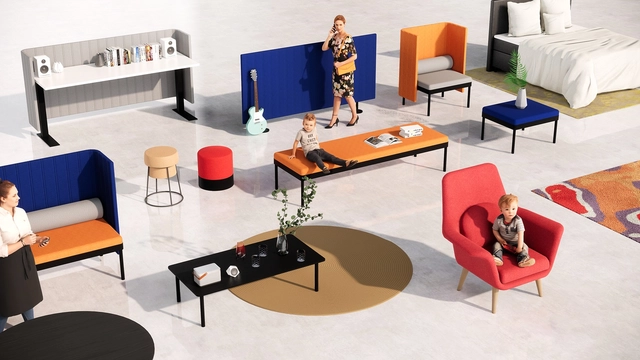
Presenting your model containing various assets can give your client a better understanding and vision of how everything would look in real life. There is no need for building 3D scene objects by yourself or pay a lot of money for them. For example, if you own an Enscape license you have access to many kinds of 3D models, such as people, furniture, vegetation, street items, vehicles and other accessories. Just by using drag and drop, you can put the assets into your model and scale them to the size you need.

In some cases, an experienced user would be able to create similar content using your CAD software or import it from other sources – but even then, those assets would demand a lot more resources. But if you would use unnecessarily complex and/or foreign geometry in your CAD, those assets would take a lot more resources and the 3D views would be much slower. Enscape content, instead, is represented by a simple placeholder in your CAD program (Revit, SketchUp, Rhino or ArchiCAD) and replaced with these high-quality components in Enscape’s real-time rendering environment. The web-based library is being updated regularly.

Boost Your Project Using Assets In 3D Scenes - Image 1 of 4Boost Your Project Using Assets In 3D Scenes - Image 2 of 4Boost Your Project Using Assets In 3D Scenes - Image 3 of 4Boost Your Project Using Assets In 3D Scenes - Image 4 of 4Boost Your Project Using Assets In 3D Scenes - More Images+ 5

Architecture and Education: The Construction of a Pedagogical Space

Subscriber Access | 

The recent budget cuts for federal universities have reignited a debate that deserves to remain permanently active: the quality of education in Brazil. The first edition of the Encontros de Arquitetura, organized by IABsp, set out to address this theme through the lens of architecture, bringing together four professionals with extensive experience in school design: Catherine Otondo, Marina Grinover (Base Urbana), Keila Costa (+K), and Pablo Hereñú (Hereñú & Ferroni Arquitetos).

A portrait of the current reality of refugees around the world, by Ai Weiwei

Subscriber Access | 

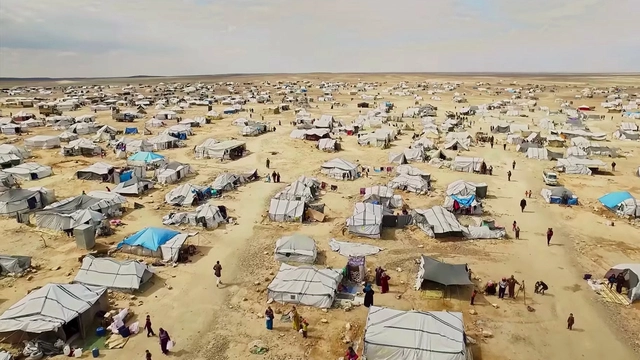
Currently, nearly 65 million people worldwide have been forced to flee their homes due to conflicts unfolding across the globe, leaving behind their belongings, years of personal history, and years of hard work to find themselves adrift. Many of these families are forced to cross oceans and diverse terrains in search of a promising future to start from scratch. These journeys often lead to informal settlements where many perish due to rampant disease and shortages of medicine, food, and clean water.

12 Steps to a Successful Critique

Subscriber Access | 

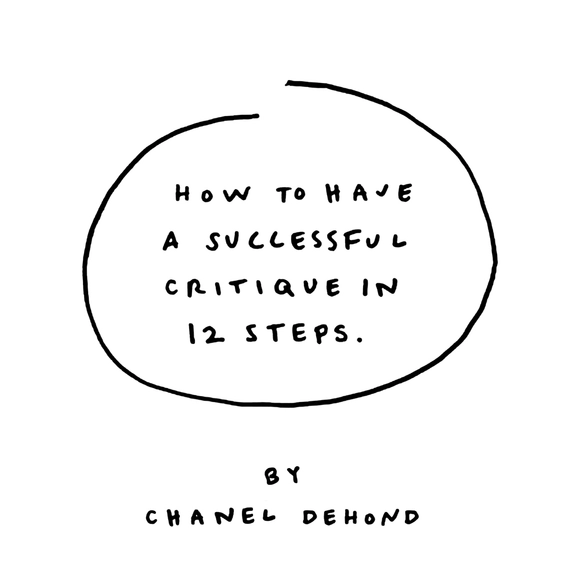
Juries, assessments, 15 minutes of hell... no matter what you call it, a critique is always agonizing. Regardless of how confident you are with your proposal and how much thought and effort you have put into every detail, at least one of the jury members will make sure to find something to complain about.

To prepare you for upcoming juries, artist Chanel Dehond has illustrated 12 steps to having a successful critique (or surviving one, at least).

Iphan Dictionary of Cultural Heritage: What Is "Cultural Landscape"

Subscriber Access | 

Only recently in Brazil has "cultural landscape" emerged as a new category for the preservation of cultural heritage. Understanding its meanings requires, on the one hand, evoking the preservation experience in two different spheres—both international institutions and the work developed in Brazil. On the other hand, this understanding also requires highlighting the specific academic origins of the cultural landscape concept.

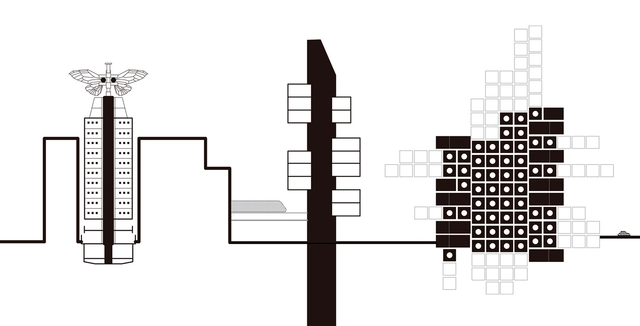
Tokyo Travel Diary: Architecture and Manga

Traveling around Japan can be an impressive experience for a Western tourist - especially if they have some connection with architecture. In addition to the huge cultural differences, the country is known for its rich architectural production - eight of the 42 Pritzker Prize laureates are Japanese - which has maintained its consistency since the 1960s.

SKNYPL Explores the Role of Urbanism in Creating and Overcoming Fear

Subscriber Access | 

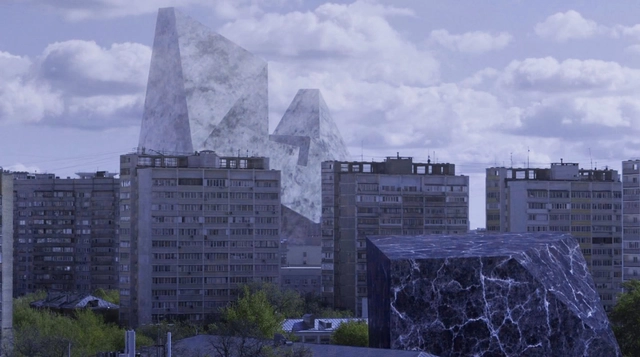
The London Festival of Architecture, the world’s largest annual festival of its kind, took place across the city this June. The month-long festival welcomed thousands of people to explore architecture installations and creations, and take part in the activities and discussions, which included an event put together by SKNYPL.

The theme for the year 2019 was ‘Boundaries’ in all its forms: zones, walls, city limits… And for their first international show, SKNYPL presented “PHOBOS”, a film-installation about Moscow and the fearful impact of having physical and metaphysical boundaries. The studio created a special online version of the film especially for ArchDaily readers.

Vincent Van Duysen: The Way to a Modest Architecture

Subscriber Access | 

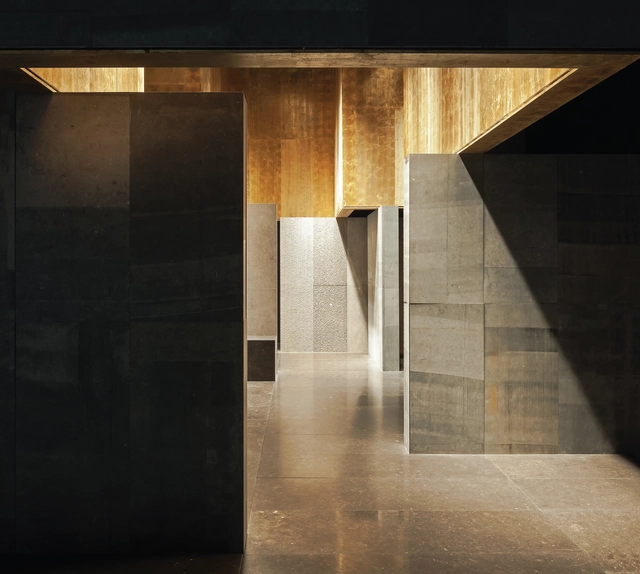
The course that Vincent Van Duysen has covered since 1990 shows a great consistency and a coherent design vision. From the start, he has focused on making a profile for himself with the design of a number of retail projects. This focus was no coincidence. Van Duysen has said on many occasions that if he had not had the opportunity to study architecture he would undoubtedly have pursued a career in fashion. It is therefore unsurprising that after his studies in Sint Lucas Gent he moved to Milan, a city renowned as one of the world capitals of design and fashion. In Milan he became convinced that a designer should not only express a concept as clearly as possible, he should also pay attention to every significant detail.

 Vincent Van Duysen: The Way to a Modest Architecture - Image 2 of 4

Why managing an event can be a good exercise for architecture students?

Subscriber Access | 

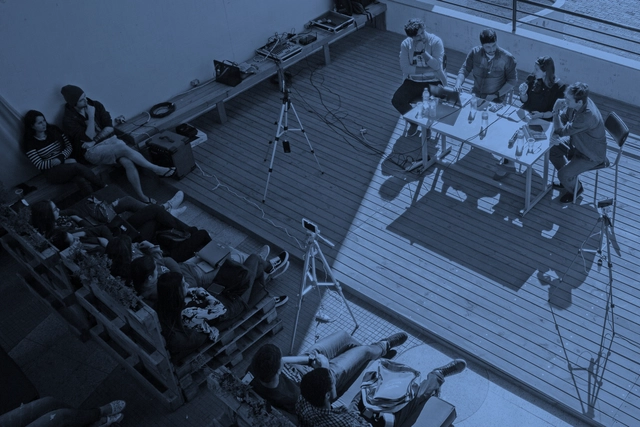
One of the first things I hear upon arrival is that the sixth edition of the Academic Event of the School of Architecture (EARQ) was not only organized by students, but is also part of the graduation requirements to become an architect at the Pontifical Catholic University of Ecuador (PUCE-SI). This management work, without a doubt, carries conditions that closely align with what we recognize as necessary in our discipline today.