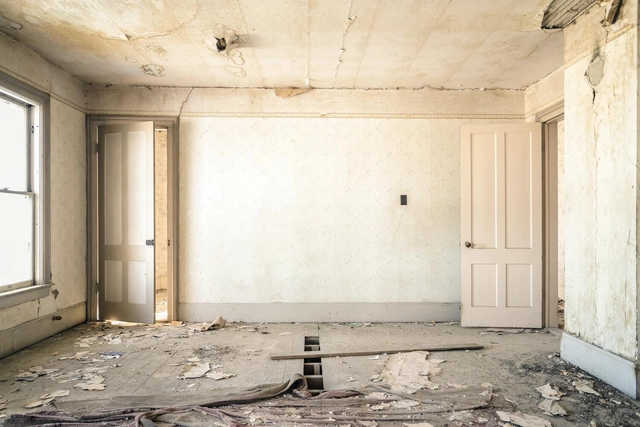
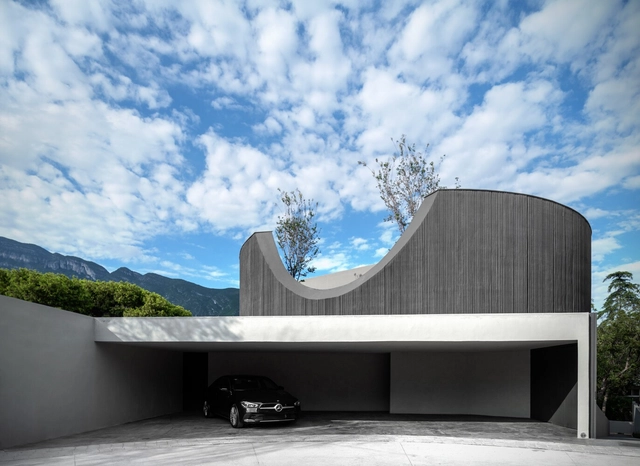
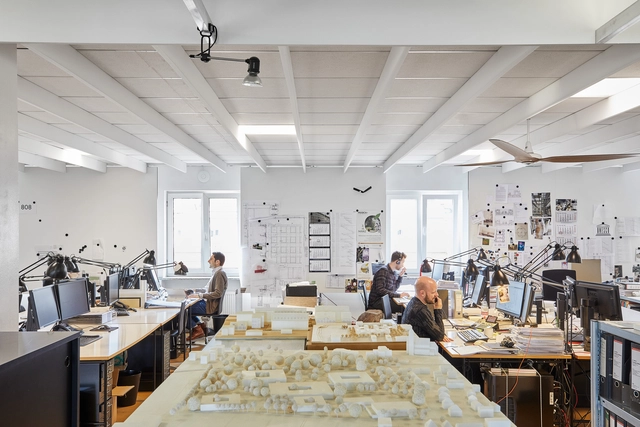
With the scarcity of open spaces, the high concentration of empty buildings in areas already consolidated in cities, and an awareness of the impact of new constructions on the environment, refurbishments are increasingly part of both the architect's work routine and the client's choice. At the same time, they are often synonymous with unexpected surprises and problems, causing delays and discomfort. This text presents four pre-work strategies that can help you better prepare for this moment.
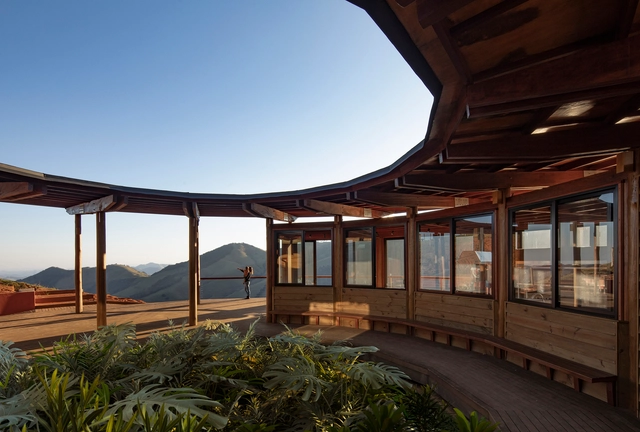
Architectural photography has historically been a male-dominated genre, as has architecture itself and the construction industry in general. But this scene is changing fast. Some of the most relevant names in architectural photography in the world are now women, and Brazil is no different. When facing gender barriers – one of the main difficulties being exposure to public space at unusual times, carrying valuable equipment, as photographer Ana Mello has already stated in an interview – these professionals are breaking paradigms and immortalizing the works with their sharp and sensitive eyes.
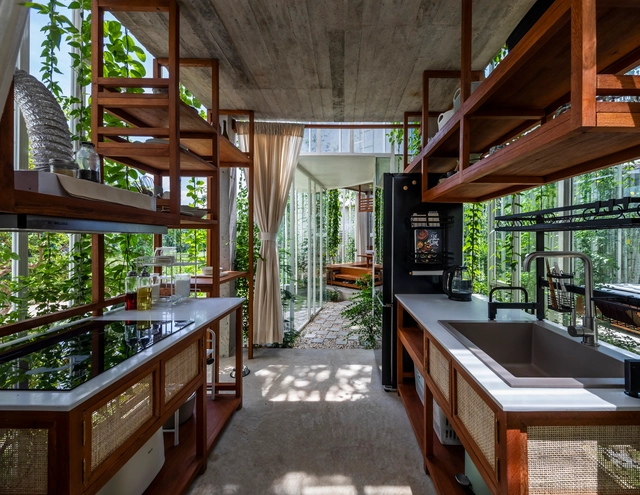
The kitchen emerges as an environment that permeates several issues within domesticity. Ranging from a workspace to a welcome meeting table, this area has evolved a lot over time: more functional designs and different materials and textures that have improved the gastronomic experience. and, more than that, it stopped being an indoor environment to open itself to the outside, exploring through permeability a better quality of light and bringing greater pleasure to those who occupy it.
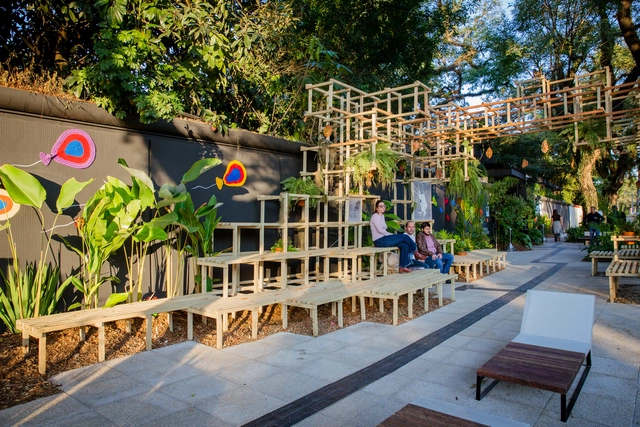
If the pavement of a sidewalk is a key element for the flow organization, the urban furniture chosen to compose the public space is responsible for the qualification of the place, creating more friendly spaces. Dumpsters, flowerbeds, signposts, benches, lighting, bike racks and so many others help transform a space that, despite being just a pass-through, is also the only public space in most cities.
In a new show at Kunst Haus Wien in Vienna, the Austrian artist continues his investigation of architecture where few civilians tread.
Gregor Sailer’s quest for unusual structures and buildings takes him to some of the most extreme reaches of human civilization — from military field exercise centers in the USA and Europe to a mining center near Chuquicamata in the Atacama Desert to Arctic snow fields.
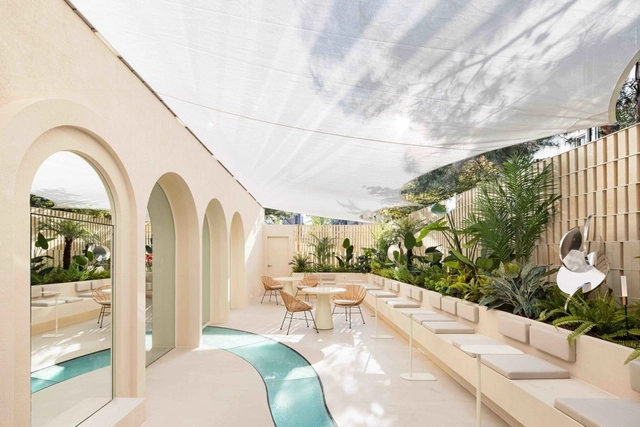
AHC Spa Waterful Desert in Soeul by FLYmingo . Image Courtesy of FLYmingo
Sudden lifestyle changes driven by the ongoing pandemic forced many to become well aware that the space they inhabit directly influences their well-being. Living and working spaces have adapted accordingly, incorporating features that promote calmness, health and sensitivity through innovation. Recognizing these new priorities, this year’s ICONIC AWARDS: Innovative Interior honoured the most important international design innovations, focusing on products that have special relevance in the context of the pandemic. The German Design Council’s prestigious award is regarded as the trend barometer of the interior design industry, showcasing outstanding appliances and furnishings that respond to four current concepts: Smart together, Less is more, Homo movens, and Material innovation.
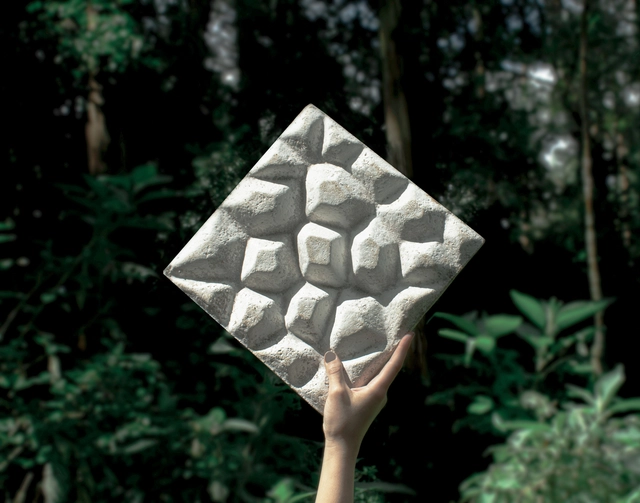
From fungi to architecture: this is how the team at Mushbio introduces their decorative cladding panel inspired by the Andes. Manufactured using parametric design, the panel is made from mushroom mycelium. Beyond contributing to cultural identity by mirroring the topography of the Ecuadorian and Latin American landscape, it offers thermo-acoustic properties, lightness, and a unique aesthetic, bringing nature into interior spaces.
Site analysis is a crucial first step in creating a viable building design. Considering site location, topography, zoning regulations, traffic conditions, and climate allows a designer to maximize opportunities and anticipate potential issues. The following four factors are crucial in getting the most value out of site analysis.
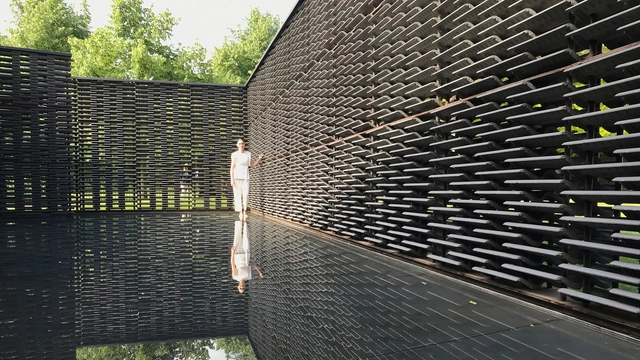
Each year, TIME publishes TIME100 Next, a list, inspired by its flagship TIME100, seeking to recognize 100 people from all industries around the world whose careers are on the rise. As a result, the 2022 TIME100 Next list features high-profile musicians and medical professionals, government officials, movement leaders and whistleblowers along with top CEOs, all selected by TIME journalists. However, in this year's list it is possible to recognize the only professional that represents the guild: the Mexican architect Frida Escobedo.
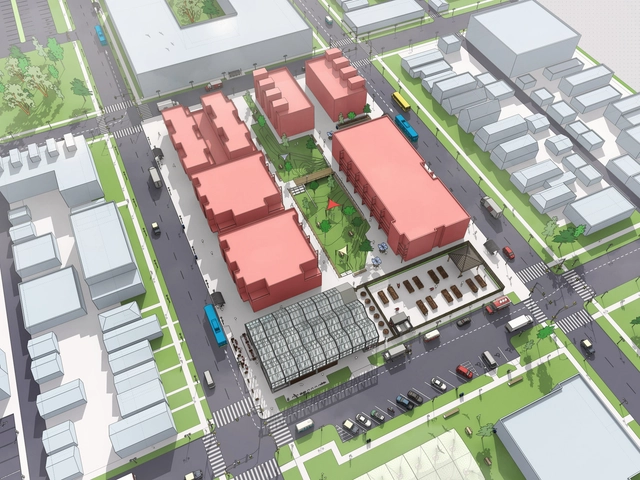
Don't be fooled. Size really does matter. Particularly when it comes to new urban housing developments, where the challenge of squaring housing density with quality of life and sustainability remains key.
Videos
Bad Bunny - "El Apagón" . Image via YouTube
As part of his recent releases over the past few months, the globally renowned reggaeton artist Bad Bunny debuted his new music video for the song "El Apagón," a track from his latest album "Un verano sin ti." Although the song was already streaming across various platforms, few anticipated that the video's release would serve as a powerful political stance on the current situation in Puerto Rico.
As part of a Tec de Monterrey initiative, this year the First Prize of the 213th Traditional Tec Draw is being held with a work by the Chilean architect who won the 2016 Pritzker Prize, Alejandro Aravena. Elemental House, is the second of the Houses of the 75th Anniversary of Sorteos Tec, which is celebrated this year.
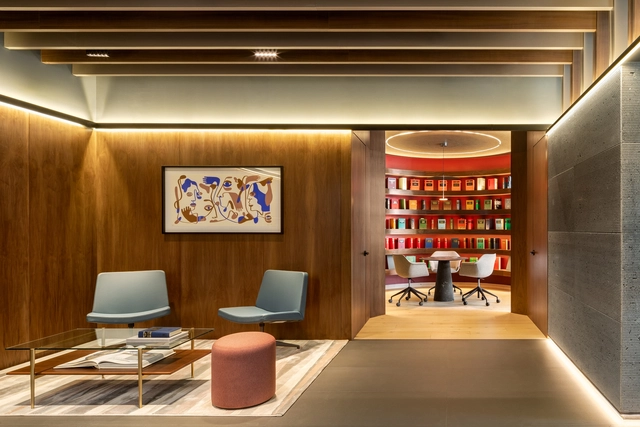
The Mexican firm Faci Leboreiro, led by Carlos Faci and Marina Leboreiro, has been recognized at the Grands Prix du Design in Quebec, Canada, for the interior design of their project Estudio Basalto, receiving the Gold Certification in the Office category. The fifteenth edition of the competition—which celebrates international excellence and exemplary practice among architects and designers—was held at the Théâtre Le Capitole before a jury of prominent professionals and academics.
Generation Z comprises people born after 1995. They grew along with the popularization of the internet and interact with the world by integrating all forms of available technology.
The diversity of available media, the speed in information traffic, the interactivity in the virtual environment and the daily use of these technological assets common today, influence the behavior of individuals of this generation, inspiring versatility, agility and curiosity.
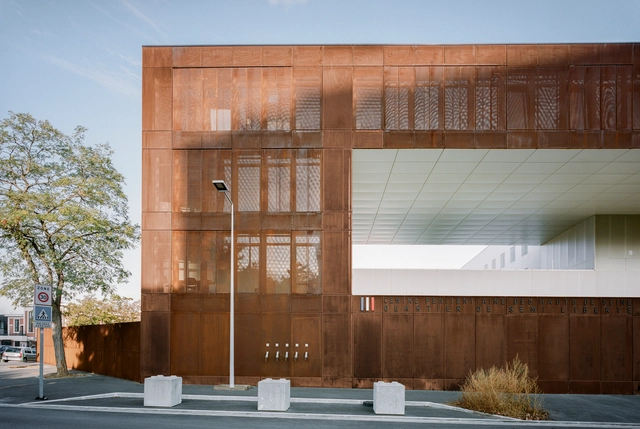
Commissioned from LAN (Local Architectural Network) by the French government, the Nanterre minimum-security prison project engages with the concepts of the penal system by critically reviewing the design of these buildings. The complex is guided by an attempt to better integrate it into the urban fabric, reinforcing the importance of the relationship between the city and prison structures as spaces for social integration. Consequently, understanding the proposal for the Nanterre Minimum-Security Area involves political, institutional, and historical factors that retrieve and reframe historical and contemporary debates surrounding the penitentiary system in general, and the French system in particular. While a prison is naturally understood by its confinement, LAN's design prioritizes an educational and humanitarian character to transform both the inmates and the public's perception of them.
https://www.archdaily.com/1132545/confinement-and-transparency-how-the-nanterre-minimum-security-area-contributes-to-redefining-the-classic-concept-of-the-prisonAlexandre Kok, Caio França, Gabriela Rudge, Lara Girardi, Lia Soares, Maria Clara Calixto, Marina Liesegang, Marina Saboya, Pedro Trama, Tamara Silberfeld e Valentina Kacelnik
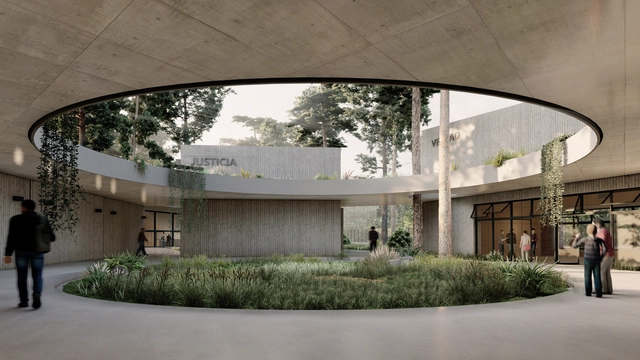
With the aim of bringing visibility to the state terror committed during the Argentine civic-military dictatorship that began in 1976, the Secretariat of Human Rights of the National Ministry of Justice and Human Rights commissioned the Institute of Architecture and Urbanism of the National University of San Martín (IA-UNSAM) to develop an architectural proposal for a new memory space on the grounds of Campo de Mayo, in the province of Buenos Aires.
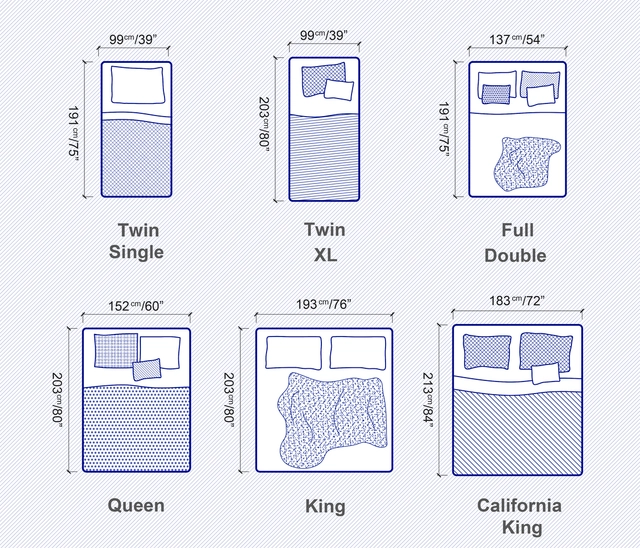
From an early age, we often hear phrases like “you must sleep a minimum of 8 hours a day.” It’s common knowledge that this brings invaluable health benefits, from reducing stress levels and keeping the immune system strong, to improving concentration, memory and decision-making skills. To guarantee a good night’s rest, having a comfortable bed that suits users’ needs is pivotal, especially considering that humans spend one-third of their entire life sleeping. Thus, when architects, designers and homeowners are faced with different bed options available in the market, the decision must be carefully thought-out and take a number of factors into account, whether related to aesthetics or functionality. But before any stylistic or material decision is made, it is crucial to start with the basics: defining the size of the mattress.