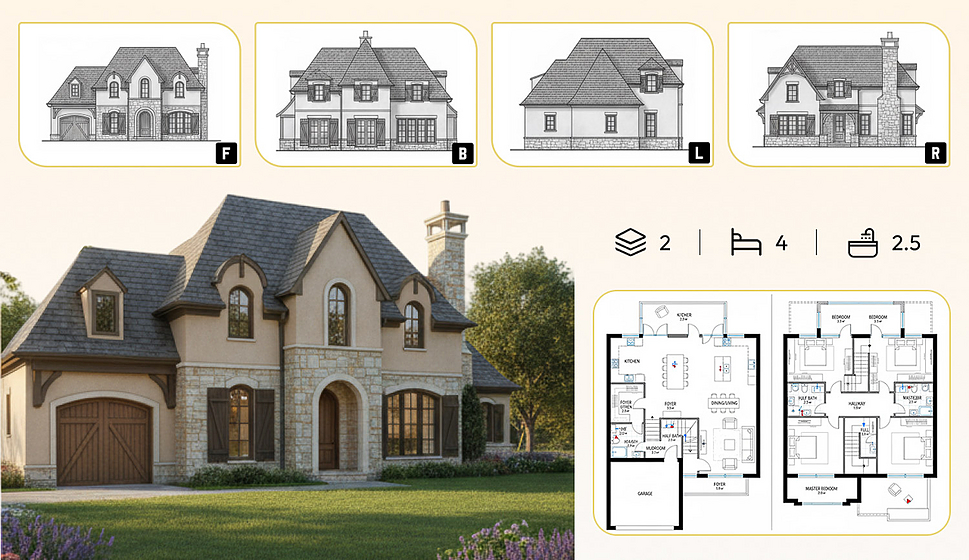
This guide covers a workflow that moves from project parameters to generated floor plans, 3D perspective views, exterior design exploration, and site context visualization, using AI tools in place of preliminary CAD and rendering work.
This guide covers a workflow that moves from project parameters to generated floor plans, 3D perspective views, exterior design exploration, and site context visualization, using AI tools in place of preliminary CAD and rendering work.
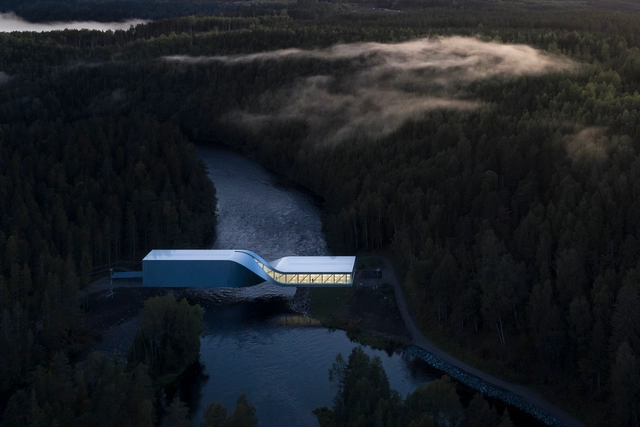
Architecture, with all its practitioners, academics, and theorists, have long been exploring utopic ideas with hopes of turning them into something concrete for the sake of a better world. But as the world heads towards an even greater polarization than it currently has, the architecture practice found itself having to adapt to the current systems of the planet, constrained by its ever-growing conditions. Slowly, practitioners realized that utopia can not truly be seen as the ideal solution, and needed to be readapted or morphed with other concepts for it to actually work. DETAIL's latest monograph BIG. Architecture and Construction Details / BIG. Architektur und Baudetails, a rapport between BIG’s imaginative, unbuilt utopias and functional, built architecture, explores 20 projects from the firm's workshop.
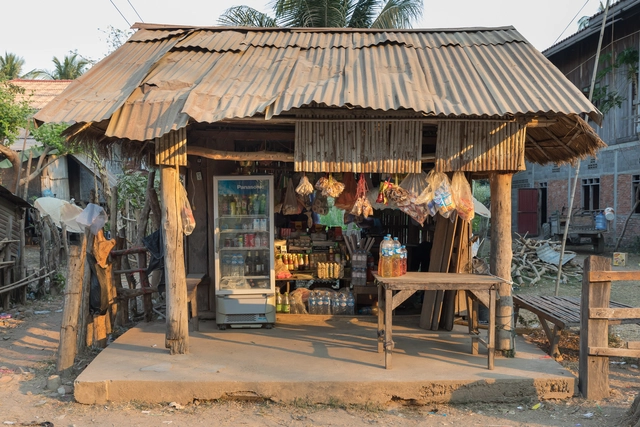
It’s an essential architectural element, one we tend to immediately take note of when we look at buildings new to us – the roof. The roofs that shelter the buildings we see in our cities today are diverse in their typology. Flat roofs are a common sight in the city centers of urban metropolises, hip roofs are a popular choice for dwellings around the world, and the gable roof is arguably the most common of all, a roof type popular in stylized depictions of what a standard house looks like.
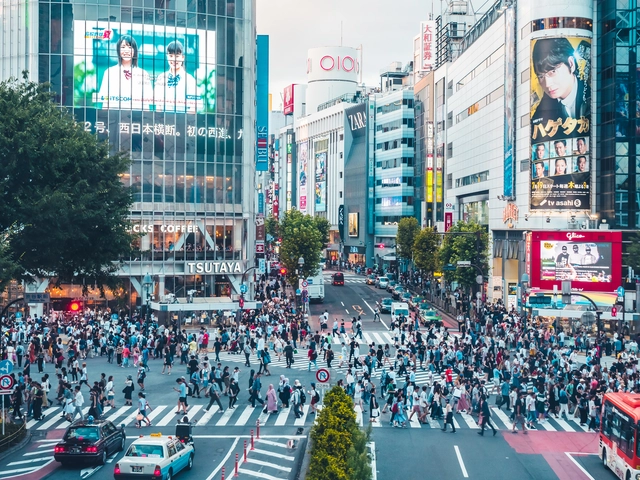
Half of the world’s population now lives in cities, according to UN-Habitat’s latest reports. While this number is set to increase to two-thirds by 2050, urban challenges are growing exponentially, making it more crucial than ever, to transform our cities. Annually, the world population review assesses the growth of cities and the number of residents living in metropolitan areas, to understand global evolution trends. In 2022, the list of the top 20 most populated countries remained similar to the 2021 edition, with a slight change in numbers and positions. Tokyo kept its status as the world’s largest city, with 37 million inhabitants, while Delhi and Shanghai, followed in second and third positions.
Comparing the results to the 2021 edition, the only decrease that can be seen in the top 20, involves both Japanese cities, Tokyo and Osaka. The rest of the list had, on average, a growth of 1.8% in the total of people residing in metropolitan areas. In fact, African cities Kinshasa in the Democratic Republic of Congo and Lagos in Nigeria gathered the highest rates, with respectively a 4.39% and a 3.54% increase in residents in 1 year. The largest city in the American continent is still Sao Paulo in Brazil, followed closely by Mexico City and Buenos Aires in Argentina, further down the table. In Europe, Istanbul is the most populous, with more than 14.5 million residents.
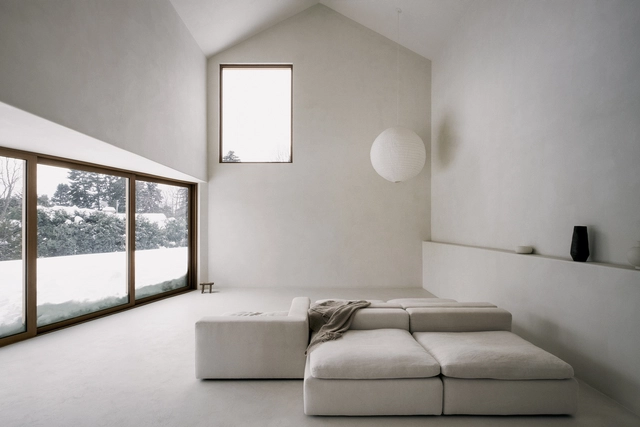
The visual aesthetic of the past few decades could be defined as designing with the principles of ‘nothingness’. Whether it’s through art, lifestyle, fashion, industrial, or interior design, there has been an alleged need to keep things at a bare minimum, promoting the globally-loved-yet-highly-criticized trend of minimalism. Minimalism is this notion of reducing something to its necessary elements, but who is deciding what is necessary, and who is deciding what is too much? With those questions in mind, combined with radical changes in consumerism and the way people live seen during recent years, current trends have shown that minimalism might be here to stay, but with a twist.
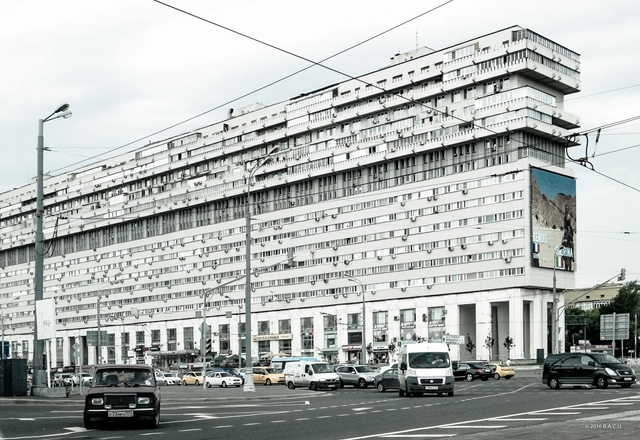
When cities grow, fuelled by an expanding population, housing becomes an essential component of the urban character of a metropolis. Across the world, housing experiments have been propagated by governments and states, with mixed results, and undoubtedly mixed opinions. The Soviet-era housing estates of Central and Eastern Europe are particularly interesting in that regard. These mass housing projects have been dismissed as eyesores and viewed as unimaginative monolithic structures. The legacy of these developments, however, is a lot more complicated than that.
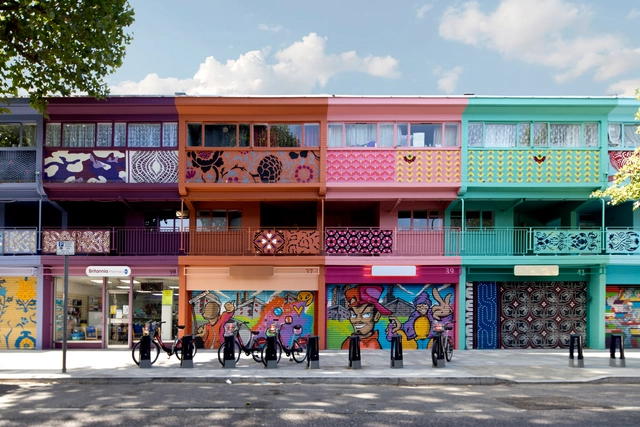
The award-winning firm based in London, England, Jan Kattein Architects, works to realize the civic and spatial opportunities that architecture presents’ with their projects establishing a social and physical legacy, achieved by embracing an open, interactive design process that responds positively to the needs and aspirations of the clients.
Allowing the process to drive each individual project, their method stimulates innovative design, seeking to add benefits through education, economic growth, cultural activity, and greater community coherence.
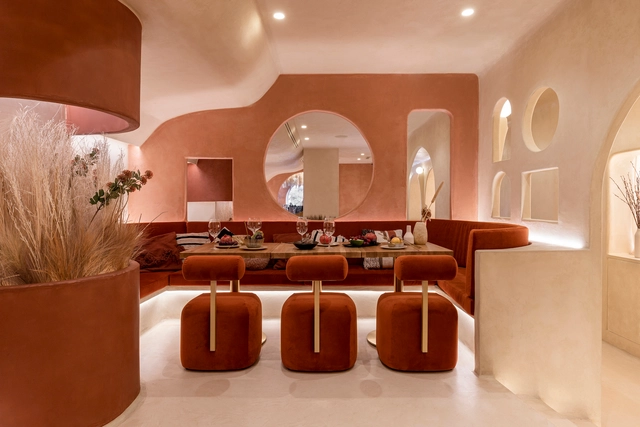
"The details are not the details. They make the design." – Charles Eames. Creating attractive spaces that anticipate the needs of users relies on several factors: scale, circulation, functionality, and comfort. However, the past few decades have proved that the visual appeal of a project is also greatly important, and can make or break the interior space. In this interior focus, we will explore the aesthetic side of interior design, looking at popular styles across the world and how architects and designers use elements such as color, furniture, accessories, and finishes to define their spatial identity.
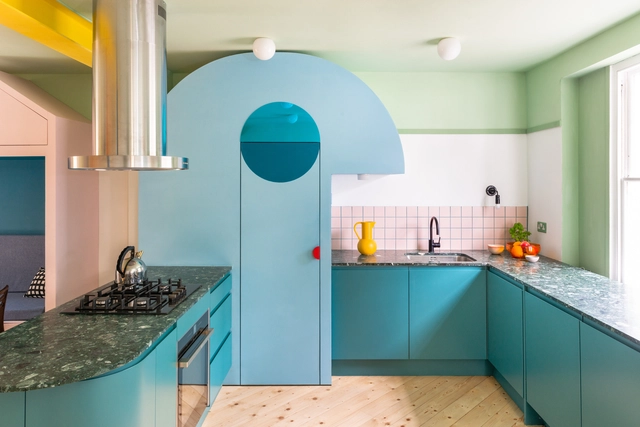
As transitory as trends may be, they always have a way of coming back. We see it all the time in fashion, with clothing pieces we thought were long gone coming back in style and reconquering the market. Interior design is no exception. Although this century has set the ideal on subtle sophistication and simplicity – with white surfaces, clean lines and slick gloss finishes –, bold retro enhancements are reviving in residential and commercial interiors. Whether in the form of vibrant colored walls, floors with intricate geometric patterns or vintage-looking furniture pieces, there seems to be a renewed appreciation for design elements inspired by trends from the second half of the 1900s, particularly from the 50s to the 80s.

Design Justice is a branch of architecture and design focused on redesigning cities, products, services and environments with historic reparations in mind.
The term emerged about 7 years ago when debates and dialogues about inclusion and diversity in spaces started to get stronger, creating movements that fought for the rights of people who had their roots and choices denied in society.
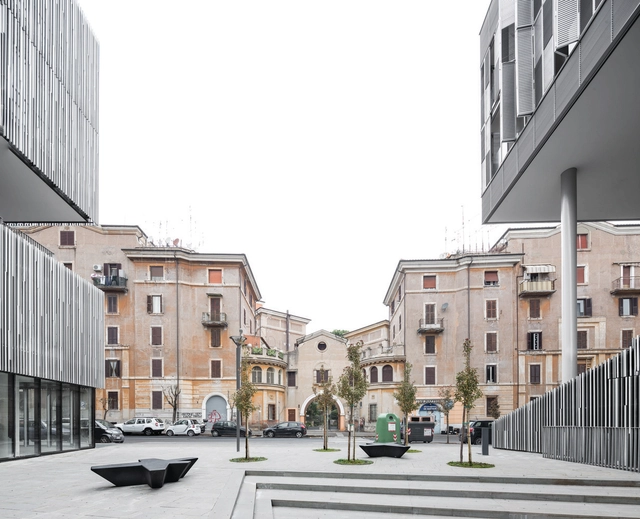
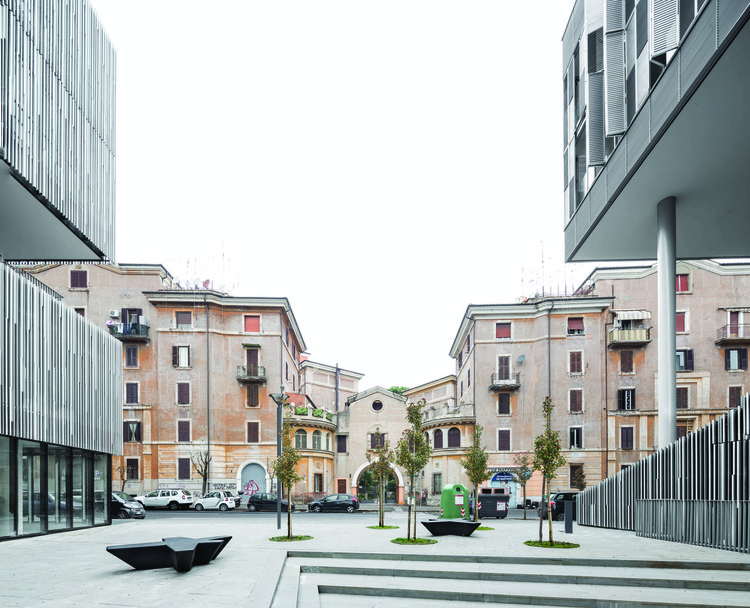
Spanning over 3 millennia with one of the highest concentrations of architecture in the world, Rome is a transcendental influence on the world's culture. A city rich in history, academia, and arts, the Italian capital is considered as one of the oldest continuously-occupied cities in Europe, and has maintained its countless layers of history to become a perfect depiction of old meets new, earning its nickname of "The Eternal City".
Rome's historic center, which stretches from Piazza del Popolo to Piazza Venezia and from the the east bank of the Tiber up to Piazza di Spagna, is listed as a UNESCO World Heritage Site. Along with its historical significance, the presence of renowned contemporary architects and designers in the city has made Rome an influential design destination. In 2019, it was the 14th most visited city in the world, welcoming over 8.6 million tourists to make it the third most visited in the European Union, and the most popular tourist destination in Italy.
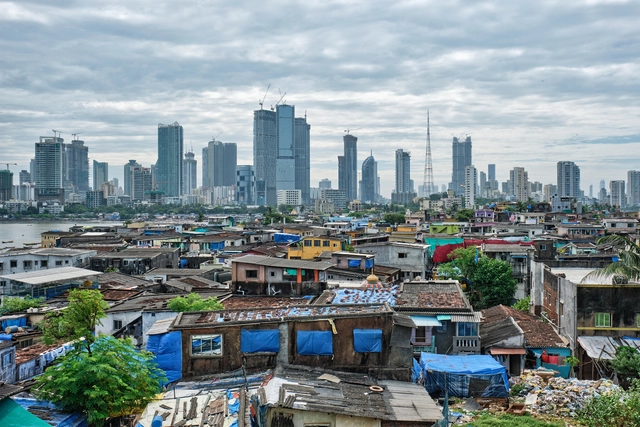
Almost seven kilometers from the green of Uhuru Park in central Nairobi, lies the informal settlement of Kibera. It is an area whose urban character consists of corrugated iron roofs, mud walls, and a complicated network of utility poles. Kibera, at this point in time, is a well-known place. Much has been written and researched on this “city within a city,” from its infrastructural issues to its navigation of the COVID-19 pandemic.
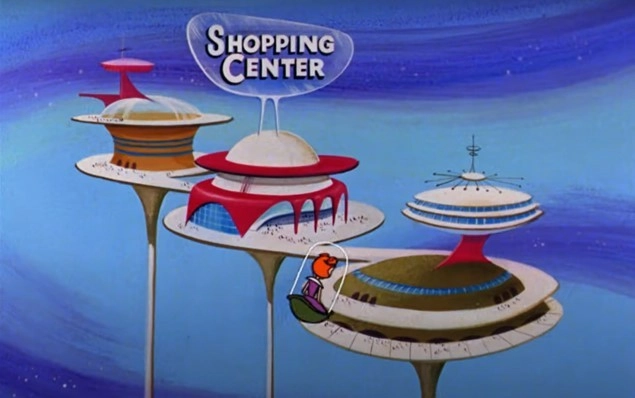
The dawn of nuclear power, dramatic advances in rocketry, and the desire to be the first to put men into space and on the moon, kick-started an era known as the ‘Space Age’. Upon the closure of WW2, both the Soviets and the Allies found themselves in a state of antagonism, as they both began to struggle to make advancements in space exploration before the other, a race for space. The era would give way to rapid advancements in technology and huge accomplishments including the moon landing in 1969. The Space Age aesthetic completely changed the way designers visualized the new world and left a dramatic impression on architecture and interiors. A new vision of futurism and prosperity.
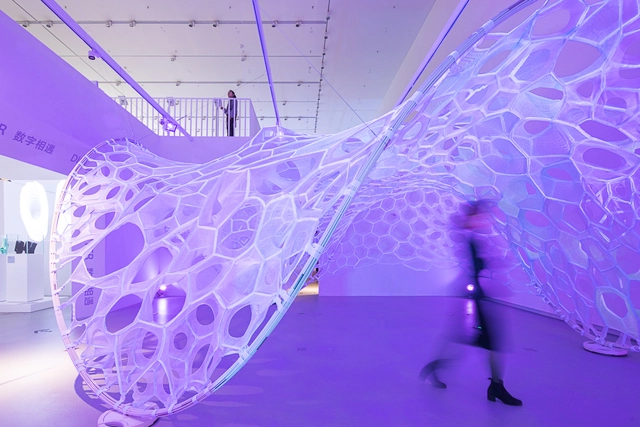
Architecture in its broadest sense concerns itself with the uprooting of structures that are permanent, cementing themselves within the greater cultural context and history of its humanity, however, where do we place the creation of structures that are designed with the intention to be disassembled. How much meaning and value can these structures hold, knowing they were never designed to last, but to simply take up space for a moment?
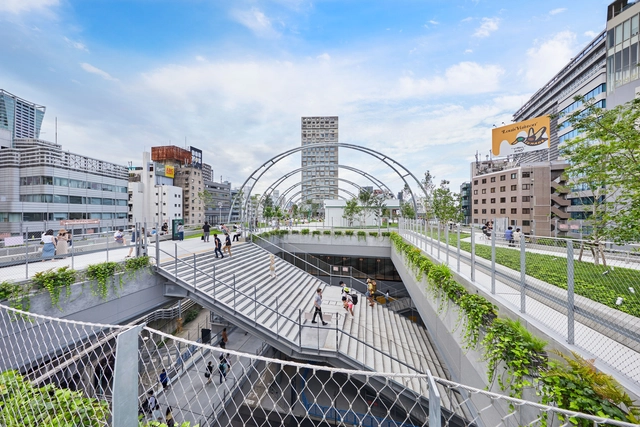
One of the world's leading metropolises, Tokyo is home to extraordinary architecture that fascinates through its blend of traditional values and high-tech expression. The 1923 earthquake and the bombardments of World War II dramatically influenced the image of the city and its architecture, giving rise to modern urban environments with complex infrastructure.
The Japanese capital constitutes the most populated metropolitan area in the world, housing 33 million inhabitants. Divided into 23 wards and numerous neighbourhoods, the city features a diverse blend of atmospheres and urban fabrics that support an amalgamation of architectural typologies.
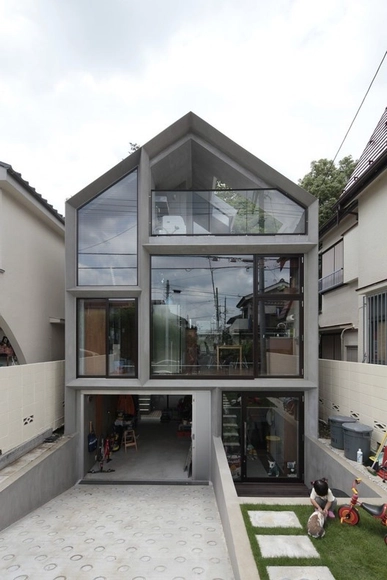
In most countries around the world, value is placed on older buildings. There’s something about the history, originality, and charm of an older home that causes their value to sometimes be higher than newly constructed projects. But in Japan, the opposite is almost always the preference. Newly-built homes are the crux of a housing market where homes are almost never sold and the obsession with razing and rebuilding is as much a cultural thing as it is a safety concern, bringing 30-year-old homes to a valueless market.
.jpg?1650608161)
For the past couple of years, the metaverse has been gaining prominence, prompting architects to consider its implications for our relationship with the physical environment and how can architecture contribute to this new virtual space. Architecture in the metaverse is no longer a fringe subject, having been embraced by established firms. "The metaverse is where much of the architectural action and innovation will be happening in the coming period," says Patrick Schumacher. Unbound from restraints such as physics, material properties and construction costs, the metaverse unlocked a new realm of architectural expression. The following looks at some of the various ways the profession engages with the expanding field of digital environments.


.jpg?1650608161)
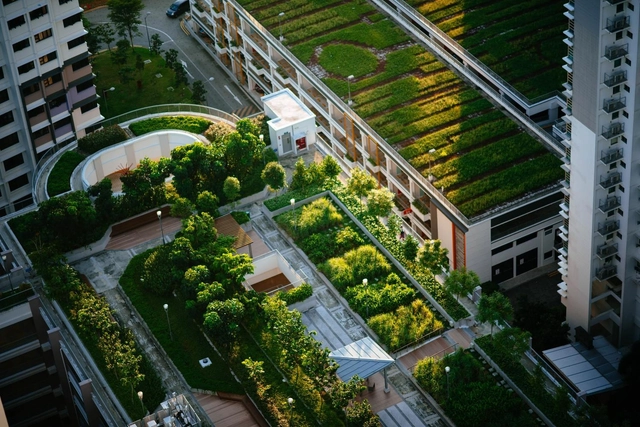
As the climate crisis continues to present itself as a significant threat to the future of the ecosystem and built environment, this year's IPCC report, titled Climate Change 2022: Impacts, Adaptation, and Vulnerability, found that while adaptation efforts are being observed across all sectors, the progress being implemented so far is greatly uneven, as there are gaps between the actions taken and what is needed. On this year's Earth Day, we explore the progress being made by governments and architects to achieve net-zero operations within the next decades.
.jpg?1650442901&format=webp&width=640&height=580)
The Coachella Valley Music and Arts Festival 2022, an annual festival held in the Colorado Desert in Indio, California, has opened to the public on Friday April 15th with immersive installations by 11 international architects, artists, and designers. Through explorations of scale, light, sound, and colors, the contextual installations explore global themes such as connectedness, environmental sustainability, immigration, social behavior and architecture, pop culture, and the community, and will be on display on April 15-17 and April 22-24, 2022.




.jpg?1653990029 "Khayelitsha Township - Cape Town. Image © Olga Ernst under the Creative Commons Attribution-Share Alike 4.0 International license.")













.jpg?1651830269 "Khayelitsha Township - Cape Town. Image © Olga Ernst under the Creative Commons Attribution-Share Alike 4.0 International license.")



.jpg?1582576434 "© Iwan Baan")
.jpg?1650190677 "© Daici Ano")


.jpg?1650442892 "Circular Dimensions x Microscape by Cris Cichocki. Photo by Lance Gerber. Image Courtesy of Coachella Valley Music & Arts Festvial")
.jpg?1650443789 "The Playground by Architensions, photo by Lance Gerber. Image Courtesy of Coachella Valley Music & Arts Festvial")
.jpg?1650443636 "Mutts by Oana Stănescu, photo by Lance Gerber. Image Courtesy of Coachella Valley Music & Arts Festvial")
_by_Mart%C3%ADn_Huberman__photo_by_Lance_Gerber__courtesy_of_Coachella_Valley_Music___Arts_Festvial_(2).jpg?1650443369 "Cocoon (BKF + H300) by Martín Huberman, photo by Lance Gerber. Image Courtesy of Coachella Valley Music & Arts Festvial")
.jpg?1650442901)