-
ArchDaily
-
Morocco
Morocco
https://www.archdaily.com/955605/casablanca-finance-city-tower-morphosis-architectsAndreas Luco
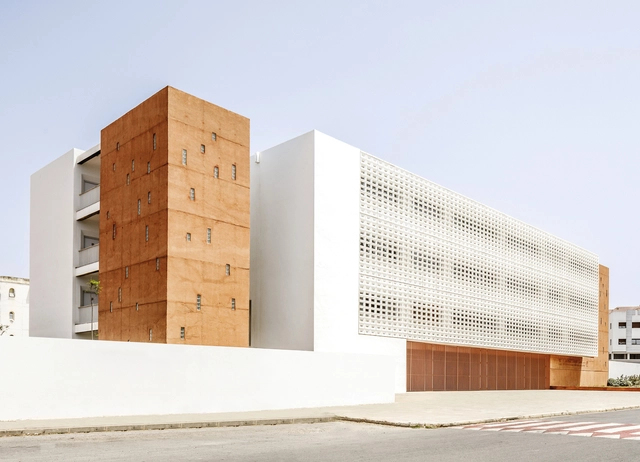 © Alessio Mei
 + 25
+ 25
-
- Area:
4382 m²
-
Year:
2020
-
Manufacturers: DELABIE, Holcim, Saint-Gobain, Adobe Systems Incorporated, Archicad, +10Balsan, Bearch, Dorma, Gerflor, Legrand, Lira Lighting, Lug Light, Twin Motion, Vitra Global, Weber-10 -
https://www.archdaily.com/950126/concrete-phrontistery-tarik-zoubdi-architecte-plus-moubir-benchekroun-architectValeria Silva
https://www.archdaily.com/948156/villa-jakaranda-04-sophia-sebti-architecte-plus-212-conceptionValeria Silva
https://www.archdaily.com/947436/lydia-residence-driss-kettaniPilar Caballero
https://www.archdaily.com/947371/villa-c-yachar-bouhaya-architecteValeria Silva
Videos
 © Hacer Bozkurt
+ 38
-
- Area:
140 m²
-
Year:
2019
-
Manufacturers: AutoDesk, AFS, Ahmet Demirel, Aldağ, Ansys Fluent, +16Arbor Ahşap Pencere, Beko, Carrier HAP, Daikin, Ege Kablo, Fibrobeton, Flow Design, Pekintas Schmid, Revit, Rhino, SBS Otomasyon, Sap2000, Serozan, SimaPro 9 LCA, TESCOM, VitrA-16
https://www.archdaily.com/942491/reyard-house-team-bosphorus-from-turkeyHana Abdel
https://www.archdaily.com/941503/villa-f-mohamed-amine-sianaAndreas Luco
https://www.archdaily.com/776269/taroudant-university-saad-el-kabbaj-plus-driss-kettani-plus-mohamed-amine-sianaKaren Valenzuela
https://www.archdaily.com/928065/kenitra-train-station-silvio-dascia-architecturePaula Pintos
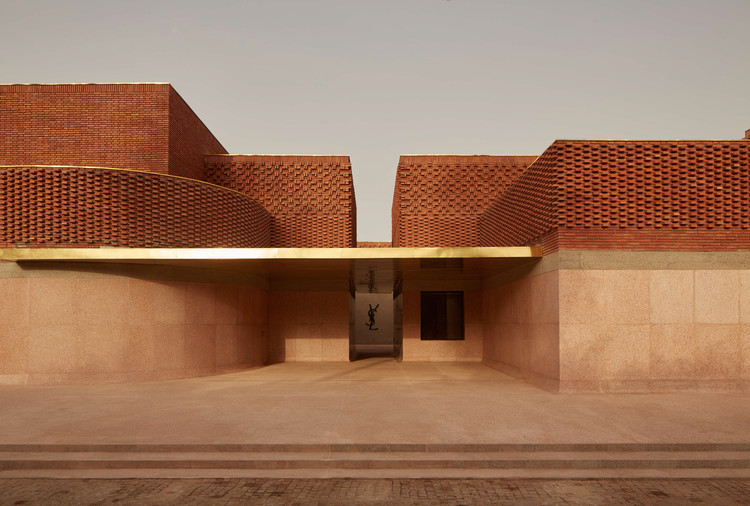
https://www.archdaily.com/925363/yves-saint-laurent-museum-marrakech-studio-koPaula Pintos
https://www.archdaily.com/912456/lm-house-elements-labPilar Caballero
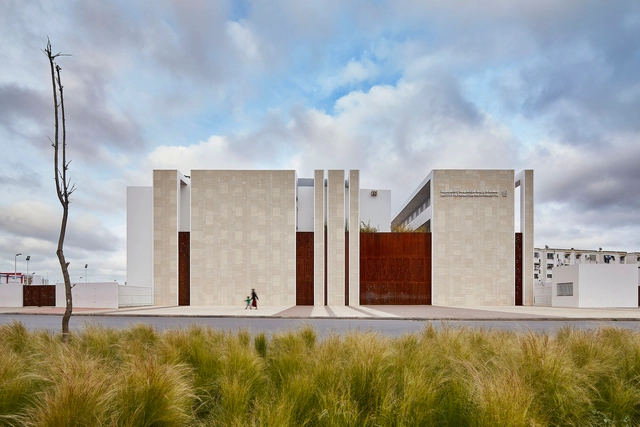 © Doublespace photography
+ 18
-
- Area:
8906 m²
-
Year:
2017
-
Manufacturers: DELABIE, Holcim, dormakaba, Bega, Roca, +7Saint-Gobain, Balsan, Blocotelha, Euro Seating, Gerflor, Lucibel, Metrowall-7
https://www.archdaily.com/900321/wall-of-knowledge-middle-school-tarik-zoubdi-architect-plus-mounir-benchekroun-architectPilar Caballero
https://www.archdaily.com/896819/preschool-of-ait-ahmed-bc-architects-and-studies-plus-tommaso-bisognoPilar Caballero
https://www.archdaily.com/898774/casanearshore-parcelle-a-and-b-groupe3architectes-plus-omar-aloui-plus-taoufik-el-oufirPilar Caballero
https://www.archdaily.com/896832/bio-climatic-preschool-bc-architectsDaniel Tapia
https://www.archdaily.com/895343/wifaq-sport-center-groupe3-architectesDaniel Tapia
https://www.archdaily.com/894328/guelmim-airport-groupe3architectesPilar Caballero
https://www.archdaily.com/866824/universite-mohammed-vi-polytechnique-ricardo-bofillValentina Villa
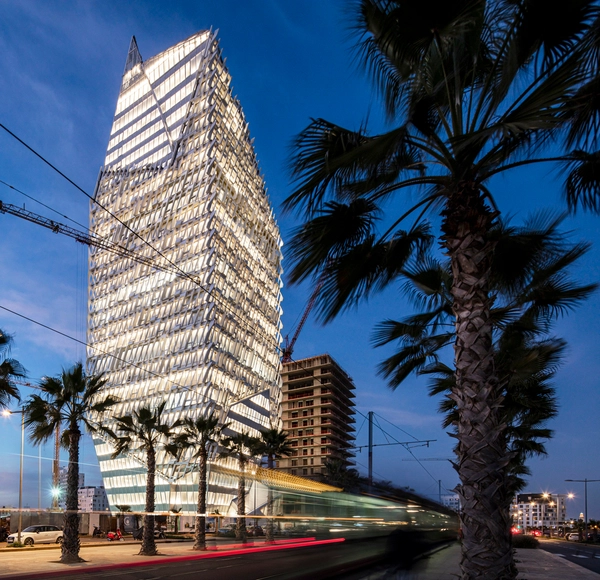





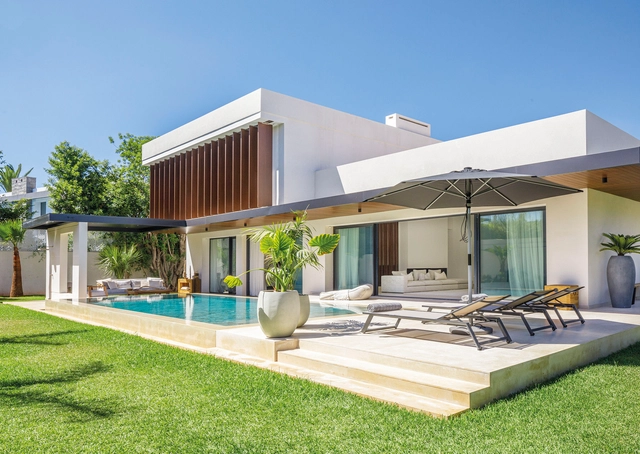
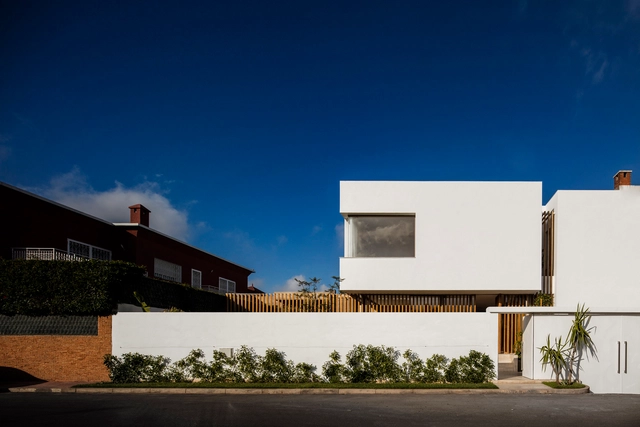
.jpg?1446156427&format=webp&width=640&height=580)
_Takuji_Shimmura_(6).jpg?1573244652&format=webp&width=640&height=580)
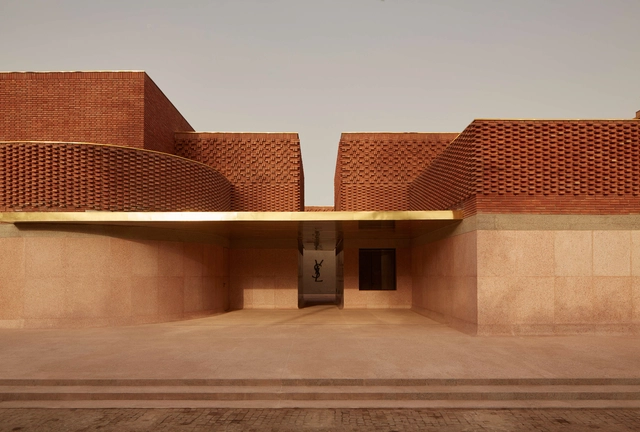
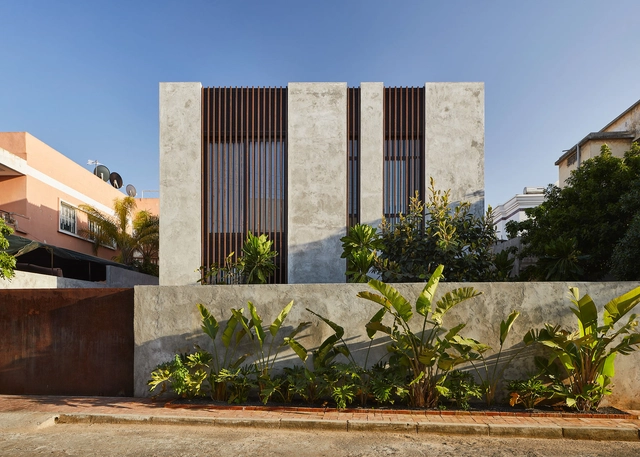








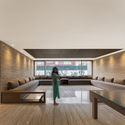

.jpg?1446155927 "© Fernando Guerra | FG+SG")
.jpg?1446156377 "© Fernando Guerra | FG+SG")
.jpg?1446156286 "© Fernando Guerra | FG+SG")
.jpg?1446155892 "© Fernando Guerra | FG+SG")
.jpg?1446156427)
_Takuji_Shimmura_(13).jpg?1573244334 "© Takuji Shimmura")
_Takuji_Shimmura_(7).jpg?1573244605 "© Takuji Shimmura")
_Takuji_Shimmura_(3).jpg?1573244788 "© Takuji Shimmura")
_Takuji_Shimmura_(17).jpg?1573244157 "© Takuji Shimmura")
_Takuji_Shimmura_(6).jpg?1573244652)