-
ArchDaily
-
Argentina
Argentina
https://www.archdaily.com/1016874/brick-house-lattes-salinas-arquitectosValeria Silva
https://www.archdaily.com/1017144/los-carlos-house-ap2rqAndreas Luco
https://www.archdaily.com/1017123/antonio-house-simon-albina-plus-tomas-rossiniPilar Caballero
https://www.archdaily.com/1017132/dragon-fly-house-barbara-berson-plus-horacio-sardinValeria Silva
https://www.archdaily.com/1017105/villa-471-estudio-autonomo-arquitecturaPilar Caballero
https://www.archdaily.com/1015758/house-in-santa-emilia-anibal-bizzotto-plus-bruno-siraboAndreas Luco
https://www.archdaily.com/1016267/terra-house-fabrizio-puglieseAndreas Luco
https://www.archdaily.com/1016204/orange-obras-civiles-offices-agustin-lozadaPaula Pintos
https://www.archdaily.com/1016168/boris-house-dodds-estudioAndreas Luco
https://www.archdaily.com/1016079/sd28-house-estudio-gmarqPilar Caballero
https://www.archdaily.com/1016020/house-three-estudio-galeraClara Ott
https://www.archdaily.com/1015502/thames-house-ignacio-szulman-arquitectoClara Ott
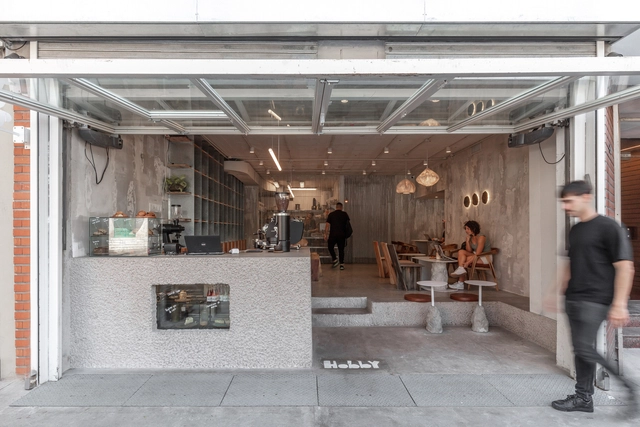
https://www.archdaily.com/1015474/hobby-specialty-cafe-cupla-arquitectura-lucia-vallve-and-tomas-mielnikowiczClara Ott
https://www.archdaily.com/1015442/mutan-project-morsa-taller-plus-emilia-pascarelliAndreas Luco
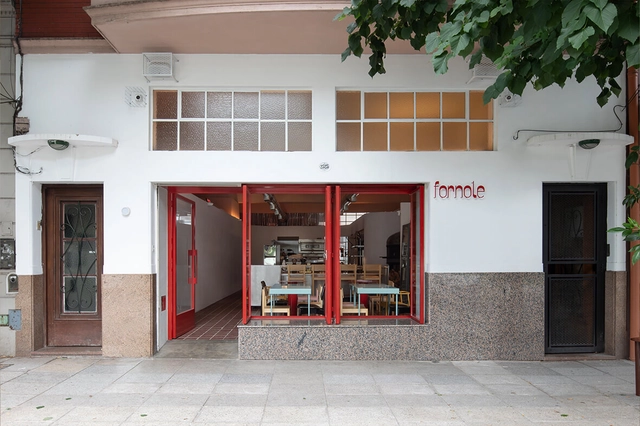
https://www.archdaily.com/1015322/fornole-florencia-rissotti-arqPilar Caballero
https://www.archdaily.com/1015305/espinosa-studios-julio-sanchez-arimaynPilar Caballero
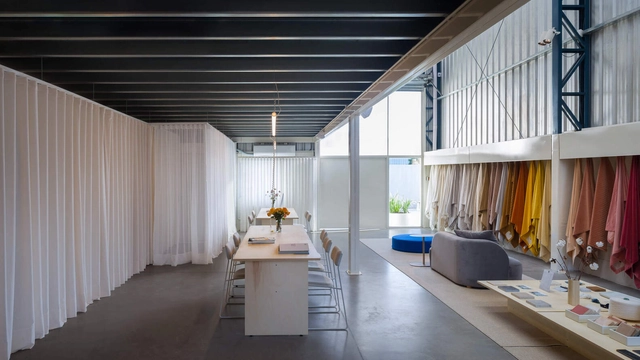
https://www.archdaily.com/1015287/tienda-mayor-showroom-florencia-rissotti-arqPilar Caballero
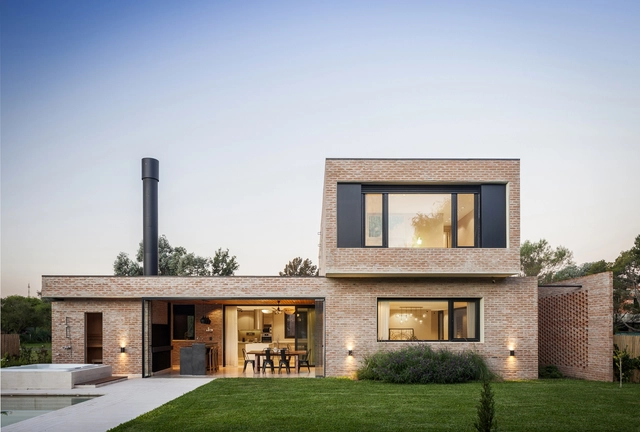
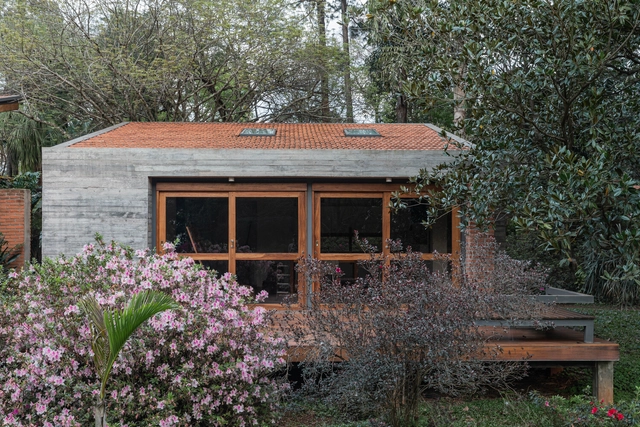 © Sofia Schiavoni
 + 40
+ 40
-
- Area:
63 m²
-
Year:
2022
-
Manufacturers: Sika, ACINDAR, Alba, Awaduct, Calvu, +11Cerámicas Garuapé, Cetol, Durlock, FV, Klaukol, Loma Negra, Roca, Samsung, Velux, Vite, Weber-11
https://www.archdaily.com/1014953/atelier-casa-go-magarqValeria Silva