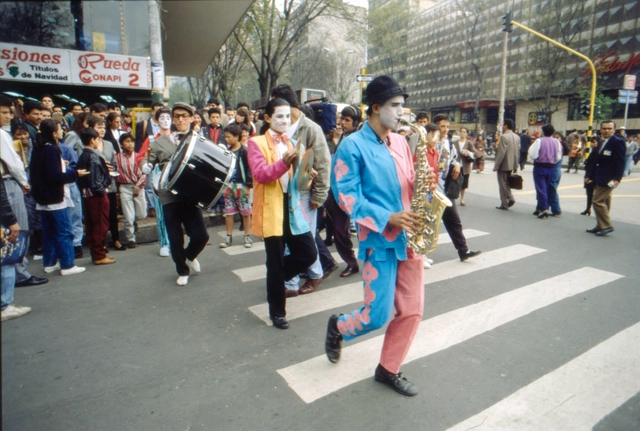
Mimes ridiculing bad-behaviour on the roads in Bogotá
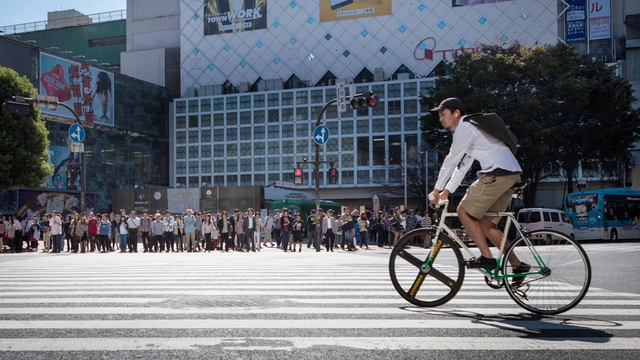
In a recent article for The New York TimesAntanas Mockus, the former Mayor of Bogotá who served two terms in office between 1995 and 2003, discusses what he learnt to be "the art of changing a city." Mockus, a professor of philosophy by vocation, was at times pressured to wear a bullet-proof vest — which he wore with a heart-shaped hole cut over his chest as a "symbol of confidence, or defiance, for nine months." His article discusses how his government tackled Bogotá's "chaotic and dangerous" traffic through a thumbs-up, thumbs-down card system performed by mimes, how they dealt with water shortages, and how they persuaded 63,000 households to voluntarily pay 10% more tax.
In a recent article for The Observer, Rowan Moore discusses what he describes as the "quiet revolution in British housing." In compiling a list of practices and collectives from the recent past and present, he has created a compendium of people and organisations who he believes are creating exemplary dwellings in the UK. Noting that the British housing stock is not necessarily in the best shape (a symptom of the 1970s), Moore ultimately offers an optimistic message tinged with words of caution.
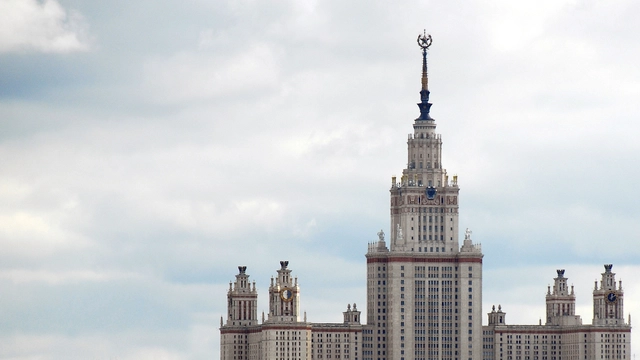
For the latest edition of The Urbanist, Monocle 24's weekly "guide to making better cities," the team travel to Moscow, Portugal and Hong Kong to examine how "architecture has always been the unfortunate sidekick of any dictatorial regime." In the process they ask what these buildings actually stand for, and explore the legacy of the architecture of Fascist, Imperial and Brutalist regimes from around the world today. From the Seven Sisters in Moscow to António de Oliveira Salazar's Ministry of Internal Affairs in Lisbon, this episode asks how colonial, dictatorial and power-obsessed architecture has shaped our cities.
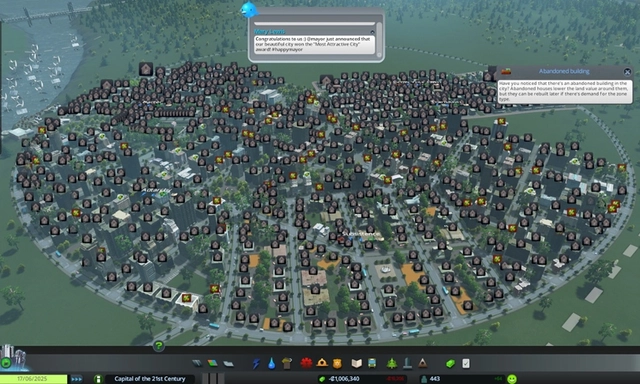
As part of an ongoing series of articles for Guardian Cities, architect Finn Williams uses the Cities: Skyline Simulator to ask whether "the game’s growth-driven model proves incompatible with a post-growth strategy" — ultimately narrating its response to this challenge in the form of a "resounding no." The game, which is designed to "realise the thrill and hardships of creating and maintaining a real city," allows for players to deal with infrastructure issues, housing problems, and budgetary matters on a large urban scale.
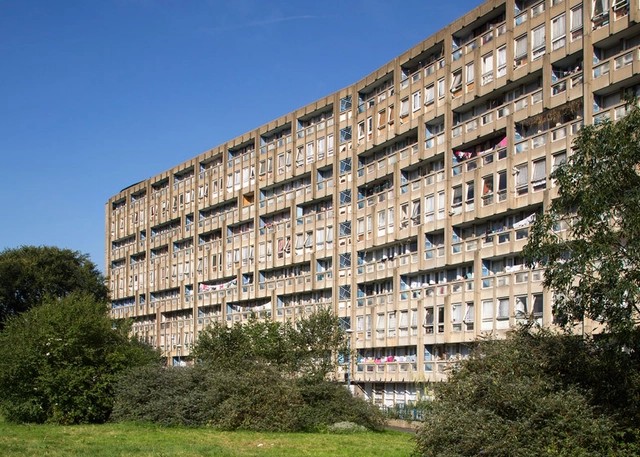
In the latest episode of 99% Invisible, Hard to Love a Brute, Roman Mars and Avery Trufelman take a look at the potted history of the "hulking concrete brutes" of post-war Europe, centring on the UK, and the US east coast. Exploring Ernö Goldfinger's Balfron and Trellick towers, while making a pitstop in Boston, MA, this twenty minute podcast examines why people "love to hate" Brutalism and why, "as harsh as it looks, concrete is an utterly optimistic building material."
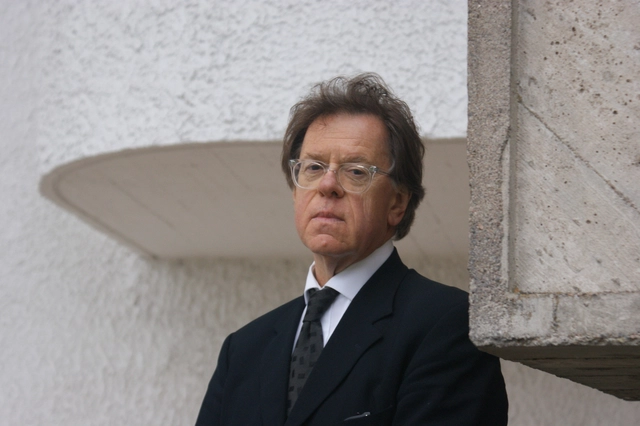
Following the conclusion of a new radio series featuring in-depth interviews with inspirational names in global politics, business and the arts, we've picked out and compiled four of our favourites for you to listen to. Thirty minutes each, Monocle 24's collection of Big Interviewshave heard from the likes of London-based designer Thomas Heatherwick, architectural critic, writer and broadcaster Jonathan Meades, plus developers and hoteliers Ian Schrager and André Balazs.
In spite of this, it has now been announced that the UK Heritage Minister, Tracey Crouch, "is minded to approve the Certificate of Immunity for Robin Hood Gardens" meaning that the decision not to list the residential complex in Tower Hamlets will be upheld, giving a"legal guarantee that the building or buildings named in the certificate will not be considered for listing for five years." This will be the second certificate of this type to have been issued for this complex. According to Historic England, "a period of 28 days [beginning on the 4th August 2015] is now allowed for review before the certificate is issued."
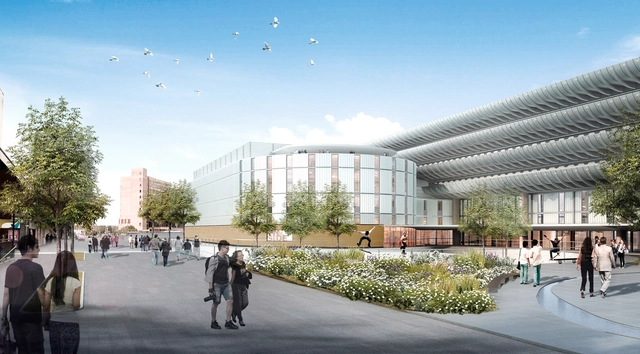
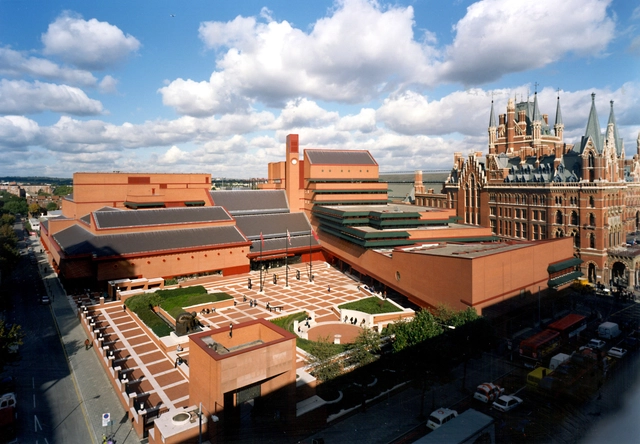
The British Library in London's St. Pancras is often hailed as the only major public building to be built in Great Britain in the twentieth century. "No other project, since the building of St. Paul’s Cathedral over 400 years ago, took so long to construct or was surrounded by so much controversy." Begun in 1962, completed in 1997, and opened to the public in 1998, the Brutalist building is a world-class a repository of artistic, scholarly and literary treasures. It has now, along with seven other post-war libraries, been given Grade I Listed status for "its soaring and stimulating spaces" which, according to Historic England, have become "much-loved and well-used by scholars and members of the public alike."
For this week's edition of Section D, Monocle 24's weekly review of design, architecture and craft, the Monocle team take a trip to the near-complete Olympic Village in Rio de Janeiro, plus take a look at the history of the US Embassy in Havanna. The latest edition of The Urbanist explores etiquette and politeness in the metropolis, examining the unspoken rules of conduct that make our cities tick and delve into the psychology of 'urban etiquette'.
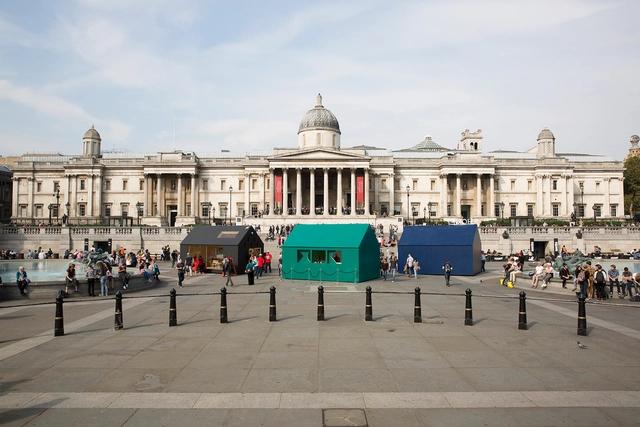
Trafalgar Square (2014 LDF). Image Courtesy of London Design Festival
The 2015 London Design Festival, an annual event held to celebrate and promote London as "the design capital of the world," will run this year between the 19th and 27th September. As a platform for some of the capital's major trade shows, the city-wide event aims to showcase exhibitors from across the world at a series of 'Design Destinations' — places at which established and emerging designers, manufacturers and brands can present their products and innovations.
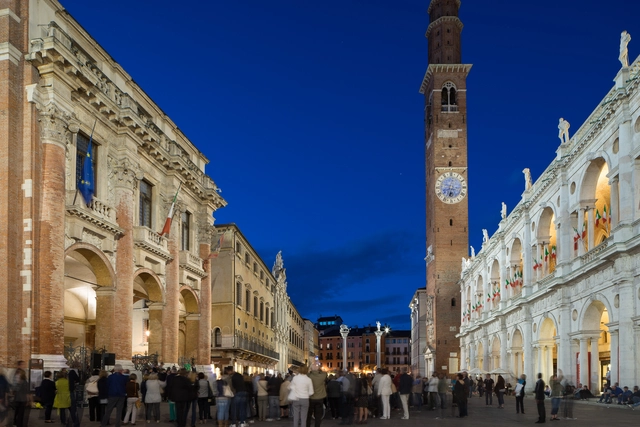
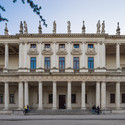
Phillip Bond, an architectural photographer based in the US, recently made a trip back to the city of his birth: Vicenza. While there he took the opportunity to photograph a series of Andrea Palladio's most famous works, from the Palazzo Chiericati and the Basilica Palladiana, to the Palazzo del Capitaniato. The vast majority of Palladio's built works exist in the Veneto region of Italy in cities such as Padua, Verona, and Venice with the highest concentration in Vicenza, which was designated as a UNESCO World Heritage Site in 1994.
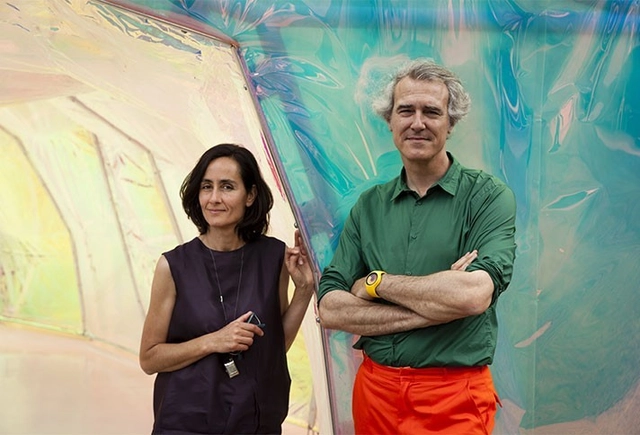
Last month, as part of their Park Nights event series, COS assembled Spanish architects José Selgas and Lucía Cano (SelgasCano) at their new pavilion for the Serpentine Gallery in London's Hyde Park to discuss the concepts behind their design and the history of the Pavilion Commission with Serpentine directors Julia Peyton-Jones and Hans Ulrich Obrist. They were joined by Chilean architect Smiljan Radić, designer of the 2014 pavilion, and Japanese architect Sou Fujimoto, designer of 2013's, in an hour long conversation moderated by Sarah Ichioka.
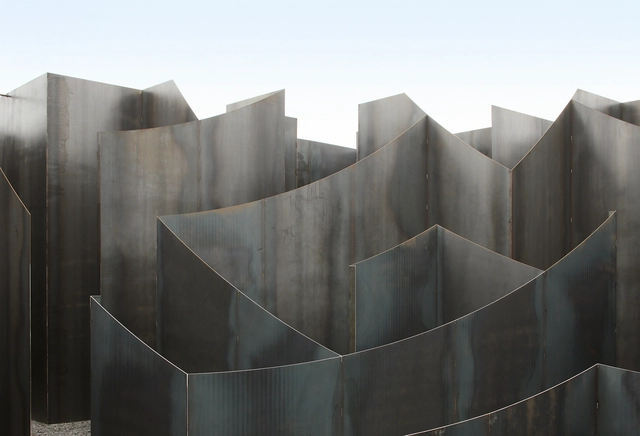
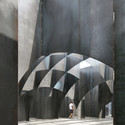
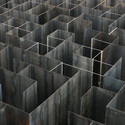
Gijs Van Vaerenbergh, an artistic collaboration between architects Pieterjan Gijs and Arnout Van Vaerenbergh, have created a labyrinthine intervention at the heart of the c-mine arts centre in Genk, Belgium. The development of this sculptural-spatial intervention has its foundations in the artists' interest in fundamental architectural typologies; earlier installations of theirs have been based on structures like the city gate, the bridge, the wall, and the dome. Here, the "age-old" form of the labyrinth" is explored as a spatial experience in a unique composition of wall and void.
For this edition of The Urbanist, Monocle 24's weekly "guide to making better cities," the team investigate politics in global "power cities." Visiting Brussels, capital of Belgium and administrative capital of the European Union, they explore how politics have changed the city over the last four decades. Further south, they travel to Vienna which, "diplomatically remains very important and wields power." Yet even though the UN have an outpost there, is the Austrian capital still a stage for international diplomacy? The episode also makes a quick stop at Embassy Row in Washington D.C. to examine the architecture of diplomatic design.
The Royal Institute of British Architects (RIBA)’s Future Trends Survey for June 2015 shows "an all-time high," with the workload index ascending to +44 compared to +37 last month. All nations and regions within the United Kingdom returned positive balance figures, with practices in the Midlands and East Anglia responding most confidently about workloads in the next quarter. Following a slight fall last month, the private housing sector workload forecast increased to +39 (from +34), while the public sector saw a modest increase back into positive figures. Workload forecast balance figures have remained extremely high. The survey reports that large-sized practices continue to be the most optimistic about growth, while small and medium-sized practices "remain in strongly positive territory."
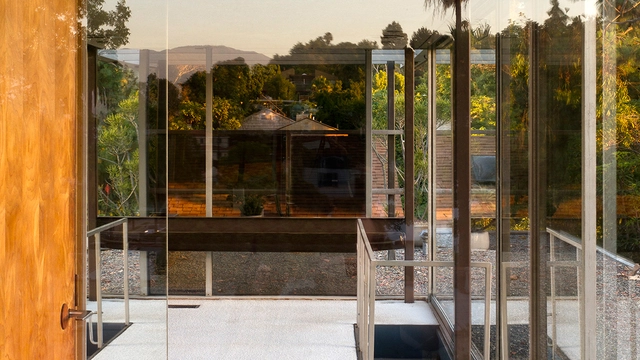
In the latest episode of Section D, Monocle 24's weekly review of design, architecture and craft, the team visit Richard Neutra's iconic modernist Neutra VDL Studio residential complex and Residences in Los Angeles. Though Modernism has often been criticised for imposing universal rules on people and areas, it was Neutra's intense client focus that won him acclaim.
"London is on the verge of being ruined for all future generations," says Alain de Botton – a Swiss philosopher, notable author and founder of The School of Life and Living Architecture. "With a whopping 260 towers in the pipeline no area is safe, as planners, property developers and the mayor's office commit crimes against beauty to create fun buildings." In a film for The Guardian De Botton explains why he believes we're right to be nervous – and how we can stop this "clear desecration" of the UK's capital city.


_Nick_Kane_6.jpg?1439884712&format=webp&width=640&height=580)