1. ArchDaily
  2. Historic England

Historic England: The Latest Architecture and News

London’s Southbank Centre Receives National Heritage Protection After 35-Year Campaign

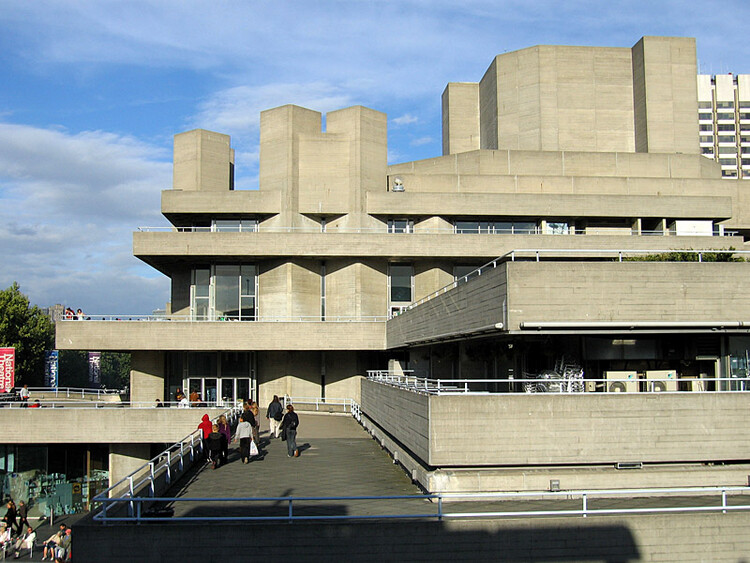
The Southbank Centre is a cultural complex in London built between 1963 and 1968 and widely regarded as a representative example of British Brutalism. Today, the site hosts a wide range of events, including visual arts, theatre, dance, classical and contemporary music, literature, poetry, and debate. The building was designed by a team from the Architects' Department of the London County Council, led by architect Norman Engleback. It became a controversial example of modern architecture following its opening in October 1967, when engineers voted Queen Elizabeth Hall "the supreme ugly" in a poll of new buildings, and the Daily Mail referred to it as "Britain's ugliest building." Fifty-nine years later, on February 10, 2026, the complex was granted Grade II listed status by the UK government's Department for Culture, Media and Sport (DCMS), following a 35-year campaign advocating for its protection as modern architectural heritage.

London’s Southbank Centre Receives National Heritage Protection After 35-Year Campaign - Image 1 of 4London’s Southbank Centre Receives National Heritage Protection After 35-Year Campaign - Image 2 of 4London’s Southbank Centre Receives National Heritage Protection After 35-Year Campaign - Image 3 of 4London’s Southbank Centre Receives National Heritage Protection After 35-Year Campaign - Image 4 of 4London’s Southbank Centre Receives National Heritage Protection After 35-Year Campaign - More Images+ 3

A Classic Guide to England’s Cathedrals

Subscriber Access | 

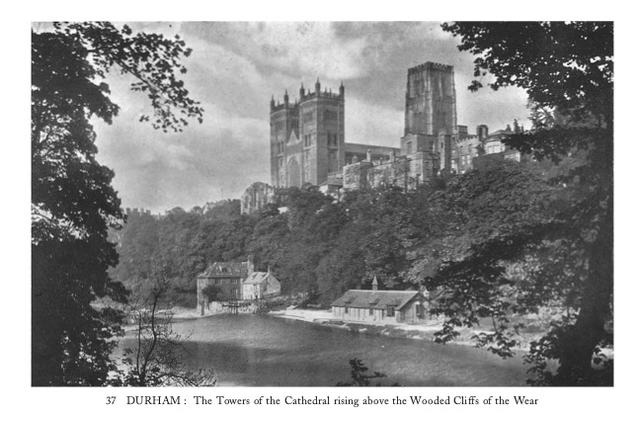
The most recent edition of The Cathedrals of England brings to a new generation the classic 1930s Batsford guide to England’s religious architecture. Concisely written and speaking to a broad readership, the book serves as a practical guide today as it did almost a century ago, acting as a reference catalogue for every Church of England cathedral in the country at the time.

Historic England Celebrates Postmodernism with 17 New Heritage Listings

Historic England Celebrates Postmodernism with 17 New Heritage Listings - Image 2 of 4
Judge Business School / John Outram (Grade II* Listing). Image © Wikimedia user Cmglee licensed under CC BY-SA 3.0

Historic England has given protection to 17 Post-Modern buildings through their new listing publication. The bold, playful examples of a critical reaction to Modernism, designed between 1970 and 1990, have been listed to stem losses for the valued architectural style, following a recommendation from the UK government’s Department for Digital, Culture, Media, and Sport.

The listed schemes vary in terms of location and use, encompassing culture, housing, education, civic, commercial, and law. From Crown Courts in Cornwall and warehouses in Slough to libraries in Cambridge and housing schemes in London, the listings reflect a revived interest in Post-Modernism, which was spurred by the 2011 “Style and Subversion” exhibition at the V&A in London.

Robin Hood Gardens, Once Again, Looks Set to be Demolished

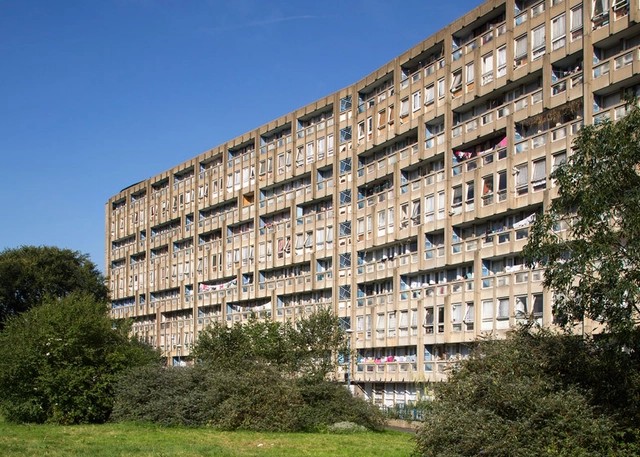
The announcement in 2012 that London's Robin Hood Gardens — Alison and Peter Smithson's world-famous Brutalist housing estate — was set to be demolished was, on the whole, met with outrage among the architectural community. Since that time, many called for the profession to act in order to protect "one of Britain’s most important post-war housing projects," which led to a fresh bid to save the scheme in March of this year. Richard Rogers, Simon Smithson (a partner at RSHP and son of Alison and Peter Smithson), and academic Dirk van den Heuvel recently called upon members of the public to voice their concerns to the UK Ministry for Culture, Media and Sport.

In spite of this, it has now been announced that the UK Heritage Minister, Tracey Crouch, "is minded to approve the Certificate of Immunity for Robin Hood Gardens" meaning that the decision not to list the residential complex in Tower Hamlets will be upheld, giving a "legal guarantee that the building or buildings named in the certificate will not be considered for listing for five years." This will be the second certificate of this type to have been issued for this complex. According to Historic England, "a period of 28 days [beginning on the 4th August 2015] is now allowed for review before the certificate is issued."