Some researchers define the Anthropocene as beginning at the Industrial Revolution. Others identify it with the explosion of the first nuclear bomb, and others with the advent of agriculture. Regarding the precise timeline, there is not yet a scientific consensus. But the notion that human activities have been generating changes with planetary repercussions, whether in the temperature of the Earth, in biomes, or in ecosystems, is one that has become increasingly popular. The anthropocene would be a new geological era marked by the impact of human action on planet Earth. This acknowledgement of human impact is particularly disturbing if we consider that if the entire history of the Earth were condensed in 24 hours, humans would only appear in the last 20 seconds. Whether in the massive extraction of natural resources or in the carbon release from vehicles and industries, it is well known that a large part of the fault lies with construction activities, especially in the production of solid waste due to waste and demolition. In Brazil, for example, civil construction waste can represent between 50% and 70% of the mass of solid urban waste [1]. Many will end up being discarded irregularly or thrown in landfills to be buried indefinitely.
Having access to a bathroom is, above all, a factor of dignity. As basic as this fact may seem, the WHO (World Health Organization) estimates that 2 billion people worldwide do not have access to basic sanitation facilities, such as bathrooms or latrines. Such inadequate sanitation causes 432,000 deaths annually, mainly from diarrhea, in addition to being an aggravating factor for several neglected tropical diseases including intestinal worms, schistosomiasis, and trachoma. In 2010, the UN (United Nations) labeled sanitation a basic right, alongside access to drinking water.
In her Sesc Pompéia theater, architect Lina Bo Bardi designed a central stage revealing the structure and all the functions of the theater's program, and renouncing traditional theater seating. Her seats were not upholstered, were close to each other, and encouraged a more aware, attentive, and upright posture among the audience, thus honoring, according to her, the ancient art of theater.
In the same way that the characteristics of architectural spaces alter our mood, feelings, concentration, and learning, so does the integral design element of furniture, which must be taken seriously when considering comprehensive user experiences. Regarding schools and learning environments in particular, the same attention given to teaching materials is often not conferred on furniture and physical structure.
The issue of the housing deficit plagues virtually all countries today. According to a study by the McKinsey Global Institute, 330 million urban families worldwide lack decent housing, or housing costs are so heavy that they need to forgo other basic needs such as food, heath care, and education for children. According to the WRI (World Resources Institute), it is estimated that 1.6 billion people will lack adequate housing by the year 2025.
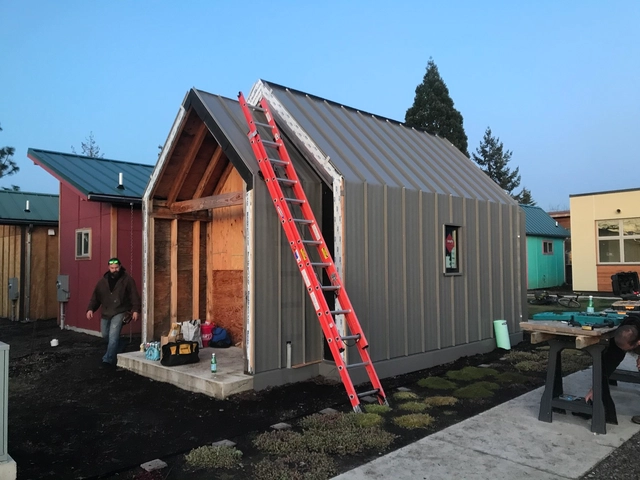
Solving this problem is, understandably, complex. Having good housing means much more than simply having a roof over your head. Good housing is essential for physical and financial security, economic productivity, and human well-being. In addition to adequate comfort, it is essential that these houses are integrated with the city, jobs, infrastructure, and city services. For people living on the street, this issue is even more delicate. Among many other necessities, having a place to structure a life is essential to moving forward and prospering. One project that confronts this issue is Emerald Village Eugene (EVE), an affordable micro-housing community with a unique housing model structured to enable residents to transition from the streets.
Videos
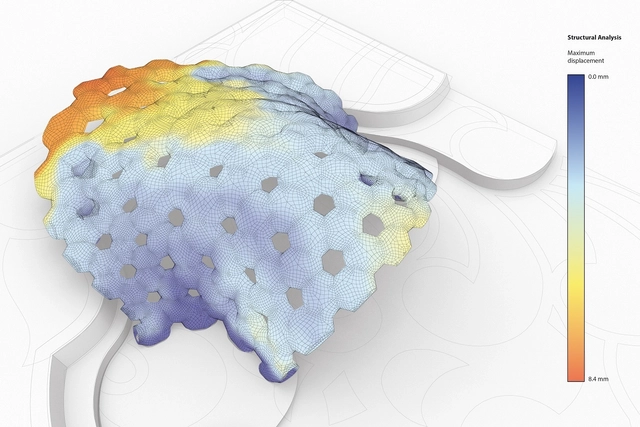
Análises estruturais. Image Cortesia de Oliver Krieg
When someone mentions architecture visualization, most immediately think of sketches, computational renderings, and drawings. This connection occurs because we almost always associate visualization with picturing a project that is not yet built, either for the validation of aesthetic and functional decisions or to represent the idea to a client, who is often unfamiliar with technical drawings. Yet in addition to considering superficial elements such as materials, plans, textures, and colors, when carrying out a project, the architect needs to be aware of technical issues that are invisible to the naked eye, which may directly influence the project.
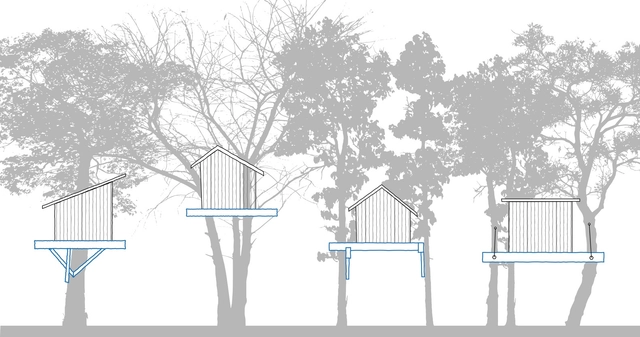
It is difficult to find someone who has never dreamed of building or having a tree house to call their own. The idea of a refuge, a space fully integrated with nature and with a privileged view, pleases almost all ages. There are examples of tree houses of all scales and complexities, from small elevated platforms to highly complex structures, including electrical and hydraulic installations. Some sites specializing in the topic (yes, that exists!), offer valuable tips for building these dreams. In general, they subscribe to the motto: "Choose your tree, make your project, but be ready to adapt it!"
The total amount of water on our planet has, theoretically, stayed the same since earth's formation. It's possible that the glass of water you drank earlier contains particles that once ran down the Ganges River, passed through the digestive system of a dinosaur, or even cooled a nuclear reactor. Of course, before it quenched your thirst, this water evaporated and fell as rain millions of times. Water can be polluted or misused, but never created or destroyed. According to a UNESCO study, it is estimated that the Earth contains about 1386 million cubic kilometers of water. However, 97.5% of this amount is saline water and only 2.5% is fresh water. Of this fresh water, most (68.7%) takes the form of permanent ice and snow in Antarctica, the Arctic, and in mountainous regions. Another 29.9% exists as groundwater. Ultimately, only 0.26% of the total amount of fresh water on Earth is available in lakes, reservoirs, and watersheds, where it is easily accessible for the world's economic and vital needs. With the population steadily increasing, especially in urban areas, several countries have already had severe problems with providing the necessary amount of drinking water to their populations.
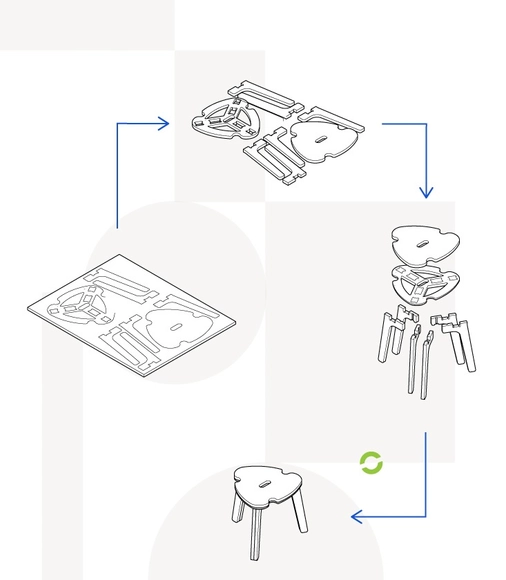
The construction industry is responsible for 75% of the consumption of earth's natural resources. Stone, sand, iron, and many other finite resources are extracted in huge quantities to supply the markets. Additionally, construction sites themselves generate enormous quantities of waste, whether through construction, demolition, or remodeling. In Brazil, for example, construction waste can represent between 50% and 70% of the total mass of municipal solid waste [1]. This waste often ends up in landfills and dumps rather than being properly disposed of, overwhelming municipal sanitation systems and creating informal disposal sites.
Peter Zumthor, in one of his most emblematic works, gives concrete an almost sacred dimension. The work in question is the small Bruder Klaus Field Chapel, located in a small village in Germany, a construction that is both robust and sensitive. Built with white cement, which was mixed with stones and sand from the region, the chapel is composed of 24 layers of concrete that were poured day after day by local labor, and compressed in an unusual way. The building's flat and smooth exterior contrasts with its interior, which was initially made of inclined wooden logs forming a triangular void. To remove these internal forms, the logs were set on fire in a controlled process, reducing them to ash and creating a carbonized interior that varied between black and gray and retained the texture of the negatives of the logs. The result is a masterpiece of architecture, a space for reflection and transformation, in which the same material appears in diametrically opposing ways.
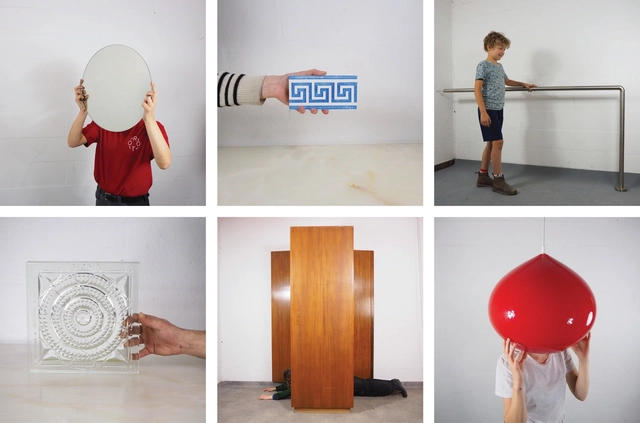
Dissociating architecture from furniture is almost impossible. As Le Corbusier parking contemporary cars in his project photos suggests, the objects that decorate a domestic space demonstrate the wealth and lifestyle of the user who lives in it. From the moment that humanity ceased to be nomadic, there has existed records of rudimentary furniture. In an excavated site dating from 3,100 to 2,500 BCE, a variety of stone furniture was discovered, from cabinets and beds to stone shelves and seats. Since these early examples, furniture has always been used to express ideas: be it the exclusive and luxurious furniture of Ancient Egypt, meant to demonstrate the power and wealth of the empire, to the functional and simplified designs of the Bauhaus, meant to reconstruct rationality in the world, studying the evolution of furniture design is instrumental to understanding architectural styles.
Nowadays, the advancement of technology and the internet has made changes develop faster and faster, making them even more difficult to assimilate and follow. Furniture follows this trend, be it in the way of designing, manufacturing, or even selling products. Below, we outline some ways in which technology has impacted this field:
In a predominately urban world that constantly has to deal with complex problems such as waste generation, water scarcity, natural disasters, air pollution, and even the spread of disease, it is impossible to ignore the impact of human activity on the environment. Climate change is one of the greatest challenges of our time and it is urgent that we find ways to slow down the process, at the very least. Toward this end, our production, consumption, and construction habits will have to change, or climate change and environmental degradation will continue to diminish the quality and duration of our lives and that of future generations.
Although they seem intangible and distant, these various energy inefficiencies and waste issues are much closer than we can imagine, present in the buildings we use on a daily basis. As architects, this problem is further amplified as we deal daily with design decisions and material specifications. In other words, our decisions really do have a global impact. How can we use design to create a healthier future for our world?
Trial and error. On a napkin, on tracing paper, or on a black CAD background, much of an architect's work is to make and redo lines, shapes, objects, and images. Discard, start over, repeat. Between an initial idea and a final project is a long and exhausting path. This difficulty lies in the root of designing as a process of making infinite decisions, where a change can influence countless other elements and consequently is an exercise in choosing benefits and concessions. These choices can take a number of forms, from determining how much area to cover while minimally impacting the environment to fitting as many work tables in an office as possible without losing good circulation. Each require many studies or considerations to arrive at the most suitable option. For example, the position of a window, even if it looks great on a the façade, can make the location of the bed in a dormitory unfeasible or increase the building's energy consumption.
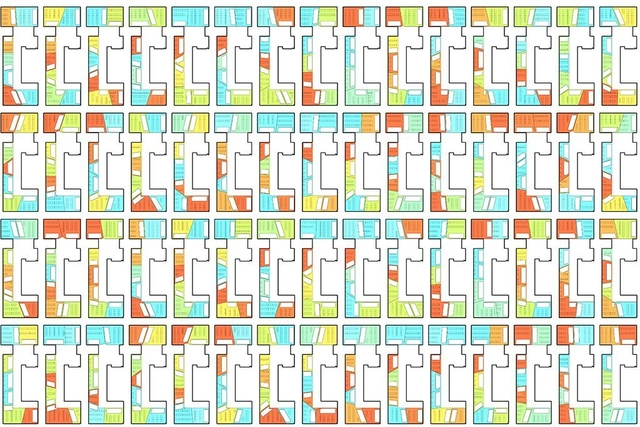
Of course, there are always tight deadlines and budgets throughout any project, with the client often in a hurry and willing to devote limited time to thinking about every possible combination or the precise appropriateness of each decision. This stage is where, increasingly, the concept of Generative Design has appeared in architecture.
The Coronavirus pandemic has been taking over the news for a few months now, and has imposed unimaginable changes on the daily lives of the world’s entire population. Although the situation is worrying, and rather devastating in some cases, being aware of the virus's behavior and understanding ways to avoid it seems to be the best way to deal with the crisis. COVID-19 is a respiratory disease that spreads through droplets in the air. What makes it especially dangerous is its high rate of contagion, as the virus has the ability to survive outside the human body, in the air, and on surfaces such as metal, glass and plastics, if they were not properly disinfected. But how does the virus behave on each of these materials? [Latest Update: July, 2020]
At the apogee of the Roman Empire, its territory extended over more than five million square kilometers, between Europe, Asia, and Africa. Rome exercised power over a population of more than 70 million people, which equated to roughly 21% of the world population at the time. In fact, as we have already shown in another article, all roads led to the city of Rome. The great seat of the empire and the material and immaterial heritage left by it is immeasurable, and even today researchers seek to understand its full impact on the current world. From the beginning of its expansion in the 6th century BC until its fall in the year 476 AD, the legacy left by the Romans encompasses areas such as law, plastic arts, Latin (which originated many different languages), systems of government, and, importantly, architecture.
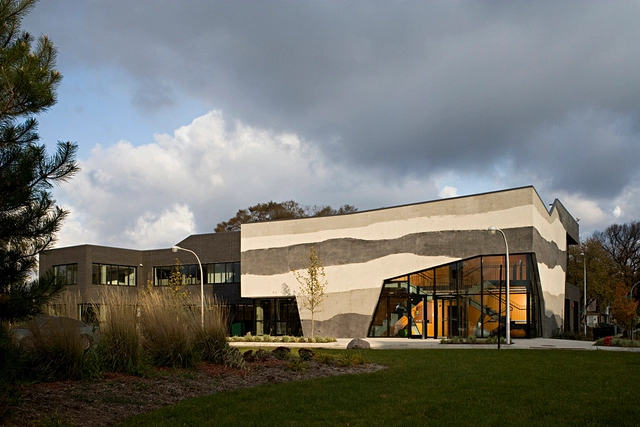
SOS Children’s Villages Lavezzorio Community Center / Studio Gang. Image Cortesia de Studio Gang
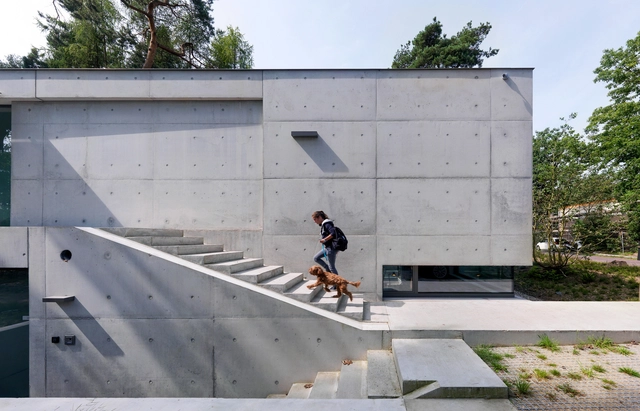
Having been utilized as early as the Roman era in buildings of almost every scale, it is almost impossible to think of a building that does not have at least one concrete element. In fact, it is the most widely used construction material in the world, due to its versatility, resistance, ease of handling, accessibility, aesthetics, and other factors. At the same time, its manufacture is also one of the main polluters in the atmosphere, mainly due to the fact that the cement industry emits around 8% of all global emissions of carbon dioxide (CO2).
In addition to its intensive production, concrete is an extremely rigid material, heavy and composed of cement, water, stone, and sand. Thus, would it be possible to continue to use concrete sustainably after demolition, eliminating its disposal as mere waste and overloading landfills?
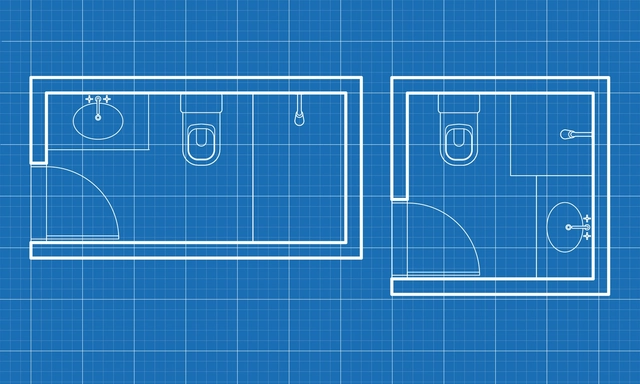
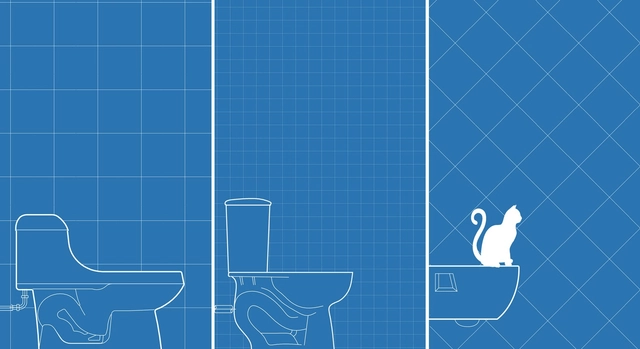
We may not give them the importance they deserve, but toilets are fundamental to our daily lives and our health. There are two "golden rules" that articulate their usefulness: they 'separate' us immediately from our waste, and they transport them for treatment, preventing them from contaminating the environment or making people sick.
In addition to being a good place to think about new ideas, browse Instagram, and answer emails, the toilet helps us stay healthy, an attribute we take for granted until we lose access to it.
Unfortunately, we've probably all experienced the unfortunate surprise of finding mold at home. These undesirable black and greenish spots, usually seen in dark, damp corners, may seem harmless at first, but they pose a major problem for buildings and occupants. Because the tendency of mold is to continuously spread, it gradually contaminates other materials and surfaces, causing a characteristic smell and contaminating the air. But how is it possible to control it and, mainly, to prevent it from occurring through architectural design?
With the amount of information and technology we currently have, whether from academic research or from the manufacturers of construction products themselves, there is very little room for empiricism and experimentation when we design on the most diverse scales. Even worse is when design specification misconceptions can pose huge costs and headaches. However, long before construction and occupancy of the building, it is possible to clearly understand how the construction will function thermally, its photovoltaic power generation capacity, and even how much power will be required to cool and/or heat it. There are software, tools and applications that allow you to quantify all these design decisions to avoid errors, extra costs, unnecessary waste generation, and ensure the efficiency of all materials applied.