

Produce personalized presentation boards that distill complex concepts into simple visual representations with a few helpful tools and effects.
Articles
How to Create Architectural Presentation Boards
| Sponsored Content
https://www.archdaily.comhttps://www.archdaily.com/catalog/us/products/37234/how-to-create-architectural-presentation-boards-lumion
Detailed Globe Drawings of Cities Around the World by Amer Ismail
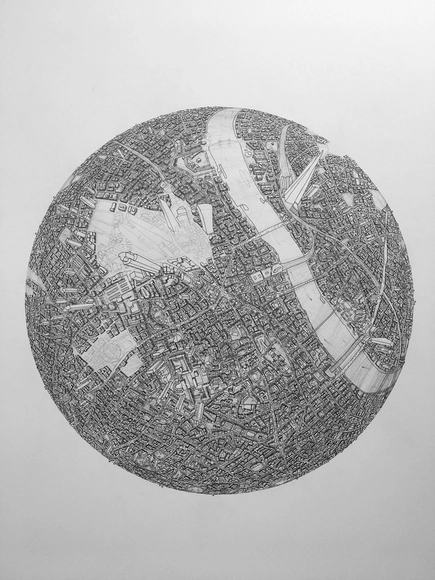
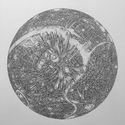
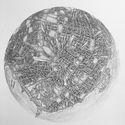
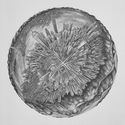
Amer Ismail, architect-turned-artist based in London, has developed a spectacular set of intricate “Globe Drawings” of cities around the world. Beginning in 2016, Ismail developed these 5-point-perspective drawings with heavy inspiration from artist Stephen Wiltshire. Having spent many years drawings architecture, including time at Foster+Partners, Ismail tasked himself with developing a series that encompassed his “interest for architecture, city planning, travel, drawings, and Star Wars.”


https://www.archdaily.com/915460/detailed-globe-drawings-of-cities-around-the-world-by-amer-ismailNiall Patrick Walsh
7 Houses of the Future - According to the Past
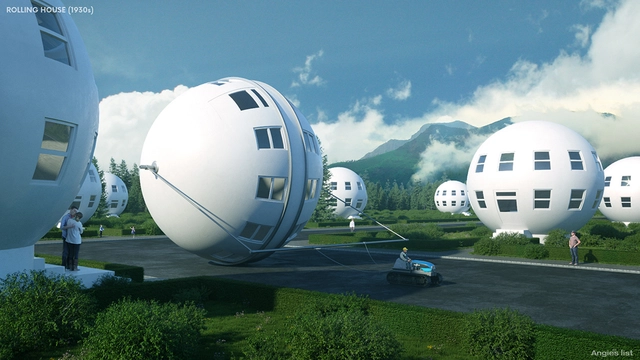
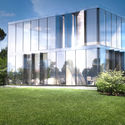
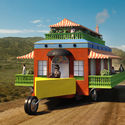
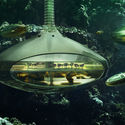
It is often claimed that “there is nothing more outdated than science fiction.” Indeed, history is awash with speculation on future ways of living, as futurists imagine how advancements in technology, trends, and social norms could alter how we live, and what we live in. The period between 1958 and 1963 could be described as “The Golden Age of American Futurism” where technological milestones such as the founding of NASA coincided with cultural icons such as The Jetsons. Some of this era’s wildest ideas centered on how the houses of the future would look.


https://www.archdaily.com/915464/7-houses-of-the-future-according-to-the-pastNiall Patrick Walsh
How Are Fiber Cement Panels Created?

At the start, train cars stand ready with cement and bales of fibers. A machine processes the mixture layer by layer into panels of the desired size and thickness. However, some specific production knowledge must be considered in the manufacture of the building material. Marco Ziethen, Swisspearl’s head of production technology, explains us the fabrication process of fiber cement.


https://www.archdaily.com/914944/how-are-fiber-cement-panels-createdMichael Hanak
21 Ways Architects Can Work Smarter, Not Harder

In their day-to-day work, architects face a lot of distractions and challenges: managing clients, collaborators and contractors; keeping up to date with the latest software and technologies; drafting planning applications and paperwork; and if you're lucky, even getting to design some things in between. Originally published by ArchSmarter, this article offers 21 tips on how to maximize your productivity and minimize unnecessary work.
https://www.archdaily.com/608518/21-ways-architects-can-work-smarter-not-harderMichael Kilkelly
By the People, For the People: What is Public Architecture, According to our Readers

Last week, we asked our social media followers, "What does public architecture mean to you?" These thoughts are intrinsic to the architectural debate and come into play in various types of projects, especially in those related to the planning of common-use spaces in cities.
https://www.archdaily.com/915272/by-the-people-for-the-people-what-is-public-architecture-according-to-our-readersJulia Daudén
Siza: Unseen and Unknown
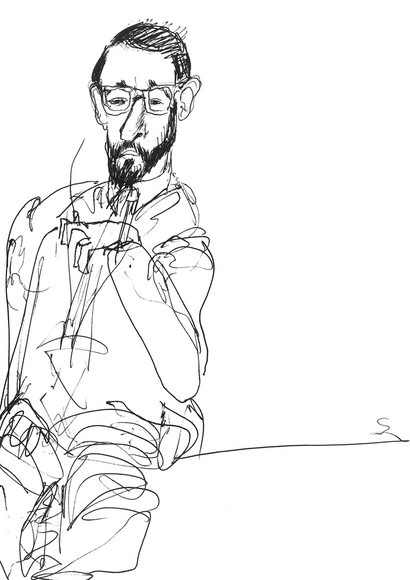
The Tchoban Foundation - Museum for Architectural Drawing in Berlin shared with us this article about the exhibition Siza: Unseen and Unknown curated by architect António Choupina together with Dr. h. c. Kristin Feireiss. According to them, "this exhibition was conceived as a family show, not in the sense of an architectural dynasty but rather as a lyrical collection of drawings from the architect’s private surroundings". The selected drawings are from the Siza family’s own collection and include sketches from known and less well-known projects, as well as architectural fantasies.
Álvaro Siza was born in 1933, on the same year that the Bauhaus closed its doors. He is perhaps the last living modernist or, at the very least, the most significant voice to carry out the unfinished modernist project all the way into the 21st century.
Siza: Unseen and Unknown showcases this continuity through 100 sketches, as well as its unavoidable contradictions. These drawings are from his most personal archive, in addition to small collections of close friends and family. Hence, they focus not only on the professional legacy but also on the familial one, where Maria Antónia Siza (1940-1973) takes centre stage. His wife will draw him, he will draw her and the loving embrace of the human body will be transversal to architecture, art, life.
https://www.archdaily.com/915347/siza-unseen-and-unknownAntónio Choupina + Kristin Feireiss
These Smart Megalithic Stones Are Moved And Assembled Easily With The Hands
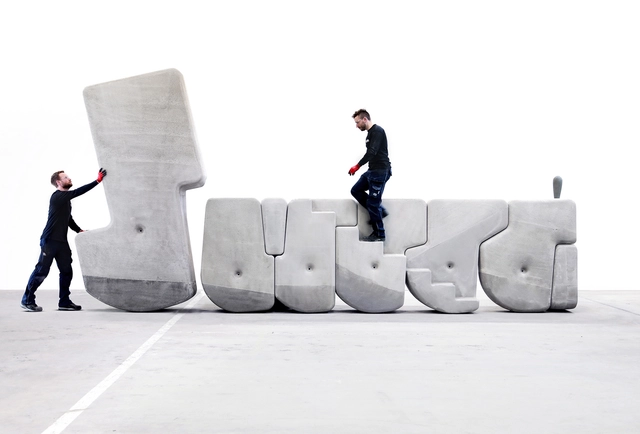
Matter Design Studio has partnered with CEMEX Global R&D to challenge the relationship between the mass of materials and the physical effort of contemporary construction practices, exploring the movement and assembly of heavy objects on a real scale, manufactured using advanced computing. The objective of Walking Assembly is to eliminate the crane from the constructive equation, transferring the effort from people to objects, freeing them to play with the mass.

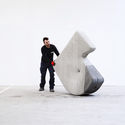

https://www.archdaily.com/915358/these-smart-megalithic-stones-can-move-and-assemble-easily-with-the-handsAD Editorial Team
"MAKE IT ISO!", A Series of Isometrics Based on Iconic Movies and TV Series
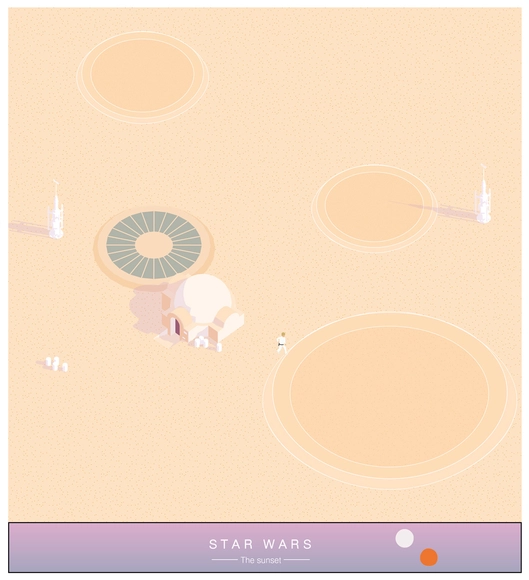
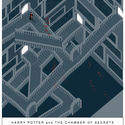

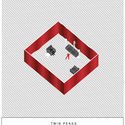


The passion for cinema and TV shows, combined with that for scenography and architecture, led Italian architect Riccardo Masiero to play with the different spaces and dimensions of the elements that make movies in order to create "MAKE IT ISO!", a series of drawings portraying famous movies and TV icons such as Breaking Bad, Twin Peaks, Harry Potter, Star Wars, The Shining and UP in an architectural way.
These illustrations represent iconic scenes of TV and cinema through the isometric illustration method, giving an overall picture of the construction of the scene, as well as providing a different point of view to the observer.
Keep reading to see the full "MAKE IT ISO!" series and the author explaining his work.
https://www.archdaily.com/915283/make-it-iso-a-series-of-isometrics-based-on-iconic-movies-and-tv-seriesFernanda Castro
How to Design and Build a Wooden Structure with Hidden Joints
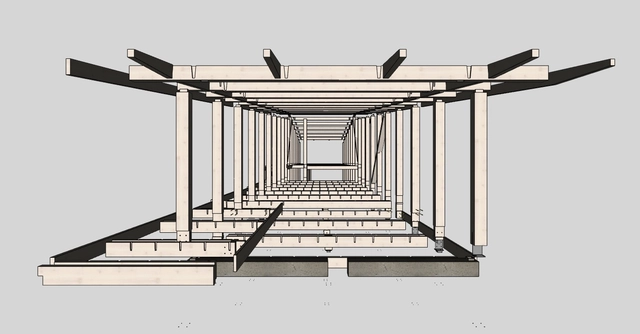
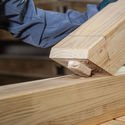
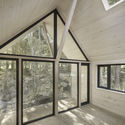
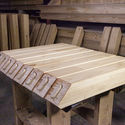
New technology in digital building, particularly Computer Numerical Control (CNC) systems, are changing the way that we design and build wooden structures. Their high level of precision allows us to design perfect assembles--without screws or visible metalwork--resulting in structures that are durable, easy-to-build, and extremely well-organized. We spoke with the experts at Timber to better understand the process of building a wooden structure and to compile a list of key tips in designing one.
.jpg?1554305368 "El Galeno Horse Stables and Warehouse / Peñafiel & Valdivieso Arquitectos. Image © Francisco Croxatto Viviani")

https://www.archdaily.com/914439/how-to-design-and-build-a-wooden-structure-with-hidden-jointsJosé Tomás Franco
re:design Celebrates Bauhaus 100 with Illustrated Posters
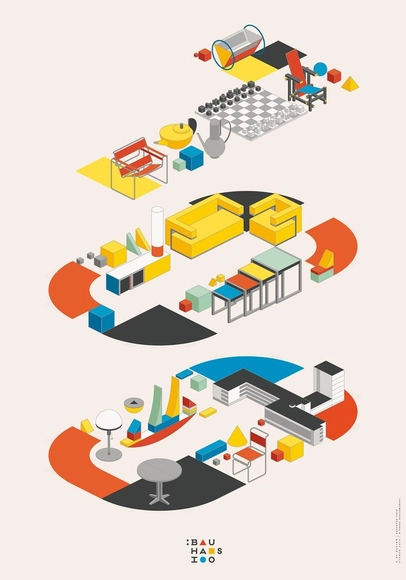
Graphic designers Eurydyka Kata & Rafał Szczawiński from re:design have shared with us some of their most recent designs celebrating Bauhaus' 100th Anniversary. Inspiration for these posters was taken directly from Bauhaus' most iconic designs. "For this poster, we researched some of the most famous designs from the Bauhaus school: furniture, toys, appliances, and recreated them isometrically. Both the drawing style and colors are inspired by Bauhaus art and style. This was great fun to work on and we're glad we could pay tribute to one of the most important institutions in the history of design."
https://www.archdaily.com/915145/re-design-celebrates-bauhaus-100-with-illustrated-postersFernanda Castro
Why the Notre-Dame Cathedral Fire was So Difficult to Tackle
.jpg?1555408495)
For almost a millennium, Notre-Dame Cathedral has stood proudly on Paris’ central Île de la Cité, a symbol of the city’s history, culture, and romanticism. On Monday, April 15th, 2019, thousands who lined the banks of the Seine and millions more across the world watched on in a mixture of disbelief, heartbreak, and helplessness as the Gothic masterpiece burned before their eyes.
The fire has fortunately not claimed any lives but has robbed the landmark of its 19th-century spire, roof, and potentially priceless stained glass windows and interior ornamentation and artwork. At the time of writing, it appears that the main structure of Notre-Dame Cathedral has been saved and preserved, owed to the efforts of 500 firefighters deployed to the disaster.
.jpg?1555408465 "© Erieta Attali")
.jpg?1555408470 "© Erieta Attali")
.jpg?1555408495 "© Erieta Attali")

.jpg?1555408658)
https://www.archdaily.com/915195/why-the-notre-dame-cathedral-fire-was-so-difficult-to-tackleNiall Patrick Walsh
Georges Kachaamy's Rising Oases Float in the Air Defying Gravity
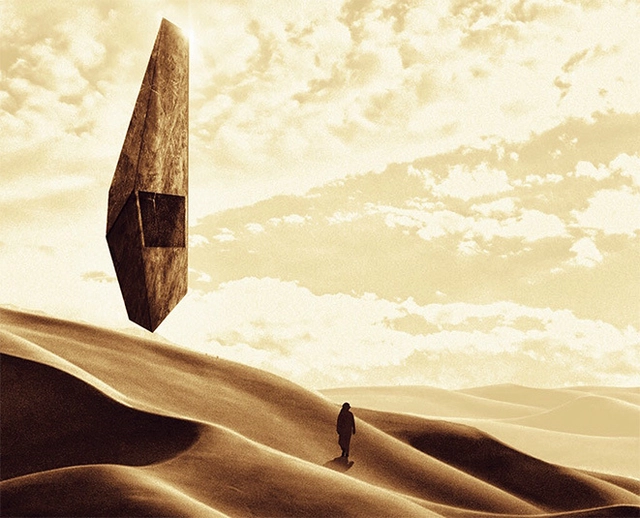
Although James Blish’s “Cities in Flight” was not the first attempt to combine architecture and anti-gravity technology, it was in this book series that we can see it prevailing on an urban scale. Throughout its evolution, architecture has crawled out of caves, settled on grounds, climbed on pilotis, floated on water, stood high, and even danced. Now many argue that it is high time for it to move forward and assume some of its multi-directional and forthcoming probabilities.
https://www.archdaily.com/915221/levitate-an-architecture-of-a-different-kindRene Submissions
Find the Architecture Program that Suits You Best
.jpg?1555067732)
The Midnight Charette is an explicit podcast about design, architecture, and the everyday. Hosted by architectural designers David Lee and Marina Bourderonnet, it features a variety of creative professionals in unscripted and long-format conversations that allow for thoughtful takes and more personal discussions. Honesty and humor are used to cover a wide array of subjects: some episodes provide useful tips for designers, while others are project reviews, interviews, or simply explorations of everyday life and design. The Midnight Charette is available for free on iTunes, YouTube, Spotify, and all other podcast directories.
On this episode of The Midnight Charette podcast, hosts David Lee and Marina Bourderonnet discuss the factors to consider when choosing an undergraduate architecture school. The two cover everything from program curricula to group dynamics, accreditation, faculty leadership, school reputation, student work and portfolios, course diversity, 5th year, job opportunities after graduating and more. The Midnight Charette also recently interviewed several educators and academic leaders on architecture education and their own work. If you have any questions or advice about portfolios or any other design-related topics, leave a voicemail at The Midnight Charette hotline: 213-222-6950.
https://www.archdaily.com/914988/find-the-architecture-program-that-suits-you-bestThe Second Studio Podcast
Tbilisi Holds Georgia's First Architecture Biennial Since Soviet Independence
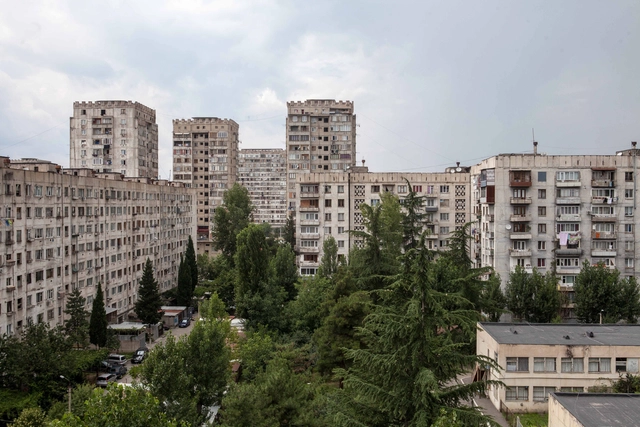
.jpg?1554909604 "Alexander Brodsky installation on the roof of the KDK bridge building. © Anka Gujabidze")
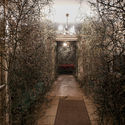
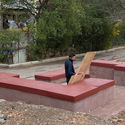

The first architecture Biennial since Georgia’s independence was held in Tbilisi in October 2018, with an ambitious and diverse programme of exhibitions, installations and events. The Biennial transformed a vast microdistrict into an architectural playground, highlighting the particularities of the existing urban fabric as much as the temporary installations.
https://www.archdaily.com/914821/tbilisi-holds-georgias-first-architecture-biennial-since-soviet-independenceTbilisi Architecture Biennial
Anti-Patterns of Social Housing in Latin America
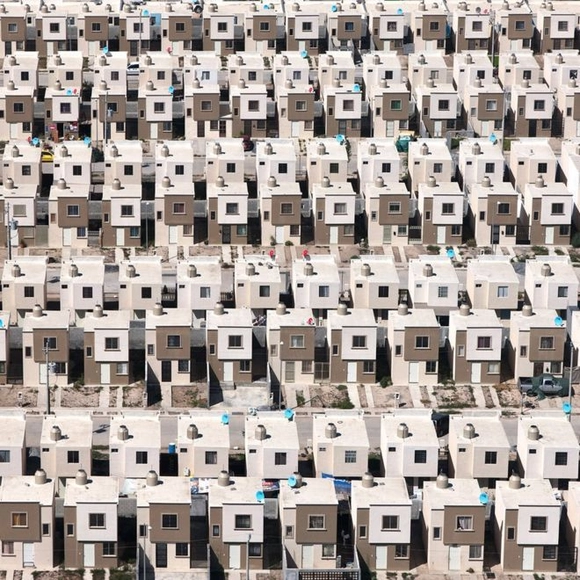
Continuing the series of articles developed by Nikos A. Salingaros, David Brain, Andres M. Duany, Michael W. Mehaffy, and Ernesto Philibert-Petit, in this article we'll be exploring how observations on social housing in Latin American have been approached from an outdated and antagonistic point of view. Notions and errors committed in previous studies - in some cases simply by inertia - are discussed in the Latin American context, and propose adaptable solutions focused on the long-term, urban roots of residents.
https://www.archdaily.com/914752/anti-patterns-of-social-housing-in-latin-americaNikos A. Salingaros, David Brain, Andrés M. Duany, Michael W. Mehaffy & Ernesto Philibert-Petit
Béton Brut Bathrooms: The Beauty of Concrete in Intimate Spaces
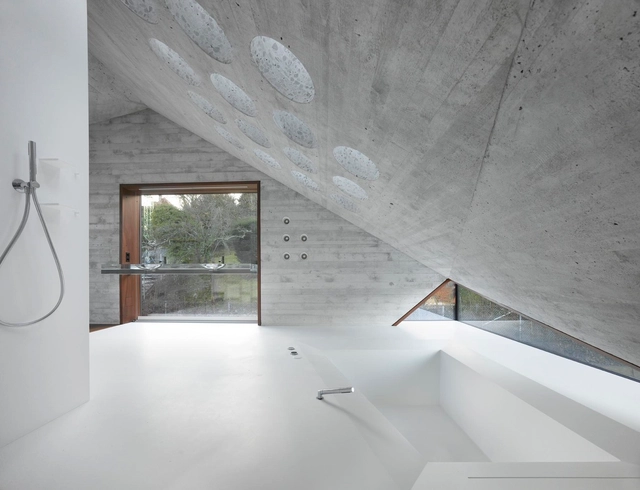


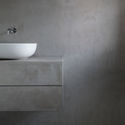


Why use concrete in bathrooms?
Béton brut or "raw concrete" is a naturally porous material that provides many advantages for the design and build of a bathroom. As a waterproof and pressure-resistant material, it is easy to clean, doesn't deteriorate, prevents bathroom fungus and is low maintenance. Attractive as it is functional, concrete is versatile for both on-site furniture and wall coatings, floors and even shower trays. In addition, due to its thermal mass, concrete is an excellent material for floor heating.
Pro Tip: There are a variety of concrete finishes, but for the safety of daily bathroom users, you must add a surface sealer and a certain percentage of traction to avoid slippage.
Below, we've compiled 26 concrete bathrooms that find intimacy in béton brut.
This collection is one of many interesting content groupings made by our registered users. Remember you can save and manage what inspires you on ArchDaily account. Create yours here.
https://www.archdaily.com/914939/best-concrete-bathrooms-brutalism-in-intimate-spaceMartita Vial della Maggiora
Italian Tradition Market: Submit Your Proposal
| Sponsored Content

CODE - COmpetititons for DEsigners - launches “Italian Tradition Market”, a competition of ideas aiming to design the first market of handcrafted Italian excellences of Art, Craftsmanship, Food and Wine production and Areas on the remains of a 88 B.C. Roman Theater. A cash prize of € 10,000 will be awarded to winners selected by a well-renowned jury made of, among the others, Enzo Eusebi, Alfredo Häberli, Andrea Marcante (Marcante Testa), Benedetta Tagliabue (Miralles Tagliabue), Dong Gong (Vector Architects).
https://www.archdaily.com/915018/italian-tradition-market-submit-your-proposalSponsored Post
9 Augmented Reality Technologies for Architecture and Construction
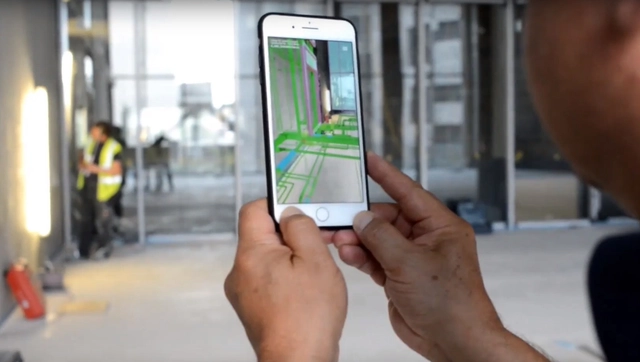
A technological innovation is revolutionizing one of the oldest professions in the world. Augmented reality has just broken onto the scene and has already been transforming civil construction. The changes are seen not only in designing and modeling, but also in building. Augmented reality benefits the entire construction team: engineers, designers, architects, project managers and service providers.
Unlike virtual reality, which creates a totally new and independent environment of the real world, augmented reality includes virtual elements that interact with what already exists. It is thus possible to combine virtual architectural designs with the reality of the construction site, increasing efficiency and accuracy, reducing the occurrence of errors and saving time, money and resources.
https://www.archdaily.com/914501/9-augmented-reality-technologies-for-architecture-and-constructionEduardo Souza
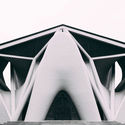
Gallery: Monolicious by Sebastian Weiss
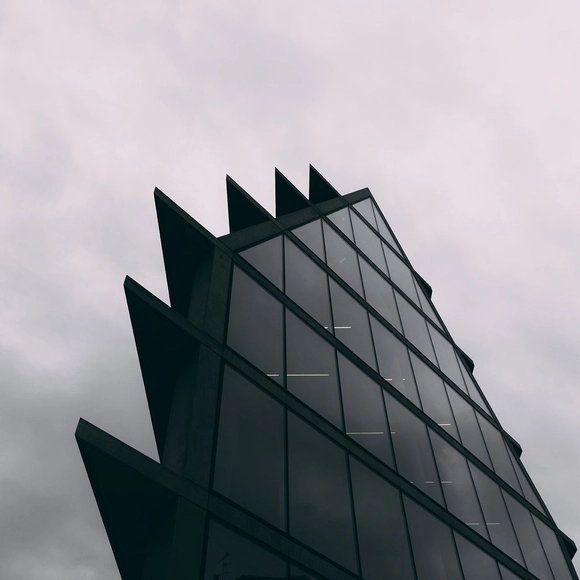
Name: Monolicious
Photographer: Sebastian Weiss
Location: Milan
Year: 2018



https://www.archdaily.com/914386/gallery-monolicious-by-sebastian-weissMegan Schires
Architect-Designed Furniture Pieces at the 2019 Salone del Mobile
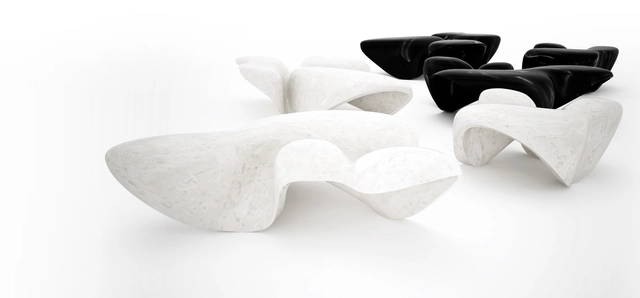
As the week comes to an end, Milan Design Week wraps up yet another successful year of creativity and innovation. Thousands of design companies displayed their creations to more than 200,000 visitors hailing from different countries, demographics, and career backgrounds. Although the design fair gravitated towards the world of interior design, many renowned architects participated in the week-long exhibition and joined their forces with interior and furniture design experts.
Along with the impressive collaborations that these architects created with lighting companies, take a look at how they used their expertise in forms and structures to develop unique furniture pieces.
.jpg?1555159259 "KOR Armchair and Sofa - William Sawaya x Sawaya & Moroni. Image Courtesy of Sawaya & Moroni")

.jpg?1555158250 "ALESSANDRO I-II-III - William Sawaya x Sawaya & Moroni. Image Courtesy of Sawaya & Moroni")

https://www.archdaily.com/915026/architect-designed-furniture-pieces-at-the-2019-salone-del-mobileDima Stouhi
Top 5 Courtyard Installations at Milan Design Week Through the Lens of Laurian Ghinitoiu
_0819.jpg?1555075404&format=webp&width=640&height=580)
Over the past few days, exceptional products have been exhibited at the Salone del Mobile, ranging from furniture pieces and light fixtures, to textiles and finishes. As part of Milan Design Week, the Salone saw impressive collaborations with architects and the use of never-seen-before materials, all displayed at the Milan Fairgrounds, while some projects — too grand and imposing for a constraint exhibition — took place at the second part of the event, the Fuorisalone.
Take a look at some of the most remarkable outdoor installations at the Milan Design Week 2019 captured by the lens of architectural photographer Laurian Ghinitoiu.
_0942.jpg?1555075486 "Temporary Exhibition by Space Encounters. Image © Laurian Ghinitoiu")
_0885.jpg?1555075448 "Conifera by COS x Mamou-Mani. Image © Laurian Ghinitoiu")
_1081.jpg?1555075537 "Echo by Pezo von Ellrichshausen . Image © Laurian Ghinitoiu")
_1351.jpg?1555075661 "La Foresta dei Violini by Piuarch. Image © Laurian Ghinitoiu")
_0819.jpg?1555075404)
https://www.archdaily.com/914983/top-5-courtyard-installations-at-milan-design-week-through-the-lens-of-laurian-ghinitoiuDima Stouhi
How to Win Architecture Competitions? Anatomy of a Winning Entry
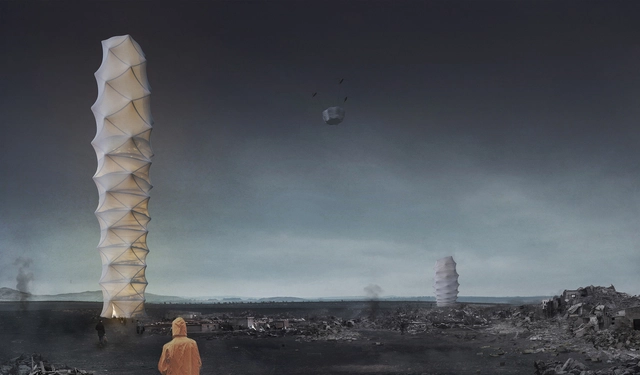
"About one year ago we were hard at work, doing our best to come up with a proposal that could have a shot at winning the next edition of the world-famous eVolo Skyscraper Competition. Here’s our account of how we were able to achieve that and some tips and insights we were asked to share that you might hopefully find useful if you plan on following in our footsteps".
Original text by: Damian Granosik, Jakub Kulisa and Piotr Pańczyk.
https://www.archdaily.com/914849/how-to-win-architecture-competitions-anatomy-of-a-winning-entryAD Editorial Team
What We Can Learn About Public Space From Cuba
This article was originally published on CommonEdge as "What Landscape Architects and Urban Designers Can Learn About Public Space From Cuba."
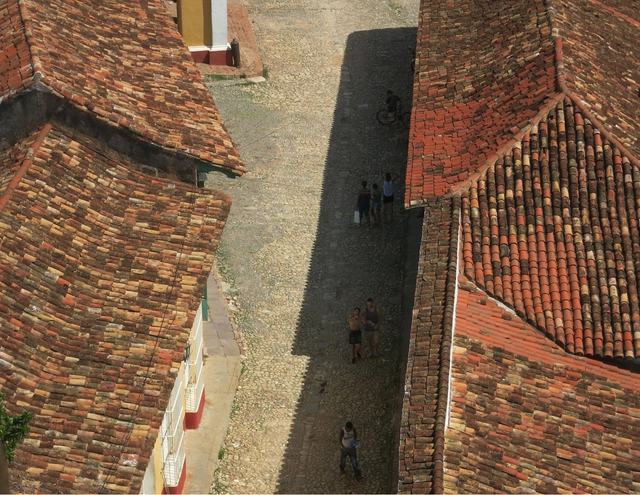
It was certainly what I had come for: I was sitting on broad, cobbled steps, watching people interact in the public realm. It was an August afternoon in Cuba, and I had found temporary respite from the harsh sun beneath a haphazard array of trees. My design work as a landscape architect focuses on urban parks, streetscapes, and academic campuses, and I wanted to see how differently the open spaces of Cuba might function.

https://www.archdaily.com/915006/what-we-can-learn-about-public-space-from-cubaSam Valentine