Architectural Education is still largely living in the mid-20th century, where the studio model is both wonderful, limited and alive and well. Students are offered two stark pedagogies: either getting a fine arts education or applying a glorified trade school regimen towards being a technocrat. Artificial Intelligence (AI) might just eliminate architecture as a career for those who are not versed in the things that only humans can do: synthesize, channel, invent, craft. Beyond imitation. By its new nature, architecture could be becoming inhuman.
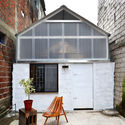
Casa Meche / ENSUSITIO Arquitectura. Image Cortesía de ENSUSITIO Arquitectura
The series of articles developed by Nikos A. Salingaros, David Brain, Andrés M. Duany, Michael W. Mehaffy and Ernesto Philibert-Petit researches the peculiarities of social housing in Latin America. This time the authors explain a construction strategy through iterative design and the emergence of form.
https://www.archdaily.com/944293/a-construction-strategy-for-socially-organized-housing-in-latin-americaNikos A. Salingaros, David Brain, Andrés M. Duany, Michael W. Mehaffy & Ernesto Philibert-Petit
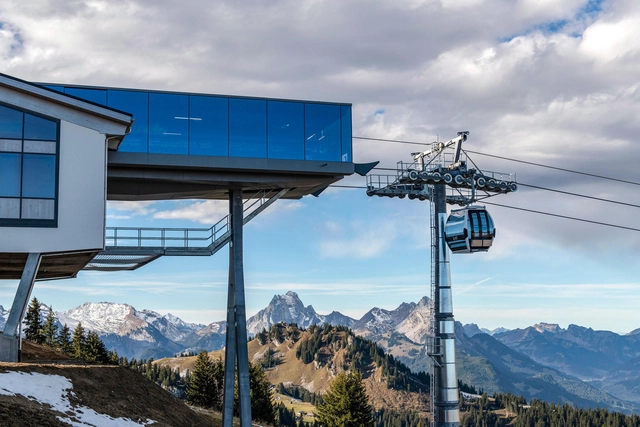
On the summit: the first cable car with a real glass facade allows for some very special perspectives. Image Courtesy of Doppelmayr/Garaventa
The new Saanersloch gondola lift in Gstaad is a static masterpiece – and with its specially designed and unique all-glass facade by Glas Marte, it has also reached the top of the world.
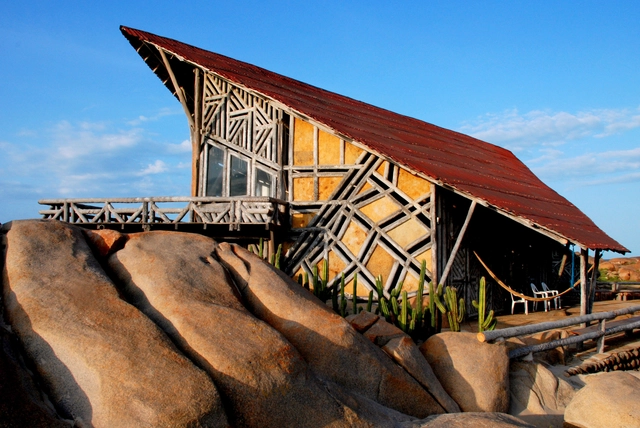
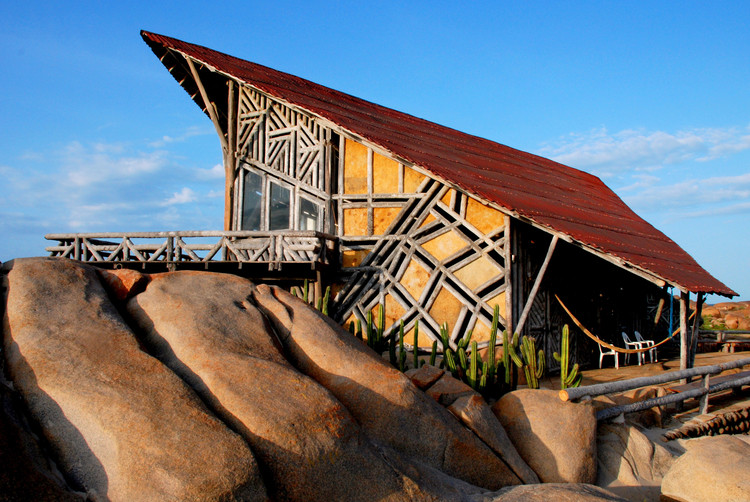
Gerson Castelo Branco is a self-taught architect from the state of Piauí in Brazil. His architecture is a collection of references and experiences that he describes as "an expression of freedom," the Paraqueira.
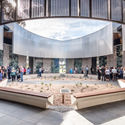
Denise Scott Brown once said: “Architecture can’t force people to connect; it can only plan the crossing points, remove barriers, and make the meeting places useful and attractive.” Although it cannot control the outcome, architecture holds the potential to set the stage for chance encounters and social interactions, thus nurturing community building and influencing the fabric of our social culture. The following explores how architecture can improve the social capital of its surroundings through design strategies and thoughtful programming, creating the fertile ground for social interaction among different groups of people.
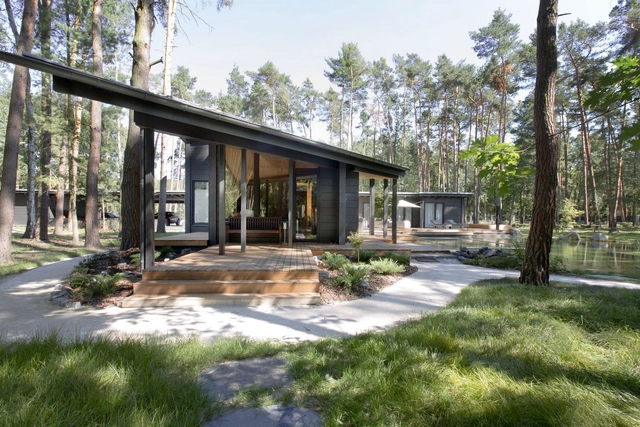
Architecture in the Czech Republic is defined by the country's incredibly diverse landscapes. As one of Europe's cultural hearts, Czechia has a rich history, and was once home to the Kingdom of Bohemia. Today, architects and designers are drawing inspiration from the country's low mountains, foothills and forests as they design a range of secluded residential retreats.
The focus of buildings should ultimately be the well-being of the people using them. When we think of our experiences in hospitals, clinics, the dentist's office, and other medical facilities, the feeling is rarely pleasant. Perhaps it's the smells, the dull, monotone colors, or the sound of medical gadgets working away on some unlucky patient.
It’s hard to imagine New York City without the packed subway cars, long lines, and overwhelming tourist crowds that felt essential to daily life. Once the fear of the COVID-19 pandemic has waned, the city, like others around the world, will become clouded and fundamentally altered even after economic prosperity has been restored. In what feels like a revolving door discussion, except now perhaps asked with a sense of urgency, what do we want cities to be like in the years to come?
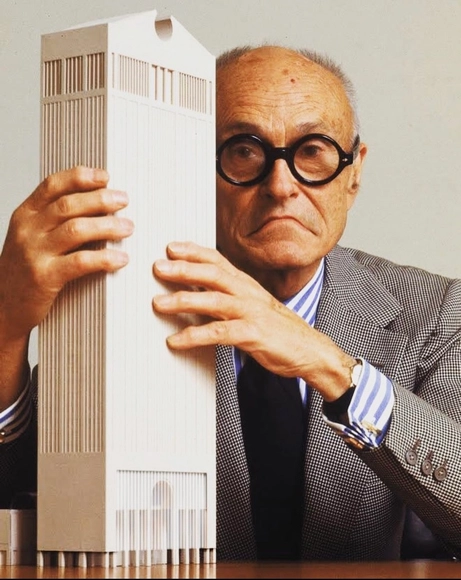
Apart from dressing like an undertaker, wearing black-rimmed circular glasses, and driving Swedish cars, modern architects’ most conspicuous trait is their aesthetic honesty, which is dangerous. Sincerity leaves little room for imagination.
As levels of pollutant emissions have increased over the years, awareness has also grown regarding actions that can be taken to minimize the damage caused to the planet. As a way to promote waste reduction or prevention, the 3 R's rule is created: reduce, reuse and recycle. These actions, together with sustainable consumption standards, have been promoted as a means to protect natural resources and minimize waste.
Our cities, vulnerable by nature and design, have generated the biggest challenge that humankind has to face. With the vast majority of the population expected to settle in urban agglomerations, rapid urbanization is going to raise the issue of adaptability with future social, environmental, technological and economic transformations.
In fact, the main problematic of the decade questions how our cities will cope with fast-changing factors. It also looks into the main aspects to consider in order to ensure long-term growth. In this article, we highlight major points that help future-proof our cities and create a livable, inclusive and competitive fabric that adapts to any unexpected future transformation.
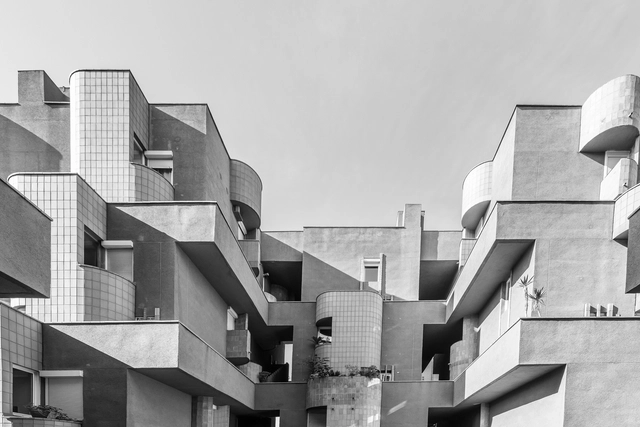
Rodolfo Lagos shared a series of photographs capturing the Brutalist architecture of Barcelona, illustrating how the movement has evolved in this iconic city.
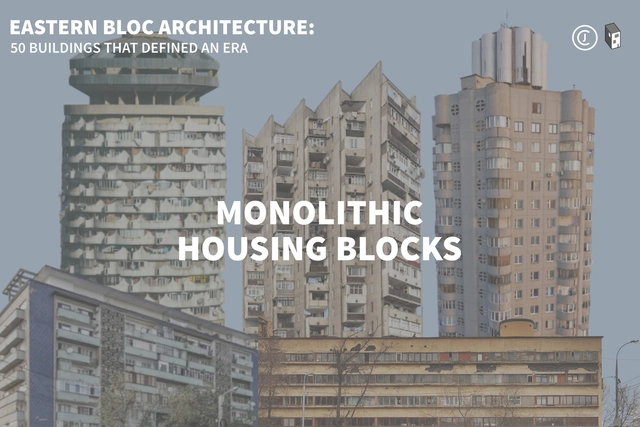
This article is part of "Eastern Bloc Architecture: 50 Buildings that Defined an Era", a collaborative series by The Calvert Journal and ArchDaily highlighting iconic architecture that had shaped the Eastern world. Every week both publications will be releasing a listing rounding up five Eastern Bloc projects of certain typology. Read on for your weekly dose: Monolithic Housing Blocks.
https://www.archdaily.com/945134/eastern-bloc-buildings-monolithic-housing-blocksLucía de la Torre
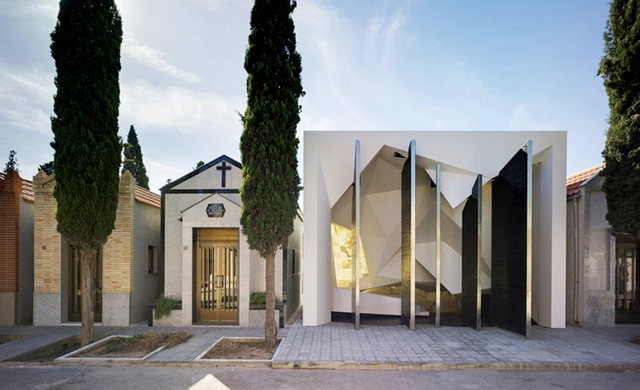
Mortality defines both architecture and human experience. Throughout time, funerary structures have been designed across societies and civilizations to ground personal and shared beliefs. The idea of the afterlife shapes how these buildings are made, from symbolic monuments to vast tombs and crypts. Now a new range of modern architecture has been designed for remembrance and reflection.
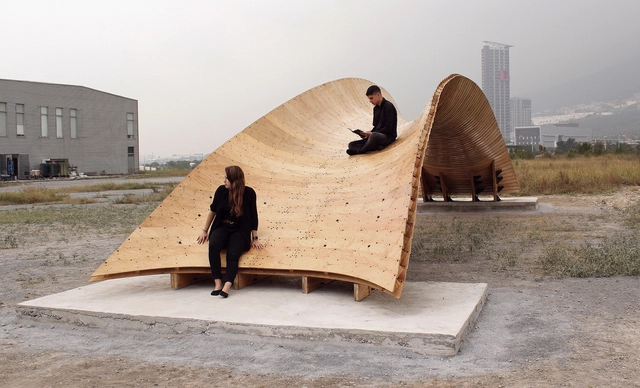
From its starting to point as a tree to its product form as a beam or piece of furniture, wood used in architecture and interior design goes through several stages and processes. A renewable resource and popular traditional building material, wood is also often cited as a promising construction material of the future, one that is suitable for the new demands of sustainability. But unlike concrete, whose molds can create even the most complex curves, wooden architecture most commonly uses straight beams and panels. In this article, we will cover some techniques that allow for the creation of curved pieces of wood at different scales, some of which are handmade and others of which seek to make the process more efficient and intelligent at a larger scale.
In the 20th Century, New York City became an epicenter of newly constructed buildings that quickly gained an iconic status. While they greatly influenced new ways that we think about aesthetics and space, many of them met their demise less than 60 years after their commissioning. It seems that in the modern age of mass development, and where a wrecking ball symbolizes progress forward, no building is safe. The tenacity to tear down even these structures deemed to be culturally significant speaks to how architects are quick to dismiss ideas about how long we plan for buildings to live and how we decide when its time for them to come down.
Now more than ever, architecture is in need of innovation. The pandemic has made us fundamentally rethink the functioning of our cities, public spaces, buildings, and homes. Meanwhile, the recent Black Lives Matter and racial justice protests have us questioning architecture’s complicity in broader socioeconomic issues. These challenges are pressing, and we cannot put off changing architecture any longer.
Between the late 1940s to the 1980s, Toronto, Canada, experienced a high rate of growth and development, resulting in a wealth of modernist-style buildings. Due to an increasing population, parishes were also outgrowing their spaces and found themselves in need of new facilities. Consequently, many well-designed modernist churches began to pop up throughout Toronto. This black and white photography series, titled Fifty/50 by Amanda Large, is an ode to these churches, and a celebration of their enduring importance to the city more than fifty years after their construction.
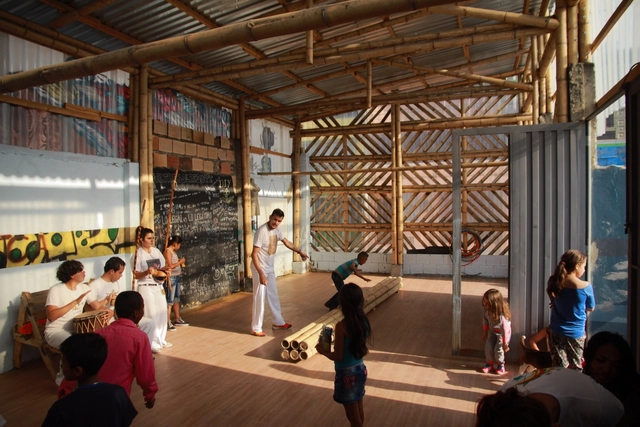
El Trébol / Arquitectura Expandida. Image Cortesía de Arquitectura Expandida
The series of articles developed by Nikos A. Salingaros, David Brain, Andrés M. Duany, Michael W. Mehaffy and Ernesto Philibert-Petit researches the peculiarities of social housing in Latin America. This time, the authors focus on the role of participation in design processes and in the construction of a healthy urban fabric based on the experience of Christopher Alexander.
https://www.archdaily.com/944291/socially-organized-housing-in-latin-america-the-experience-of-christopher-alexanderNikos A. Salingaros, David Brain, Andrés M. Duany, Michael W. Mehaffy & Ernesto Philibert-Petit
Videos
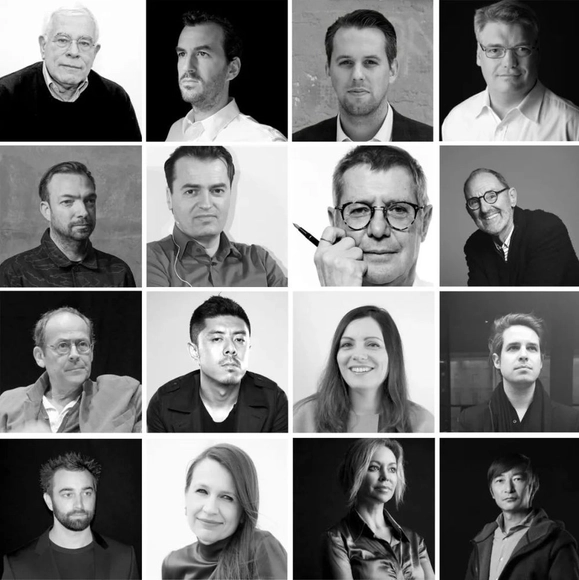
Peter Eisenman, Patrik Schumacher, and Alisa Andrasek among the speakers that participated at Digital Futures. Image Courtesy of Digital Futures
Like most functions in recent months, this year’s Digital FUTURES, which is held annually since 2011 at Tongji University in Shanghai, had to move online due to the pandemic. The organizers took this as an opportunity to give the event a global dimension, turning the festival into what they rightfully call the most significant worldwide event for architectural education ever staged, with a 24/7 display of workshops, lectures and panel discussions involving some of the most prominent architects and educators. Here is an overview of the festival, together with a selection of lectures from Digital FUTURES World.
When Jane Jacobs famously said, “Cities have the capability of providing something for everybody, only because, and only when, they are created by everybody,” she might as well have been foreshadowing the successful partnership formed between SHoP Architects, James Corner Field Operations, and Two Trees Management. The team, who collaborated on the 11-acre Domino Park master plan in Williamsburg, Brooklyn, has been hailed for creating a benchmark standard in perfecting the process for designing and understanding what it means to maintain a park that actively participates in a two-way dialogue with the community.
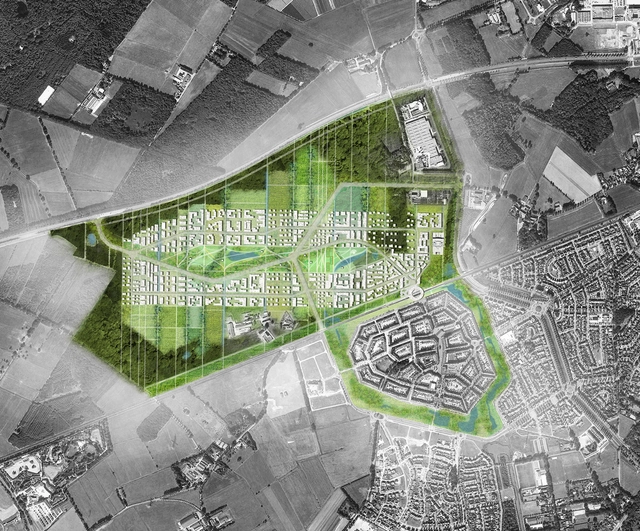
Brainport Smart District, Helmond, NL. . Image Courtesy of UNStudio
By 2025, Frost and Sullivan, a market research company, has predicted that there will be at least 26 fully-fledged major smart cities around the world. While some still think that as our cities get more intelligent, they will resemble sci-fi futuristic movies, the reality is that the quality of life in these cities will drastically improve. Cities are set to become more efficient with better services. Nevertheless, before reaching these ideals, let us go back on the process itself, and evaluate the challenges that we might face.
Because the concept of smart cities is still very new, with rare finalized and implemented projects, the topic is still unclear. Although big titles and strategies are well defined, the on-ground application is still uncertain, giving us the opportunity to question its planning process. In fact, how can we go wrong when designing smart cities? What key element are we failing to address in the planning phase?
Videos
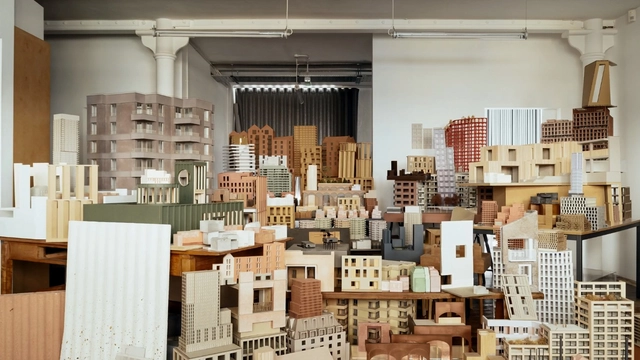
Screenshot from the On Reflection teaser. Image Courtesy of Morris+Company
As lockdown provided architects with the opportunity to reflect on their design processes, it prompted Morris + Company founder, Joe Morris, to create On reflection, a series of short films discussing the fundamentals of the practice, centring the conversation around model making as a critical element of design thinking and a wide-ranging architectural tool.
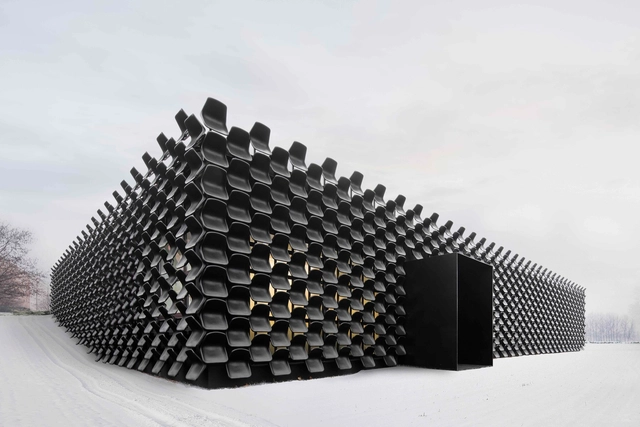
With the aim of supporting architects to become active agents of sustainable design, this week we present a selection of facades that incorporate different recycled materials. Beyond the typical uses of plastic and glass, in this article, you will find innovative materials such as mattress springs, ice cream containers, plastic chairs, and recycled waste from agricultural and industrial products. A look at 21 remarkable projects using recycled materials to create an attractive facade.



_Hedrich_Blessing_015.jpg?1596657514 "Arcus Center for Social Justice Leadership. Image © Steve Hall")