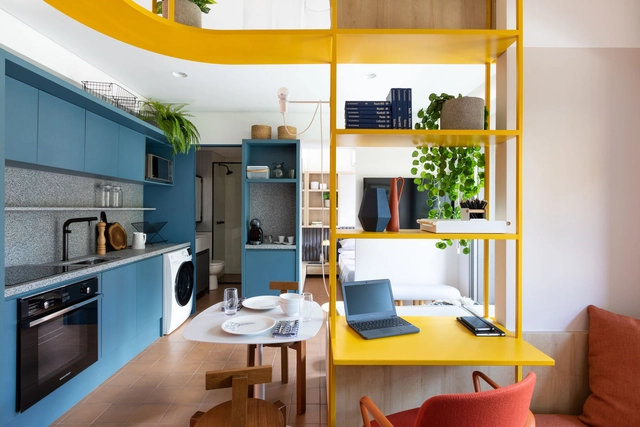
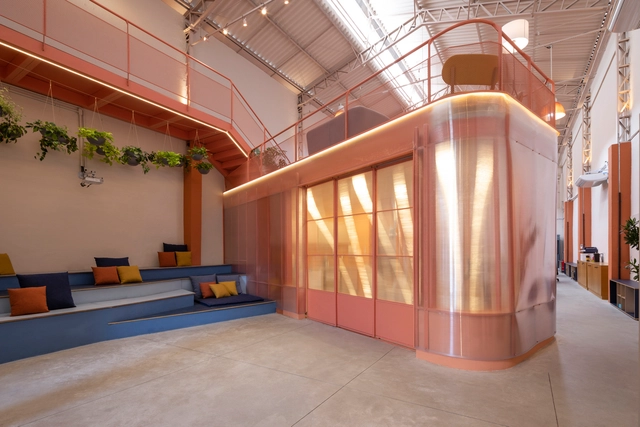
Although artificial intelligence is showing the potential to carry out successive iterations with good results, designing the layout of spaces takes up large portions of a designer's time. The organization of elements present within a space determines the flow of movement, the points of view and will largely dictate how it will be used. But the idea of stifling the use of the environment may not work for all cases. Due to space restrictions or supplementary uses that a room can have, some architects have developed dynamic layouts that have more than one possible use. Whether through dividing elements or special modules, these projects allow the space to change radically through movement.
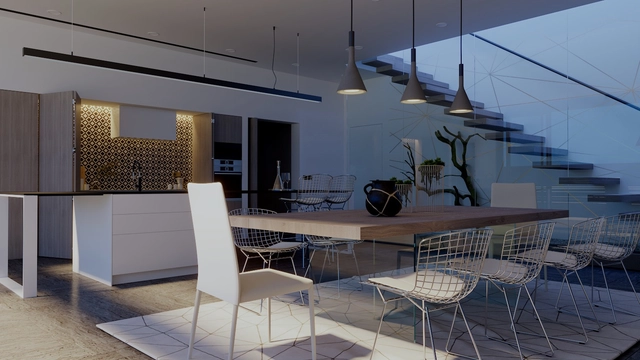
With V-Ray 5 for SketchUp, Update 2, Chaos has introduced intelligent new tools that make it easy for architects and arch-viz artists to create incredible renders. You can make use of the free models and materials provided in Chaos Cosmos, customize surfaces with V-Ray Decal, and tune your render with LightMix and post-processing.
In this tutorial, V-Ray Product Specialist Ricardo Ortiz uses an interior scene to demonstrate how these powerful new additions can accelerate your creative processes and add extra details for exceptional photorealism.
Videos
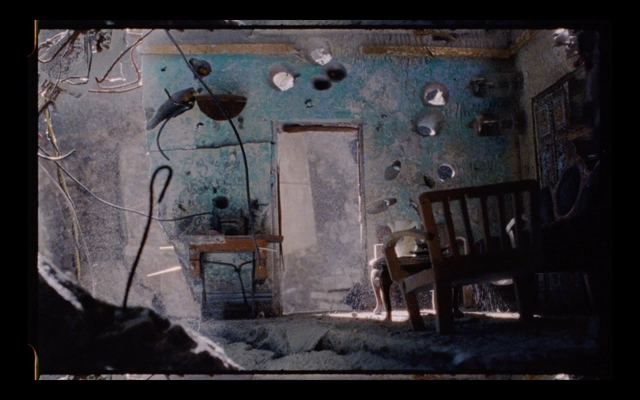
Courtesy of A Broken House, The New Yorker Documentary directed by Jimmy Goldblum
“A Broken House” is a documentary directed by Jimmy Goldblum that highlights the story of Mohamad Hafez, a Syrian native that moved to the US on a single-entry visa to study architecture and was not able to return home. Facing his fate, he channeled his homesickness in his artwork, and started producing miniature sculptures of his hometown, in order to build the “Damascus of his memories”.
“If you can’t get home, why don’t you make home”. Telling the story of the human being that lived within, the architectural project gained a political dimension after the eruption of the Syrian civil war, portraying the extent of the destruction suffered by the city, humanizing refugees, and sharing their stories.
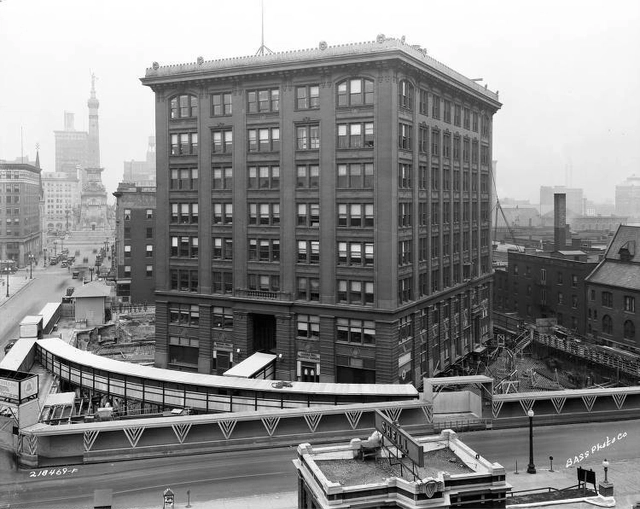
In November 1930, in Indiana, United States, one of the great feats of modern engineering was executed: a team of architects and engineers moved an 11,000-ton (22-million pound) telephone exchange without ever suspending its operations either basic supplies for the 600 employees who worked inside.
'Innovation' and 'design thinking' could possibly be two of the most extensively-used phrases both online and offline during the past decade. To respond to the global need of "changing the status quo", established companies, start-ups, and even universities have used this framework to generate novel ways of solving problems and create new products, taking into account their desirability, feasibility, and viability. And with that, a new archetype was conceived: the design thinker, someone who has the creative toolkit to generate something disruptive. So what is the meaning behind design thinking and what is its relationship with architecture?
If Nature had been comfortable, mankind would never have invented architecture. - Oscar Wilde
Architecture is human. Despite their exquisite beauty, burrows, hives, nests and anthills are creations of instinct. Design by humans considers options, means and methods of creation, solving problems of desire, beyond functional accommodations.
How many times have you heard the old claim that “Email is dead”? Surely, more than once. To the surprise of many, and despite the rise of new messaging tools like Slack and Microsoft Teams during the pandemic, Email remains by far the most widely used communication tool in many businesses. Every day, more than 300 billion emails are sent and received globally, and employees spend an average of 5 hours checking their online correspondence. This trend is only expected to rise in the upcoming years, especially within project and client-based industries – like architecture, engineering and construction – that heavily rely on this means of communication.
However, its consolidated use doesn’t always equal efficiency, particularly in companies that don’t set up the necessary internal processes to file emails in a central space. With the silent threat of poor mail management, many architecture firms and other businesses must face unnecessary risks, time and productivity costs, and increased stress among workers.
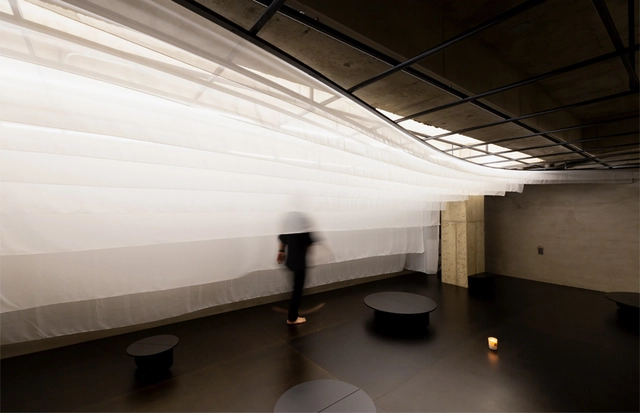
Textile forms of habitation are far from new; in fact, humans have been using fabric to create shelter for thousands of years, becoming an archetypal form of building. Today, contemporary architecture has rediscovered the principle of the tent and taken its development further, implementing new technologies to generate more advanced and durable fabrics which allow larger areas to be spanned. Becoming a highly specialized sector within the construction industry, multiple textile forms have become common in a wide range of architectural applications – not just for temporary structures, but also for permanent buildings. Apart from their use in facades, these can be utilized in interiors to create highly functional spaces with unique sensory experiences.
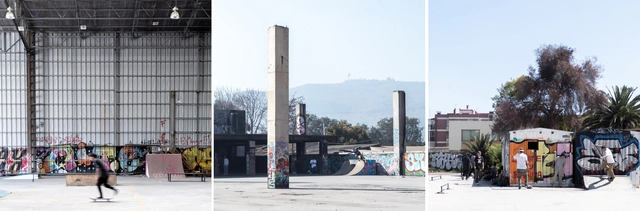
Yesporciento is an architecture and research studio founded by Sebastián Castro, architect and skateboarder. From Chile, his interests lie around strategies to maximise and strengthen the public and collective space through the Skateboarding phenomenon. Next, Castro presents his most recent analysis focused on observing, registering and presenting some cultural manifestations related to the recovery and occupancy of disused urban spaces, defining three case studies within the urban area of Santiago.
Adaptive reuse is the sustainable face of architecture. This visionary process of architectural alchemy allows cities to thrive and remain relevant, without forgetting their past.
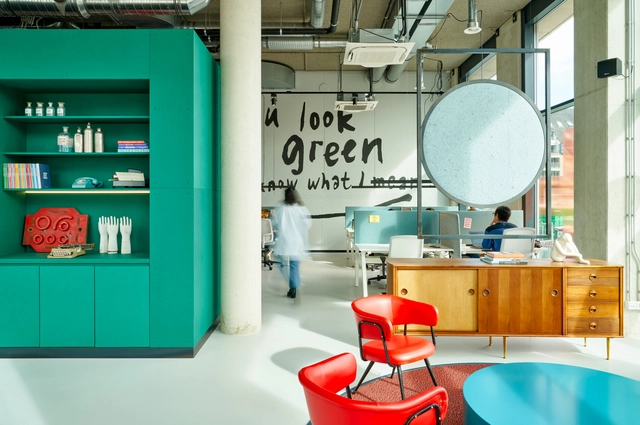
Delft Hotel Interiors. Image via Frame Magazine used under terms of "fair use"
In recent years, there’s been a significant amount of clamor around the habits and impacts of the millennial generation. Headlines often read “Millennials Responsible for the Decline of Cereal”, “Millenials Are Why We No Longer Use Napkins”, and “Are Millennials Killing the Housing Market?” After being burdened with the blame of the death of almost anything, the millennial workforce has now moved away from the spotlight to make room for the next generation, “Gen Z”, which many believe are going to make significant societal disruptions- especially in the architectural and design workforce.
As the new year kicks off, we're taking a look ahead to the projects we're most looking forward to in 2022. With a mix of cultural and commercial programs, the designs are located across five continents, with many under construction for multiple years. Designed across a wide range of scales, they represent a mix of interconnected landscapes, museums, and new skyscrapers.
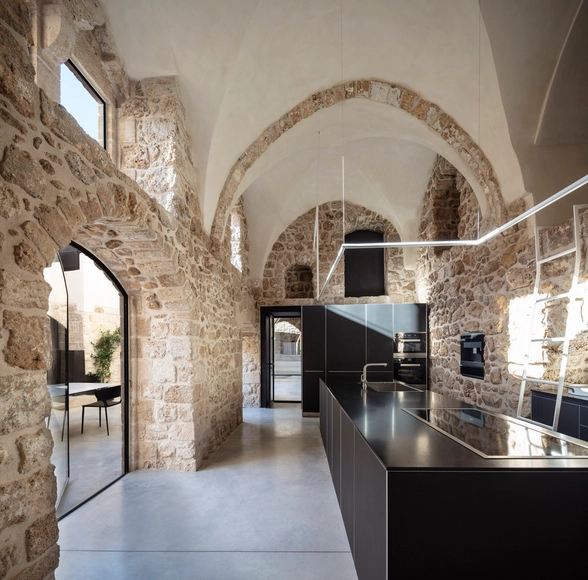
Old Jaffa House 4 by Pitsou Kedem Architects. Image Courtesy of German Design Awards 2022
The German Design Awards have been presented by the German Design Council for the tenth time. The internationally renowned prizes are awarded to companies whose pioneering products and projects stand out in the categories of “Excellent Product Design”, “Excellent Communications Design” and “Excellent Architecture”. In addition to the “Winner” and “Special Mention” awards, the jury gave out a total of 81 “Gold” awards – the highest distinction of the German Design Awards.
We are starting to say goodbye to the year and after a review of all the contents developed, we find ourselves with a wide range of architectural advice that involves both interior and exterior spaces. Addressing issues from the domestic sphere to more technical and decisive questions, these are intended to serve as a guide and/or suggestions, rescuing those necessary considerations to take into account when planning our spaces, regardless of the use or the future they contemplate.
Across the globe, museums function as cultural landmarks – spaces of significance that quite often become defining symbols of a city’s architectural landscape. Historical examples such as the Museum de Fundatie in the Netherlands and The Louvre Museum in France continue to attract millions of visitors, with contemporary architectural interventions to them redefining their spatial contribution to their local context.
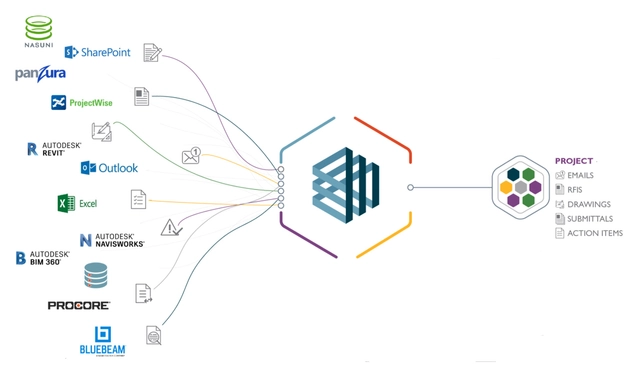
From planning to construction, architecture is more than designing buildings. With many multidisciplinary actors involved and the continuous flow of images, plans, and files, any project is also about managing large amounts of information. Because architects usually have tight deadlines – having to complete a certain number of buildings in a specific time frame – data must be managed productively and efficiently. However, as construction projects and delivery methods continue to increase in complexity, managing information has become more difficult than ever. And with the COVID-19 pandemic added to the mix, architecture firms now have a remote workforce which impacts how and where employees access information. Therefore, in order to ensure effective project delivery, the challenge lies in successfully managing project information.
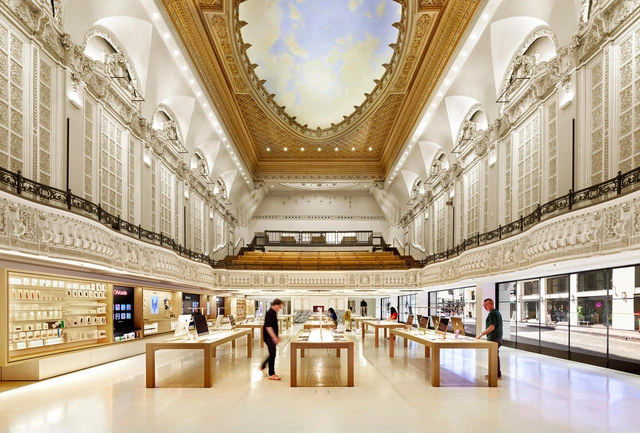
The dawn of the Anthropocene has thrown the idea of adaptive reuse into the limelight: effectively the pinnacle of urban regeneration and revitalization. It utilizes the presence of existing buildings with historic and cultural value and re-purposes them to be functional. Essentially a form of architectural salvage; a sustainable and viable means of rebuilding.
Recent events such as the pandemic has highlighted inequalities in our cityscape, the inadequate segments in a state of disuse and disrepair. Adaptive reuse can replenish these areas and create new cultural hotspots, encouraging activity and creating vibrant and healthy mixed-use environments.
Below is a diverse selection of cultural hotspots using Adaptive Reuse
Video games and virtual worlds are jam-packed with imaginative environments to explore, time periods to peruse, and invented architectural styles to thumb through within every reality we choose to engross ourselves into. With recent advancements in technology, greater than ever are we witnessing the latest PC and console generations harboring the ability to produce life-like settings for players to roam around, get lost, and explore all the nuances the seemingly authentic reality holds.
Videos
Catie Newell by Alibi Studio. Image Courtesy of Stewart Hicks
Buildings are like bodies with organs. When this is the case, with a little extra effort, buildings can be dismantled instead of demolishing them. Dismantling involves carefully removing salvageable components, storing them, and finding them new homes. While this solution is not always possible, it can be part of a sustainable effort that — in addition to keeping material out of landfills — preserves the history and memory embedded within unique materials and fragments. It also honors the human labor invested in our environment. This video explores the reuse of building materials and what it means to be surrounded by fragments with history. It also profiles institutions dedicated to the dismantling and dissemination of building materials, as well as artistic practices that reconfigure our existing built environment including Noah Purifoy and Catie Newell of Alibi Studio.
With its quantifiable objectives and measurable performance, sustainability often passes as a technological challenge. Its primary language is that of data, equipment, and engineered systems, most often translated into a hyper-technologized layer hidden within a design upholding pre-existing aesthetic norms. As architecture is the image of society at one moment in time, how does the focus on sustainability translate into architectural language, further legitimatizing the efforts to establish an equitable relationship with the environment? Architecture serves as an expression of attitudes, and since sustainability has become a fundamental value, it is worth looking at whether or not it has produced an aesthetic transformation.
Technology manufacturer 2N is diversifying its range of products by offering A&E, BIM technology, and other strategies for architects and designers.
2N is a Prague-based company engaged in the development and manufacturing of products in the field of IP intercoms and access control systems. According to an IHS report in 2016, 2N is the largest global manufacturer of IP intercoms, and a major innovator in the field of IP access systems, IP audio, and IP lift communicators. The company was established in 1991 in the Czech Republic, where its headquarters remain to this day.
Unusual materials, vibrant colors and daring compositions are some adjectives that can be applied when talking about Superlimão's work. It all started in 2002 when Antonio Carlos Figueira de Mello, Lula Gouveia, Thiago Rodrigues and former partner Sergio Cabral founded the firm, naming it in honor of the Super Lemon candy – “sour at the beginning and sweet at the end”. Since then, this hint of humor - present even in the name itself - permeates all of the team's creations, hinting at new experiences and arousing curiosity as well as the taste of the candy.
New Orleans was designed by its early settlers in 1721 as a Cartesian grid. You know it as the famous French Quarter or Vieux Carré. Such grids are named for the Cartesian coordinate system we learned to use in algebra or geometry class, perpendicular X and Y axes, used to measure units of distance on a plane. The invention of René Descartes (1596–1650), these grids reflect his rationalism, the view that reason, not embodied or empirical experience, is the only source and certain test of knowledge. William Penn used a similar grid in 1682 in selling Philadelphia as an urban paradise where industry would thrive in the newly settled wilderness. And just as the massive buildings of Italian Rationalist (i.e., Fascist) architecture express authoritarian control, so, too, Cartesian grids implicitly say: Someone is in charge here. We’ve got this. Trust us.
With the increase of extreme weather events due to climate change, sustainable architecture is only becoming more important. After all, to mitigate the impact of climate change, the International Energy Agency has recommended that industries aim for a net-zero energy system. For the construction sector, that means working to mitigate 11.4 Gt of CO2 emissions.
To help, architects should ensure their specifications are sustainable. External membranes, for instance, are often a go-to waterproofing method, but they come with many risks, including the tendency to fail frequently, and they are not environmentally friendly. In short, a better alternative is necessary.










_9.46.53_a._m..jpg?1640354929&format=webp&width=640&height=580)