

This guide explains how to structure multi-image prompts in the RunDifussion platform. Explore RunDifussion's product catalog.
Articles
How to Prompt and Annotate Multiple Images with AI
| Sponsored Content
https://www.archdaily.comhttps://www.archdaily.com/catalog/us/products/38860/how-to-prompt-and-annotate-multiple-images-with-ai-rundiffusion
Beyond the Triple Journey: What Is Expected of Women in Architecture?

The Great Wars of the early 20th century brought several social transformations, including the introduction of women into the labor market. Decades later, work dynamics are different, but the market continues to reinforce the division of labor by gender and to explore the triple shift. However, there are gaps for possible transformations.





https://www.archdaily.com/991341/beyond-the-triple-journey-what-is-expected-of-women-in-architectureGiovana Martino
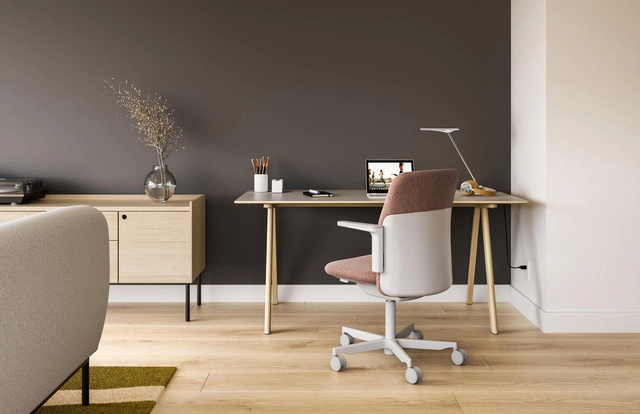
Registration Now Open: beyond.aco | architecture across continents
| Sponsored Content

In March 2021, ACO and AIT-Dialog successfully launched a virtual tour through the seven continents of the world, inviting architects, urban planners, engineers and landscape architects to become part of "beyond.aco | architecture across continents". Now the journey continues: Join them at their next live event on 8 November 2022 and look forward to inspiring lectures from international speakers.
https://www.archdaily.com/991064/registration-now-open-beyonco-architecture-across-continentsRene Submissions
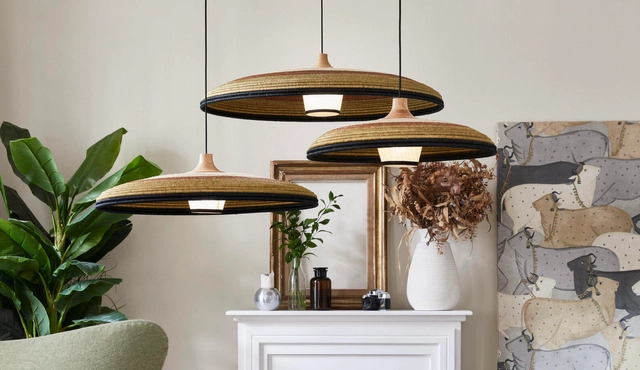
How Will Qatar Deal With High Temperatures Inside World Cup Stadiums
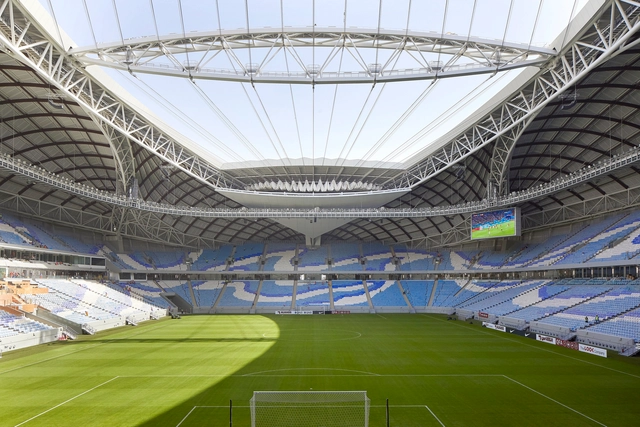
The World Cup will take place between November and December. This is due to the host country’s climate in June and July when Qatar can reach average temperatures of 40 to 50°C.


https://www.archdaily.com/991186/how-will-qatar-deal-with-high-temperatures-inside-world-cup-stadiumsCamilla Ghisleni
Architectural Wire Mesh for Effective Fall Protection
| Sponsored Content
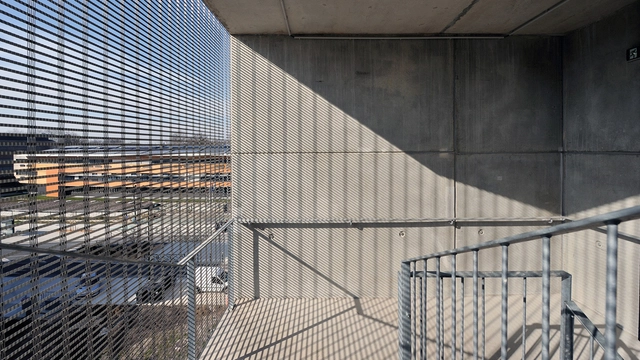
Versatility is the main characteristic of wire mesh. They can be used indoors, as ceilings and walls, but also outdoors, covering railings or wrapping entire buildings. In addition to its many possible uses, versatility is intrinsic to the material: Depending on the choice of warp and weft wires and the type of weave, the result is an individual mesh with a specific look and light effect, that can be further expanded with different materials or colored mesh surfaces. Another notable quality of the material is the safety it provides, either in guard rails on walkways, vehicle bridges with sidewalks, central atriums, elevated playgrounds, multi-storey parking lots, or internal or external stairways.
https://www.archdaily.com/990981/architectural-wire-mesh-for-effective-fall-protectionEduardo Souza
Hackcity: Calling on 100 Architects to Co-build a Future City With Autonomous Moving Vehicles

PIXCITY is a prototype proposed by PIXCITY DAO to encourage the exploration, design, and construction of the future city. It is an experimental project that merges new technologies and artistic design, which will be completed both online and offline.
https://www.archdaily.com/991492/official-launch-of-pixcity-announced-calling-on-city-hackers-across-the-world-to-collaborate-on-improving-future-human-habitatJuly Shao
Johanna Meyer-Grohbrügge and the Spatialization of Content
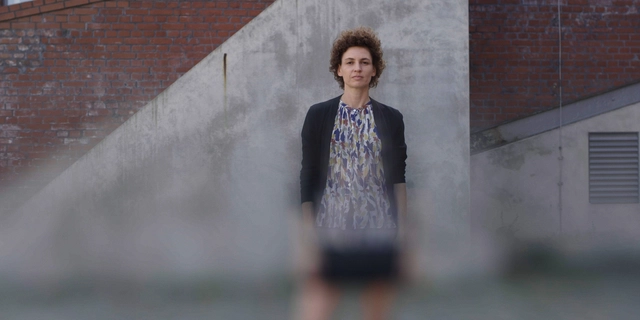
From ending up by accident in architectural studies, to eventually falling in love with the complexity of the field and the multitude of its layers, Johanna Meyer-Grohbrügge was amazed by the dual nature of architecture; its intellectual aspect, and physical outcome. Founder of Meyer-Grohbrügge in Berlin, the architect, and her studio seek to spatialize content, create relationships, and find solutions for living together.
With Toshiko Mori and Gabriela Carrillo, Johanna Meyer-Grohbrügge is part of a new documentary titled "Women in Architecture", premiering on November 3rd. The film by Sky-Frame, in collaboration with ArchDaily, and directed by Boris Noir is a catalyst for debate on one of the most pressing topics in architecture.





https://www.archdaily.com/991123/johanna-meyer-grohbrugge-and-the-spatialization-of-contentChristele Harrouk
It Is Possible to Add a Bathroom Anywhere: How Does a Macerator Work?
| Sponsored Content
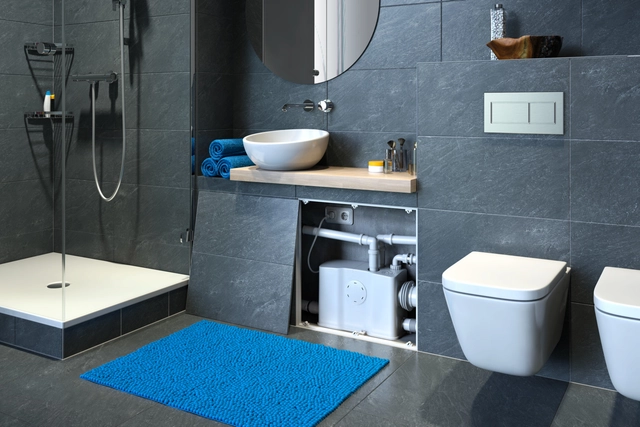
We have written a lot about the adaptive reuse of buildings and how this should become an even more important activity for architects in the future. Focusing on interiors, it consists of adapting spaces to new demands, promoting quality and comfort, and often incorporating new technologies into a space. Whether adding a new bedroom, organizing a home office, or transforming a historical building into an office, the architects' creativity allows them to create interesting environments without the need for demolishing. But one thing that tends to make designers scratch their heads in concern is how to include bathrooms and all the complication that it entails. This is because adding a simple toilet usually requires breaking slabs, walls, and floors, working with thick plumbing, and, above all, spending a lot of money and time. There is, however, the possibility of using a macerating pump system - a straightforward, affordable solution for creating a complete or half bathroom practically anywhere.
https://www.archdaily.com/991208/it-is-possible-to-add-a-bathroom-anywhere-how-does-a-macerator-workEduardo Souza
Hartmut Thimel: A Secret Architect in Brazil
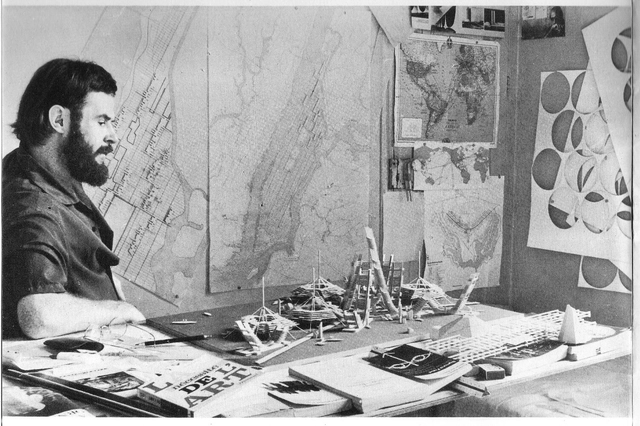
Ricardo Rocha writes about the German-Brazilian architect Hartmut Thimel. Forgotten by canonical historiography, he worked with Georges Candilis, Yona Friedman, and later with Oscar Niemeyer. His work is a bridge between 1970s Brazil, addressing the international avant-garde - Team X, Metabolism, Spatial Urbanism, and Prospective, among others.
https://www.archdaily.com/991196/hartmut-thimel-a-secret-architect-in-brazilRicardo Rocha
Constructing With Concrete: Hardcore Projects and Products
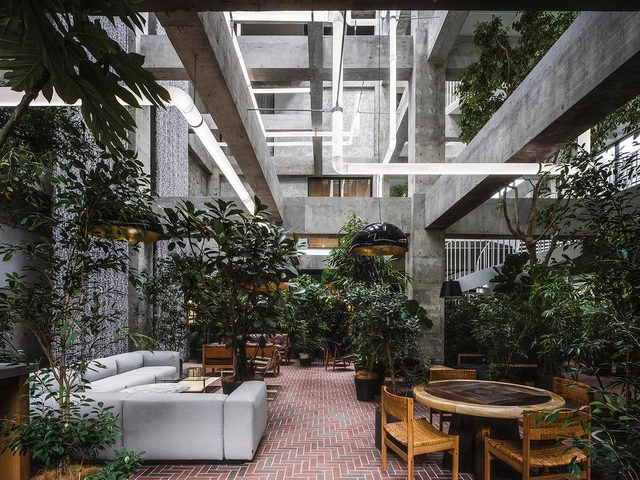
Widely recognized as being responsible for 8% of global CO2 emissions, concrete should be a blacklisted material, relegated to the shameful annals of architectural history. Rapid global urbanization, however, will ensure its unequaled production simplicity and structural strength help retain concrete’s firm grip on the construction industry.
If you can’t beat it, improve it: is the industry’s mantra on innovation, currently developing various alternatives to concrete or its constituent parts and admixtures. So with a concrete set for the environmental green list, the concrete revolution –using the material as an aesthetic exterior facade, interior decoration and fittings, or even in furniture and lighting, as well as a structural framework– is free to continue.

https://www.archdaily.com/991393/constructing-with-concrete-hardcore-projects-and-productsJames Wormald
Good Design for a Museum Display Case: Pushing the Limits of Minimalism and Functionality
| Sponsored Content
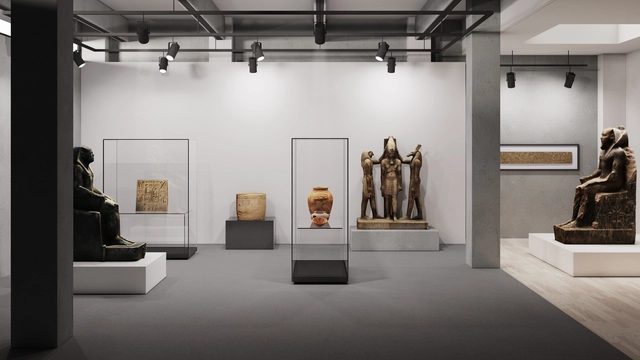
Museums play a critical role in preserving local cultures, promoting a better understanding of our collective heritage, and fostering dialogue, curiosity and self-reflection. In recent years –and largely driven by the Covid-19 pandemic– technological advances have enabled users from all over the world to visit exhibitions virtually, at any time and from the comfort of their own home. However, although online tours are a good way of increasing accessibility, there is something about the in-person museum experience that will never get old: the ability to witness, embrace and closely admire artefacts, paintings and sculptures in their true form, as well as the chance to experience the unique ambiance and essence of a traditional museum setting. Viewing the Mona Lisa virtually will never live up to appreciating it face-to-face at The Louvre, for instance.
https://www.archdaily.com/991160/good-design-for-a-museum-display-case-pushing-the-limits-of-minimalism-and-functionalityValeria Montjoy
Call for Entries: International Consultation for the Development Strategy and Implementation Strategy of Shenzhen Airport Economics Announcement
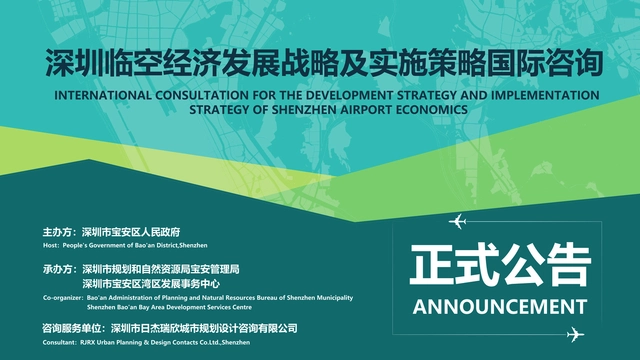
In order to collect global intelligence and advanced ideas, and provide advice for the development of Shenzhen airport economics, the International Consultation for the Development Strategy and Implementation Strategy of Shenzhen Airport Economics was launched. Registration is now open to outstanding consultation institutions and planning and design institutions all over the world.
https://www.archdaily.com/991413/call-for-entries-international-consultation-for-the-development-strategy-and-implementation-strategy-of-shenzhen-airport-economics-announcementJuly Shao
Place Branding: Reviving Cities through Brand Strategy
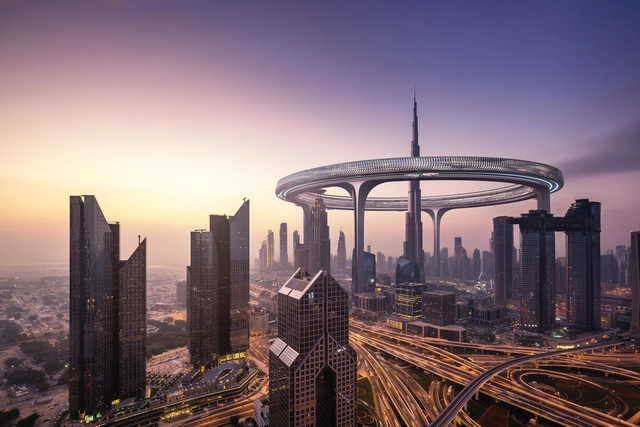
The 1970’s were a dark time for New York City. While the economy was down, crime rates were at an all-time high. The negative public image also kept tourists away, driving the city into a financial crisis. To change perceptions about The Big Apple, the New York State Department for Economic Development approached advertising firm Wells Rich Greene to create an inviting marketing operation. After 45 years, the resulting I Love NY campaign remains fresh in the minds of locals and tourists, successfully revamping New York City’s brand. Cities across the world like Paris, Amsterdam and Jerusalem have similarly invested heavily in constructing magnetic brands for themselves.




https://www.archdaily.com/991419/place-branding-reviving-cities-through-brand-strategyAnkitha Gattupalli
Women on Construction Sites: Our Community Shares their Thoughts, Concerns, and Outlook for the Future

Site work has always been and remains a pivotal stage in forming our built environment. Most architects, designers or engineers have at one point or another been on the grounds and understand the importance of presence within the project development phases. Working on construction sites can be a valuable learning experience and allows different inputs from diverse experts to be considered in forming a better urban, living, and working environment for all. Starting from this idea, and as we delve into Women in Architecture as part of our ArchDaily topics, we published an invitation, encouraging our readers to share their opinion on gender-based discrimination on the construction site.





https://www.archdaily.com/991068/women-on-construction-sites-our-community-shares-their-thoughts-concerns-and-outlook-for-the-futureArchDaily Team

Blending Wellness with Architectural Design
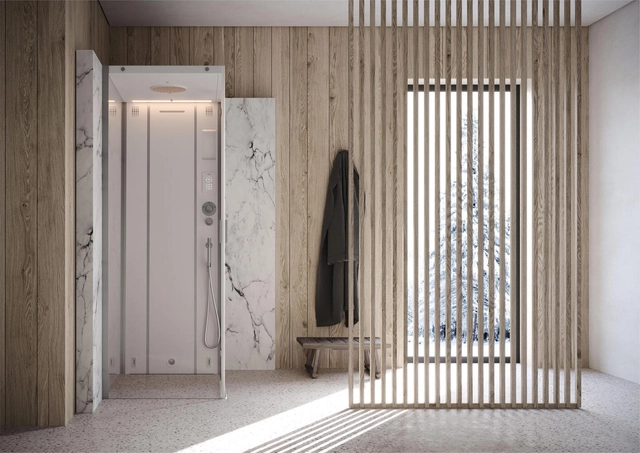
These days, wellness is a commonly-used word in design and other areas, but what does it truly mean? According to the National Wellness Institute, the concept is defined as "an active process through which people become aware of, and make choices toward, a more successful existence." It can be viewed from different perspectives, such as environmental, intellectual, spiritual and physical factors. Although these elements can be integrated separately into one’s life, they can also complement each other and work together. For example, exercise does not only provide physical benefits; it contributes to emotional wellness as well.
https://www.archdaily.com/988480/blending-wellness-with-architectural-designCamila Prieto
What Is Sensory Urbanism?

Sensory urbanism is a form of investigation of how non-visual information defines a city's character and affects its livability. Using methods that range from sound tracks and smell maps, wearables and virtual reality, researchers in this area have introduced other senses to urban centers.
https://www.archdaily.com/987764/what-is-sensory-urbanismMarília Matoso
Before and After: 5 Refurbishments in Brazilian Houses
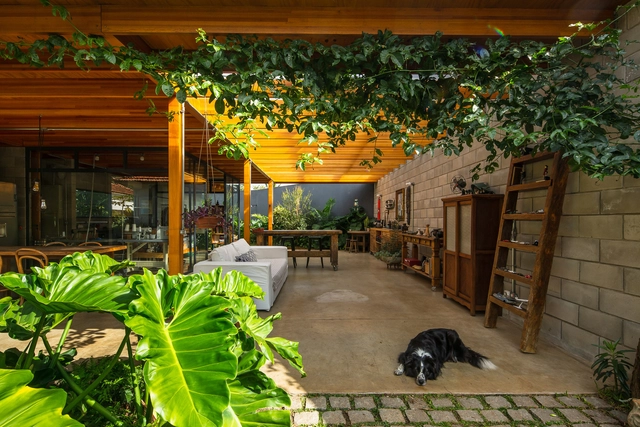
If we previously brought in before and after plans of apartment refurbishments, we now focus on residential projects that have received needed improvements. In addition to the plans, the information contained in the memorial of each project helps to better understand the attitude taken in each architectural design. After all, each work brings with it different demands: deadlines, budgets, legislation and pre-existing conditions.



https://www.archdaily.com/988424/before-and-after-5-refurbishments-in-brazilian-housesArchDaily Team
Clinging to Familiarity in the Metaverse: Are We More Likely to Accept Architecture When it Looks Familiar?
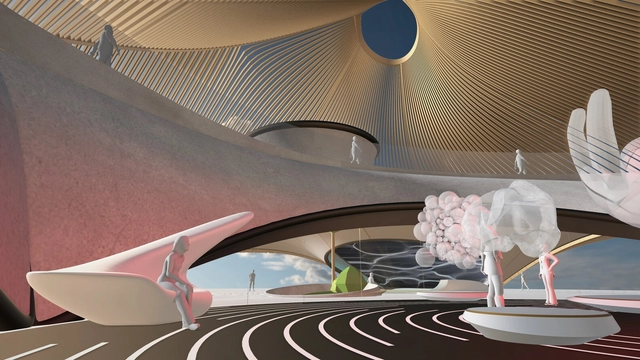
We live in a world where the experienced, remembered, and imagined, as well as different moments in space and time concerning the past, present, and future are inseparably blended. As of recent, we are being offered various mediums to gain access to other planes of existence, utilizing immersive technologies like virtual and augmented reality (VR and AR), creating a pathway to the metaverse in which we are transported to spaces that are capable of feeling more ‘real’ than anything we presently experience.


https://www.archdaily.com/988419/clinging-to-familiarity-in-the-metaverse-are-we-more-likely-to-accept-architecture-when-it-looks-familiarJullia Joson
Shelves and Cabinets: 20 Creative Examples

The design of cabinets and shelves is fundamental for the composition of the interior of a house. Their functions can be the most diverse - home libraries, storage, artwork and decorative elements display -, but with a little architectural ingenuity it is possible to make them protagonists, adding not only an aesthetic value to the room, but making the environment more versatile. Therefore, we have separated some tips and references to inspire your next project.





https://www.archdaily.com/988440/shelves-and-cabinets-20-creative-examplesArchDaily Team
Aluminium Chain Façade Cladding with Endless Creative Possibilities
| Sponsored Content

The façade is the only part of the building that can be seen from the outside and has the function of communicating a message derived from its design. It therefore deserves special attention in every detail. A façade that is well proportioned in terms of colours and materials, which facilitates the connection between the interior and the exterior, will generate an initial attraction for pedestrians, inviting them to enter.
From a small house clad in classic tiles, to big brands such as Apple or Louis Vuitton, façades are used as an architectural expression to give us a glimpse of the first elements that we will later find inside the premises. In interior design, the entrance hall of a home concentrates many clues as to what we will find next. The effect of this first impression would be even more positive if the façade included a design that leaves the user hungry for more.
https://www.archdaily.com/990983/aluminium-chain-facade-cladding-with-endless-creative-possibilitiesRene Submissions
Sometimes, the Better Alternative Is Not to Build New Things
This article was originally published on Common Edge.
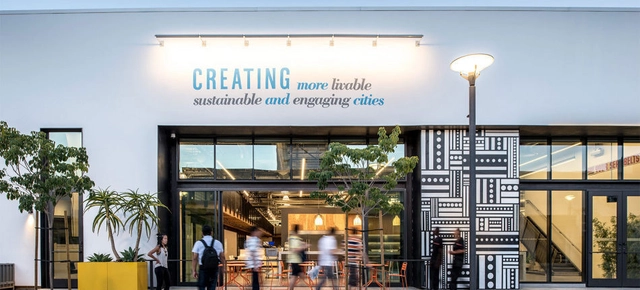
My first encounter with saving a building landed me in handcuffs and a trip to the Long Beach Police Department. A friend and I were frustrated that our hometown was demolishing good buildings—because they did not conform with the current style of architecture—only to replace them with parking lots! All in the name of “progress.” In 1988, when we learned that the Jergins Trust Building, a Beaux-Arts beauty, was slated to be torn down with no plans for the site, we jumped into action and chained ourselves to the building to stop the wrecking crew. Our efforts kept it up for another four hours. And then it was gone forever.

https://www.archdaily.com/991299/sometimes-the-better-alternative-is-not-to-build-new-thingsMichael Bohn
When Light Tells a Building’s Story: What is Architectural Lighting?
| Sponsored Content
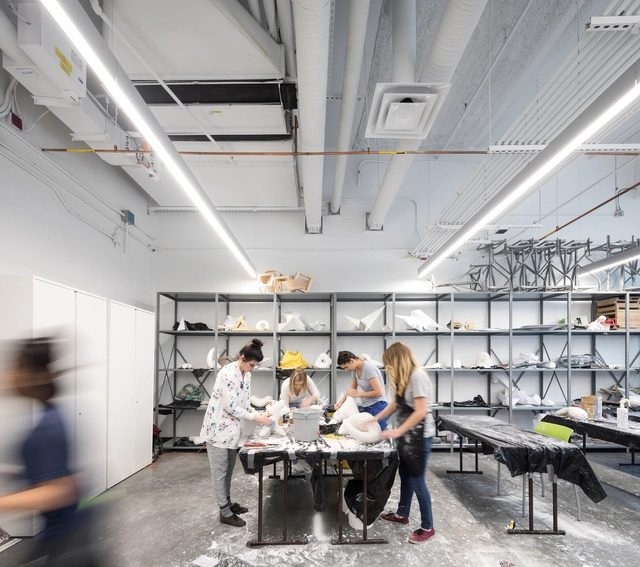
Lighting plays a crucial role in architecture: to allow users to see, safely inhabit spaces, and carry out their daily activities. But its power has long exceeded these basic functions, primarily driven by technological advances and new design trends that have led to greater innovation and creativity. Contemporary lighting design has the ability to completely transform a room, impacting visual comfort and setting the tone by defining volumes, drawing attention to texture and enhancing colors. It can also determine shape and size perception; for example, in a room that is particularly small, having extra lighting reflect off light-colored walls will help the space appear larger. Similarly, light has been proven to affect mood, concentration and overall well-being. Whereas an adequately illuminated environment is associated to warmth and improved energy levels, poor lighting can lead to health deficiencies, including headaches, eyestrain and even depression.
https://www.archdaily.com/990976/when-light-tells-a-buildings-story-what-is-architectural-lightingValeria Montjoy