As a mid-career design-professional, what avenues exist for investigating questions and problems that arise from being embedded in practice? What opportunity is there for exploring or articulating an idea for a type of project or organizational structure that could improve professional practice?
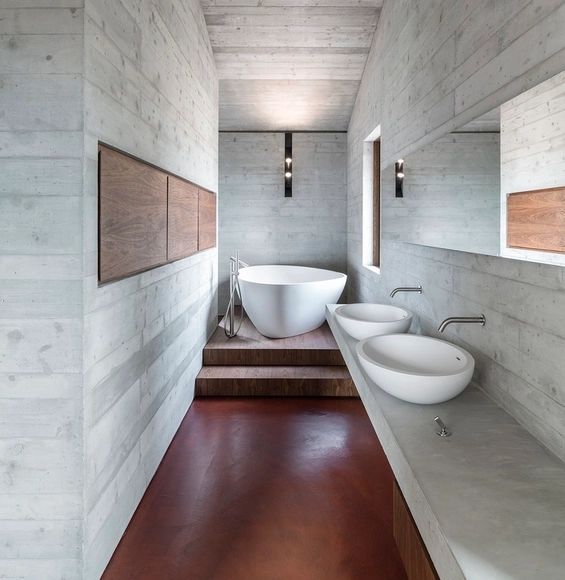
Concrete is one of the top building materials in the world and it is almost impossible not to associate it with architectural structures. However, the so-called brutalist style is becoming more and more popular in interior design, and concrete is replacing the traditional materials used in furniture and countertops, such as wood and stone.
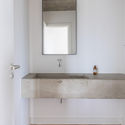
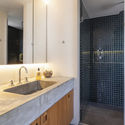
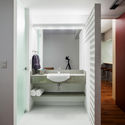
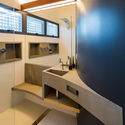
Due to its polished finish and seamless surface, this waterproof and resistant material is very easy to clean, preventing mold from growing in expansion joints, and requiring little maintenance. A few months ago we published an article featuring a collection of projects for kitchen countertops and indoor/outdoor benches made of concrete. Now, we have gathered a series of interior design projects with bathrooms featuring concrete countertops, from small washrooms to roomy bathrooms. Check out below:
Architecture school is a place of experiment and a testing ground for innovative ideas. The academic work and student projects can bring to light the focus of an entire career, shape the backbone for an architectural theory, and crystalize values. How do their studies and formative years reflect on the later work of different architects? Taking a journey along decades, we explore the transition from architecture school to practice, the reverberance of academic explorations and early projects in the work of several architects and practices, highlighting the different pivotal steps that have shaped the beginning of their architectural journey.
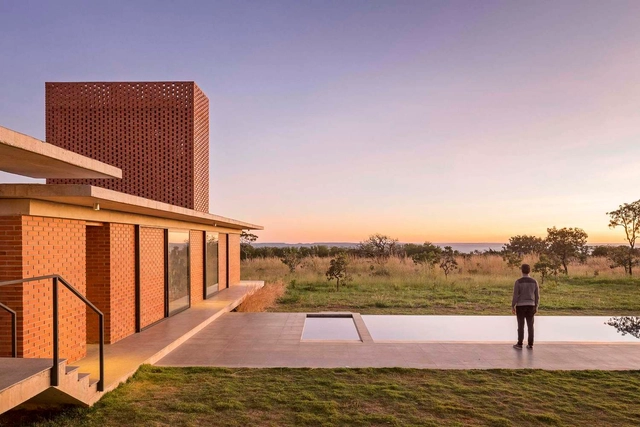
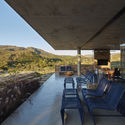
The Cerrado is a vast tropical savanna ecoregion of Brazil, a biome consisting of low trees, sparse shrubs, and grass, occupying an area of more than 2 million km² – about 23% of the national territory – covering most of the eastern, southern, and central portions of the country, particularly in the states of Mato Grosso, Mato Grosso do Sul, Goiás, Minas Gerais, Piauí, the Federal District, Tocantins and part of the states of Bahia, Ceará, Maranhão, São Paulo, Paraná, and Rondônia.
We invite you to discover the landscapes of the Cerrado through architecture. Check out the following 10 projects located in various areas of the second largest biome in South America.
Master of Design Studies at the Fay Jones School of Architecture and Design
There is a growing demand for specialized knowledge and skills to address emerging and critical issues that span the architecture and design disciplines. This demand is underpinned by the sustained movement in which research informs an interdisciplinary and transdisciplinary design practice. Graduate study is a way for early and mid-career design professionals to gain expertise, strategically focus and develop their career path, and even seek leadership positions. The three areas of practice framed below show how advanced design education can lead to professional development and growth.
Today, Open House Worldwide (OHWW) will stage its first collaborative event: a free 48-hour non-stop streamed festival of events, discussions, tours and more. As media partners, ArchDaily will be broadcasting the entire event.
I am tired of design magazines and paint companies trying to sell me on dull “neutral” colors. They claim ”Beige Is Back,” that there is a historical elegance and calming effect to monochromatic off-whites. I don’t buy it. A minimalistic approach to color in modern buildings and interiors doesn’t relax me—it puts me to sleep. When I awake, I am angry. The historical notion that bleached Greco-Roman temples represent beauty is a myth. The ancients never rendered their structures, interiors, and ornament without color. Their architecture was vividly polychromatic.
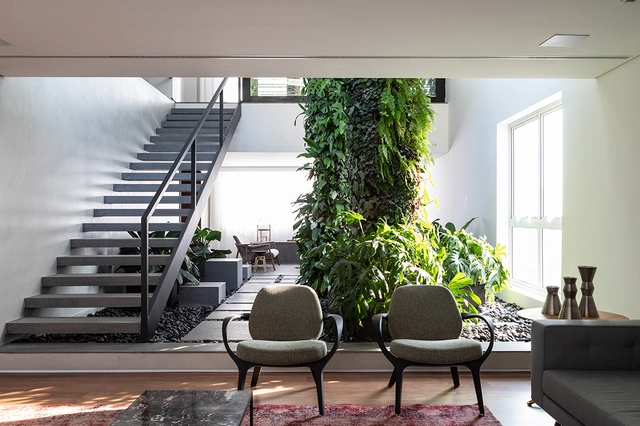
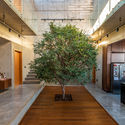
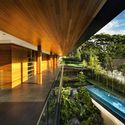
During times of isolation, many people have been talking about the importance of greenery in indoor spaces as a way to nourish our vital relationship with nature. These touches of green can contribute to the well-being and emotional comfort of users, whether in homes or commercial spaces.
Besides this psychological connection, a well-designed indoor garden can also help to purify the air and provide thermal comfort to the environment.
If a person were to imagine a setting of complete relaxation, odds are the first image that comes to mind is a place surrounded by nature, be it a forest, the mountains, the sea, or a meadow. Rarely does one imagine an office or a shopping mall as a source of comfort and relaxation. Still, the majority of people spend almost 80-90 % of their time indoors, going back and forth from their houses to their workplaces.
Architects and designers are now searching for design solutions that will resonate well into the future, turning to 'biophilia' as an important source of inspiration that promotes well-being, health, and emotional comfort.
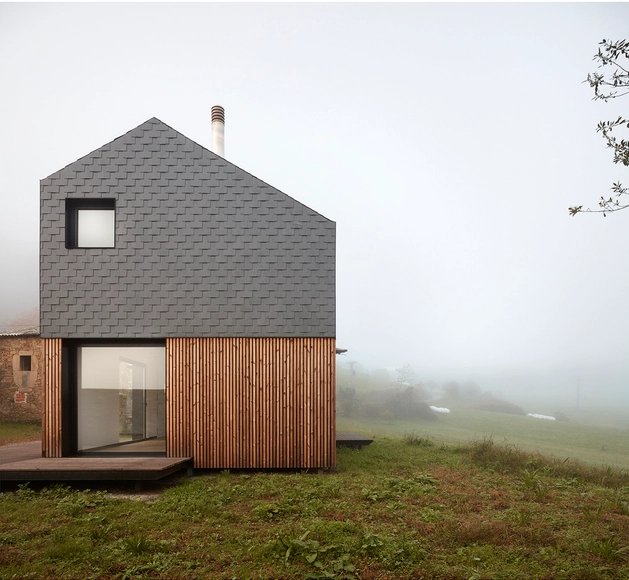
Every child has drawn a house. Perhaps a sunny day with some clouds, a leafy tree, a family with a dog, low wooden fences, or even a car. But in these drawings, they will almost certainly draw a simple rectangle with a gable or hip roof. This archetype of the house appears in virtually all cultures, and even today many architects use it for contemporary projects.
In addition to the primary function of draining rainwater and snow, and thus protecting the building from the weather, roofs can be an important aesthetic device for composing a project. In modern architecture, waterproof roof slabs emerged as a popular alternative, but sloping roofs have continued to captivate both clients and architects. In this article, we will cover the various types of roofs and, more specifically, the manufacturing process and characteristics of natural slate tiles.
CTO Lighting’s approach blends traditional values of quality and craftsmanship with a contemporary emphasis on sustainability and collaboration
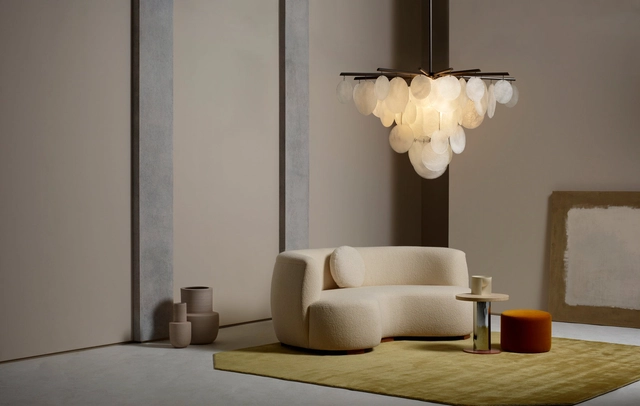
CTO Lighting is a luxury lighting company. Counting the iconic Savoy and Dorchester hotels among its clients, the company's approach blends traditional values of quality and craftsmanship with a contemporary emphasis on sustainability and collaboration.
The Un-Habitat or the United Nations agency for human settlements and sustainable urban development, whose primary focus is to deal with the challenges of rapid urbanization, has been developing innovative approaches in the urban design field, centered on the active participation of the community. ArchDaily has teamed up with UN-Habitat to bring you weekly news, article, and interviews that highlight this work, with content straight from the source, developed by our editors.
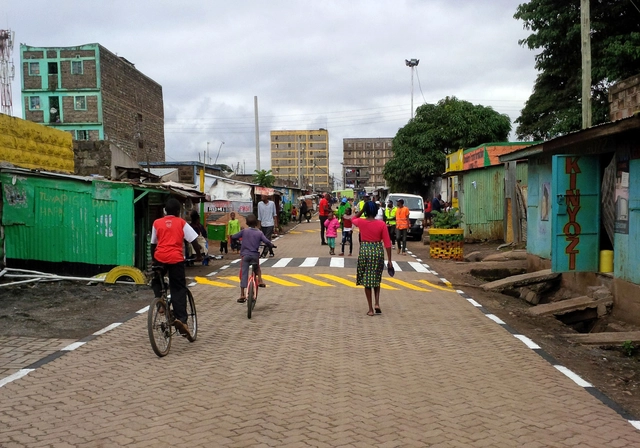
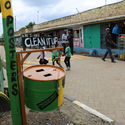
Associated with crime, waste, and garbage, Dandora in Nairobi’s Eastlands is home to 140,000 or so residents. In an on-going collaboration, between local residents and youth groups, UN-Habitat, Making Cities Together Coalition, and the Dandora Transformation League, the Model Street project has been transforming the garbage-filled community spaces into waste-free, attractive, and engaging places. Focusing on improving the shared courtyard spaces of residential compounds, an annual competition led by the youth of the neighborhood, the Changing Faces Challenge, became an initiative mobilizing citizens across Nairobi.
The human scale can best be described as the relationship between a body and its surroundings and a body is nothing if not the undeniable connection between our sensorial experience within the material world and how we perceive it within our own minds.
In the early modern period, Taoist monks cultivated Bonsai trees seeking to bring their beauty from the outside to the inside, considering them a link between the human and the divine. Likewise, in the 18th century, different tree-lined walks and avenues arose on the outskirts of some European cities, generating spaces for rest and socialization that were previously non-existent in cities at that time.
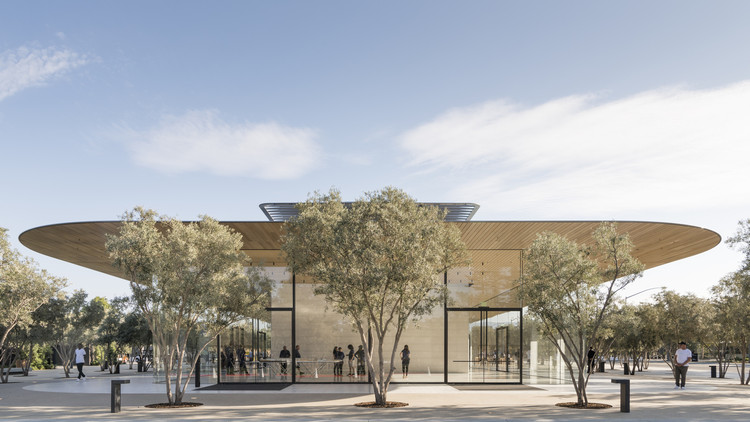
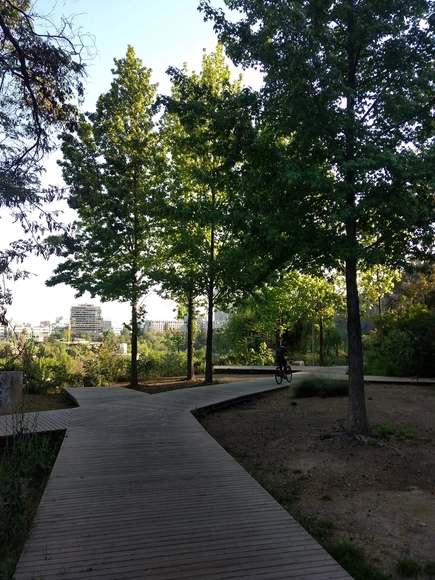
In cities today, trees are essential elements in the urbanization process and act as irreplaceable counterpoints to manmade constructions for spatial harmony. Choosing appropriate tree species and maintaining them correctly generates countless benefits, such as acoustic and visual insulation, temperature regulation, the generation of biological corridors, and control of wind speeds. The main mistake planners can make when choosing tree species is forgetting that they are living beings and have specific needs.
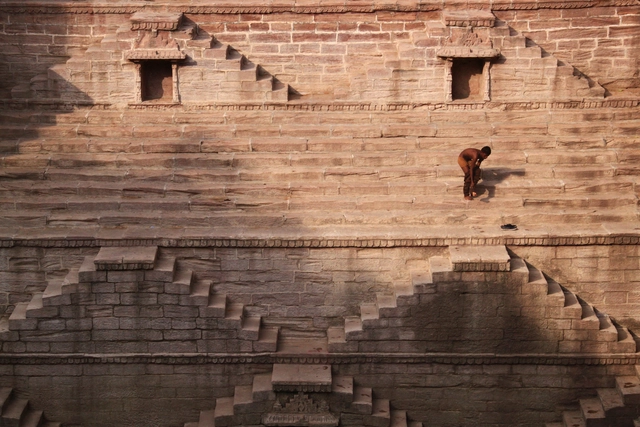
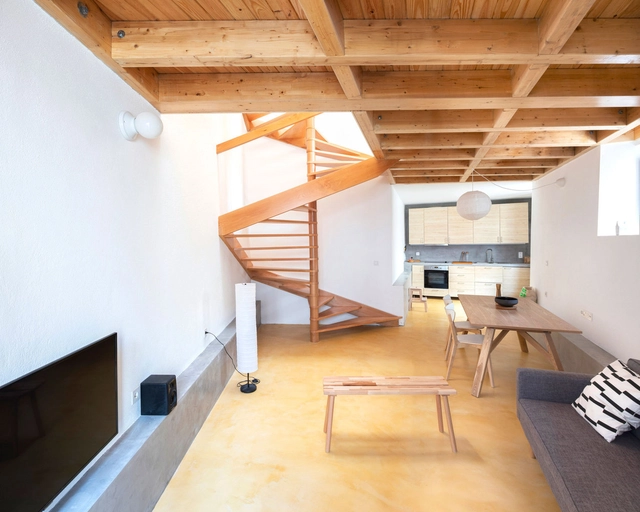
The presence of different ground levels requires solutions to connect them, either because of a need to adapt to the terrain or any other factor that leads to the verticalization of a building. Staircases serve the purpose of connecting the various floors and creating the building's dynamics through many different shapes, designs, and materials. When made of wood, they can also add a variety of colors and textures that contribute to the uniqueness of this element.
Now that we’re all spending much more time inside due to the pandemic, we’ve had a chance to truly understand and appreciate the significant impact that windows can have on a space. Views, sun angles, and orientation of windows are all important considerations when designing a new building - and as pleasant as it is to have a connection to the outdoors, windows can also cause issues like glare and heat gain. Of course no one wants a building with windows only on one side or to have the blinds shut constantly to be able to see their computer screen, so one versatile architectural solution is to shade windows using architectural wire mesh.
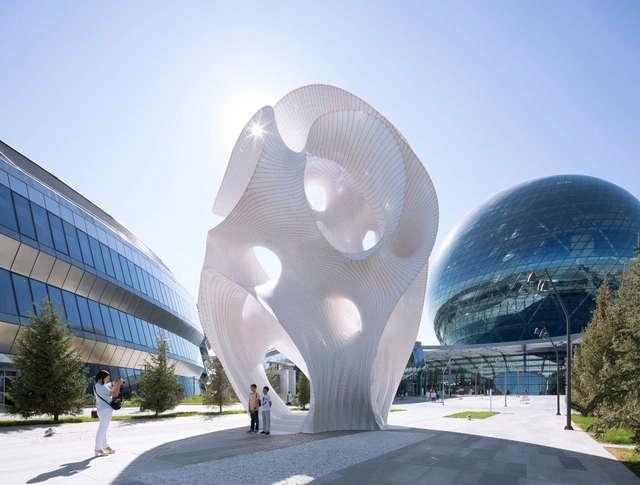
Kazakhstan's built environment is defined by a complex history. As a constitutional republic with a diverse cultural heritage, the country's architecture includes contrasting traditions, from integrating buildings with the landscape to standing out from it. Today, a mix of futuristic towers and monuments speak to a legacy of atypical design, and a series of modern projects showcase how architects are working to build a new narrative for the country.
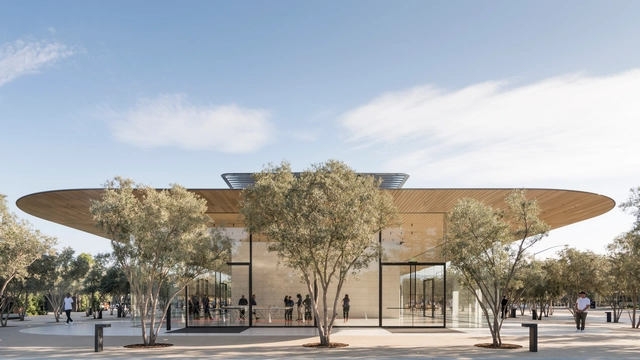
During the first days of the quarantine, we noticed a drastic change throughout the world's cities—streets, plazas, and parks deserted and devoid of life, putting into perspective the powerful effect that humans have on urban spaces. Here, we have compiled a list of projects and spaces that show just how humans bring life to the places they inhabit.














.jpg?1603825674&format=webp&width=640&height=580)