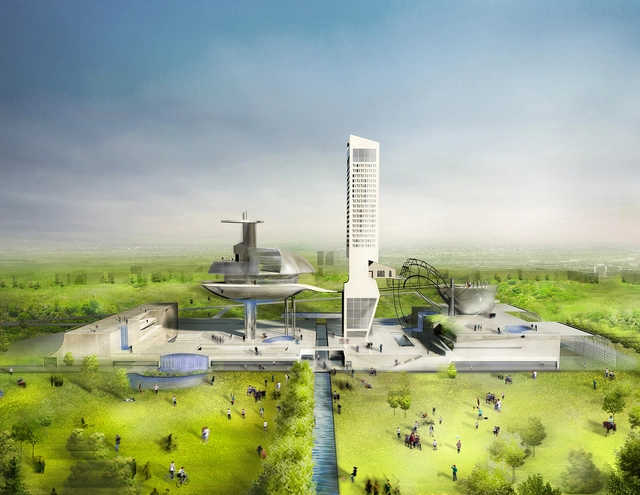
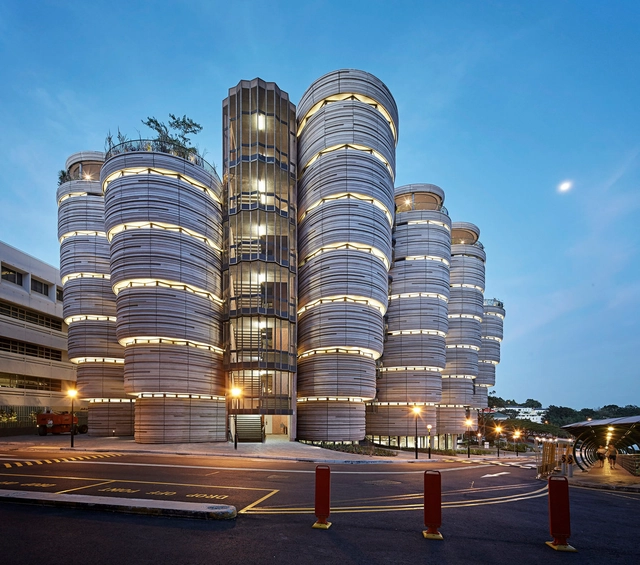
Singapore has emerged as a global design center. As a city-state and island country in Southeast Asia, the Lion City is home to a new class of high-rise buildings, gardens and iconic landmarks. While the design world is familiar with structures like the Safdie's Jewel Changi Airport or OMA's Interlace, Singapore has also built a range of new public and civic buildings alongside extensive land reclamation projects.
After over a decade curating the best architecture, at ArchDaily we know that no one builds alone. Shaping our built environment demands close collaborations and partnerships between architects, designers, and hundreds of other professionals committed to each project. This is why it is time to recognize and highlight the best collaborators responsible for delivering the best architecture, while we continue delivering valuable knowledge related to the different disciplines within our community.
ArchDaily Professionals is an initiative that focuses on all of the collaborators involved in the architecture and construction process, who participated and are credited in the projects we curate.
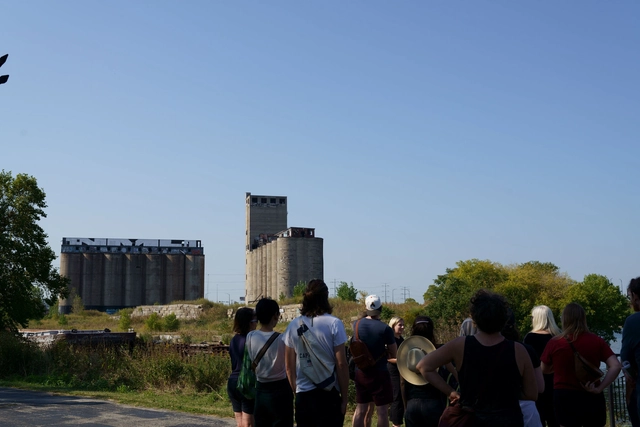
In Metropolisthis week, author Annie Howard explores Chicago's Architecture Biennial, which opened to the public on September 17th, showcasing a series of 15 site-specific interventions. Arguing that "a tour of the Damen Silos and a celebration of the Wall of Respect show a biennial struggling to achieve longer-term engagement with the city it calls home", the editor questions how much work is needed in order to make the city fully usable to its residents.
https://www.archdaily.com/971003/understanding-the-available-city-at-the-chicago-architectural-biennialAnnie Howard
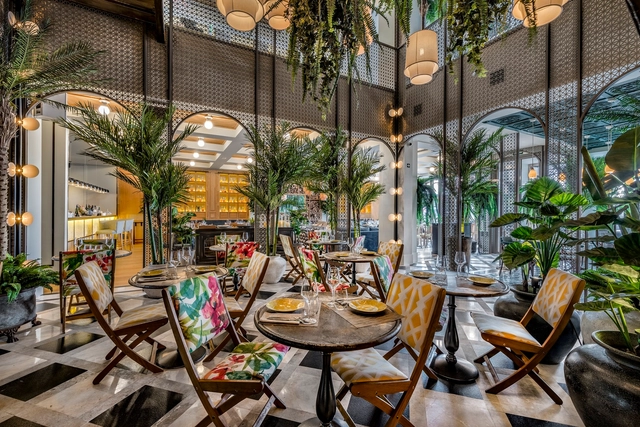
Renovating a space for a gastronomic purpose can be one of the most interesting challenges for an architect, due to the freedom of design that tends to characterize these projects. It allows us to play with cladding materials, lighting, and furnishings to create unique spaces that are both attractive and functional for both the restaurant team and the diners.
We dived into our project library to select 5 restaurants that took advantage of their renovations and complexities to create distinctive spaces, presented by ICEX e Interiors from Spain.
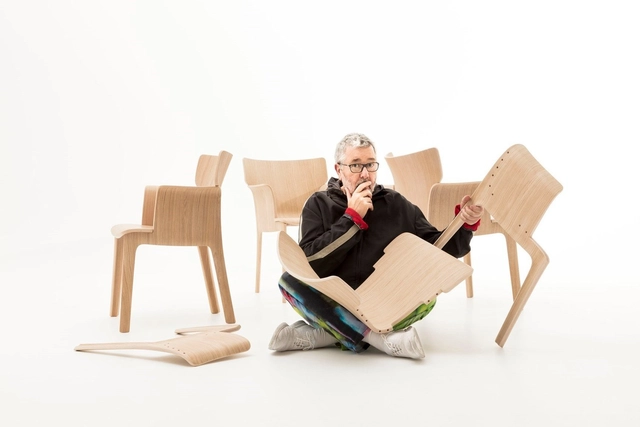
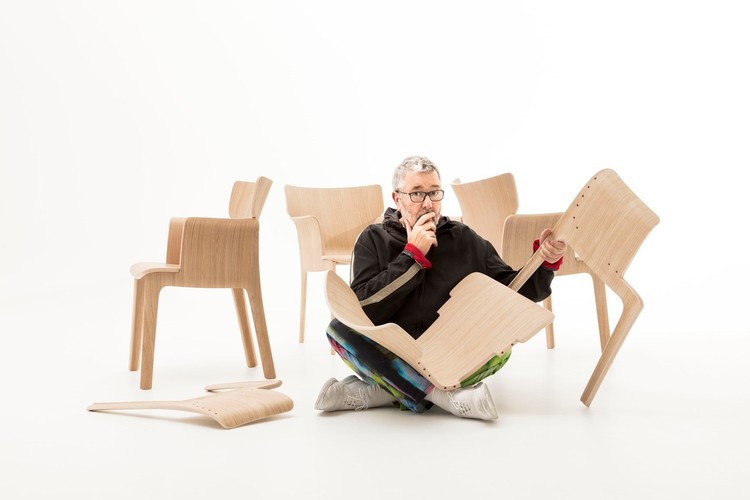
Believing that a creator has a duty towards society, Philippe Starck, is a multifaceted designer whose projects span across many disciplines. From architecture and interiors to industrial and furniture design, Starck’s portfolio is always, as he puts it, “focused on the essential”, and “must improve the lives of as many people as possible”. Author of Alessi’s famous lemon squeezer, he is known for pushing the boundary of design in everyday objects.
With 10,000 creations, completed or yet to come, Philippe Starck is a pioneer in “making things in the way of ecology”. In fact, ArchDaily had the chance to meet the designer at the 2021 Salone del Mobile, to discuss his design approach and visions as well as hislatest plywood creation for Andreu World.
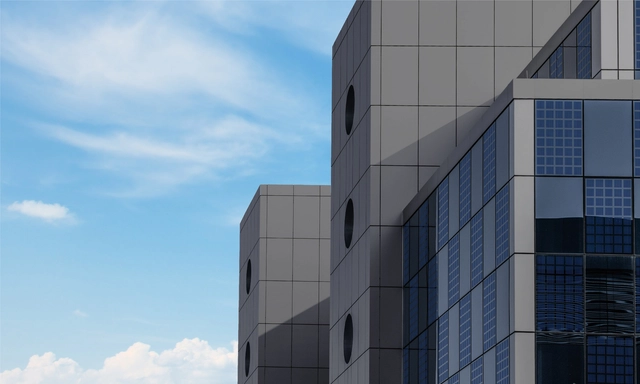
Solar technology has enormous potential, but it has been underutilized. To get an idea of just how underutilized it is, consider that every 24 hours the amount of sunlight that hits the Earth could provide energy for the entire planet for 24 years. Of course, it is necessary to collect it properly, through photovoltaic systems. With the climate crisis increasingly present in our daily lives, causing growing concerns about obtaining energy from renewable sources and reducing carbon emissions, using the sun's possibilities to generate clean energy seems to be a path of no return. But there are still some difficulties that reduce its use, such as obtaining economical solar products, aesthetics, availability of these products, regulations, and even installation issues.
Building-integrated photovoltaics, or BIPVs, offer the design and construction industry solutions to typical challenges that hinder adoption of solar energy. Below, we list the main challenges of incorporating solar energy into projects and how they can be overcome.
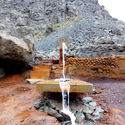
Within the Andes Mountains, the San Pedro Hot Springs is a place to press pause and contemplate, which interrupts a transnational highway between Chile and Argentina. Although these natural pools became a public landmark within the route, they eventually fell over time into a state of abandonment and deterioration as a result of the constant seismic movements in the region.
In response to this situation, Chilean architect Pia Montero sought to highlight the baths for her built-project thesis at the University of Talca in order to consolidate it as a landmark of tourist potential and symbol of the territorial identity of the Maule Region. Moreover, the project is a wake-up call to rediscover and rescue the value of the natural and cultural heritage of the area from the gradual abandonment into which it fell over the years.
The Taipei Performing Arts Centre sits amid the city’s Shilin Night Market. Lifted off the ground, so that street life spills beneath the structure, the glass-walled central cube appears light and airy. Image Courtesy of Vanceva
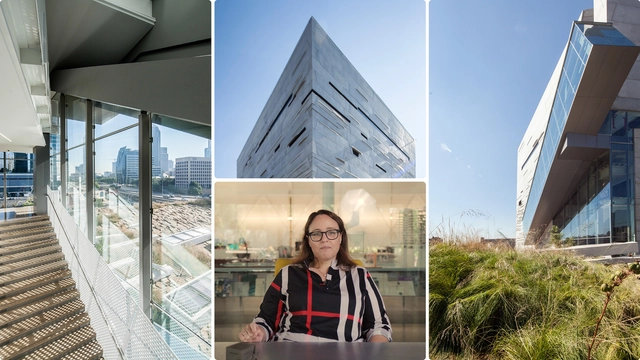
An honourable mention for OMA’s Taipei Performing Arts Centre celebrates the textural power of subtly shaded glass.
Rolling stainless steel wire mesh facade at Centre Aquatique, Vic-le-Comte, France. Image Courtesy of Haver & Boecker
From creating a new parking structure with an awe-inspiring aesthetic to retrofitting an existing building, architectural wire mesh provides versatility and durability which makes it unique from other design material options.
With every household need catered for automatically, the Internet of Things promised us an easy life. Now smart home living can automate our daily lives, but what’s it really like?
Morphosis has joined DesignClass, a growing collection of online classes featuring innovators from architecture, design, and creative leadership. Each class aims to build "curious and creative confidence" in future generations of creative professionals. Delving into design process, logic, and architecture, the new class focuses on how to translate ideas into dynamic architecture with one of the leading practices today.
Hydro Healing Center, Yerevan, Armenia, 2015. Image Courtesy of Nishan Kazanian
What follows this short introduction is my unusually personal interview with a Lebanese-American architect and artist Nishan Kazazian. His work is inspired by numerous sources that come from many directions such as Kintsugi, the Japanese art of putting broken pottery pieces back together, primary color geometric abstractions evocative of Russian Constructivism, as well as paintings by Piet Mondrian and Paul Klee. Yet, a stronger inspiration comes from his memories of home and family history. Layering and superimposition of cultures and languages were constantly present in his life since childhood and remain guiding forces to Kazazian, who is both a licensed architect and a professional artist.
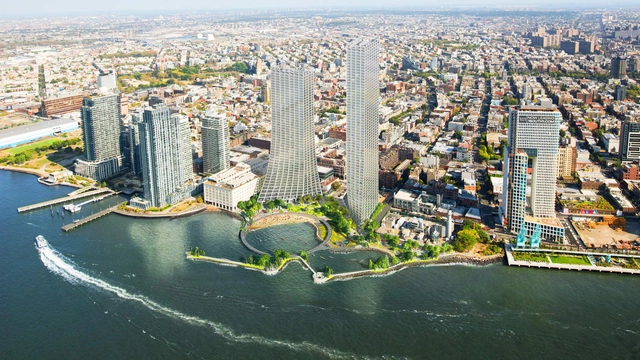
In this week's reprint from the Architect's Newspaper, author Patrick Sisson tackles the implication and participation of communities in New York in shaping their built environment, especially their waterfront. He also asks about the roles of representation and if "the city’s community boards and Uniform Land Use Review Procedure act more like gatekeepers than catalysts for equitable development?" especially that a lot of new developments are labeled as housing projects.
For Alape, perfecting the material, glazed steel – not only in visual terms but also as a haptic experience, as with the Aqua surface series – is particularly important. Image Courtesy of Alape
For 125 years, German brand Alape has been perfecting the visual as well as haptic experience of washbasins and washstands made of glazed steel.
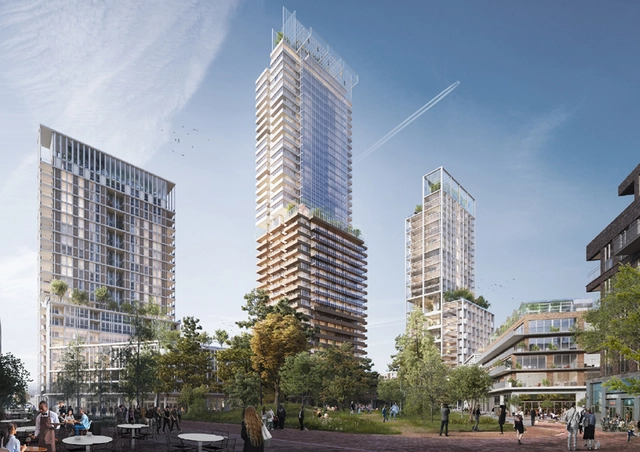
It is projected that by 2025, the world’s population will reach over 8.1 billion people- and a large majority of those people will be heavily concentrated in cities. While much of the focus has been on preparing and reconfiguring our already hyper-dense urban to absorb even more people, in the peripheral, smaller cities and towns around the globe have experienced significant expansion, and have defined themselves as “up-and-coming”. Places that were perhaps once overlooked are putting themselves on the map for their rapid growth, economic vitality, and affordability, among other characteristics.
The Second Studio (formerly The Midnight Charette) is an explicit podcast about design, architecture, and the everyday. Hosted by Architects David Lee and Marina Bourderonnet, it features different creative professionals in unscripted conversations that allow for thoughtful takes and personal discussions.
A variety of subjects are covered with honesty and humor: some episodes are interviews, while others are tips for fellow designers, reviews of buildings and other projects, or casual explorations of everyday life and design. The Second Studio is also available on iTunes, Spotify, and YouTube.
This week David and Marina discuss the differences between architecture school and architecture practice. The two cover school projects vs real buildings; design process; teamwork; architecture concepts; personal growth; clients vs employers vs teachers; the pace of architecture; academic and professional career paths; skill sets; and what the differences mean for students, recent graduates, and the profession.
https://www.archdaily.com/970706/the-second-studio-podcast-on-the-differences-between-architecture-school-and-architecture-practiceThe Second Studio Podcast
COP26, The United Nations Climate Change Conference, is scheduled to be held in Scotland soon, in the last week of October 2021. Against the backdrop of this conference is a heightened global awareness of climate change, as discussions take place on how a sustainable, more equal future can be achieved. The present and future state of architecture is a key component of this conversation, as criticism is levelled at architecture firms that “greenwash” and questions are raised on if the term “sustainability” is increasingly merely being used as today’s buzzword.
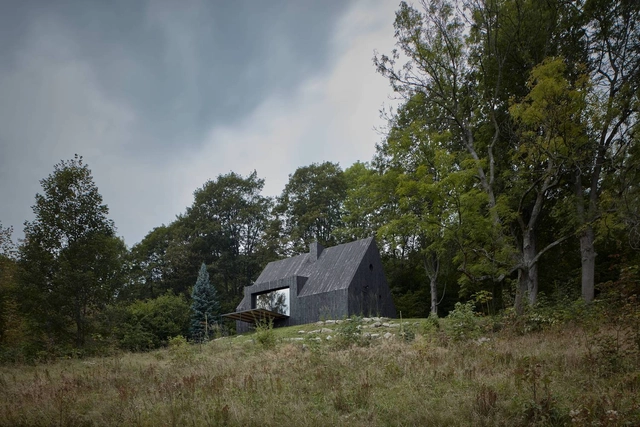
There’s been a recent popular interest in and adoption of an aesthetic born from agrarian retreats called cottagecore. It harkens back to the days of Laura Ingalls Wilder and other simpler times of settlers, pioneers, and traditional European settlements. Cottagecore includes flowers, woods, warm tones, thatched roofs, worn furniture, and other objects and motifs associated with country living. The restorative power of cottages and retreats has long been recognized, but their popularity and renewed interest coincide with the pandemic as our lives are marked by excessive time spent indoors and communicating solely through electronic mediums.








.jpg?1634086433&format=webp&width=640&height=580)
.jpg?1634086531 "© Edgard Torres")
.jpg?1634086419 "© Edgard Torres")
.jpg?1634086290 "© Gustavo Burgos")
.jpg?1634086433)