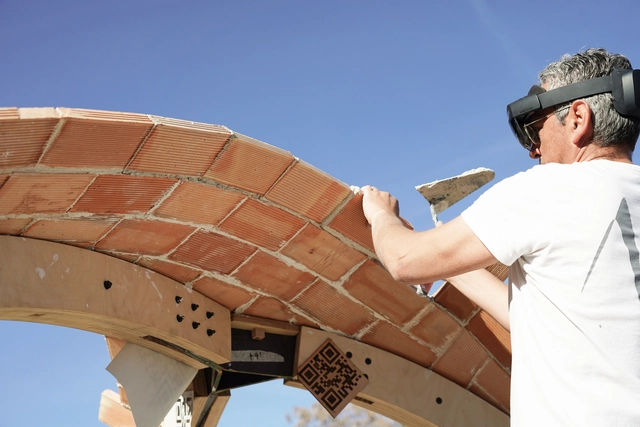
Realidade aumentada usada no canteiro de obras. Image Cortesia de IE School of Architecture & Design
Although the architecture and construction industry has advanced in recent years into new areas such as artificial intelligence (AI), parametric modeling, virtual reality (VR), and other cutting-edge tools, their integration and systematization within the design process remains slow. In an increasingly connected and constantly evolving world, digital tools and emerging technologies are revolutionizing how architects design and build, rewriting the rules and expanding creative horizons. Therefore, it is essential to continue discussing how these tools are being integrated and how their potential can be further unlocked within the discipline.
This July, ArchDaily is exploring the topic of the design process. Within this framework, we want to open up the discussion to hear about your experiences, learn from your successes, challenges, and mistakes—and explore together how these new tools are transforming the practice of architecture.
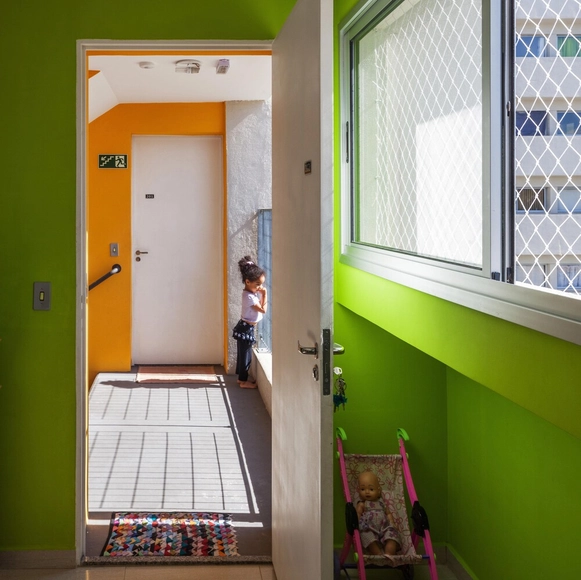
A close look at the building facades in many Brazilian cities, such as São Paulo, Belo Horizonte, and Rio de Janeiro, reveals that the use of aluminum frames is highly common and popular in Brazil. Adopted across a wide range of building typologies, including residential and commercial projects, and in various formats such as doors, windows, and railings, these versatile structures are widely used in construction, representing about 80% of the total volume of aluminum consumed by the sector in the country. But why, after all, have aluminum frames become so widely used in Brazilian cities?
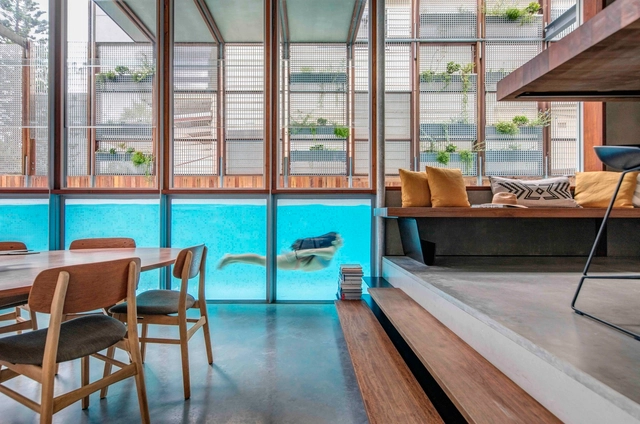
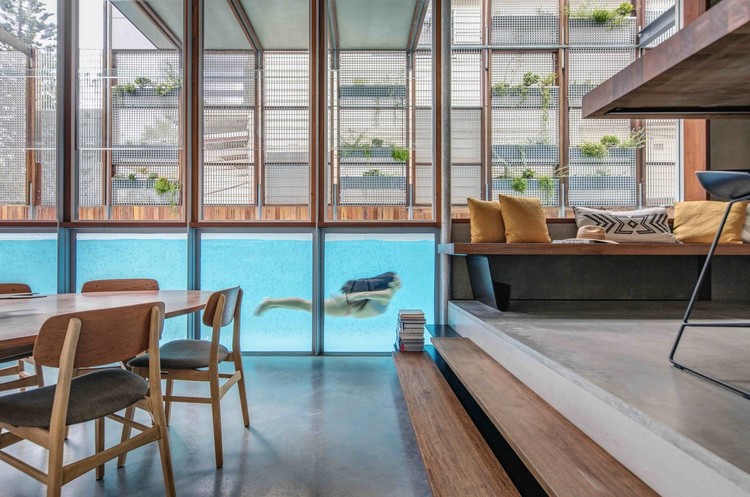
Within architecture, water evokes sentiments of calmness and wellbeing. The element has influenced design through its dynamic and fluid nature. With recent technological advances, architects have created some of the most strategic, innovative, and unexpected intersections of design and H2O.
Below, we have provided a roundup of indoor pools that highlight the application of water in different spaces, showing its relationship to materiality and use.
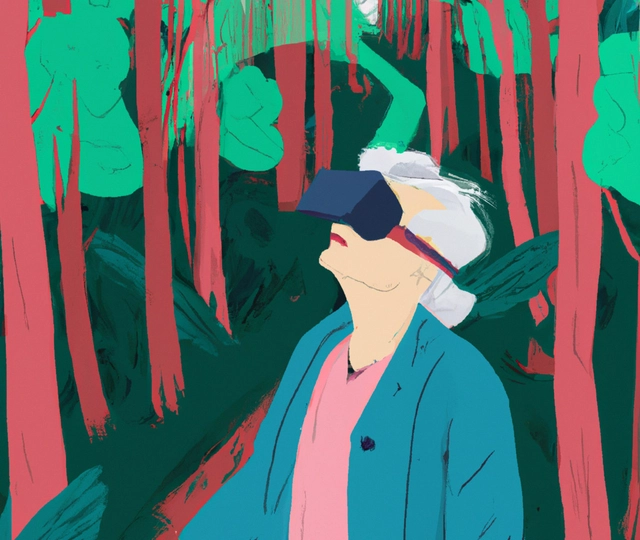
Virtual reality, alongside the metaverse, is playing an increasingly important role in helping both people living with dementia and their caregivers and families cope with the symptoms of this neurodegenerative condition.
There are currently 50 million people living with dementia worldwide. This number is expected to double in the next 10 years and more than triple by 2050. Consequently, the global cost of dementia is projected to reach $2 trillion by 2030.
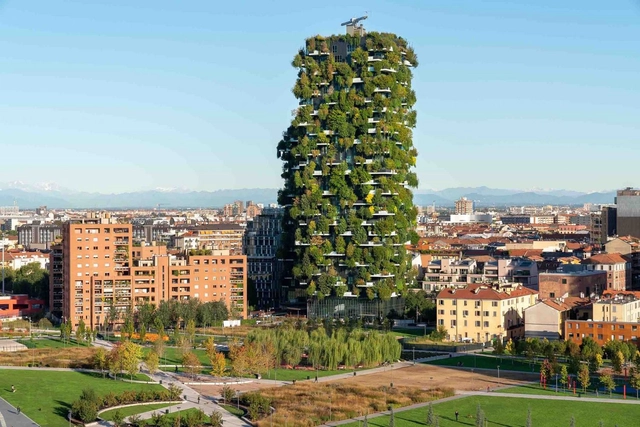
Milan’s urban fabric has long been defined by change. In a city known for its historic monuments, from the Piazza Duomo and Milan Cathedral to works like Velasca Tower, contemporary architecture must balance many existing contexts. Emerging as a global center for design and culture, Milan has become home to new buildings and structures addressing this condition as iconic landmarks and expressive forms. Actively building upon its legacy, Milan has turned its attention to the sky.
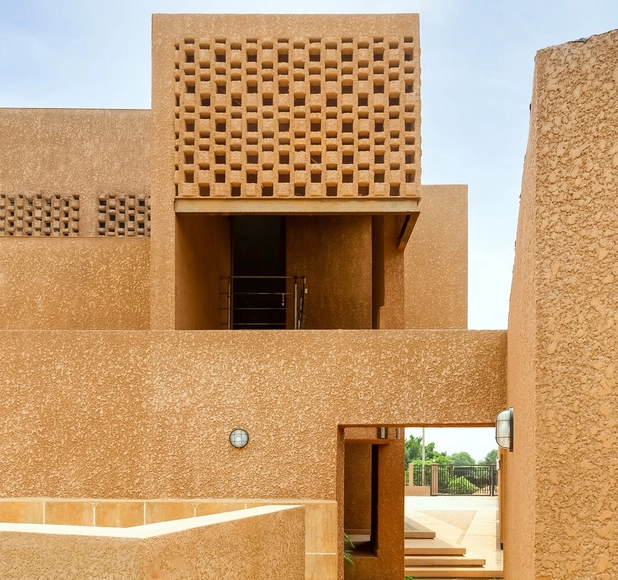
In Lagos, a city with a complex urban fabric that includes historical buildings and vast interpretations of contemporary architecture, lies PatrickWaheed Design Consulting (PWDC). This design practice, Co-led by Adeyemo Shokunbi, aims to contribute to a Nigerian architectural language through the renaissance of local materials. Through explorations anchored in local laterite, they have developed the material as a modern finishing technique, investigated its potential as a natural dye, discovered new ways to employ its thermal properties, and now build the research prospect of other local materials. I had the opportunity to speak with Architect Shokunbi, who discussed the initial inspirations and investigations during the construction of two building projects (Mad House & Abijo Mosque) in Lagos. These projects brought the Laterite finishing technique to life and now help build the case for a Nigerian architectural language.
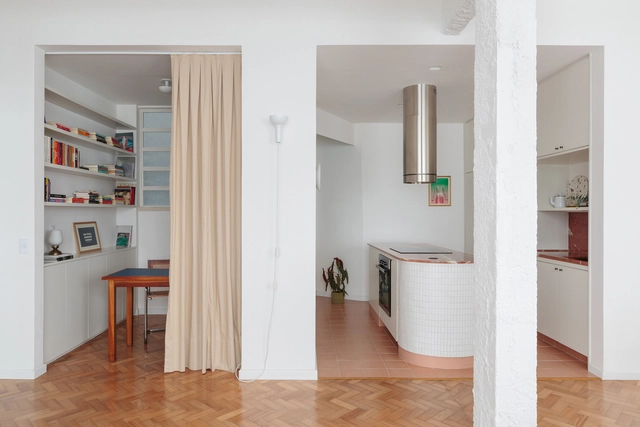
Nowadays, homes are built in increasingly smaller spaces in densely populated cities. The kitchens, which today serve not only to prepare meals but also as meeting spaces where we receive guests, are the places that have undergone the most transformations in recent decades. Whether by integrating with other living areas or by the super functional design of a single counter, there is an increasing search for innovation in this fundamental part of a home.
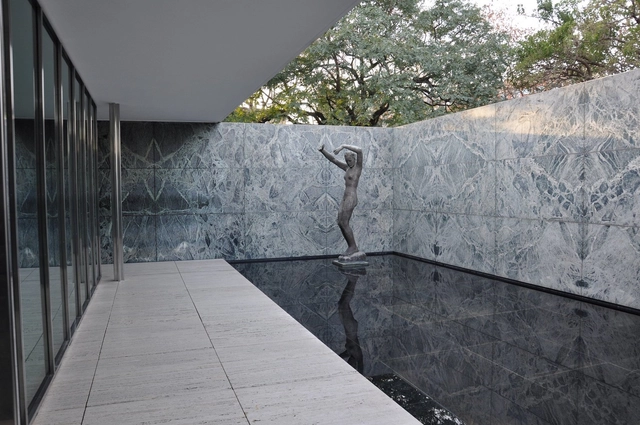
Barcelona Pavilion. @ Flickr Renato Saboya. Used under Creative Commons
The idea of integration between art and architecture dates back to the very origin of the discipline, however, it took on a new meaning and social purpose during the Avant-Garde movement of the early twentieth century, becoming one of the most defining characteristics of Modernism. This close relationship is evident in the works of some of the greatest modern architects, such as Mies van der Rohe, Le Corbusier, and Oscar Niemeyer, to name a few.
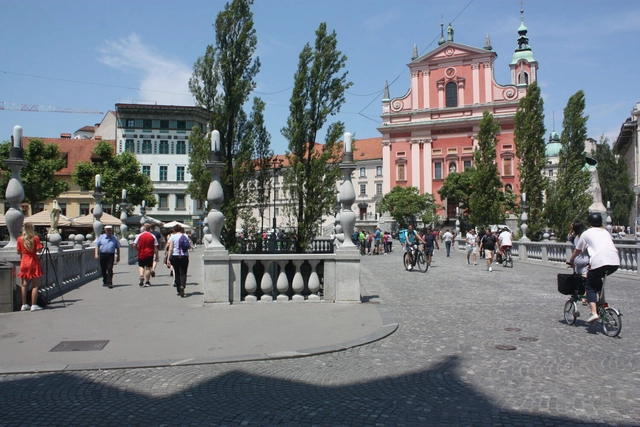
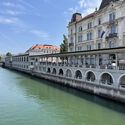
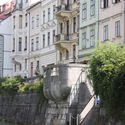
Recently I traveled to Ljubljana, Slovenia, in search of the religious architecture of the celebrated (but largely unknown in the U.S.) Slovenian architect Jože Plečnik (1872–1957). I write a lot about the architecture of spirituality, and I was curious about Plečnik’s churches and chapels—what the architect’s idiosyncratic form of classicism said about faith in a Modern age. What I didn’t expect to find was the universal nature of Plečnik’s work as an urbanist: a re-maker of the Slovenian capital that holds lessons for us today.
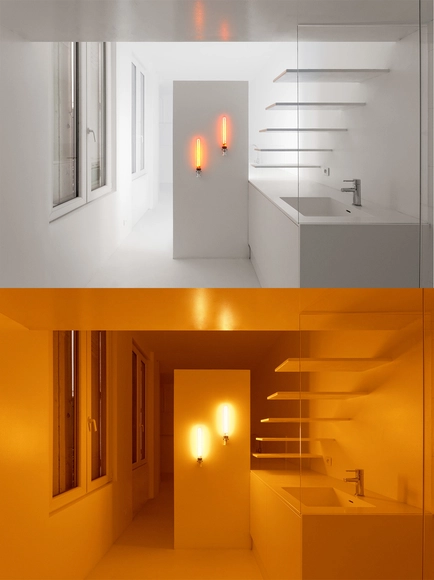
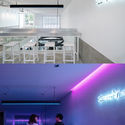
Light is a key feature in architecture. Centuries ago, the sun and fire were the only sources of illumination, but in today's technology-driven world, artificial lighting and cutting-edge optical technologies have found ways to mimic the qualities of natural light, making it possible to have a naturally-lit-looking space within four walls. LED technologies have even made it possible to embed lighting in furniture, interior surfaces, and facades, altering their intensities and hues to make light a main feature in the architecture's storytelling.
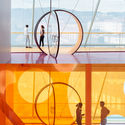
If used effectively, lighting can become a lot more than just an illuminator; it becomes a mood setter, a symbol of a specific emotion the architect is trying to convey. For instance, indirect lighting becomes a floater, levitating the walls from the ground and making the space seem lighter in weight, whereas orange light manipulates the space's temperature, creating the illusion that the users are walking into an intense, overheated room.
The geological period we currently inhabit is known as the Anthropocene, defined by the substantial human impact on Earth's ecosystems and geology. In contrast, the Symbiocene, a term coined by Australian philosopher and environmentalist Glenn Albrecht, presents a vision of the future characterized by a positive and symbiotic relationship between humans and the natural world. In the Symbiocene era, humans actively collaborate with nature, acknowledging their interdependence with Earth's ecosystems and striving to regenerate and restore the natural environment, thus creating a more harmonious and sustainable world.
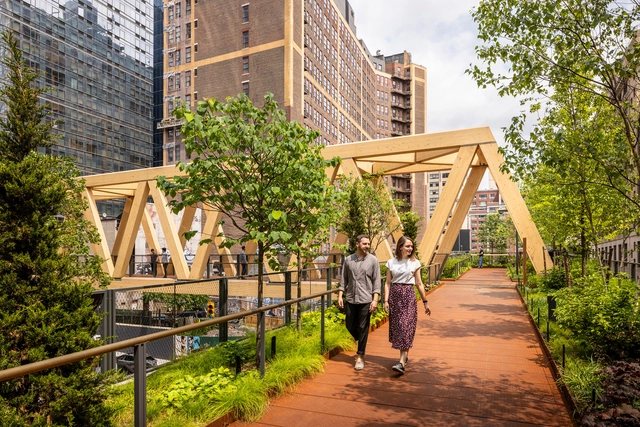
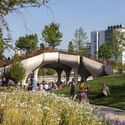
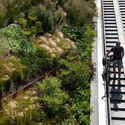
In midtown Manhattan, the street crossings surrounding the entrance to the Lincoln Tunnel were once some of the most challenging in the city. A mess of highway ramps, missing sidewalks, and concrete barriers made the corner of Dyer Avenue and 30th Street an area to avoid.
Now with a new $50 million elevated connector, pedestrians can safely move 30 feet above the intersections using a 600-foot-long L-shaped bridge from the High Line to Moynihan Train Hall.
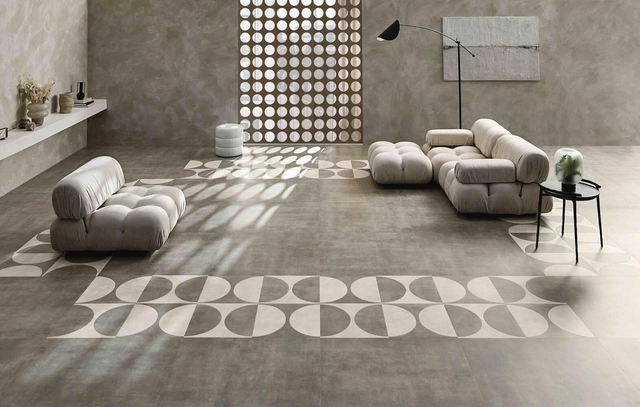
Round thing: With the Arc and Lune laying patterns, Amtico is one of the first manufacturers to add bold curves and moving circular geometries to their main collection. Image Courtesy of Amtico
It accompanies us through the day, gives us support, shows us the way and touches our senses. This may sound like the description of your perfect partner, but in this case, we are talking about the ground beneath our feet. Day after day, year after year, we come into daily contact with it, though it generally melts into the background, is taken for granted and overlooked. So it's time to give it some deserved attention. There is, after all, far more beneath its surface than meets the eye.
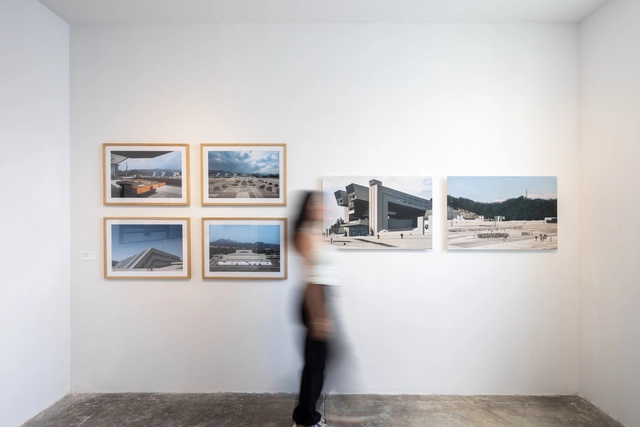
As part of the cultural programming of LIGA, Espacio para arquitectura in Mexico City, the exhibition "Architecture for Gods" ("Arquitectura para dioses") opened in late June. It offers a contemporary record of the Heroico Colegio Militar building, designed by Agustín Hernández Navarro and Manuel González Rul in 1976—an iconic work of Mexican architecture of its era.
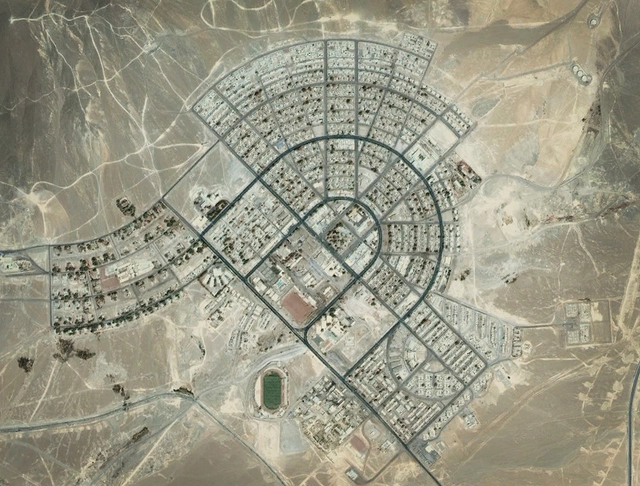
El Salvador was founded by the Andes Mining Copper Company in1959, [1] in the southern area of the Despoblado de Atacama. It originated as a new copper company town[2] designed to fulfill residential and labor functions related to copper mining, based on a project by American architect Raymond Olson of Anaconda-Jurden Associates, Inc. It operates the underground Inca mine, as well as the Campamento Antiguo and Damiana Norte open-pit mines. It complements the smelter located in the company town of Potrerillos, 72 km away. El Salvador was first "Chileanized," later "nationalized," [3] and finally integrated into the Chilean state company CODELCO during the 1980s.
https://www.archdaily.com/1136332/the-origin-of-cities-el-salvador-chileEugenio Garcés Feliú, Juan Barría, Rodrigo Ledezma, Lorena Estai
Rock salt is a chemical sedimentary rock that forms through the evaporation of water, as minerals dissolve and settle down. When excavated directly from the earth, it maintains a cube-shaped crystalline form. With its diverse textures, compositions and structures, this natural element has captivated human interest for centuries. Depending on the region and environmental conditions, salt rock has been found in diverse applications in architecture, such as a construction material that uses blocks of salt to build structures, bricks, or tiles. Often translucent, these bricks allow diffused light to enter interior spaces, creating a unique atmosphere and aesthetic appeal.
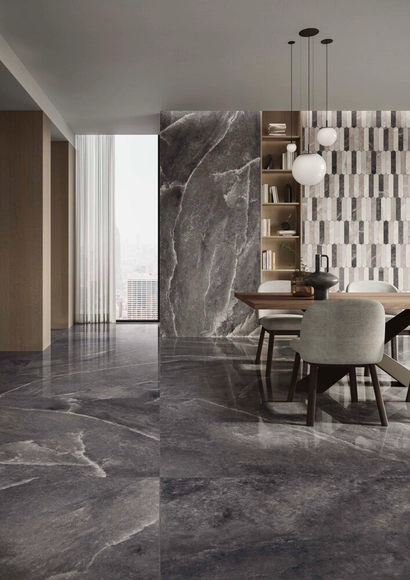
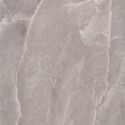
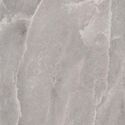
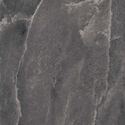
Giving this ancient material a modern twist, Casalgrande Padana uses rock salt as the inspiration for its new Supreme porcelain stoneware tile collection. By replicating the colors, texture and brightness of natural sedimentary rock, this collection can be seen as a fascinating journey to discover the unique features of the center of the Earth.
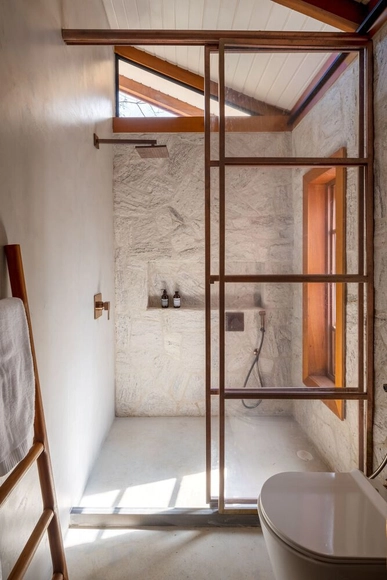
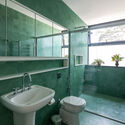
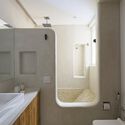
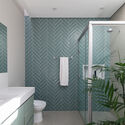
Designing a bathroom requires careful attention to detail to remain beautiful and organized. The amount of hygiene and health products typically stored in this environment requires functional cabinets and other strategies. Increasingly, we see the solution of using niches to create a recess in the wall. This allows optimizing the available space and, as a bonus, makes the environment more aesthetically pleasing. That's why we bring you some examples of bathroom niches and tips for their installation. In addition, we bring you other examples beyond traditional soap dishes.
Landscape architecture is having a moment. The latest proof: last week, the US Department of Homeland Security decided to accredit the field with its prestigious STEM designation. As part of the science, technology, engineering, and mathematics (STEM) educational disciplines that fall under this category, landscape architecture students can now spend an additional 24 months seeking employment and training post-graduation in the United States after an initial period of a year granted to all graduates. The title also promises more prestige, higher entry salaries, and additional career flexibility. Torey Carter-Conneen, CEO of the American Society of Landscape Architects (ASLA), calls the development a significant advancement for 'landscape architecture education and practice, and that is great for America and the global community.'
The news corresponds to a growing emphasis on landscape architecture as a pivotal practice around the globe in recent years – one that is closely connected to notions of public health, environmental design, biophilia, sustainability, and re-wilding. It also underlines the intimate relationship between technology and the discipline. Landscape proposals increasingly rely on advanced science and technology to predict how ecological interventions might alter an existing terrain and determine what measures will yield the highest benefit for both humans and nature. The contemporary ideal of wild meadows and biodiverse forests may exist free from external influence, but the path to get there requires assistance.