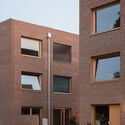
In the architectural world, unestablished practices are often overlooked, yet, by challenging the traditional dogmas of the industry, they can have a significant impact on the built environment. The Young European Architecture Festival (YEAH!) explores the work of these upcoming architectural offices, looking at how they share ideas visions and experiences at the European level. The event is divided in two sections: Habitats, exploring ideas of domesticity and the residential typology, and Hybrids, initiatives that are rethinking the traditional systems of city planning.
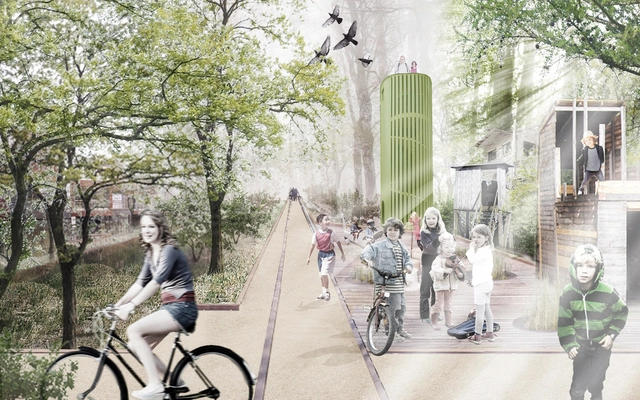
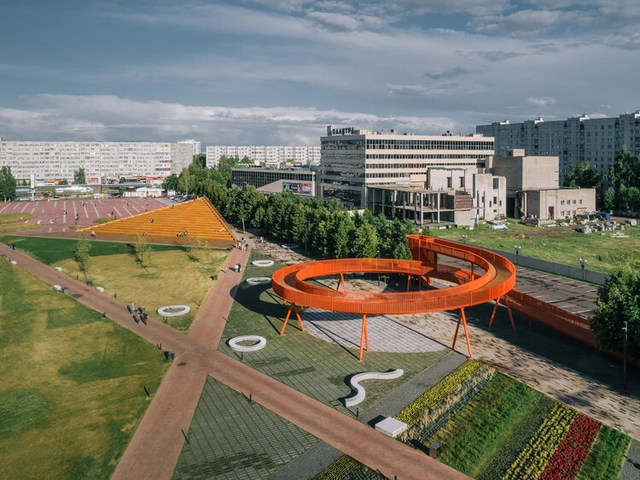
The following represents a selection of projects by emerging architectural practices selected by YEAH! For the Hybrids category. Many of these initiatives are challenging the ideas of public space, but in doing so, they are also shedding light on the larger social structures at play in these spaces. The selection includes community spaces, schools, transportation hubs, and even projects initiated by the architects themselves, who have noticed deficiencies in their environment and are working to not only correct them but to enhance their presence and empower the local community through them.
During the first half of the 2nd century AD, one of the most important buildings in the history of Western architecture was erected in Rome: the Pantheon. Its main and most impressive feature is its coffered concrete dome, which ends in a perfectly round central opening. This oculus kicked off a series of later projects that noted the value of circular openings, which were replicated as glazed skylights and as compositional elements on facades. This eventually evolved, for example, into the detailed and colorful rose windows of the Gothic basilicas. In all its configurations, the oculus (meaning "eye" in Latin) holds symbolism that goes beyond that of a traditional window: its luminous projection gracefully marks the passage of time, solemnly highlighting an architectural space.
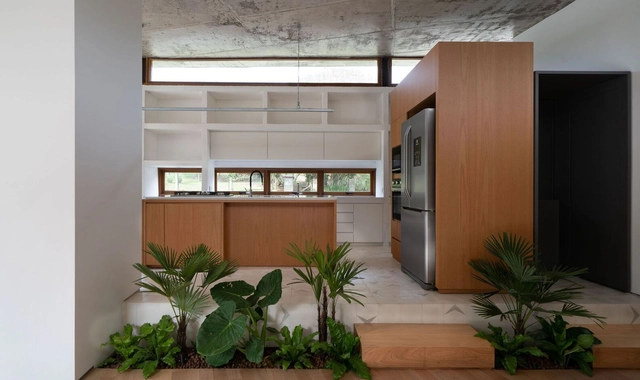
The idea of "Biophilia" was defined as "love of life" in ancient Greece. Although the term may seem relatively new, coming across as a trend in the fields of architecture and interior design, the concept of biophilia was introduced by psychologist Erich Fromm for the first time in 1964 and then popularized in the 1980s by biologist Edward O. Wilson, who studied the lack of connection with nature caused by urban life.
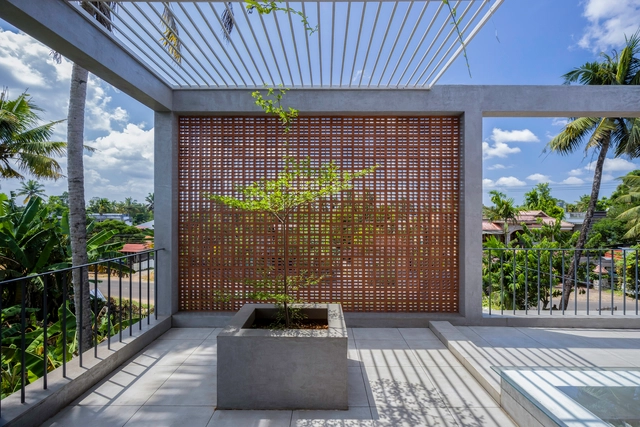
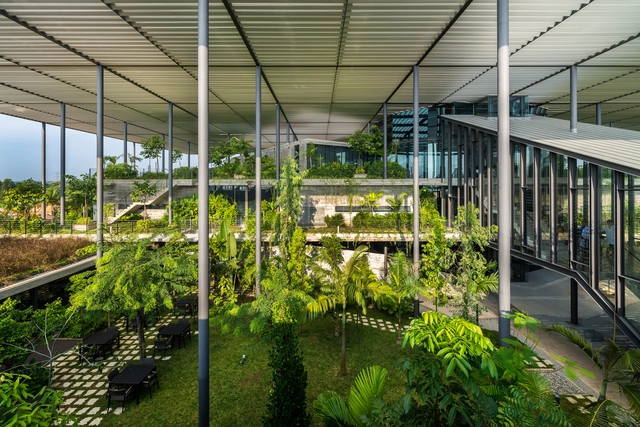
The guiding principle is quite simple: connect people with nature to improve their well-being and quality of life. How could architecture do that? By seeking alternatives to integrate nature – either through natural elements or techniques – into its designs.
Last November, the annual climate conference COP 27 came to a close in Sharm el-Sheikh with a tentative agreement, reached at the last moment, to set up a “loss and damage” climate fund for Africa and other developing countries. For Africans, this was cause for muted celebration, because for generations the continent has built its climate change agenda almost exclusively around the pursuit of climate justice, a desire to enforce liability on the industrialized nations responsible for the bulk of global carbon emissions. All of this has unfolded, in a sort of willful blindness, while a majority of Africans struggled with the most prosaic challenges: inefficient urban sanitation; poor stormwater management; a paucity of water, sanitation, and hygiene facilities; willful and unabated deforestation; and environmental degradation.
https://www.archdaily.com/996301/its-time-for-africa-to-chart-its-own-climate-change-agendaMathias Agbo, Jr.
The world's oldest stained glass window (which is still standing) is conventionally believed to be in Augsburg Cathedral in the German state of Bavaria. Depicting the prophets David, Jonah, Daniel, Moses and Hosea, it is estimated to be nearly 1,000 years old, having undergone significant bombing during World War II. Long before that, however, mankind had been working with glass, and while today we have thin frames with crystalline sheets and a variety of properties, we had to come a long way to get here. In this article we will tell you a little about the evolution of glass windows and the technologies and possibilities that we have today.
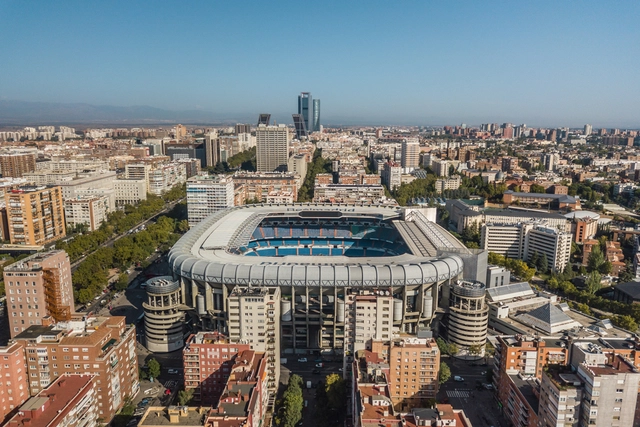
The 2022 FIFA World Cup was unique as the first FIFA tournament held in the Middle East. In another first, the FIFA World Cup, historically held between June and July, was moved to November and December, in view of Qatar’s 40˚C+ climate during the summer months. Even during the cooler months, Qatar’s average temperature reaches 26˚C. Combining this with the heat emitted by tightly packed spectators would at times have made the experience uncomfortable. As a result, Qatar air-conditioned eight of the nine open-air football stadiums – a significant challenge which was overcome through innovative design, technology and architecture and by utilizing spot cooling; and a complex undertaking when it is also important to maintain sustainability credentials.
To effectively cool the stadiums, the most crucial challenge was to prevent or at least reduce the hot air from outside coming into the stadium, which was achieved through the stadiums’ design and architecture.
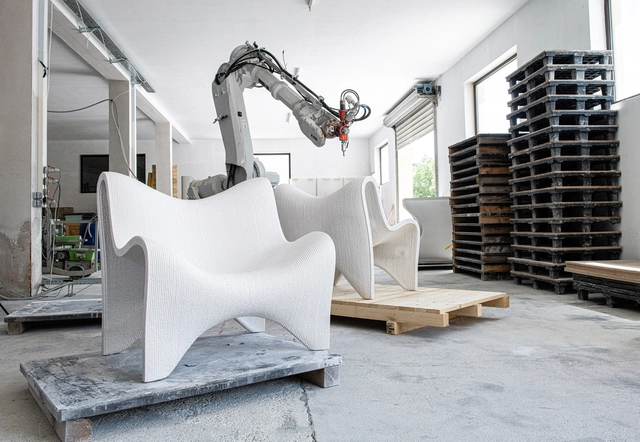
Can you imagine being able to prototype a piece of furniture at the touch of a button and testing it in just a few hours? This might become a common practice sooner than we may think. Fueled by material innovation, automation and cutting-edge technology, a new era in home decor is emerging; one where 3D printing opens up a world of creative possibilities that transcend the bounds of traditional design. Yes, furniture is still mass-produced using conventional methods –molding, cutting, bending–, but 3D printing continues to disrupt the industry. As the revolutionary technology evolves and becomes more accessible, it has unleashed an unparalleled level of creative expression and efficiency. The concept is simple: a digital design is created using 3D modeling software and then printed, layer by layer, in the form of a physical object, bringing complex geometries to life. It’s a whole new kind of digital craftsmanship.
The backyards, outdoor areas usually located at the back of the lot, are spaces dedicated to rest, entertainment and family interaction. Its setting is essential to guarantee the warmth and comfort we seek in our homes. At the same time, as they are areas exposed to rain, sun and, sometimes, snow, they also need to have resistant, durable and easy-to-maintain materials.
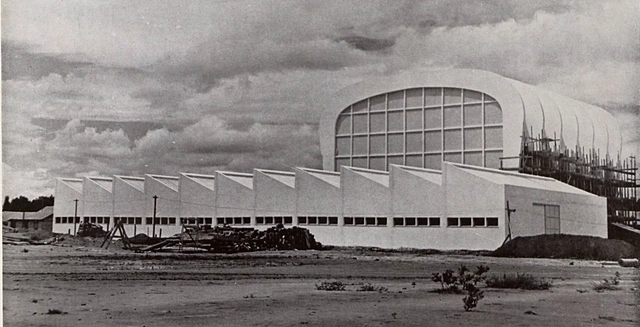
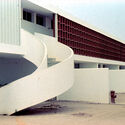
ITA Laboratories. Source: Brasil Constroi. Digitized by the Hemeroteca of the National Library (BN)
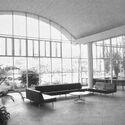
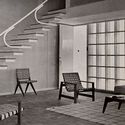
Although little known, the Aeronautics Technical Center (CTA, current Department of Aerospace Science and Technology - DCTA) in São José dos Campos can be considered one of the largest and most relevant works by architect Oscar Niemeyer before Brasilia. It is his first project executed in São Paulo.
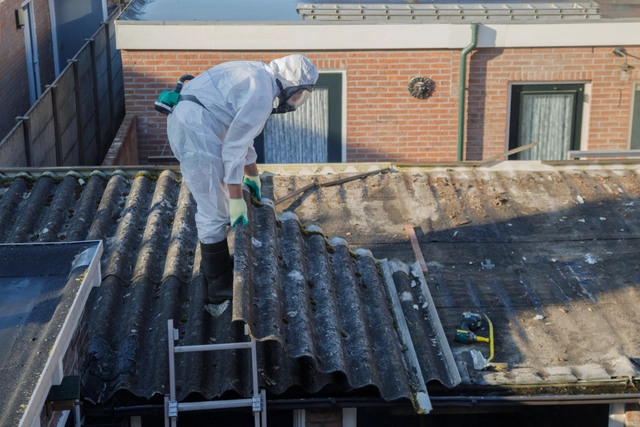
Dozens of countries around the world have already banned the use of asbestos in the civil construction sector. Cheap to extract and abundant in nature, it is a natural fiber used to manufacture water tanks, insulation, partitions, tiles and decorative elements. Its properties include great flexibility and high chemical, thermal and electrical resistance, making it a seemingly ideal material. However, there is scientific evidence that links exposure to asbestos to several types of cancer, as well as to asbestosis - when the fibers of the mineral lodge in the pulmonary alveoli, compromising the respiratory capacity. The asbestos case shows how certain construction materials can –suddenly or not– become a distant memory because of their negative impacts. In addition to the effects on health, the use of materials with high energy consumption or made of rare raw materials is currently under pressure, as experts call to reduce their use or to make their manufacturing methods "greener". The penalty? Disappearing in the near future, becoming yet another in the list of banned building materials. In this article, we delve into some of these materials and what their risks are.
The emotional and spiritual atmosphere one feels when entering centuries-old architecture is palpable. So while the degradation, and sometimes even intentional destruction, of ancient structures and environments, is regretful and possibly shameful, it’s often an all-too-unavoidable part of healthy urban planning, adhering to important health and safety laws and regulations.
Whenever these historic yet antiquated environments are refreshed and adapted for modern life, however, they’re often labeled as grotesque Frankensteinian versions of their once beautiful selves. When the transformation is treated with care and respect, however, the humble grandeur and contemplative scale of the settings can remain intact.
Suburbs have experienced a sort of renaissance over the last decade. During the COVID-19 pandemic, people fled urban cores in favor of open space and decentralized amenities. For some people, the word “suburb” or “suburbia” flashes images of manicured lawns and rows of identical homes, but what makes a successful suburb may have more in common with cities than you might think.
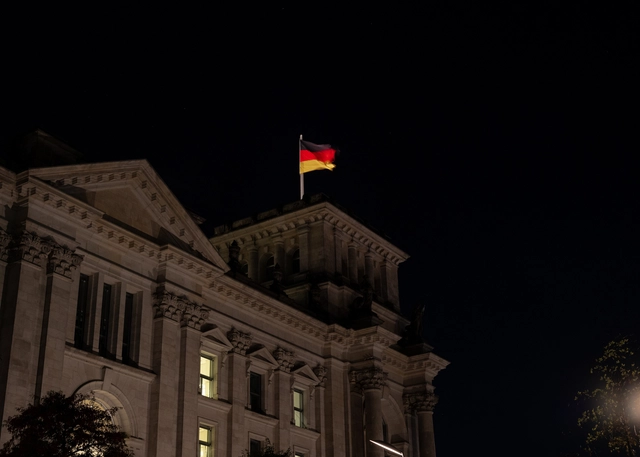
When capital cities like Paris and Berlin resolved to switch off lighting for public buildings and landmarks in July 2022 in order to save energy in the context of the Russian invasion of Ukraine, the cities created a ripple effect throughout central Europe. Images of dark iconic landmarks swept through the media and allowed politicians a momentary act of environmental demonstration. However, designers have started to question the sustainability of this ad hoc step. Seen from a broader perspective the impression arises that this alleged radical action has been part of a rather media-savvy campaign with small effect in cities at night. Further steps are necessary to reassess urban lighting that may have a major impact on energy saving and sustainability.
Through shapes, colors, and the elements on their facades, many architects have sought to bring a sense of movement to works that are otherwise physically static. Santiago Calatrava, Jean Nouvel, and Frank Gehry are only a few of the masters who managed to provide a dynamic effect to motionless structures, highlighting the work in context using formal strategies borrowed from the plastic arts. In other cases, however, architects have also opted for physically kinetic structures that could bring a unique aesthetic or functional dimension to the work.
For much of the world, this past year was spent within the confines of our homes, undoubtedly blurring the lines between our public, professional, and private lives and transforming our living spaces into places of work and productivity. This transformation of spaces and how they are used is nothing new in the world of architecture as countless spaces take on various roles beyond what they were originally designed for--a fact reflected in their layout, design, and the materials used within them.
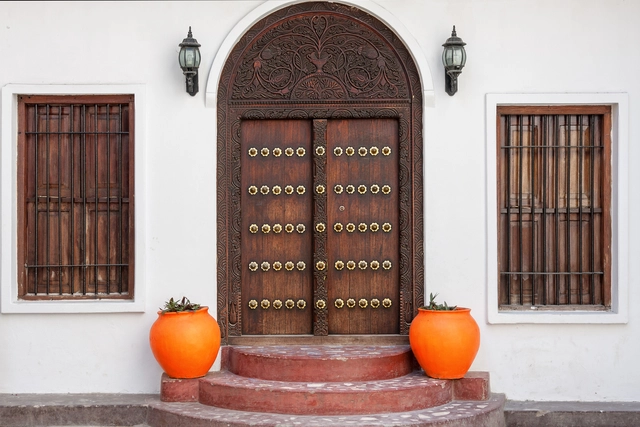
A defining feature of the architecture of the Swahili Coast—apart from its coral stone buildings and mangrove poles used to elaborate those structures—is undoubtedly the ornamented door so commonly found across this coastal area. Richly decorated, and historically often layered with meaning, these doors, apart from serving the more utilitarian function of an entrance, were also signifiers of status and wealth. From this Swahili Coast to the Arabian Peninsula, these doors of the coast are very much markers of their location, representative of trade and migration.
Women's studies officially began in China in the early 1980s. Women awoke and started to take bigger roles in society as it grew. Women had been working as architects for a century, but Lin Huiyin was not recognized as the country's first female architect until the 1920s due to the profession's tardy development in China. But nowadays, more and more female architects are filling crucial positions.
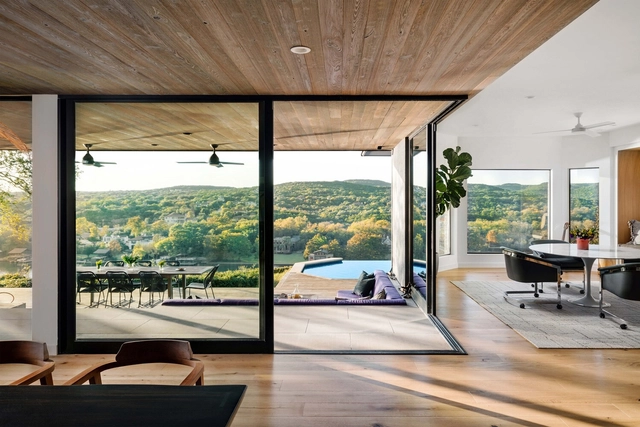
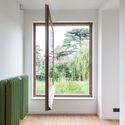
An indispensable item, windows are fundamental to bringing more comfort to a room. Besides the desired connection between the interior and exterior, it is through their openings that it is possible to provide natural lighting and ventilation to the rooms.





.jpg?1611324153 "Memorial Cemetery Parque das Cerejeiras / Crisa Santos Arquitectos. Photo © Isis de Oliveira")