Brick beams have been widely used in construction due to their strength, durability, and aesthetic appeal. By embedding steel reinforcing bars into a series of bricks arranged in a specific pattern, these elements form horizontal load-bearing structures that distribute the weight and forces that act on a building. However, it is difficult to find brick beams with excessively large spans, in order to avoid long-term structural problems. Instead, they mostly come in the form of simple lintels, which can be easier to handle.
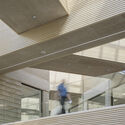
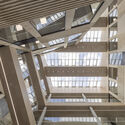
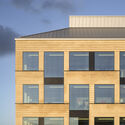
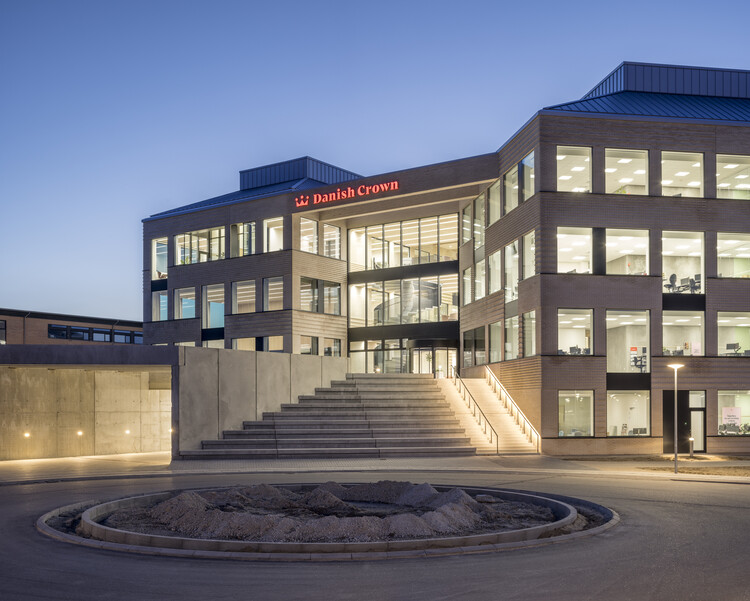
With a length of 16.2 meters and an impressive clear span of 15.8 meters, CEBRA architects have collaborated with the Randers Tegl group, the largest brick supplier in Scandinavia, to complete the construction of probably the longest brick beam to date. This exterior beam is accompanied by a 13-meter-span interior "sister" beam and is located above the main entrance to the Danish Crown's new headquarters in Randers, Denmark, extending freely between two of the building's wings. The longest beam is made up of almost 4,200 bricks – its height is made up of 25 rows of bricks, equivalent to 1.6 meters, and its edge consists of 4 bricks.
Mirante do Gavião Amazon Lodge / Atelier O'Reilly. Photo: Jean Dallazem
The architecture of indigenous peoples is deeply rooted in their surroundings, in the sense that materials are locally sourced and empirically tested, to discover the construction techniques and dwellings that best respond to the values of the community and their understanding of housing. The situation in the Amazon is no different. Many different groups of people have settled on the land and water, developing many unique building skills that attract a lot of architects working in these regions. As a result, there is an exchange of knowledge, combining native cultures and novel architecture.
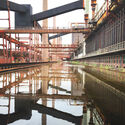
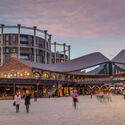
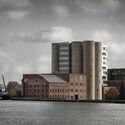
“New ideas must use old buildings,” said Jane Jacobs in her seminal book The Death and Life of Great American Cities, championing the reuse of existing building stock as a means to catalyze positive change and foster diverse urban environments. Inserting new activities within an existing framework is increasingly becoming a defining aspect of contemporary architecture, as the need for sustainable alternatives to building anew turns more urgent. From an urban perspective, adaptive reuse is a valuable strategy for revitalizing post-industrial cities, creating density and mitigating urban sprawl, or helping shrinking cities redefine their urban fabric.
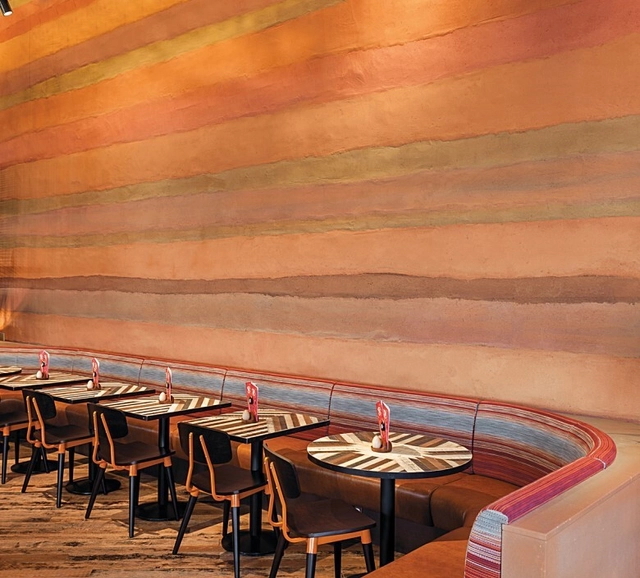
Rammed earth is one of the oldest methods of constructing walls and still holds great potential for modern earth construction. One aspect of this potential is the gift of its colors and layers, which become visible as the formworks are removed, revealing a layered character. As a process that involves the layer-by-layer compression of gravel, sand, silt, and clay, its resulting appearance is a horizontal stratification of earth tones, material content, and curing procedures. This colorful appearance of rammed earth walls can be controlled and explored through patterns, texture, pigmentation, and natural clay colors, offering an opportunity to push its boundaries within architecture.
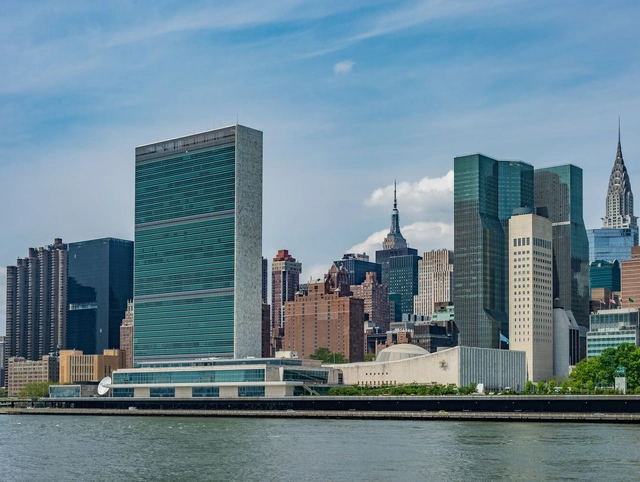
UN Headquarters in New York. Photo by the blowup, via Unsplash
In 1945, the declaration of the end of World War II brought a wave of euphoria to the streets, and optimism permeated the atmosphere with the promise of brighter days. Inspired by this newfound hope, the United Nations Organization (UN) was established in the same year. The vibrant city of New York was chosen as the headquarters location, and an international team of carefully selected and invited architects was tasked with conceiving the project.
For this ambitious and truly international project, eleven renowned architects were brought together from various corners of the world. These architects, often known for their inflated egos, a common trait in their profession, were accustomed to exercising full control over their architectural designs and even their respective countries. They had to coexist in the same space and collaborate on a single project. The successful collaboration on this project would be a compelling demonstration of the possibility of achieving world peace.
It has been a bull market for downbeat urban reporting since the pandemic arrived in town. And it isn’t hard to see why. In 2020, central U.S. cities went from “comeback” success stories to ghost towns; transit lost nearly all ridership; tens of thousands of stores and restaurants shuttered; and many of the affluent decamped to the suburbs and distant Zoom towns.
For an industry that contributes 6 per cent to the global GDP, the fainting voice of the Architecture, Engineering and Construction (AEC) industry is something to ponder. The global AEC market was reported at USD 8.9 billion in 2022 and is anticipated to reach USD 16.5 billion by 2030. However, pessimism is rampant across the industry. Professionals oblivious of their options and the industry's trajectory are in a vicious cycle where the lack of access to awareness and opportunities limits their growth. While statistics forecast an optimistic prophecy, there’s a flip side to it.
Home is not just a physical structure defined by its materials and spatial characteristics. It is the result of everyday habits, routines, and fond memories blending into the very essence of the place through its walls, textures, and aromas. This is why a true home cannot be instantly created; it demands time, and a sense of continuity, as it reflects the ongoing adaptation of both the family and the individual within that space.
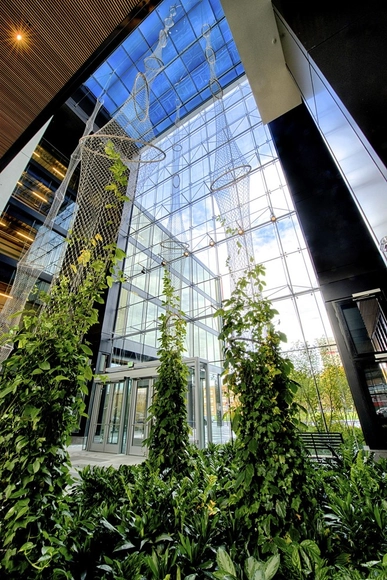
With the high population density of cities and voracious appetite of the market for every square meter, it is not uncommon for urban vegetation to be forgotten. For this reason, forests, vegetable gardens, and vertical gardens have aroused much interest and figured into a variety of different innovative proposals. Using the vertical plane to maintain plants in an urban setting is a coherent and common-sense solution, especially when there is little possibility of bringing green to the level of the people on the streets.
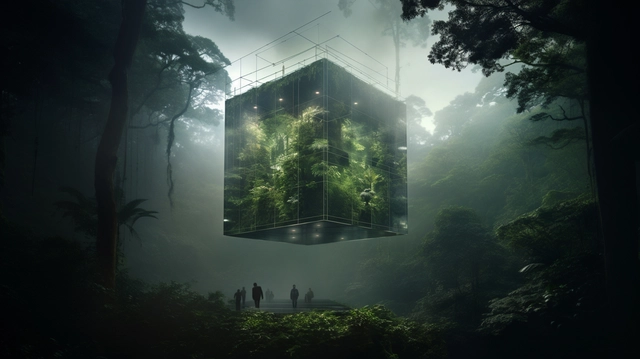
museum of a rainforest. Image Courtesy of Ralph Appelbaum Associates
This article is the sixth in a series focusing on the Architecture of the Metaverse. ArchDaily has collaborated with John Marx, AIA, the founding design principal and Chief Artistic Officer of Form4 Architecture, to bring you monthly articles that seek to define the Metaverse, convey the potential of this new realm as well as understand its constraints.
Artificial Intelligence is at the genesis of creating fundamental changes in the way we design and construct buildings and cities. Some of these changes will be abrupt and disruptive to normative practice. Others will take more time to feel the effect of this new technology, but the change will be pervasive. When combined with the Metaverse, AI will also offer vast opportunities for the profession to expand and grow. The kinds of spaces and environments we design in the Metaverse will be, in some aspects, very different from what we currently design in the physical world alone. AI evolves every day, and we are compelled to learn while we innovate. AI has proven it is a powerful tool to assist designers and offers the potential to challenge us to alter our design process. Combining AI with narrative design is one of those challenges.
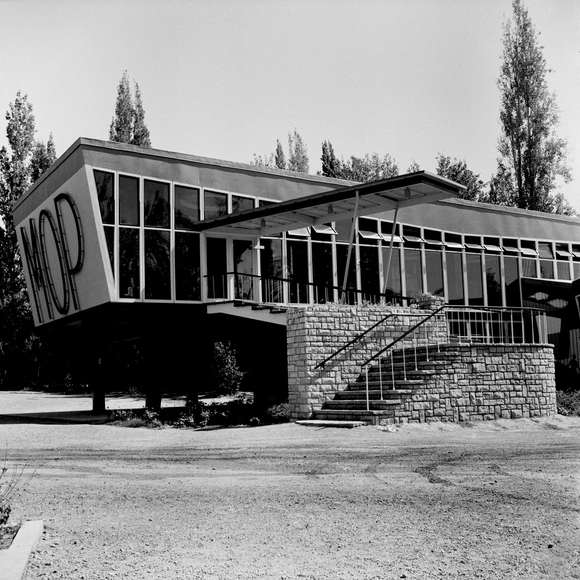
The city of Mendoza, Argentina, hosted the international event known as the "Feria de América," an industrial and continental exhibition that took place from January to April 1954. To provide a suitable setting for the exhibition, 30 hectares of land were allocated around the perimeter of Lake Parque General San Martín. Here, 93 pavilions and nearly 20 facilities were set up, including the Allegorical Tower, an open-air theater, and bars. The American countries represented with their own pavilions were Brazil, Chile, Ecuador, and Paraguay. There was also a large pavilion that housed various Latin American countries such as Colombia, Cuba, Bolivia, El Salvador, Honduras, and Mexico, along with stands for Chilean and local Mendoza-based companies and provincial pavilions for Mendoza, San Juan, Misiones, La Rioja, Eva Perón (now La Pampa), Juan Domingo Perón (now Chaco), Córdoba, Corrientes, Santa Fe, Tucumán, and Buenos Aires. Additionally, there were stands and premises for various trade chambers (Quiroga, 2012). The fair embodied the government's aspiration to showcase a thriving, prosperous Argentina that was connected to regional countries and at the forefront of industrial development.
https://www.archdaily.com/1008478/modernity-in-mendoza-pavilion-24-at-the-feria-de-america-international-exhibitionPablo F. Bianchi
Recent statistics suggest that if someone lives until they are 80, around 72 of those years will be spent inside buildings. This makes sense if we bear in mind that, when not at home, humans are working, learning or engaging in fun activities mostly in enclosed, built settings. Contemplating current events, however, this number is expected to grow. In an increasingly chaotic and uncertain world, marked by the ongoing effects of climate change and the global pandemic, the desire to stay indoors in a protected, controlled and peaceful environment is stronger than ever. Architects face an important challenge: to create comfortable, productive and healthy interiors with well-regulated parameters, considering factors like indoor air quality, daylighting and biophilic features from the initial stages of design. Of course, this involves choosing materials sensitively and accordingly, whether it be by avoiding certain health-harming components or by integrating non-toxic products that soothe and promote wellness.
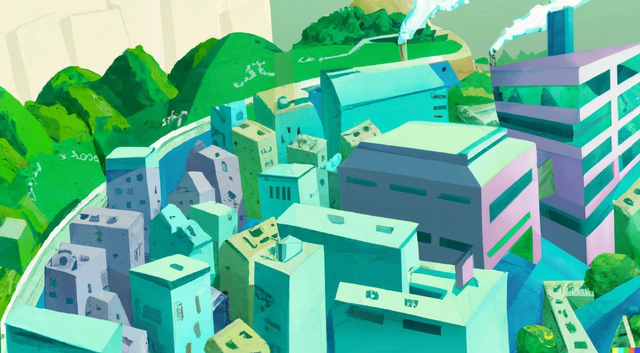
Image created using AI under the prompt: An expressive illustration of an urban environment with a lush landscape that exemplifies the decarbonization of architecture. Image via Via DALL.E 2
Architecture encompasses multiple processes, starting with identifying needs and transforming them into habitable structures through thoughtful design. Historically, construction-related processes like resource extraction and end-of-life disposal were often overlooked. However, it is essential to recognize that buildings have a lifecycle with significant impacts on carbon emissions. Emphasizing sustainable practices is vital to minimize our ecological footprint and positively impact the planet.
https://www.archdaily.com/1004300/how-to-reduce-the-carbon-footprint-through-architecture-three-approaches-across-the-building-lifecycleEnrique Tovar
The world has just witnessed the hottest months in recorded history, and the outlook is far from optimistic. Rising temperatures are driving greater cooling demands, threatening to trigger a vicious cycle of higher electricity use and carbon emissions. In a planet simultaneously facing unprecedented urbanization and a climate crisis, the intersection of building energy efficiency and cooling technologies has never been more crucial.
Throughout history, architecture has always been associated with the elite and the wealthiest echelons of society, who commissioned sumptuous buildings to satisfy their aesthetic and functional needs. This trend dates back to ancient civilizations: Egyptian pharaohs built pyramids and impressive temples, Roman emperors erected magnificent amphitheaters and palaces. Architecture was, and often still is, a symbol of power and prestige. Over time, the profession expanded to encompass various types of buildings and audiences, from simple residences to public and commercial structures, and the advancement of technology and construction techniques made it more accessible in terms of costs. However, inequality in access to high-quality architecture still prevails, especially in underdeveloped countries or socially vulnerable contexts. Many regions face serious housing, infrastructure, and urban planning problems due to a lack of resources and adequate investments, with poor construction conditions, slum areas, a lack of basic sanitation, and unsafe buildings.
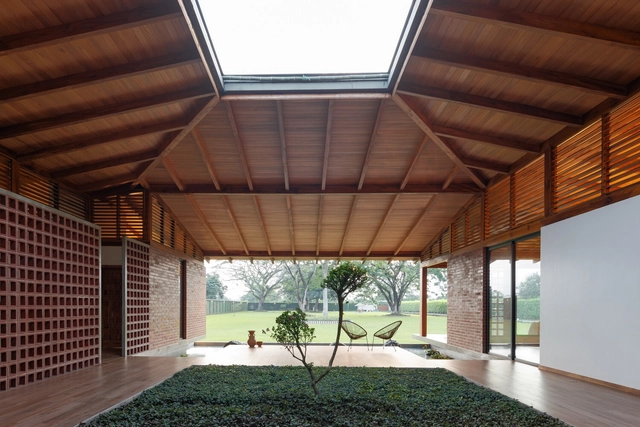
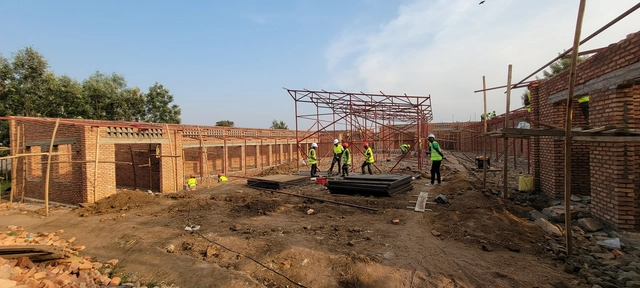
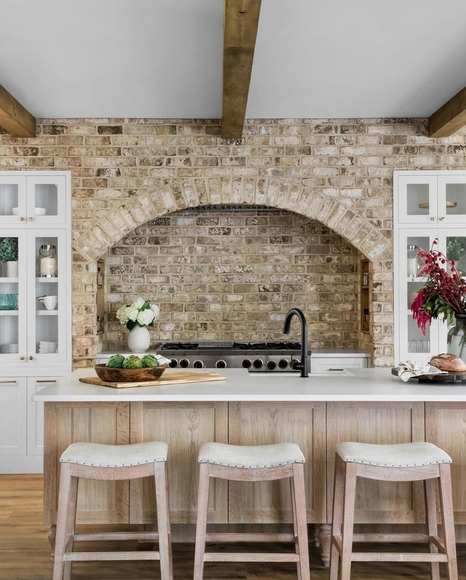
Brick is a traditional building material that enhances durability, versatility, and the aesthetic appeal of building design. Used in construction for thousands of years, contemporary architecture explores creative ways to incorporate brick into design, combining it with different materials to seamlessly integrate the old and the new. Traditionally composed of clay, these rectangular-shaped elements are also heavy-duty materials suitable for use in both load-bearing and non-load-bearing walls.
Delving into lighter alternatives, thin brick –with minimum thicknesses of approximately 1/2 inch (13mm)–combines the technical and aesthetic qualities of traditional brick with the advantages of being lightweight and space-efficient. In various colors, sizes, and textures, thin brick can be applied to diverse surfaces, such as walls and facades, without additional structures. The Brick Industry Association showcases interior and exterior projects, developing practical guides and solutions for achieving the classic, timeless look of brick masonry, along with design flexibility and easy installation.
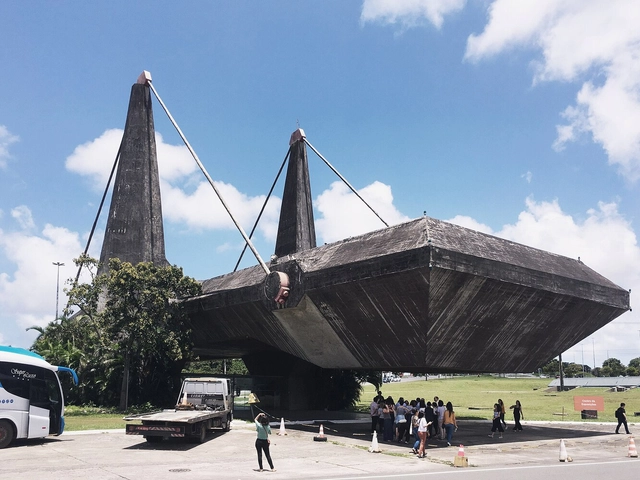
Exhibition Center of the Administrative Center of Bahia / João Filgueiras Lima (Lelé). Image: Gabriel Fernandes from São Paulo, Brasil, CC BY-SA 2.0 , via Wikimedia Commons
Tie rods are integral in structural engineering, primarily for transmitting traffic loads and alleviating compression forces within a structure. These slender components, resembling cables or metal bars, offer seamless integration into a space, lending themselves to visually appealing designs through repetition. They have applications ranging from furniture design to large-scale urban infrastructure projects, including suspension and cable-stayed bridges.
At 23.5 degrees north and 23.5 degrees south of the equator respectively, sit the Tropics of Cancer and Capricorn. The 3,000-mile-wide band between them that wraps around the Earth is affectionately known as the ‘bean belt’. The tropical and sub-tropical climatic conditions inside the belt, as well as the high percentage of land over 1,000 meters above sea level, create the perfect conditions for the coffee plant to thrive.
In these regions across Central and South America, Africa, and Asia, coffee is one of the main national exports, becoming a large part of many national identities. So the interiors of the countries’ home-grown coffee shops can be just as rich and well-balanced as the coffee beans they grow. For people living in the bean belt, coffee is more than just a drink, it’s literally a life source. And at these coffee shops, it’s treated as such.