


•
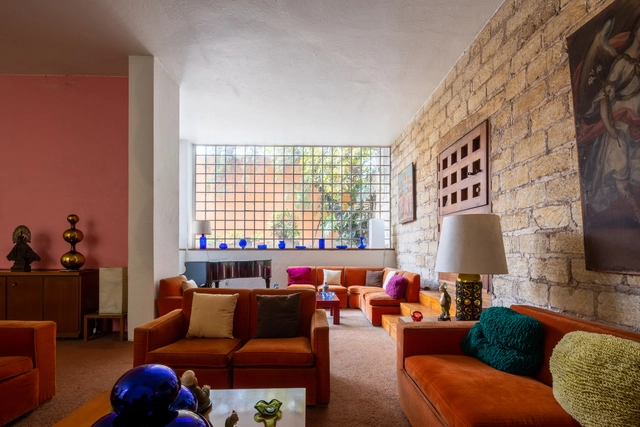
Mexico City, Mexico
-
Architects: Luis Barragan
- Area: 2500 m²


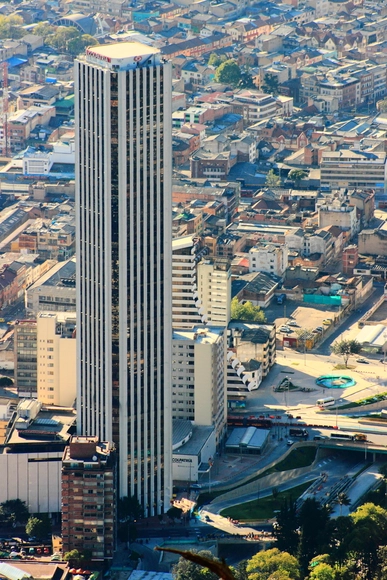
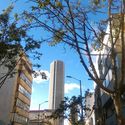
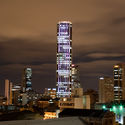
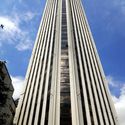
Considered a heritage of the modern movement in Colombia, the Colpatria Tower rises in the San Diego sector of the renowned International Center of Bogotá. With 50 floors and a height of 196 meters, it was the tallest building in the country for many years until the construction of the BD Bacatá in 2016, also in Bogotá. The implementation of innovative construction techniques and its location at the intersection of two major arterial roads of the capital - Carrera Séptima and Avenida El Dorado (Calle 26) - made it an architectural landmark of the city. Its sober and assertive design contributed an unprecedented pattern to the urban profile in the 1970s.
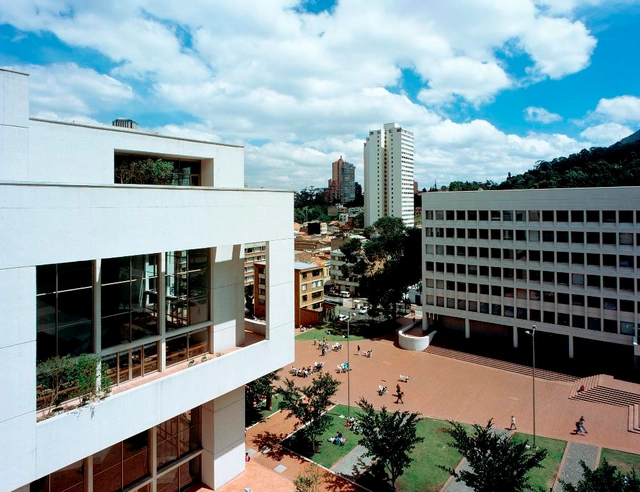
The project contemplates the development of a building and a square that aims to articulate and integrate the Jorge Tadeo Lozano University with the center of Bogotá, revitalizing and converting what was once a deteriorated residential and industrial suburb into an open and public campus. The building results from overlapping a volume of 47 meters in width and depth with another volume of 40 meters in width and depth, creating a covered perimeter walkway on the first floor that extends along the sidewalks of the surrounding streets. With a total height of 30 meters, the building consists of 4 large floors, with clear heights ranging from 3.4 to 6.1 meters.
_-_copia.jpg?1375118520&format=webp&width=640&height=580)
Talking about the Gold Museum means discussing an ambitious project resolved through simple design principles and sobriety. Inaugurated in 1968, this building, located on the eastern side of Santander Park, aims to establish itself as a humble capsule that intrigues visitors and takes them on a captivating journey through the world of Colombian artisanal skills.
The Gold Museum establishes an architectural parallelism with the Church of San Francisco de Asis (1567) located across the street, conveying the raw purity of the material in front of the city through the expression of its facades, ultimately leading to the radiant burst of light that emanates from the very heart of the volume.
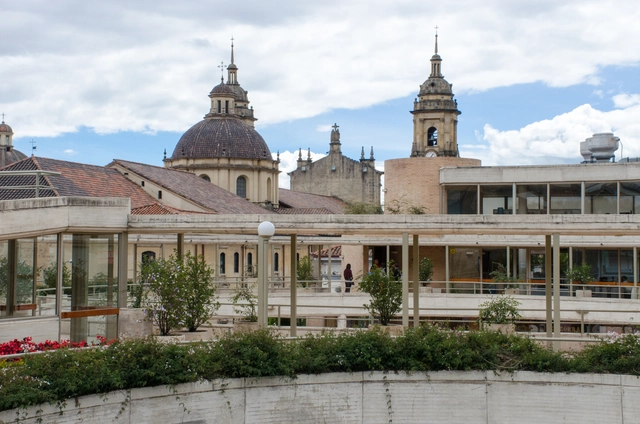
The Centro Cultural García Márquez is an iconic building located in downtown Bogotá. Its sinuous forms and the dialogue it establishes between time and place are perceptible at various scales. The project was initiated by the Fondo de Cultura Económica de México in 2004 as a cultural contribution by its Colombian branch. Designed by Rogelio Salmona, unfortunately, he passed away in October 2007, a year before its completion in 2008.
Named in honor of the 1982 Nobel Prize in Literature Gabriel García Márquez, the project is situated in Bogotá's La Candelaria neighborhood, just one block east of Plaza de Bolívar. This strategic location creates a cultural hub, interconnecting with several neighboring buildings including the Luis Ángel Arango Library, the Banco de la República Museum, 29 university entities, 24 educational institutions, 7 libraries, and a complex of museums and cultural collectives. According to the FCE, it attracts approximately 8,000 users per day.

This strange and sophisticated work of architecture, like a monumental and provocative ultra-modern sculpture, is actually a cutting-edge family home designed by Mexican architect Agustín Hernández, known for his style of Sculptural Architecture.
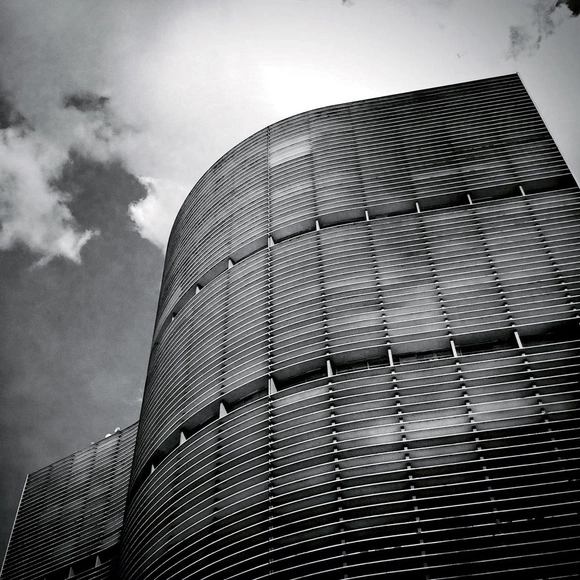
The Copan is a landmark in Sao Paulo. Even those who have never entered the building know its curves from afar. Amid the intense verticalization of the city center, the horizontal brise-soleils reinforce the building’s presence on the city’s horizon.

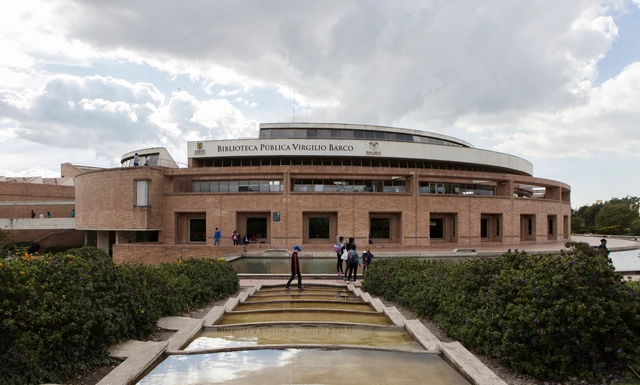
Located in the Teusaquillo neighborhood, in the northeastern sector of Bogotá, the Virgilio Barco Library forms a complex integrated by the Simón Bolívar Metropolitan Park and the Virgilio Barco Library Park. The consolidation of the social, recreational, and cultural development center displays the library a particular approach between the built work and the natural capital environment. Through its tour, it progressively reveals the solution of a program designed to form a cultural and landscape ensemble omitting its position within the city.
Recognized as one of Rogelio Salmona's emblematic works, its circular forms open to the environment attract between 60,000 and 65,000 visitors a month. Initially, it was to be called the Simón Bolívar Park Library, due to its proximity to the metropolitan park, but because of the patronage it received from former Colombian president Virgilio Barco, it ended up taking his name.
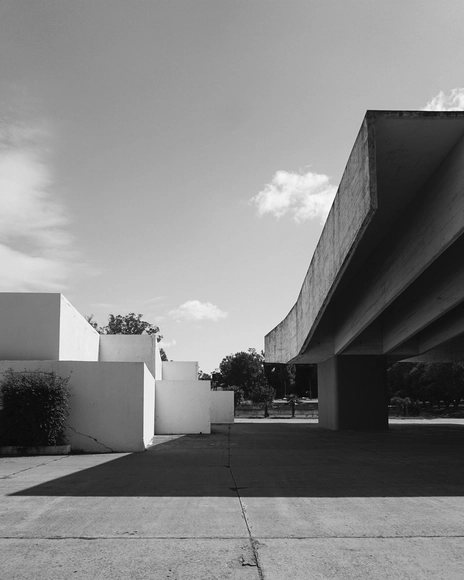
Mar del Plata is an obligatory reference to the Modern Movement in Argentina. Not only for being the scene of some architectural classics such as the House on the River, the Parador Ariston, or the Terrace Palace but also for the Cementerio Parque designed by Horacio Bucho Baliero and Carmen Córdova in the 1960s.
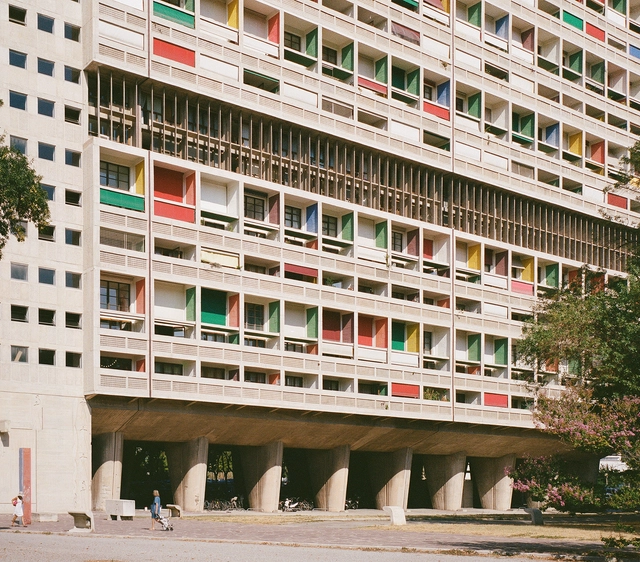
Text description provided by the architects. After World War II, the need for housing was at an unprecedented high. The Unite d’Habitation in Marseille, France was the first large scale project for the famed architect, Le Corbusier. In 1947, Europe was still feeling the effects of the Second World War, when Le Corbusier was commissioned to design a multi-family residential housing project for the people of Marseille that were dislocated after the bombings on France.
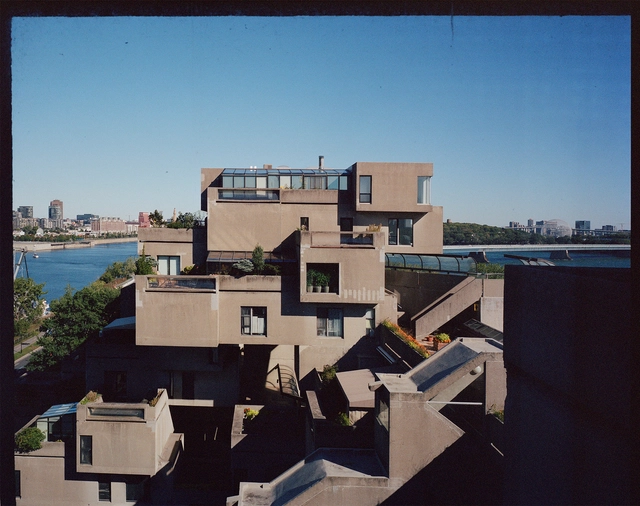
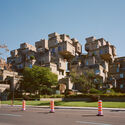
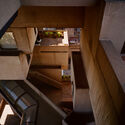
Habitat 67, designed by the Israeli-Canadian architect Moshe Safdie as the Canadian Pavilion for the World Exposition of 1967, was originally intended as an experimental solution for high-quality housing in dense urban environments. Safdie explored the possibilities of prefabricated modular units to reduce housing costs and allow for a new housing typology that could integrate the qualities of a suburban home into an urban high-rise.
Reflecting on the project’s significance in “A look back at habitat ’67” Safdie stated that “Habitat ‘67 is really two ideas in one. One is about prefabrication, and the other is about rethinking apartment-building design in the new paradigm.” [1]

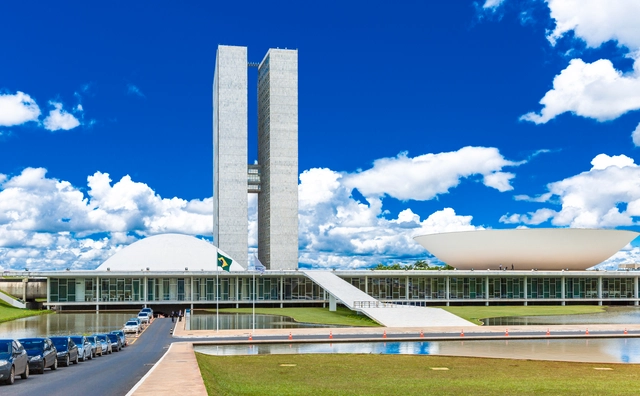
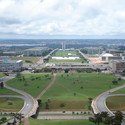
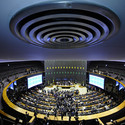
Located at the head of the abstract bird-shaped city plan by Lúcio Costa, and as the only building within the central greensward of the eastern arm of the Monumental Axis, the palace of the National Congress (Congresso Nacional) enjoys pride of place among Oscar Niemeyer’s government buildings in Brasília. The most sober of the palaces on the Plaza of the Three Powers, the National Congress reflects the strong influence of Le Corbusier, while hinting at the more romantic and whimsical forms that characterize Niemeyer’s trademark Brazilian Modernism.
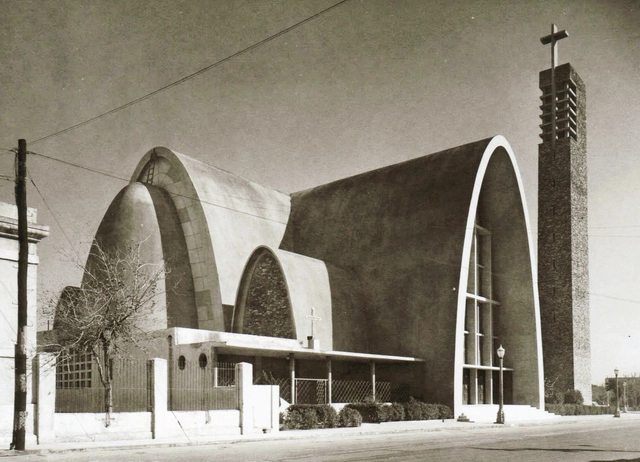
La Purísima Church is a catholic temple located in the center of the city of Monterrey, Mexico, designed by the Mexican architect Enrique de la Mora Palomar, who won the National Architecture Award in 1946 thanks to this emblematic work. The construction of the temple began in 1939, with Archbishop Guillermo Trischler as its main promoter. Inexplicably, the building was located where there was previously a temple, also dedicated to "La Purísima", of neoclassical style, which had to be demolished.
More information below.
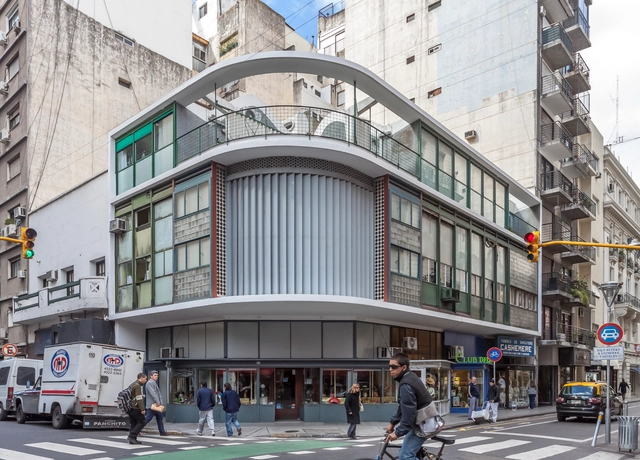
The building on the corner of Suipacha and Paraguay Streets in the city of Buenos Aires, designed by the Spanish architect Antonio Bonet, established from its realization the basis to begin certain reflections on international modern architecture in the Argentinian context of the 1930s.
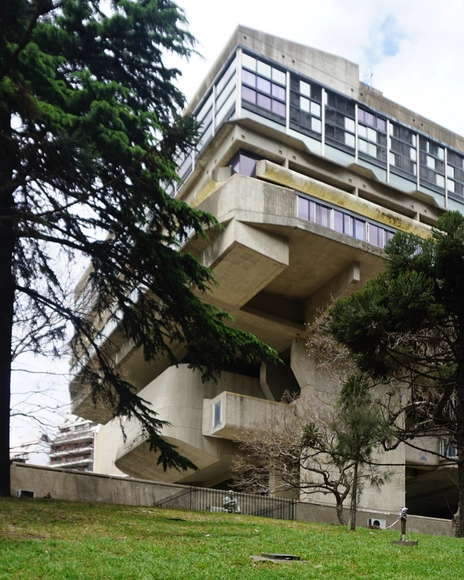
In the central Recoleta neighborhood of Buenos Aires, in a large lot between Austria Street, Agüero Street, and Del Libertador Avenue, stands the current building of the Mariano Moreno National Library, designed by architects Clorindo Testa, Francisco Bullrich, and Alicia Cazzaniga.
Built on the basis of the project that won first prize in a national competition in 1961, and completed in the early 1990s, it has become a landmark of modern Argentine architecture and an example of the variant of 20th century expressionism known as "brutalism".
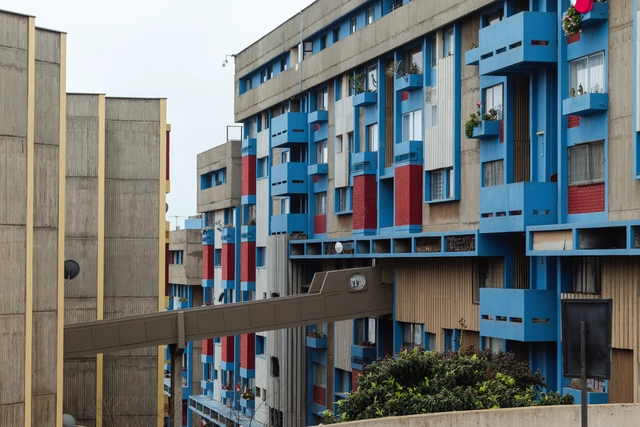
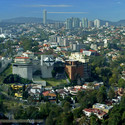
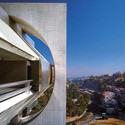
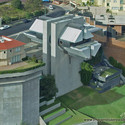
Located in the city of Viña del Mar, Chile, the Conjunto Habitacional 7 Hermanas (7 Sisters Housing Complex) stands out among the urban landscape of Viña del Mar for its architectural qualities, colors, materials, and magnitude. When you look up, you can see between the leafy ravine that overlooks the Quinta Vergara urban park, the group of buildings located in the Forestal sector, which take over the slope and the plateau of the hill, crowning itself as one of the most important works of modern architecture in the region of Valparaíso.
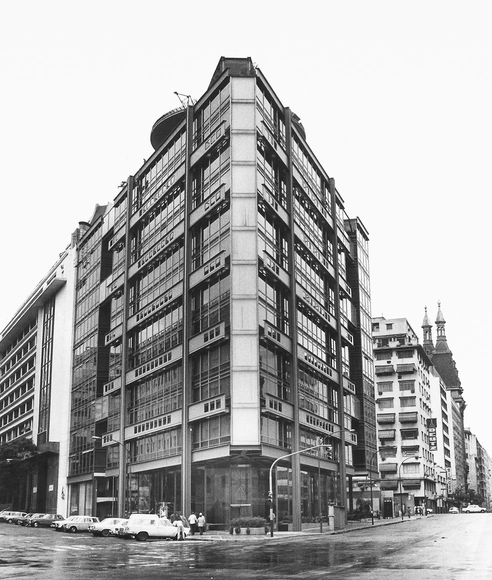
The Teniente General Castiñeiras building stands on a triangular plot of land in the heart of Buenos Aires, one of the most emblematic of the city's modern architecture. Better known as the SOMISA Building, its origin was the result of a design competition for the design of the new headquarters of the Sociedad Mixta Siderúrgica Argentina company. The first prize was won by MRA+A, Mario Roberto Álvarez & Associates, and its construction began around 1966, with the works completed in 1977.

Located in the Retiro district of the Autonomous City of Buenos Aires is the IBM building designed by Mario Roberto Álvarez & Associates. Conceived to house the headquarters of the IBM company, this office building was designed around 1979 and consists of a tower supported by two large concrete structural cores on a base, which is separated from the ground and the shaft of the tower to house the ground floor and a level of common areas in order to maintain the urban scale. The language of the building is recognizable from a distance as it is formed by an enclosure of horizontal bands of glass and exposed concrete parapets-parasols, which achieve a dialogue and balance in the proportion of full and empty spaces.


.jpg?1375118567 "© Dan Gamboa Bohórquez")
.jpg?1375118416 "© Dan Gamboa Bohórquez")
.jpg?1375118468 "© Dan Gamboa Bohórquez")
.jpg?1375118482 "© Dan Gamboa Bohórquez")
_-_copia.jpg?1375118520)
.jpg?1461854627 "© Alejandro Ojeda")