

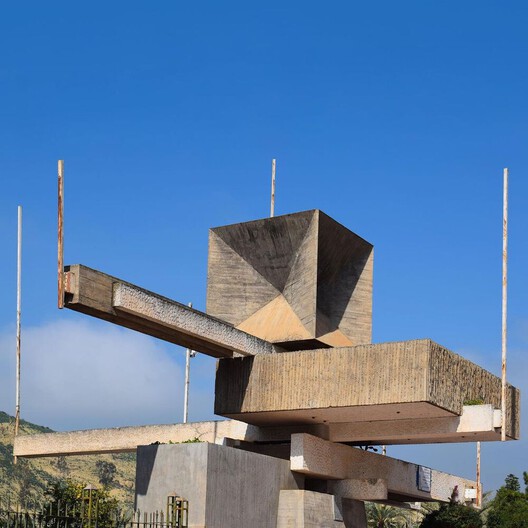
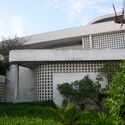
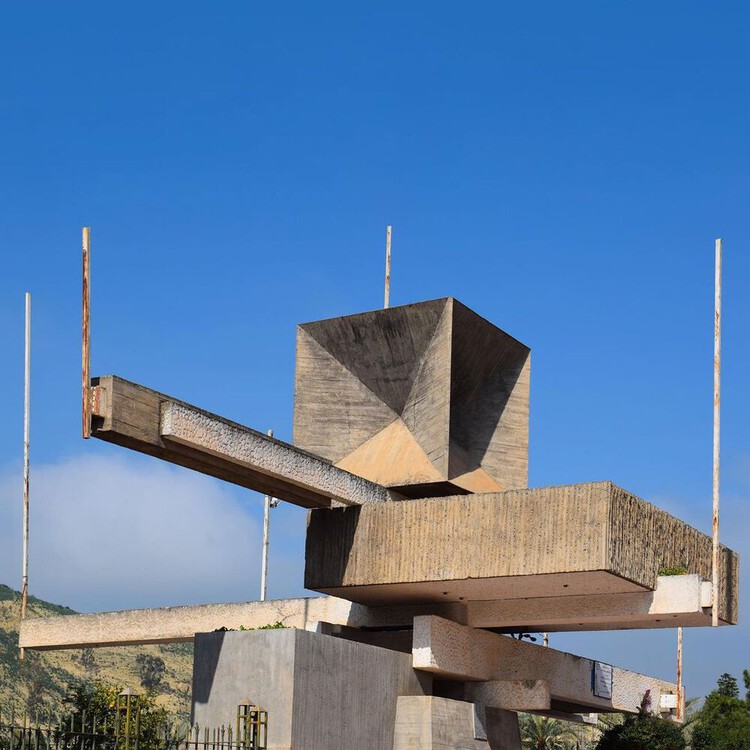
Modernism has a long history in Morocco. Being close to Europe and under French Protectorate rule, it kept pace with architectural developments in the movement. Its relative peace after the Second World War further strengthened its role as some European architects sought a hub for new ideas. Architects in independent Morocco adopted Modernism as they were tasked to build the infrastructure of a new nation. The architect Jean-François Zevaco, born in Morocco to French parents, practiced across these formative periods, developing his own expressive version of modern architecture.
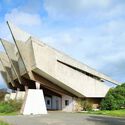
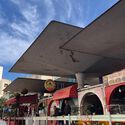
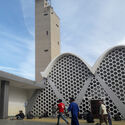
The mid-twentieth century in Africa was associated with independence, as direct colonialism came to an end and 29 countries gained their freedom between 1956 and 1964. As new nations built their institutions and infrastructure, they adopted Modernism as the preferred architectural language for new buildings, a break with the past and an anticipation of a bright future. Morocco was no different. However, partly because of its close proximity to Europe, the country, located in the northwestern corner of Africa, has had a long acquaintance with Modernism, predating its independence in 1956.


