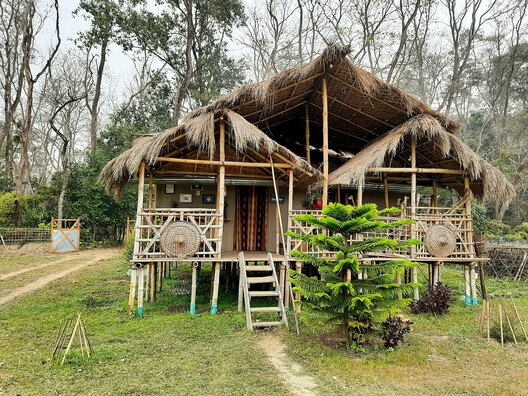
Across India's varied geographies, from coastal backwaters to desert fortress cities, architecture evolved with a deep, instinctive connection to climate. These were not isolated craft traditions but complete ecological systems in which material cycles, thermal comfort, and community knowledge were interdependent. As COP30 turns global attention toward the links between heritage and climate resilience, India's vernacular practices appear less as historical artifacts and more as climate technologies refined over centuries.
India's timber, lime, mud, and bamboo building traditions all share a common thread: they relied on local materials, passive cooling, and construction systems designed to be repaired, renewed, and reused. In an era dominated by cement, steel, and demolition-driven redevelopment, these earlier material cultures demonstrate a quiet circularity that feels radical again.


India's cities and rural settlements are increasingly shaped by climate extremes, prolonged heatwaves, rising cooling loads, and water scarcity. Yet historic construction across regions anticipated these stresses through materials that breathed, buffered heat, and allowed continuous renewal.
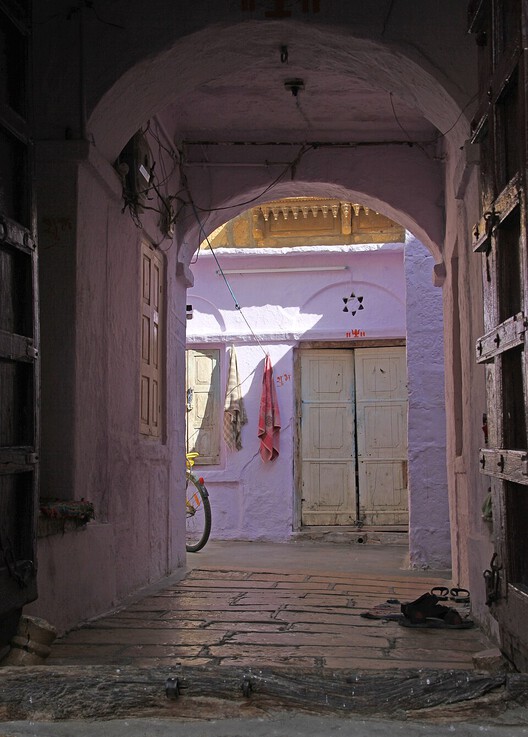
Lime, timber, mud, and thatch were not simply accessible. Each carried thermal and environmental benefits we now recognize as foundational to low-energy design. These materials accommodated diurnal temperature swings, regulated humidity, and often outlasted modern composites when maintained. Their circularity lay in a logic of maintenance rather than replacement, a logic that counters the high-carbon linearity of today's construction.
Kerala's Timber Architecture: A Regenerative Blueprint
Kerala's timber architecture remains one of India's most sophisticated bio-based building traditions. Crafted through interlocking joinery instead of nails or adhesives, these wooden trusses, rafters, and columns were designed for longevity and reversibility. Entire roof systems could be dismantled and reassembled, each component retaining value over generations.
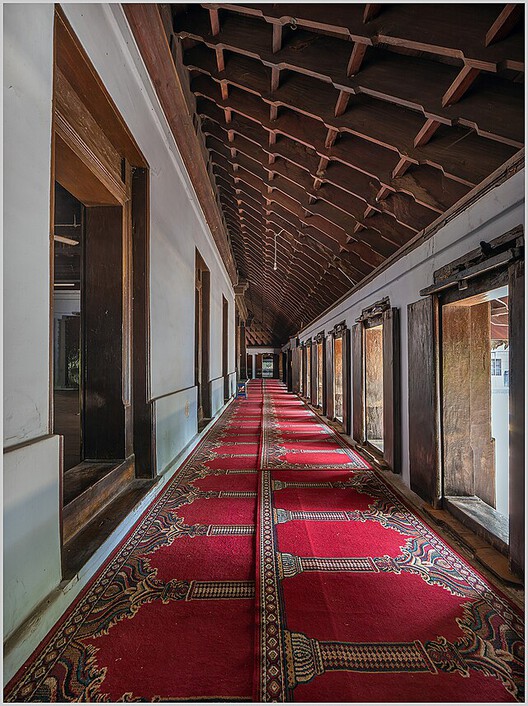
Thermally, timber moderated Kerala's humidity, while steep roofs, overhangs, and ventilated attics worked in concert to keep interiors cool. These homes demonstrate a material frugality and climatic intelligence that feels urgently relevant as architects turn to low-carbon construction.
Rajasthan's Lime Plasters: Circular by Nature
In Rajasthan's desert towns, lime plasters formed the skin of architecture designed for extreme heat. From the polished gleam of araish (decoration) to the textured resilience of thappi (traditional plastering technique that uses a lime mixture, which is beaten into place with a wooden tool) work. These lime surfaces reflected harsh sunlight, regulated indoor temperatures, and aged gracefully.

Unlike cement, which locks buildings into rigid lifecycles, lime allows for easy repair, gradual renewal, and centuries of performance. In a global context where cement emissions are a major climate concern, Rajasthan's lime culture offers one of the most viable pathways to mineral circularity.
Bio-Materials and Climate Resilience: India's Living Lab
Across India's east and northeast, bamboo has long been a primary structural material. Light, flexible, and rapidly renewable, bamboo structures were adapted for seismic resilience. Particularly in Assam, where homes capable of swaying with earthquakes reflect generations of material experimentation.
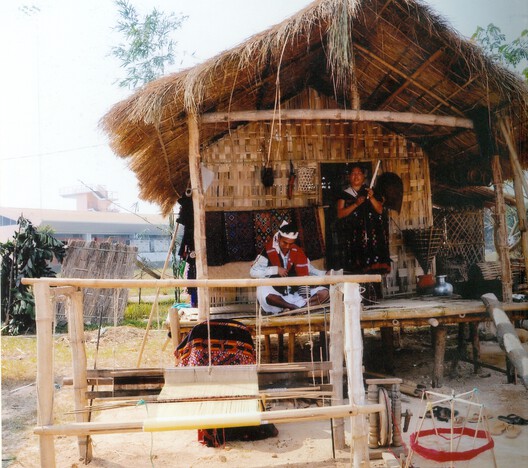
In Kutch, circular bhunga houses used earth, thatch, and timber to withstand both heat and seismic activity, while coastal communities built with palm components that could be repaired or replaced after monsoons with minimal waste. Together, these vernacular models form a distributed knowledge system that aligns closely with global ambitions for biogenic materials and low-carbon construction.
Heritage and Climate: A Global Convergence at COP
For the first time, COP positions heritage not as a passive cultural asset but as an active climate resource. India's traditional buildings exemplify how low-carbon materials and passive systems can deliver substantial climate benefits while preserving cultural identities.
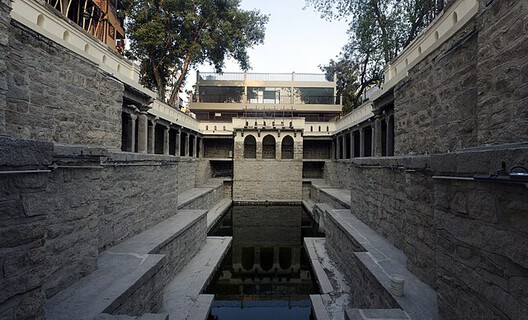
This shift reframes conservation as a climate strategy rather than an aesthetic preference. Vernacular techniques become tools for reducing operational energy, conserving materials, and strengthening resilience, especially in rapidly urbanizing contexts where the environmental stakes are highest.
Craft, Circular Economies, and Contemporary Practice
Across Indian cities, architects are now collaborating with craftspeople to revive lime, brick, timber, and earth traditions. These partnerships re-establish local supply chains and expand the knowledge base required for sustainable construction. They also promote a shift from demolition-heavy development to cycles of repair and adaptation.
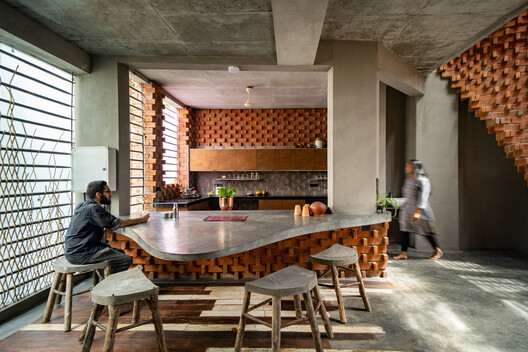
Such practices challenge the assumption that vernacular architecture belongs only to the past. Instead, they position traditional skills as essential for addressing contemporary climate realities, strengthening local economies while lowering carbon footprints.
Toward a Planetary Vernacular
India's vernacular traditions demonstrate that sustainability was once a cultural norm rather than a design ambition. As global construction seeks to reduce dependency on high-carbon materials and mechanical cooling, these older systems provide a blueprint for buildings that engage thoughtfully with climate and resource cycles.
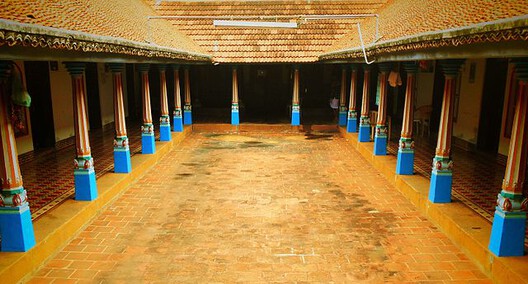
The challenge ahead lies not in replicating the past, but in translating vernacular principles into contemporary regulations, supply chains, and architectural education. If India embraces this alignment of heritage and climate strategy, it can help define a global shift toward architecture grounded in ecological intelligence.
This article is part of the ArchDaily Topics: Building Less: Rethink, Reuse, Renovate, Repurpose, proudly presented by Schindler Group. This article is part of an ArchDaily series titled India: Building for Billions, where we discuss the effects of population rise, urbanization, and economic growth on India's built environment. Through the series, we explore local and international innovations responding to India's urban growth. We also talk to the architects, builders, and community, seeking to underline their personal experiences. As always, at ArchDaily, we highly appreciate the input of our readers. If you think we should feature a certain project, please submit your suggestions.
Repurposing sits at the nexus of sustainability and innovation — two values central to the Schindler Group. By championing this topic, we aim to encourage dialogue around the benefits of reusing the existing. We believe that preserving existing structures is one of the many ingredients to a more sustainable city. This commitment aligns with our net zero by 2040 ambitions and our corporate purpose of enhancing quality of life in urban environments.
Every month we explore a topic in-depth through articles, interviews, news, and architecture projects. We invite you to learn more about our ArchDaily Topics. And, as always, at ArchDaily we welcome the contributions of our readers; if you want to submit an article or project, contact us.