

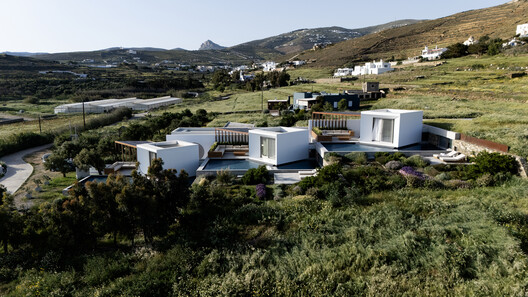
Amid countless questions, reflections, and debates about rethinking what a hotel can be, current hotel architecture faces growing complexities that span user experience, environmental responsibility, and the relationship with local context. Contemporary hotel design shows a clear—and increasingly prominent—intention to blend seamlessly and harmoniously with its surroundings, building a sense of identity that responds to local cultures, traditions, and character. The interconnection with nature, along with the reinterpretation of hotels as spaces for engaging with their surroundings, creates a direct relationship that expands their boundaries beyond the history and origins of the many practices that have shaped—and continue to define—their local characteristics and philosophy of life.
In a time when many hotels are designed to look like destinations, the real challenge is to design hotels that grow from their destination. But how can large-scale urban projects be integrated into sensitive landscapes without overpowering them? How is it possible to build with density while preserving a sense of intimacy and create identity in places that already carry strong local character?


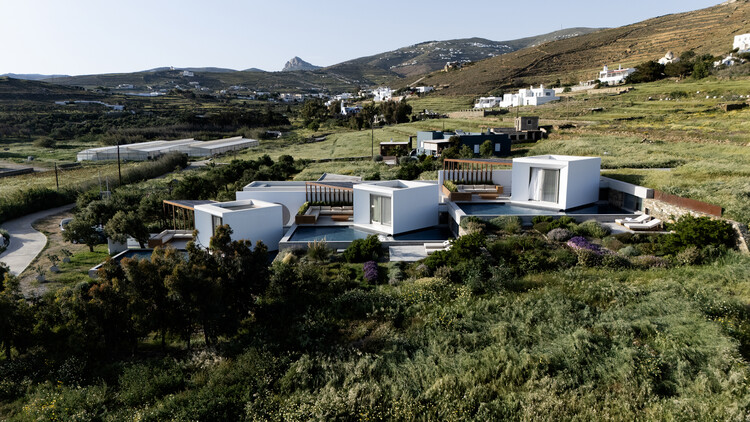
From hotels in Mexico to small cabins in Spain, contemporary hotel architecture reflects a commitment to creating lasting connections between people and place. By integrating their designs into the surrounding landscape, architecture studios, research teams, and developers are increasingly working to raise awareness about the environmental impact of construction and to address the climate crisis through architectural solutions. Whether by fostering connections with local communities, numerous traditions can be reinterpreted through a contemporary design lens. Self-sufficient strategies, resource-efficient methodologies, innovative technologies, and the thoughtful use of natural materials are all part of the design processes being carried out today.
Related Article
From Japan to Saudi Arabia: 8 Unbuilt Hospitality Projects Redefining the Future of Hotels and Resorts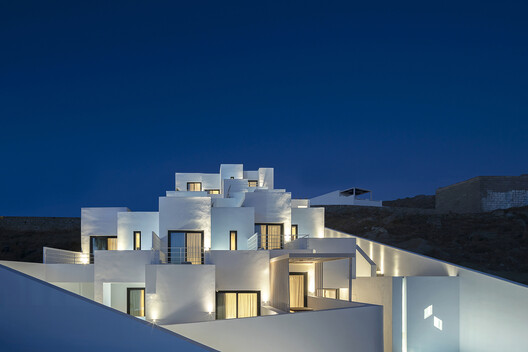
Once inside these spaces, the design language supports the celebration of the surroundings and their history through clean lines, tactile materials, and details that give local craftsmanship the prominence it deserves. Custom-made furniture, seamless surfaces, warm colors, and natural textiles shape a contemporary design that is further enriched by the work of local artisans. In this way, the local philosophy of life engages in dialogue with the architectural proposal for the site.
Contextual Design as an Architectural Ethic
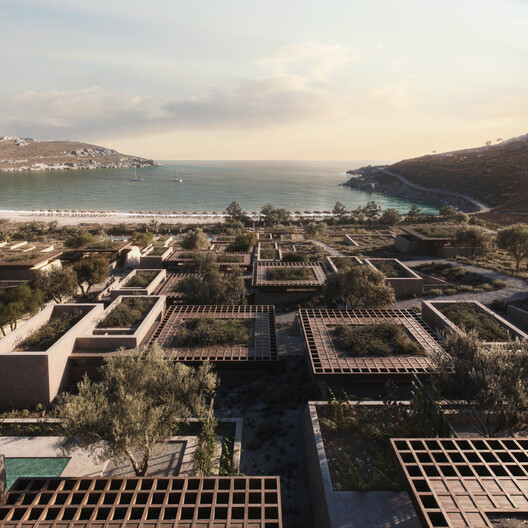
For Aristides Dallas Architects, designing a hotel isn't about applying a predefined style. It's about building a new relationship between landscape and program, light and shadow, natural rhythms and human experience. What they call contextual design represents an architectural ethic. Whether on the wind-swept cliffs of the Aegean or in the intricate topography of inland Greece, their first instinct is to read the land before they shape it. The architects observe the slope, textures, rhythms, micro-climates, and history of a site before intervening, allowing these elements to define the architecture.
We shape our buildings and they shape us back on a constant ever changing cycle.—Aristides Dallas Architects
As their Pnoēs Tinos project aims to reconnect the hotel with its setting, collaborative work with local artisans brings the island's flavors and history into the hotel through scent, taste, and sight. Aristides Dallas states that "until the previous century, Tinos was intensively cultivated for barley and wheat…hence the peculiar, terraced landscape all over the island. After the harvest, the ears were gathered in special round stone basins—remainders of which can still be seen all around." In large-scale projects, where building footprints are significant, Aristides Dallas Architects treat their projects as extensions of the land, rather than as standalone objects placed upon it.
Dealing with Scale Without Losing Soul
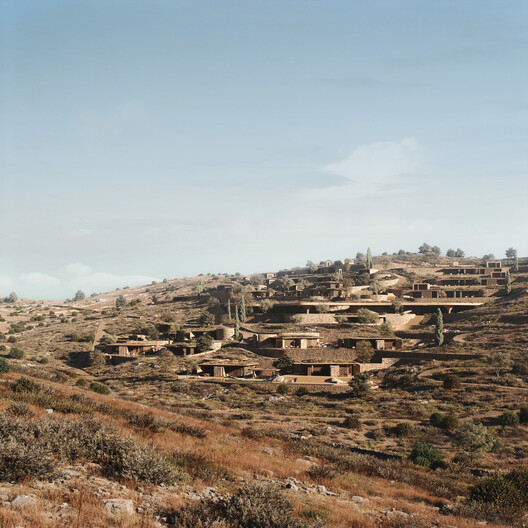
In many of Aristides Dallas Architects' hotel projects, fragmentation is favored over massing, breaking down the volume into smaller, interconnected clusters that echo the logic of vernacular settlements or terraced farmland. Beyond reducing the architecture's visual impact, this approach enhances the guest experience, turning every path, courtyard, and room into part of a spatial narrative. As the architects argue, scale becomes not a threat to identity but a tool to amplify it. The complexity of large hotels gives the opportunity to design sequences, thresholds, and transitions that turn a stay into a memory.
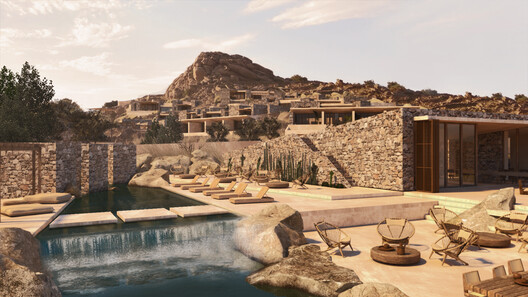
One example of this philosophy is Pnoēs Tinos, a small-scale hotel project and a member of Design Hotels. Though modest in its built footprint, it embodies everything from landscape-integrated structures and traditional stonework reinterpreted in a contemporary way to a spatial narrative that balances privacy with openness. Guests don't just stay there—they inhabit the island through it. This project—along with others currently underway in the Peloponnese, Tínos, Andros, Paros, Antiparos, Mykonos, Halkidiki, and beyond—speaks to the broader question of how it is possible to balance the logic of tourism with the integrity of place.
As a place of nutrition, pleasure, community, and sustainable practices, the gardens at Pnoēs include several sections, such as fruit trees, Mediterranean herbs, a tea garden, and a vegetable plot. From insect habitats to plants arranged according to polyculture principles, the hotel demonstrates a synergy of work across multiple scales with its local community. In fact, it has even partnered with artisanal fishermen to source fish from the sea while respecting the marine ecosystem and avoiding overexploitation. Thus, the local philosophy is intertwined with the design philosophy, becoming part of a unified whole.
Designing for Identity, Value and Trust
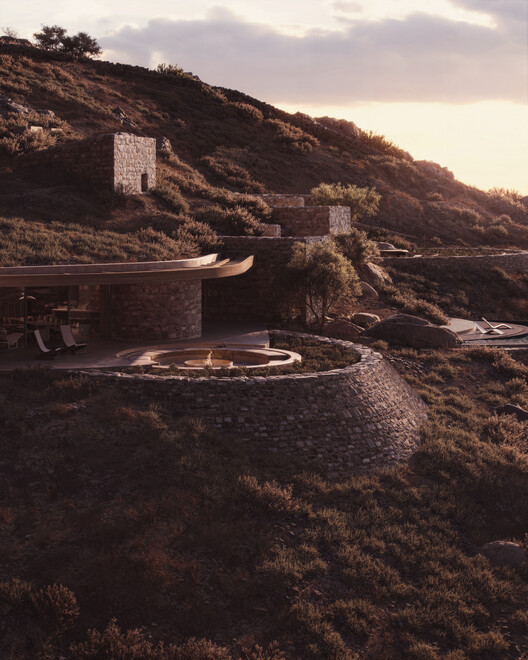
Aristides Dallas Architects' approach to contextual design isn't only about aesthetics, it's about value. In a time when many hospitality developments are becoming interchangeable, the importance of belonging shows more than a relationship to the land; it envolves a culture, a story, an era. As they mentioned, a hotel that grows from its landscape:
- commands higher emotional and economic returns
- generates fewer frictions with local planning authorities and communities
- delivers a unique experience that no other site can replicate
- builds long-term trust with guests seeking something real
Learning from the Extraordinary
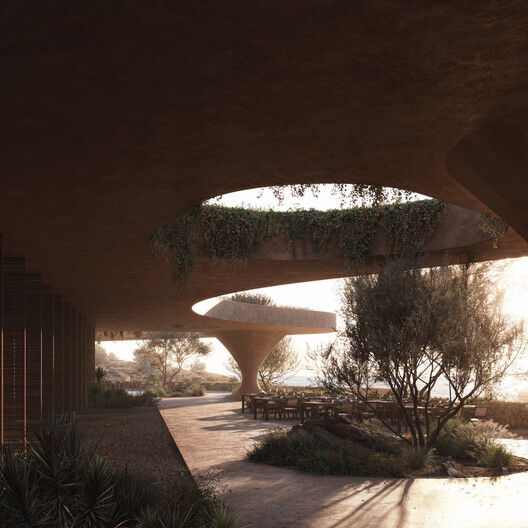
As Greece enters a new era of tourism, hospitality architecture is no longer about creating iconic images, but about shaping infrastructures of experience that respect land, heritage, and community. Many of Aristides Dallas Architects' current projects—from small-scale retreats to large branded resorts—operate within fragile ecologies and culturally loaded landscapes. Designing for these contexts requires not just aesthetic sensibility, but strategic thinking: long-term environmental performance, integration with local economies, and the creation of places that contribute to the identity of a region rather than consume it.
As their practice enters a new phase of growth, ongoing projects in Schoinousa, Andros, and Antiparos expand their hospitality portfolio into increasingly diverse programs—from secluded bioclimatic villas to large-scale branded hotels. This evolution marks a shift from designing singular guest experiences to shaping holistic development strategies alongside investors, consultants, and local communities. In these new ventures, architecture becomes not only a spatial proposal, but a lever of trust, value, and long-term vision.
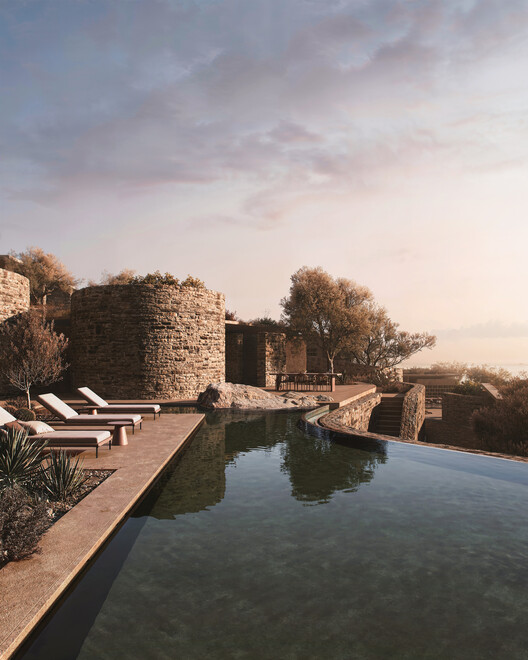
While deeply rooted in Greece, Aristides Dallas Architects carries a methodology not meant to impose a Mediterranean language, but to apply a way of thinking. They listen before drawing, walk the site before analyzing it, and imagine the guest experience before shaping plans. This approach resonates across diverse contexts and scales—from cliffside villas to thousand-acre masterplans—and has earned international recognition, with recent features in Designboom, Design Hotels Originals, and the Architizer A+ Awards, where they were honored as Best Local Firm.
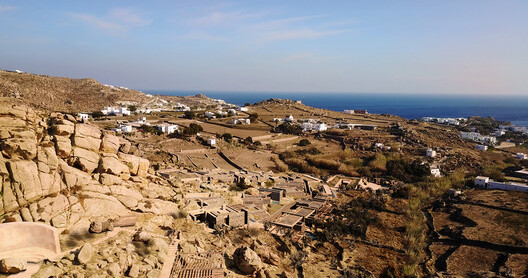
Recognizing that a hotel genuinely integrated into its surroundings generates greater emotional and economic value, the notion of belonging becomes essential in hospitality projects. Embedding connections to the cultures, histories, and eras involved gives these places depth and resonance. Every wall that is drawn and every window that is placed is part of a greater invitation to connect, feel, and remember. When designing destination hotels, Aristides Dallas Architects aims not to make a statement, but to make something that stays. In the end, the buildings that matter most are not the ones that impress—they are the ones that belong. This raises a larger question: What variables define hotel design today, and which ones will shape it in the future?


