

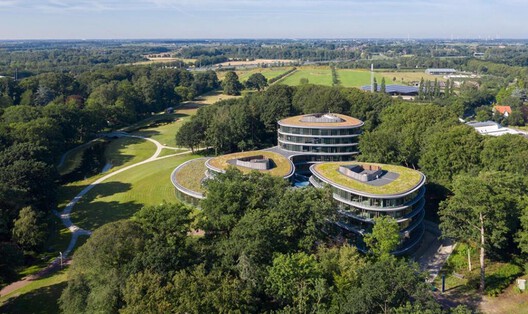
How does the construction sector shape the future of cities? What challenges does it face? At the crossroads of demographic, social, energy, and climate pressures, the construction sector is changing fast. Professionals, institutions, and citizens are working together to build environments that improve health and well-being, encourages durable and place-responsive solutions, cut carbon emissions, withstand climate risks, and provide affordable, high-quality housing.




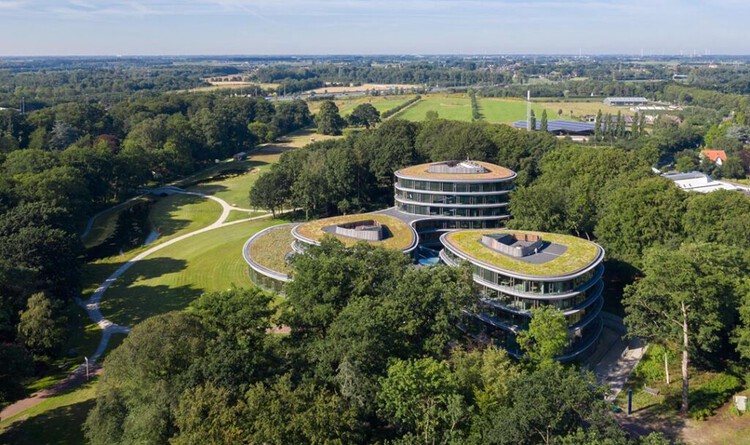
Addressing these complex challenges requires not only innovation in materials, technologies, and construction methods, but also sharing knowledge, experiences, and best practices. This is where Constructing a Sustainable Future (CSF), launched by the Saint-Gobain Group in 2023, comes in. CSF is an international media platform dedicated to advancing sustainable construction, connecting stakeholders across the industry, and highlighting key achievements, innovations, and strategies that accelerate decarbonization while supporting the sector's transition.

Since its inception, CSF has attracted nearly 6 million visits and boasts 30,000 subscribers to its monthly newsletter, engaging a global community of architects, urban planners, developers, manufacturers, policymakers, students, and institutions. By fostering collaboration and amplifying effective solutions, CSF serves as a dynamic hub for exploring sustainability in all its dimensions—decarbonization, the circular economy, renovation, quality of life, policy and economics, resilience, and social inclusion.
Related Article
No More Waste: 10 Ways to Incorporate the Circular Economy into an Architectural Project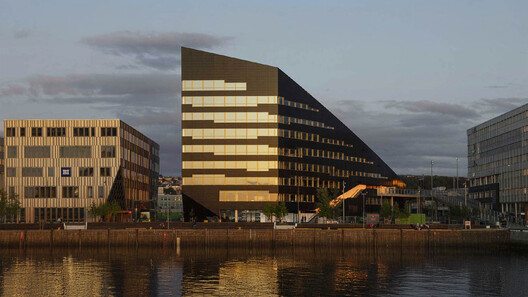
The growing adoption of renewable energy and electrification, the rise in sustainable building certifications, and the increasing use of circular construction practices—such as material reuse and modular building—reflect a wide field of opportunities for the construction sector to face today's challenges. Reflecting Saint-Gobain's commitment to developing low-carbon, resource-efficient, and high-performance solutions, Constructing a Sustainable Future (CSF) acts as a new starting point for addressing not only the technologies, materials, and construction methods of tomorrow, but also for expanding the reach of innovation by fostering shifts in mindsets, approaches to design and building, and the training of interested professionals.
Innovation for sustainable construction obviously involves inventing new solutions. But this is not enough. These innovations, if not deployed at scale, don't have enough impact.—Roland Pearson, Vice president and Executive director of the Terwilliger Center for Innovation in Shelter, a division of Habitat for Humanity International.
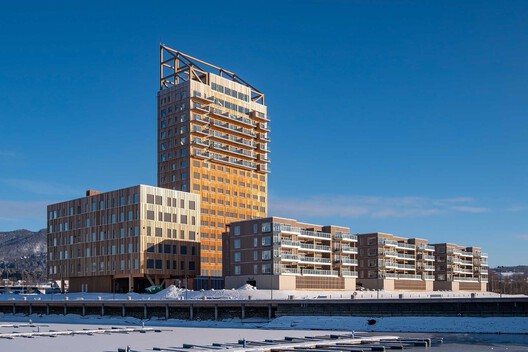
So how can all dimensions of sustainable construction be addressed? By highlighting solutions from architects, engineers, researchers, developers, and public decision-makers, each topic is explored through a variety of formats, including expert interviews, case studies, videos, podcasts, and infographics. A wide range of interconnected international and cross-sector perspectives come together to explore sustainability within the built environment:
- Decarbonization: from materials innovation to low-carbon building operations.
- Circularity: rethinking resources, reuse, and design for disassembly.
- Renovation: expanding the upgrade of existing building stock to support the transition.
- Policy and economics: understanding regulations, financing models, and global frameworks.
- Quality of life: addressing health, comfort, and well-being as core sustainability pillars.
- Resilience and adaptation: designing for climate risks and resource constraints.
- Social dimension: promoting inclusion, accessibility, and the right to adequate housing.
With operations in more than 80 countries, Saint-Gobain supports the transition toward light and sustainable construction, helping homes, cities, and industries become more resilient and comfortable worldwide. Constructing a Sustainable Future is part of the Sustainable Construction Observatory, a Saint-Gobain initiative that also includes an Annual Barometer and Talks—an international series of roundtable discussions held alongside major global events such as Climate Week NYC, COP conferences, or the World Economic Forum in Davos.
As a global and multilingual platform, CSF's editorial content is available in English and French, with audio versions in Chinese, Spanish, German, and Italian. Its video series Figure Out highlights key challenges and innovations in the built environment and the first episode focuses on Circularity. In addition, Constructing a Sustainable Future releases a print edition each spring that delves deeper into the conversations it sparks. The next issue, set to be published in late April 2026, will explore the theme "Building sustainably: to decarbonize, and also…" Covering topics from environmental impact to social transformation, this edition will highlight the many dimensions of sustainable construction through exclusive interviews, essays, and case studies.
Discover how Constructing a Sustainable Future is helping shape the future of the built environment.


