Why Skaters Need the Southbank Centre

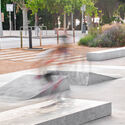
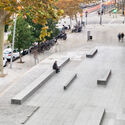
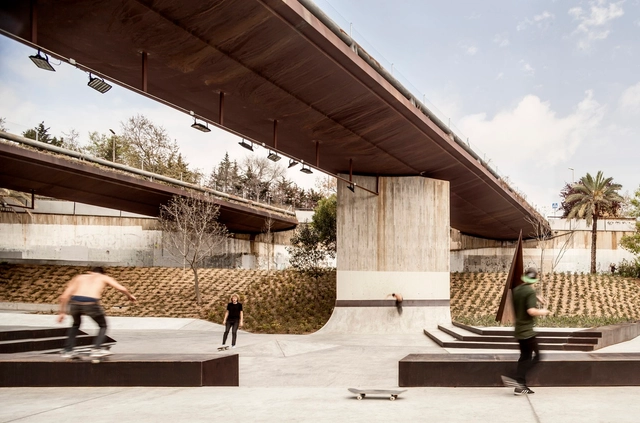
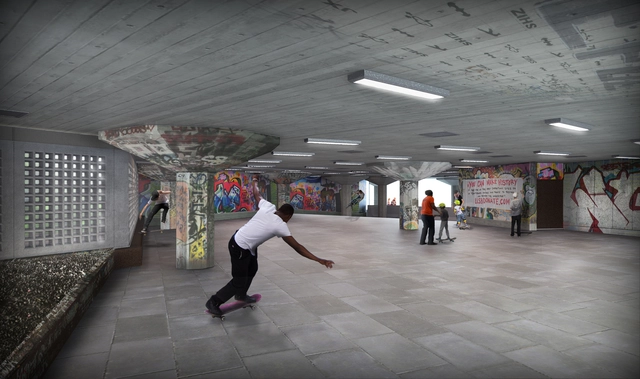
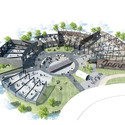
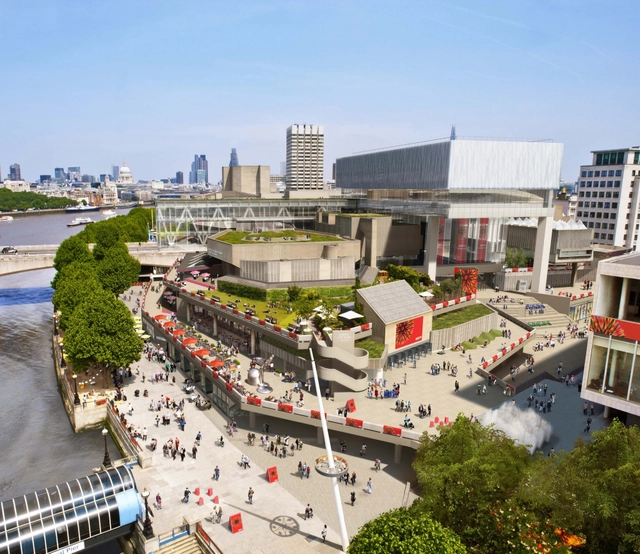
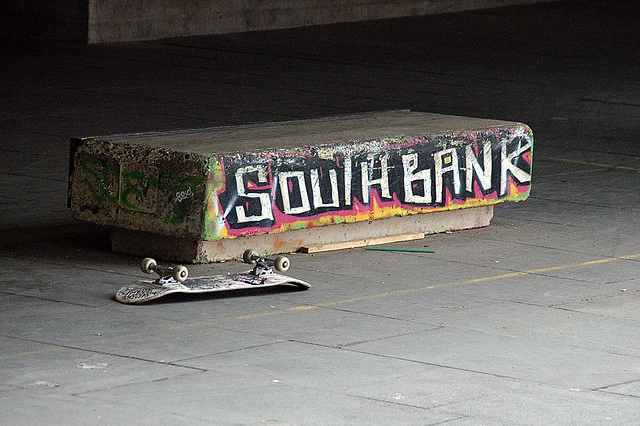
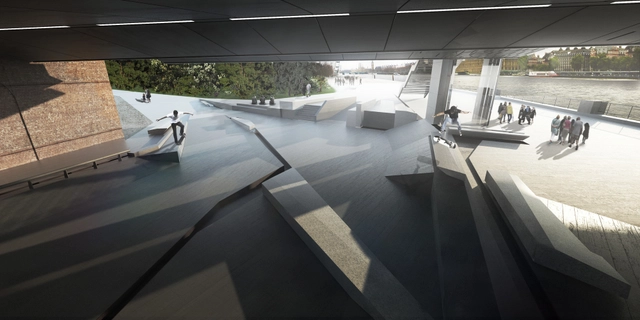
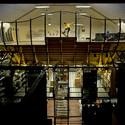
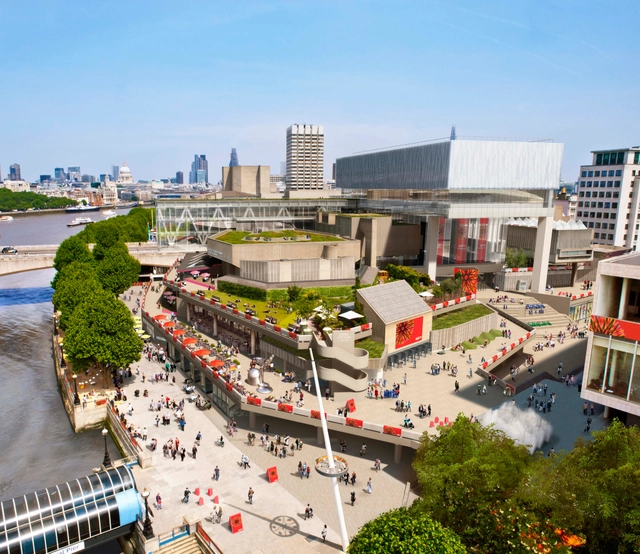
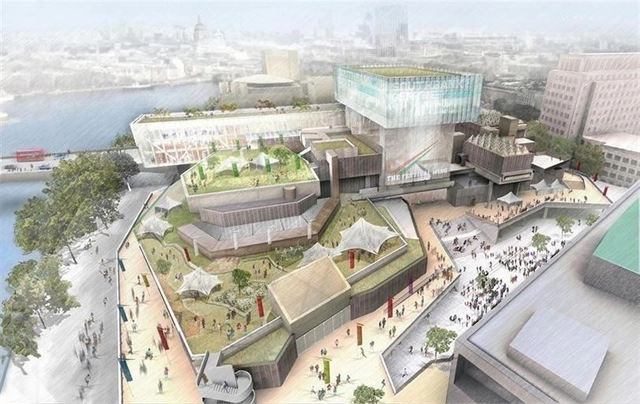
Among the extensive discussion of Feilden Clegg Bradley‘s scheme to redesign the Southbank Centre in London, one issue which has sometimes been ignored by the architectural media has been the proposal to relocate the skate park in the under-croft of the Queen Elizabeth Hall to a space beneath the nearby Hungerford bridge.
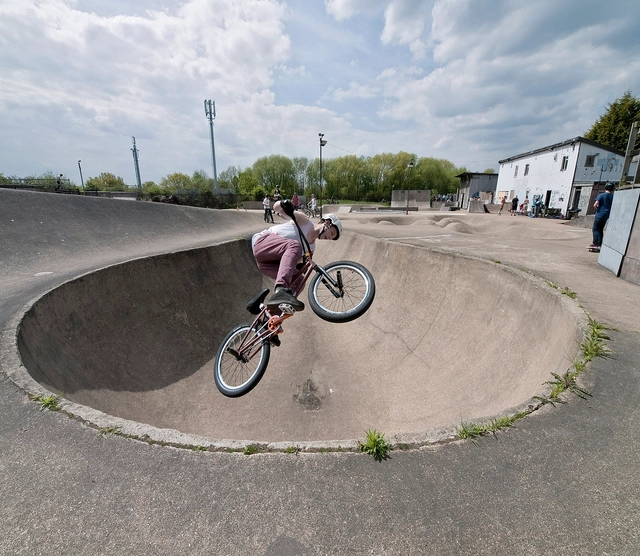
Unsurprisingly, this decision has sparked a petition, which has collected nearly 40,000 signatures to save one of the UK’s most famous skating hotspots. We’ve talked about how skaters can teach architects about understanding space before; however, in this instance I would like to examine how skaters as a (sub)cultural entity interact with the city, and how the city can cater to their needs. Though many architects are already in favor of accepting skaters, I hope to explore why the wider community tends to see skating as a problem to be solved, and what this can reveal about the proposal at the Southbank Centre.
Read on to find out more about the peculiar way skaters experience cities…
Le Corbusier: The Patron Saint of Skateboarders

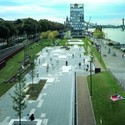
We here at ArchDaily are big fans of Roman Mars’ radio program 99% Invisible, and just had to share the latest show: “In and Out of Love.” In it, Mars explores the changing face of Philadelphia’s JFK Plaza (more commonly known as LOVE Park), why its Modernist characteristics made it perfect for skateboarding (although city officials certainly didn’t feel that way), and why Le Corbusier truly is the patron saint of skateboarders (more about the episode at 99% Invisible).
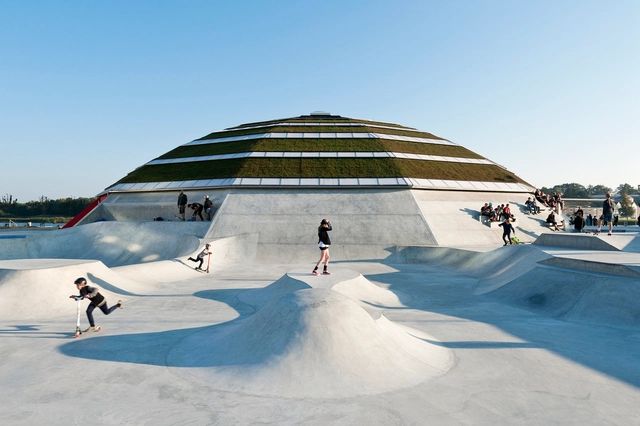
And, if you like this, check out Why Skateboarding Matters to Architecture, and follow the jump for some very cool, very innovative skate-friendly homes, stores, and parks…
Why Skateboarding Matters to Architecture

Every June 21st since 2003, Go Skateboarding Day has rallied skateboarders around the globe – in skateparks and public plazas, downtown nooks and parking lots – to grind, ollie, and kickflip it with the best of them.
If I didn’t lose you at “ollie,” you’re probably wondering: what the heck does this have to do with architecture?
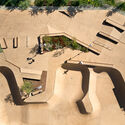
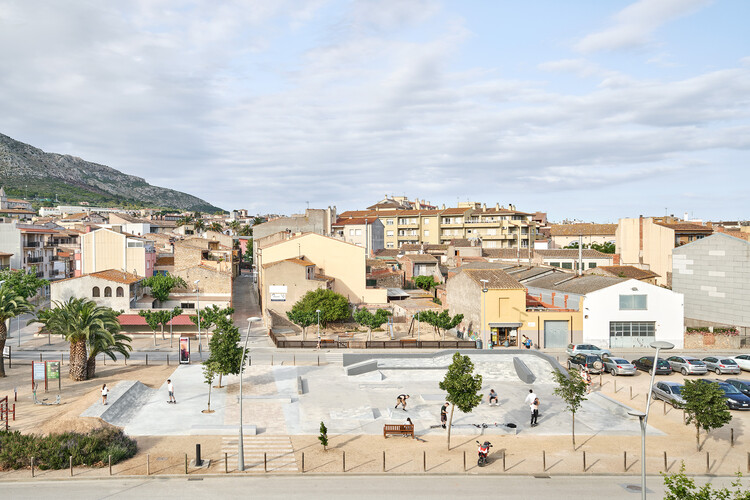
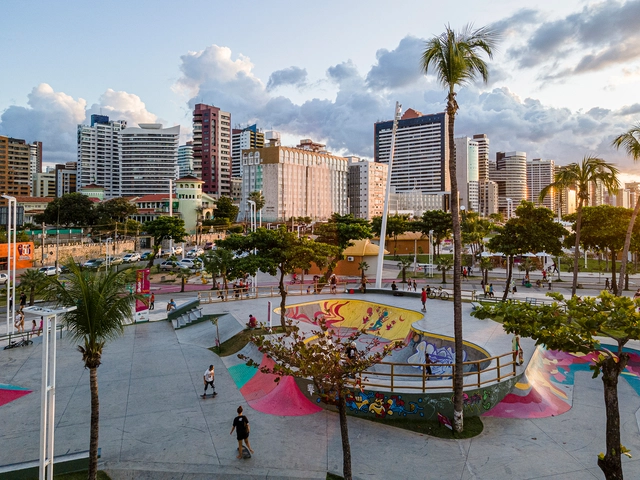
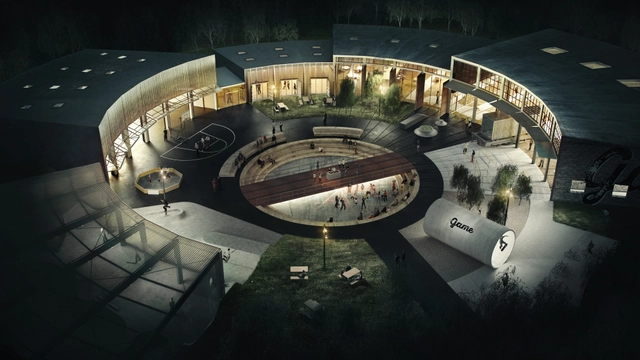
Well, I could talk about the architectural challenge that a skate park, as an interactive public space with specific topological requisites and social implications, offers architects. I could show you some cool testaments to the fact, such as the Architecture for Humanity-sponsored projects in Afghanistan and Manhattan, opening today.
But, rather selfishly, I’m more interested in what skateboarding has to offer us beyond skateparks. A skater, unlike your typical pedestrian, experiences space just as intensely and consciously as an architect himself, albeit in a different way. He/she is alive to the possibility of space, not in its totality, as an architect would be, but as a collection of tactile surfaces to be jumped on, grinded, and conquered.
The skater offers a revolutionary perspective for the architect: one that allows you to see buildings beyond what they were intended to be, to see (and design) buildings as “building blocks for the open minded.”