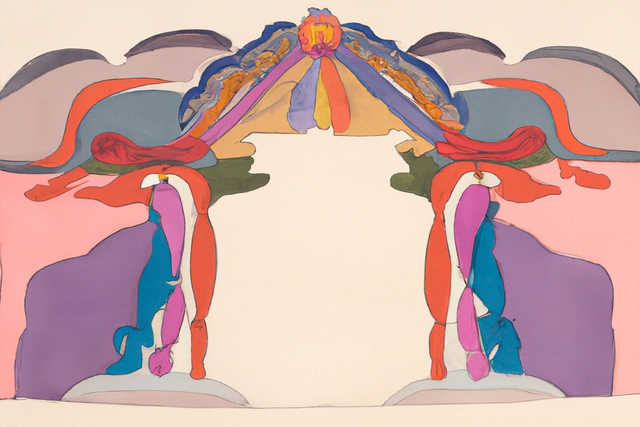
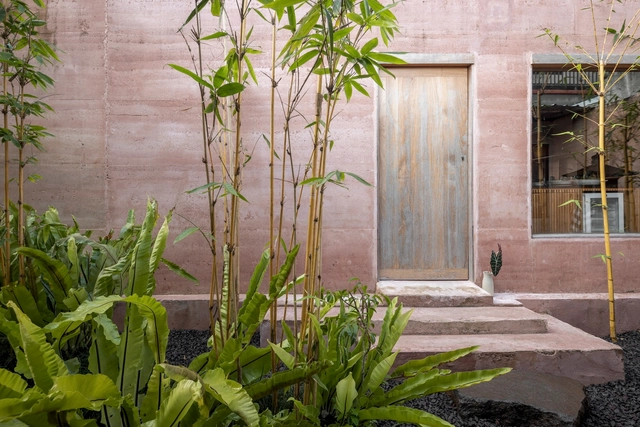
Disguise, makeup. Expression of the subjectivity of a group, language, or sign. Historical document, emblem of fleeting fashions. A crime. Ornaments have been interpreted in different ways and are considered one of the most degenerate sins of architecture. Resisting the temptation of decoration has become a virtue, a legitimate sign of authenticity and a possible future.
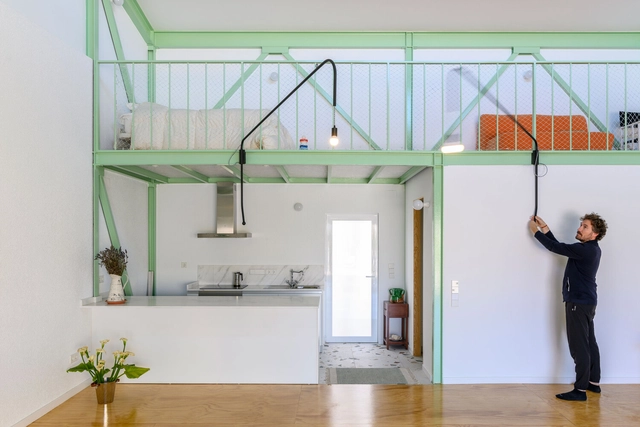
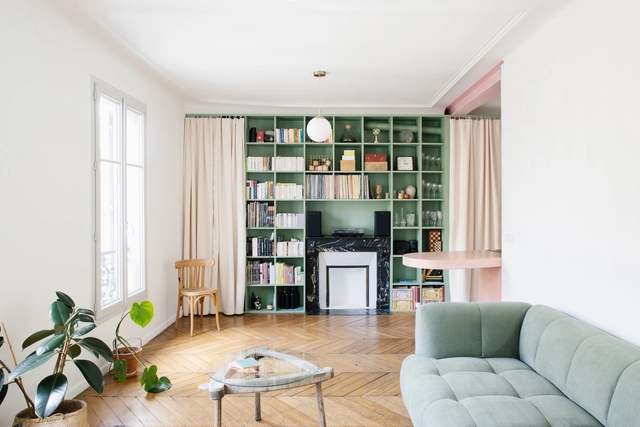
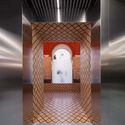
From their styling of a brand-new London show apartment, it's clear that design-duo 2LG Studio has eyes on both past and future. With a mix of new design furniture, vintage pieces and unique artworks, the interior comes across as contemporary and fresh. Image Courtesy of BoConcept
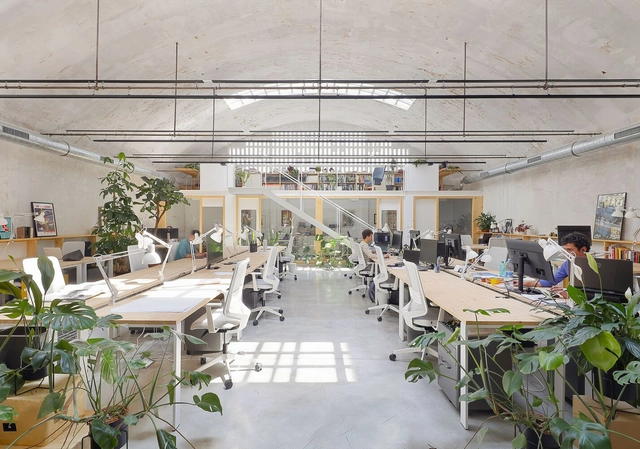
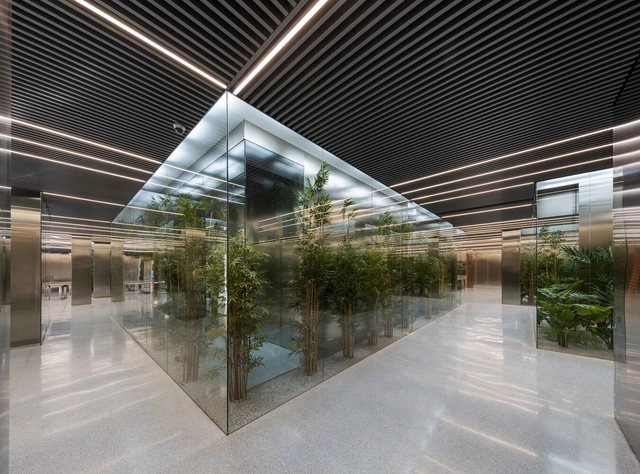
Thoughtful, captivating and spectacular; today’s interior designers are boldly demonstrating how to create statements through conceptual interiors. Whether expressing reserved minimalism, flamboyant playfulness or organic naturalness, there tends to be a strong and elaborate idea behind the interior concepts being developed currently. Just take a look at the increase in and popularity of design hotels, as well as the number of distinctive and highly stylized restaurants. The impact that our physical surroundings have on us –the shapes, colors, materials and lighting– plays a central role when new hospitality and retail venues are being developed. Interior design delivers definitive experiences and so can be cleverly implemented to speak to our senses and therefore induce specific emotions and reactions.
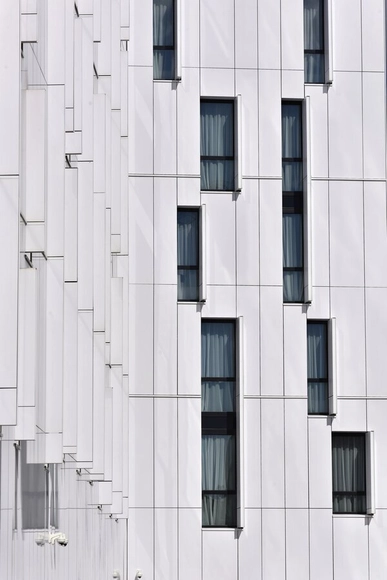
When it comes to facades, there are numerous options to consider to define both the appearance and the message a building seeks to convey. While glazed surfaces bring sophistication and evoke corporate environments, exposed concrete offers sobriety, and wood lends warmth, few materials are as versatile for facades as HPL (high-pressure laminate). With a wide range of dimensions, colors, and textures, these panels easily adapt to different architectural styles, opening up endless creative possibilities.
At first glance, building a pool right beside another body of water seems a little redundant. After all, why would someone choose to swim in a pool when they have a river or ocean to enjoy? However, for people with limited mobility and younger more inexperienced swimmers, natural bodies of water can prove both daunting and dangerous. Pools not only provide a controlled, secure space for them to enjoy aquatic activities, they also provide a connection with the surrounding landscape.