How to visualize architectural concepts in SketchUp using D5 Lite for faster design exploration.
How to visualize architectural concepts in SketchUp using D5 Lite for faster design exploration.
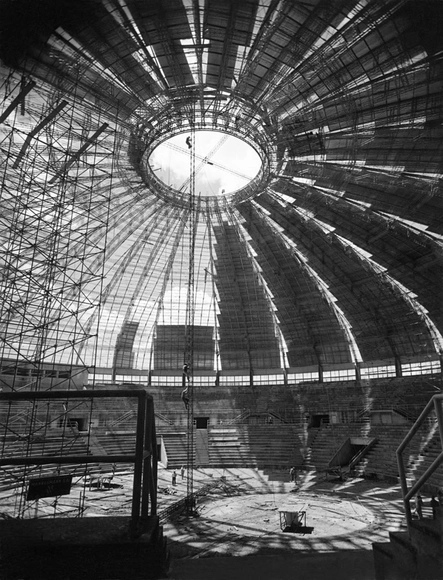
One of the leading names in Brazilian photography, Hans Gunter Flieg (1923) worked in the fields of industry, advertising, and architecture. His images document the country's industrial development and verticalization, particularly in the city of São Paulo, starting in the 1940s. Through highly technically sophisticated photographs, he documented industrial facilities, machinery, buildings, and objects, challenging the boundaries between the objectivity of documentary photography and formal rigor.
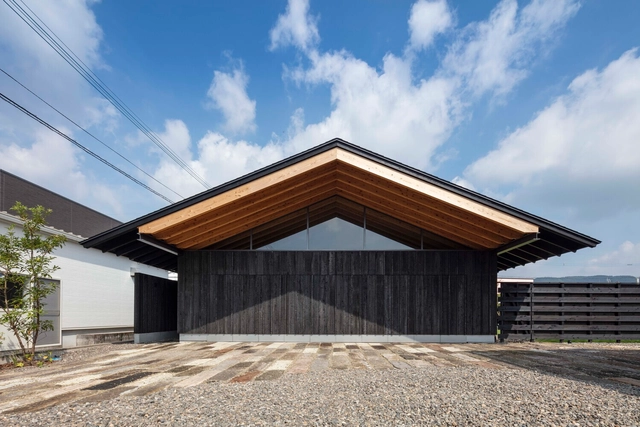
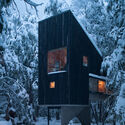
Ancestral, vernacular, minimalist and harmonious. For many, these words have come to define the architecture of Japan, a country that has long served as a source of cultural and technological inspiration for countless societies worldwide. Popular Japanese techniques have reached even the most remote corners of the globe, gaining traction across various fields that range from technical craftsmanship to digital innovation. Within the realm of architecture, the appropriation and reinvention of various materials and construction systems –such as the use of carbonized wood in facades– has been an enduring theme.
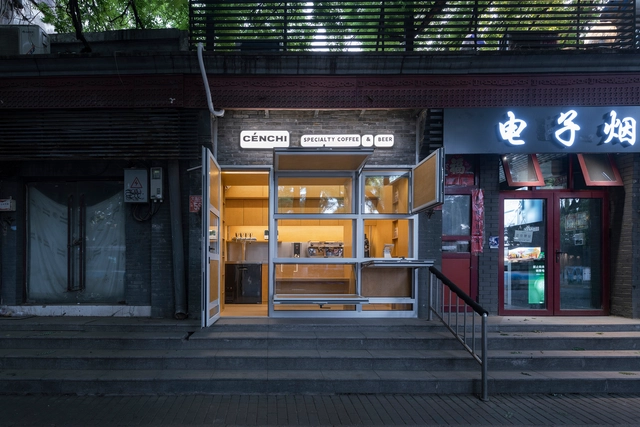

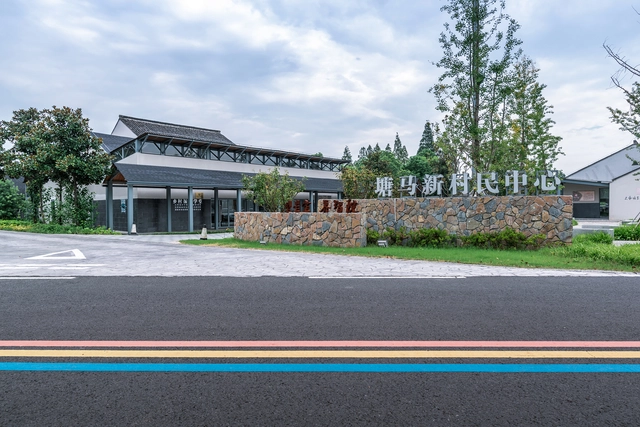
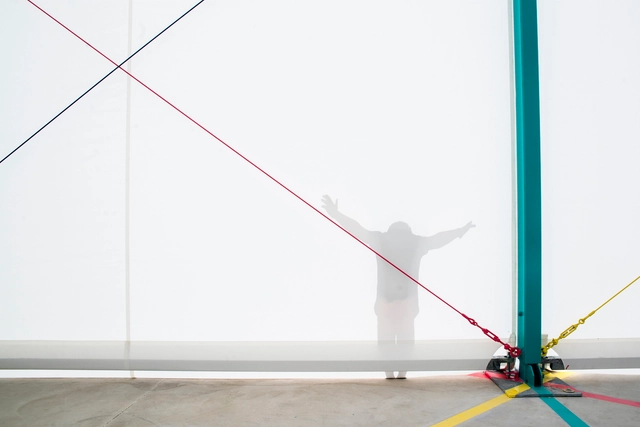
Color hues play an important role in the thermal comfort of buildings, influencing the absorption, reflection, and emission of thermal energy. Alongside the analysis of the local climate, solar orientation, and the qualities of construction materials, it is possible to design an integrated approach based on surface coatings that even helps save on utility bills. Learn how these variables can be combined to leverage color for the thermal performance of your project.
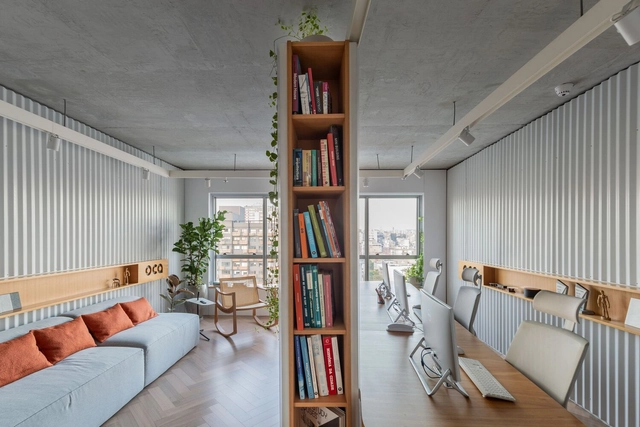
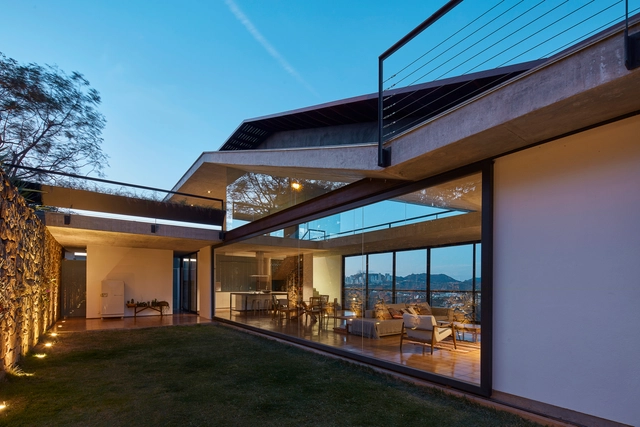
Architecture is generally understood as a positive construction—that is, tectonics, volume, an object in the world. And indeed it is. However, shifting the observer's perspective—from the distant, aerial view to the interior experience of the occupant—transforms the notion of the object in the world into a "world" in itself. Furthermore, it can also act as a frame, capturing and directing the gaze. Indeed, the view is a key element of architectural value, highlighting a specific angle of the outdoors and inviting the occupant to contemplate. The projects of TETRO Arquitetura highlight this interplay between form and frame.
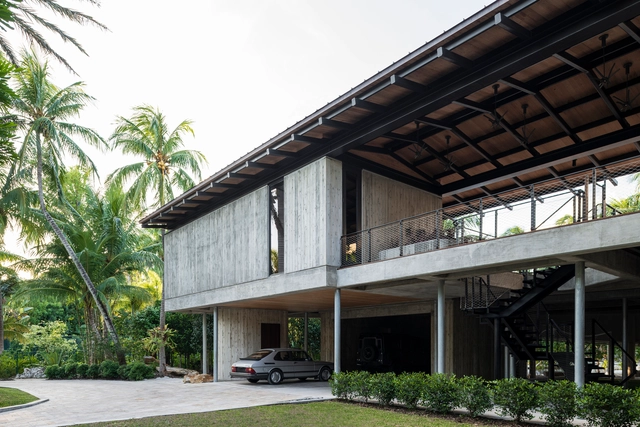

This Friday, August 25, Dostercios Editorial will host the launch of the book Enjundia in Concepción, the first collection of chronicles and essays by Chilean architect Nicolás Valencia.

Neuroarchitecture and environmental psychology are two fields based on the relationship between the physical environment and human behavior, yet they employ distinct approaches and practical applications. Learn about the differences between these fields and their practical applications in architectural and design projects.


The "Kilometer Zero" concept has been gaining popularity in contemporary architecture, promoting environmentally conscious approaches to reducing carbon emissions. One application of this concept is the blōma project by SPBR arquitetos, led by Angelo Bucci. The São Paulo-based firm's first project in Curitiba, the residential building was designed to prioritize local resources and labor.
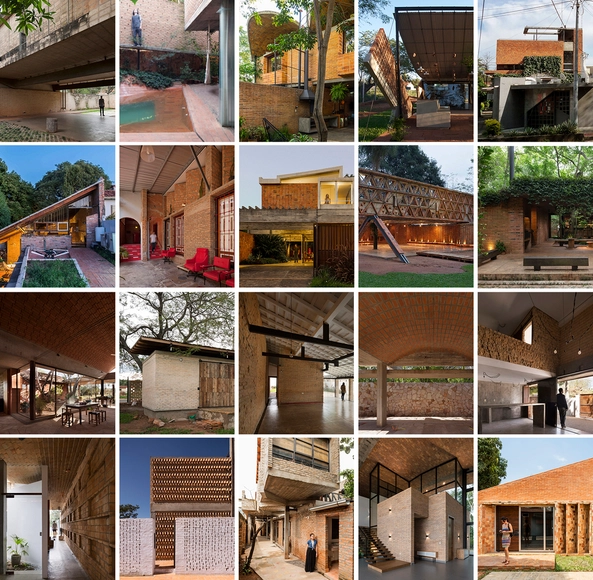
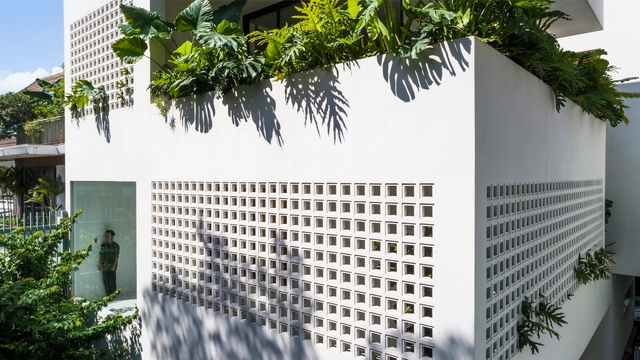
In Paraguay, brick can be many things. Walls, dividers, facades, sieves, vaults, floors, and pavement are just some of the many example that demonstrate, not only the variety of uses for brick, but the ingenuity of the architects who choose to utilize it in their projects.