
-
Architects: OPN Architects
- Area: 21214 m²
- Year: 2021
-
Manufacturers: Assa Abloy, ELEVATE, Interface, Accoya Charred Siding (Shou Sugi Ban), Allsteel, +15
-
Professionals: CCI Group, M2B Engineers

On Wednesday, August 23, the first episode of a new documentary series exploring Al Borde's projects will be released. Building with Living Trees dives into the stories behind Casa-Jardín, a single-family residence located on the outskirts of Quito.


The film Volume II: Inhabiting the Territory is part of the project From the Periphery, which comprises a trilogy of documentaries exploring various themes related to contemporary Latin American architecture.
This second installment is an audiovisual essay focusing on the academic practice of the Talca School of Architecture and its relationship with the inhabitant, the landscape, and the materiality of Chile's Central Valley through the experience of the Taller de Obras. Specifically, the narrative is set during the 2006 edition of the course, held in the town of Curtiduría under the theme of vulnerability as the workshop's central axis.

Ministry of Ecology, Spatial planning and Urbanism of Montenegro announced an International Competition for a Conceptual Architectural Design of the Emergency Centre within the Complex of the Clinical Centre of Montenegro.

Lithuanian State enterprise Turto Bankas announced an open international architectural competition for a new Ministries Quarter in Vilnius. Competition was announced on 29th of June 2023, when all the Competition documents were made publicly available in the CVP IS system (Central Public Procurement Information System - https://pirkimai.eviesiejipirkimai.lt/ - a digital platform for public procurement procedures). The link to the Competition documents: https://pirkimai.eviesiejipirkimai.lt/ctm/Supplier/PublicPurchase/716832/0/0?returnUrl=&b=PPO
How to register to the Central Public Procurement Information System (CVP IS):
https://vpt.lrv.lt/uploads/vpt/documents/files/EN_version/E-Public_Procurement/CVPIS_How_to_register_in_CVP_IS.pdf
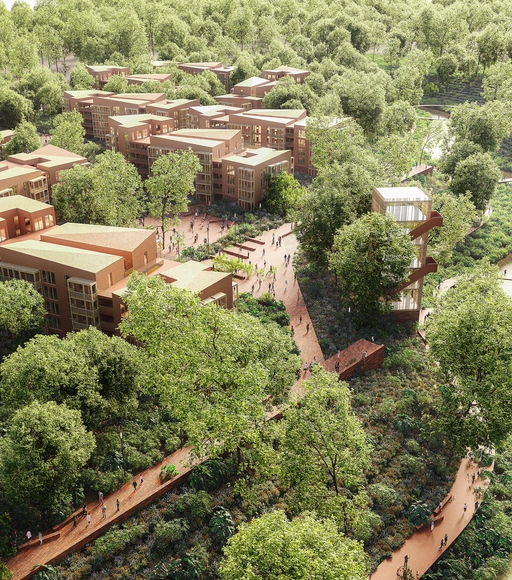
The Mayor's Office of Bucaramanga, together with the Colombian Society of Architects, sought innovative proposals for the orderly and sustainable development of Bucaramanga's urban peripheries in Colombia. Through viable, long-term management, financial, social participation, and regulatory models, the initiative aimed to foster the creation of a “Nuevo Norte” (New North) as a key central hub for the city and its metropolitan area, serving as an epicenter for inclusive, cohesive, productive, biodiverse, connected communities with high-quality habitats.
The public ideas competition for the territorial occupation model of the municipality's North Border aimed to gather urban proposals that integrate the needs and opportunities of both rural and urban environments. In this competition, the jury—composed of José Alejandro Gómez Suárez, Giovanna Vittoria Spera Velásquez, Helga María Rivas Ardila, Diana Wiesner Ceballos, and Manuel Sánchez Ruiz—awarded first prize to TA – El Taller De Arquitectos. Read on to learn more about the winning project.

Never Enough Architecture (NEA) is launching a new initiative that joins education and contests. The initiative combines traditional architecture competitions with free expert-led courses, giving participants a comprehensive understanding of the contests’ central topics.
On August 24, Romano Guerra Editora will release the book Arquitetura e escrita: relatos do ofício, which brings together twenty-four interviews with Brazilian and international architectural historians and critics from various theoretical and professional backgrounds, academic disciplines, and generations. Mostly previously unpublished, the interviews were conducted both in response to local interest in the subjects and to reflect the global momentum of theoretical and historiographical debates in the field over recent decades.
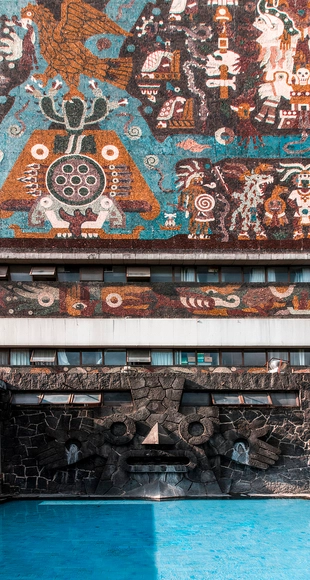
From the pre-Columbian period of the Americas –during which cultures such as the Olmec, Maya, Purepecha, and Mexica (Aztec) thrived– to the modern era where architecture has been influenced by social movements and even natural disasters, Mexican architecture showcases a valuable architectural expression, with its own unique voice and distinctive characteristics. Nobel Literature Laureate Octavio Paz argued that architecture is an incorruptible witness to history. Likewise, the materials used to shape it have acted as protagonists of that history, enduring in many cases over time and evolving thanks to the generations of architects who have contributed to it, from different perspectives.
To trace a timeline, it is possible to take as a starting point pre-Hispanic architecture, which exhibited a diversity of nuances due to Mexico's vast territorial extension. This allowed diverse cultures to find their niche and develop their characteristic architectural styles. Subsequently, the era of Spanish colonization, which itself drew influence from Islamic architecture, represented a noteworthy turning point in architectural development. This phase endured until the advent of Mexican Independence in the 19th century. In turn, this marked the initiation of social and cultural movements, both during and after the Mexican Revolution in the early 20th century.

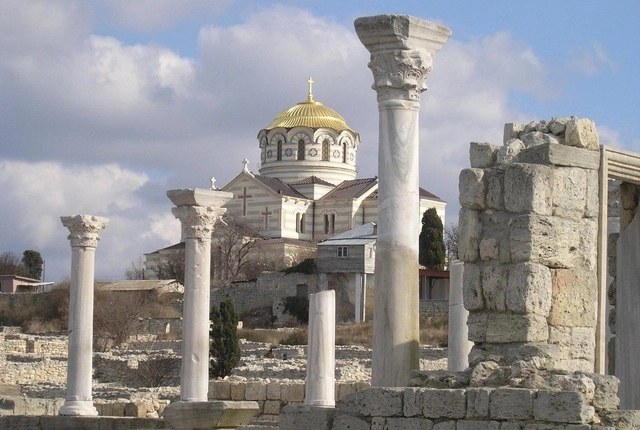
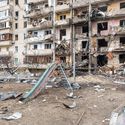
An International European cultural project, U-RE-HERIT, launched an initiative to protect Ukraine’s architecture, heritage, and memory. This wide consortium of architectural institutions came together to reach a common goal of preserving Ukrainian culture. With the ongoing crisis, the project aims to address heritage as a resource for cultural, social, environmental, and economic recovery. Moreover, the project hopes to redefine local cultural identity and rebuild the city with the sensitivity of collective memory.
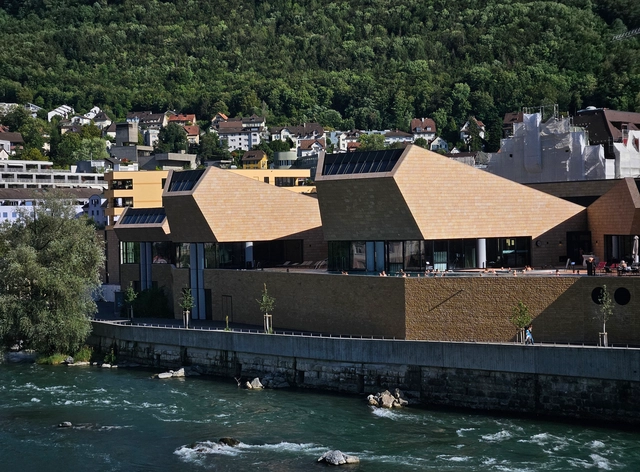
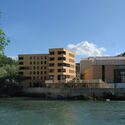
Fortyseven is a novel thermal wellness spa designed by the architect Mario Botta, nestled alongside the Limmat River in Baden, Switzerland. Baden, renowned for its rich cultural and wellness offerings, boasts a spa heritage that extends over thousands of years. The Fortyseven Thermal Wellness Spa has revitalized this historical legacy by presenting wellness culture through a modern lens. Designed by Mario Botta, this project offers an immersive encounter for the body, mind, and soul. The essence of the site and its design is captured by the lens of architectural photographer Paul Clemence, in his latest series.
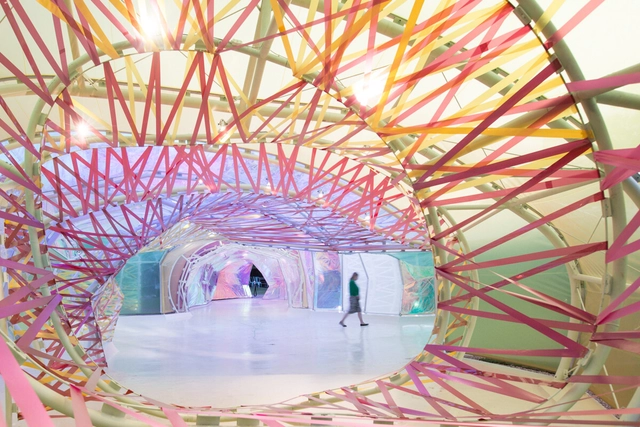
Colors are much more than just aesthetics. They can tamper with the sensations a space conveys, how we perceive the environment, and even comfort issues. With so many factors that they can influence, using them is not an easy task, and that is why many architects choose to stick with the classic white, grayscale, or even exposed materials to avoid any possible visual conflict. However, some architectural practices dare to use bold color palettes and create unique works that stand out precisely because of how colors help compose the project.
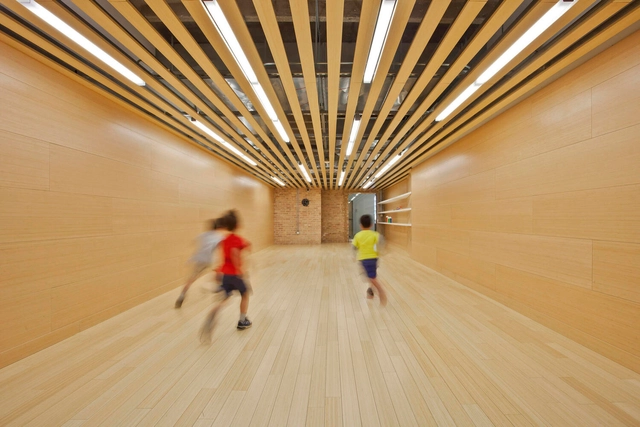
If you find yourself baffled by the confusing world of baffle paneling, don’t be concerned. That’s what they’re there for. The purpose of baffles of any kind – and where they take their name – is to confuse matter. In other industries, baffles are used to direct water flow, to control airflow and heat exchange, and to stop traffic from traveling too quickly.
When used in the scientific world of acoustics, baffles are positioned to disrupt sound waves by projecting out into our busiest environments, to catch, absorb and soften the sound, either in naturally noisy or specifically quiet areas or to selectively filter sounds from making a return journey. That doesn’t mean, however, that the slatted sight of regimental baffles can’t give an aesthetic advantage to interiors, providing often much-needed visual activity to an otherwise bare ceiling.

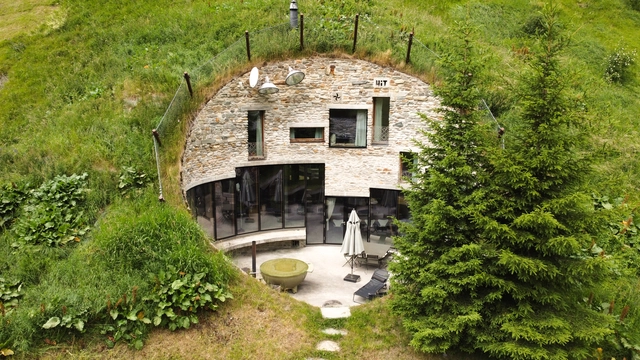
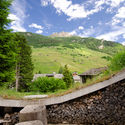
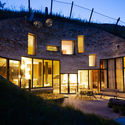
The rustic village of Vals in the Swiss Alps is one of the country’s most picturesque areas, located at an altitude of 1250 meters above sea level with numerous exceptional projects. The main square is surrounded by original Vals houses roofed with stone tiles made of Vals quartzite. Throughout the years, the village maintained its authentic residential and rural typology, making sure that its agriculture and rural fabric remained intact. Perhaps the most powerful natural resource of the Vals Valley, one that has nurtured its landscape and wilderness, is the water. For millions of years, ice and rain have forged the deeply-cut topography, and provided the village with a 30-degree thermal source, the only one in the Grisons Canton which springs straight from the ground.
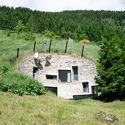
One of the most notable architectures in Vals is The Thermal Spa designed by 2009 Pritzker Laureate Peter Zumthor. The secluded structure is built with local quartzite, a stone that blends the elements of water and stone to create “the perfect wellness experience”. Another iconic architecture tucked within the mountains of Vals takes advantage of the local material, structural typology, and topography, a project that leaves the original landscape intact and subtly intervenes to create a one-of-a-kind award-winning vacation home; The Villa Vals.