How to visualize architectural concepts in SketchUp using D5 Lite for faster design exploration.
How to visualize architectural concepts in SketchUp using D5 Lite for faster design exploration.
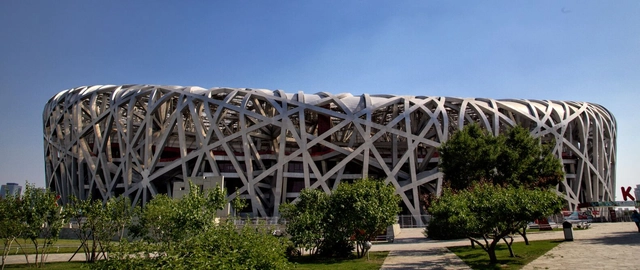
To convey the might and prestige of their empire, the Romans constructed enduring architecture as symbols of their long-lasting reign. Emperors employed grand public works as assertions of their status and reputation. Conversely, Japanese architecture has long embraced ideas of change and renewal, evident in the ritualistic rebuilding of Shinto shrines. A practice, known as shikinen sengu, is observed at Ise Jingu, where the shrine is purposefully dismantled and reconstructed every twenty years. Across the world, philosophies around permanence and impermanence pervaded architectural traditions. Amidst the climate crisis, how do these tenets apply to modern architectural design?


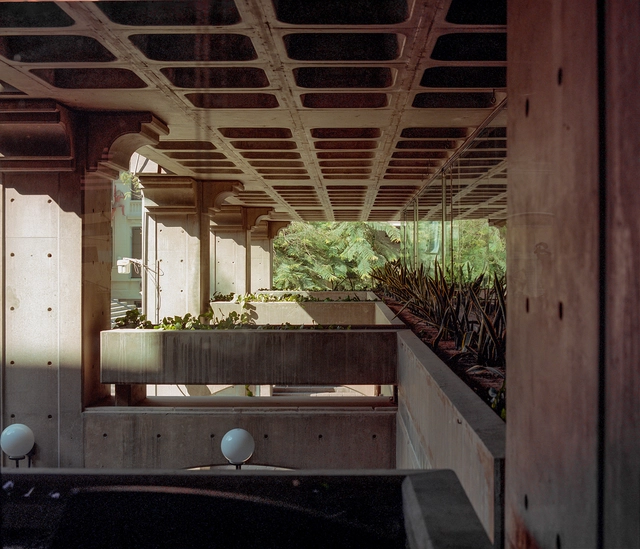
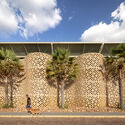
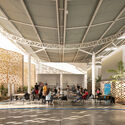
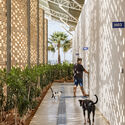
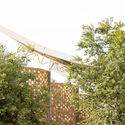
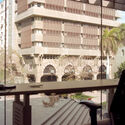
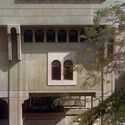
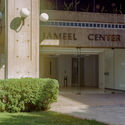
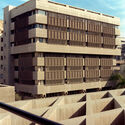
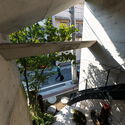
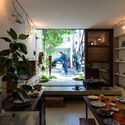
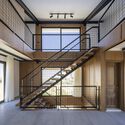
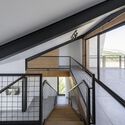
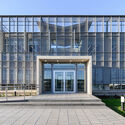
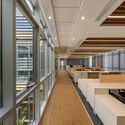
In Downtown Cairo, the Jameel Center pays homage to modernism and Mamluk architectural heritage. The Abdul Latif Jameel Center for Middle East Management Studies illustrates effective and adaptable architecture. The old business education building, a monument in Cairo's multi-layered architectural and academic heritage with staple elements such as concrete façades, has Mamluk-inspired arches, and wooden mashrabiyyas. Photographer Ebrahim Bahaa Eldin captures this unique architecture and its surrounding environment.
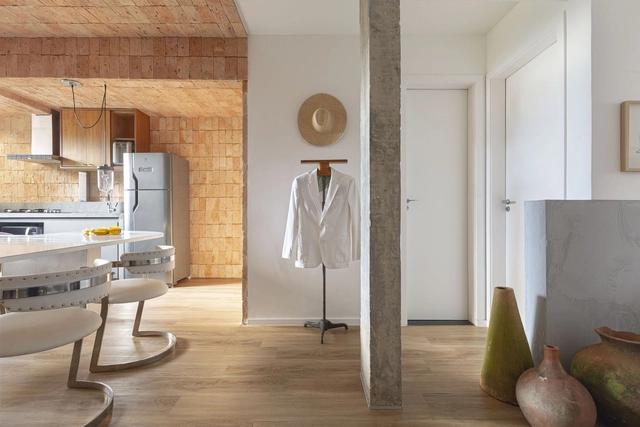
One of the most popular choices in the construction market, vinyl flooring has various characteristics that have elevated it to this level. Composed mainly of polyvinyl chloride (PVC) - and with other additives, depending on its production, such as plasticizers, fiberglass, resins, and/or minerals - it is a durable, affordable, and easily installable material that can be applied in a variety of environments.
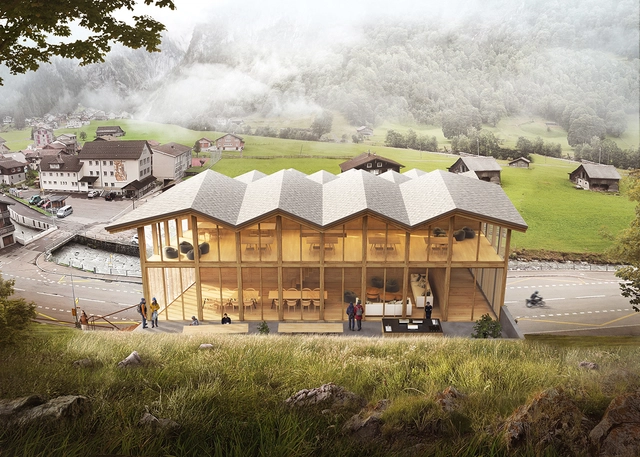
Urban environments are constantly evolving, with cities becoming the hubs of cultural diversity and economic life. In fact, the globe is speeding towards a future in which 70% of people will live in cities by 2050. Architects are at the core of this revolutionary movement, rethinking the nature of a city due to this urban surge. In response to this immense focus on newer and more diverse cities, architects and designers are leaning towards multifunctional and mixed-use projects. Attracting diverse crowds of people, mixed-use architecture explores the maximum potential of what a structure can serve.
Highlighting architecture firms such as Atelier 333, MOR Architects, BXB studio Bogusław Barnaś, Beek Architects, Frey Architekten, and Kalbod Design Studio, among others, the forthcoming exploration unveils a collection of unbuilt architectural projects submitted to ArchDaily that champion multi-function in their design. From the innovative Plata.forma in Laqlouq to the maritime haven of The Ark and the Swiss House's harmonious alpine blend, these projects redefine urban living.
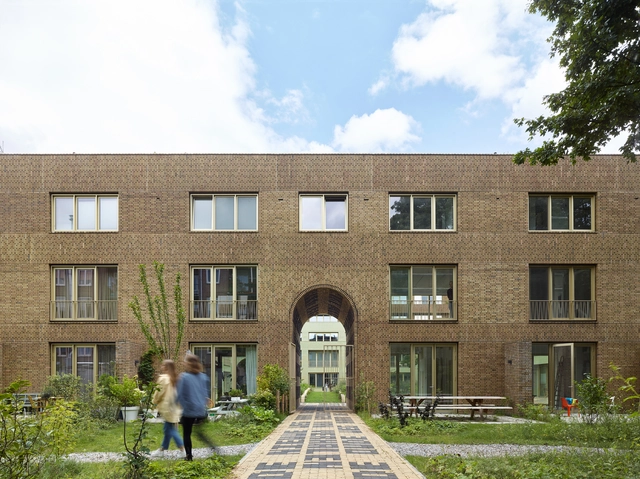


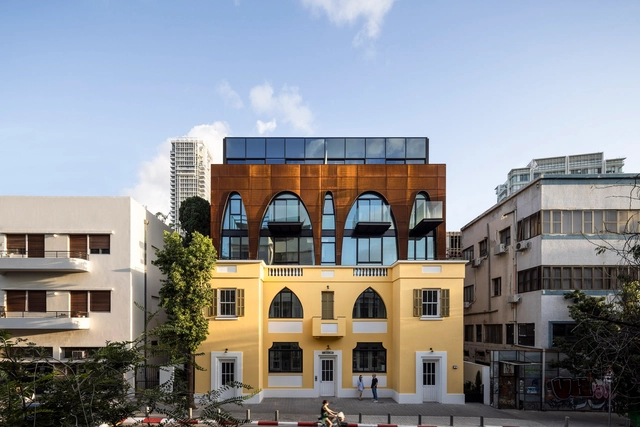

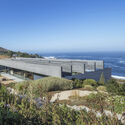
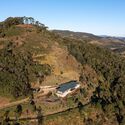
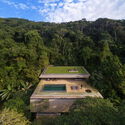
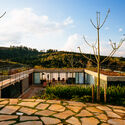
Sloping terrains, hillsides, and mountains present challenges for architects and engineers alike, but they also offer the potential to create unique homes that embrace their context. Following a careful study of the topography, soil, drainage, and access to power and water systems, designing how to integrate the house with the landscape, establishing its aesthetic, and, above all, ensuring a safe and welcoming environment is the responsibility of the architects.
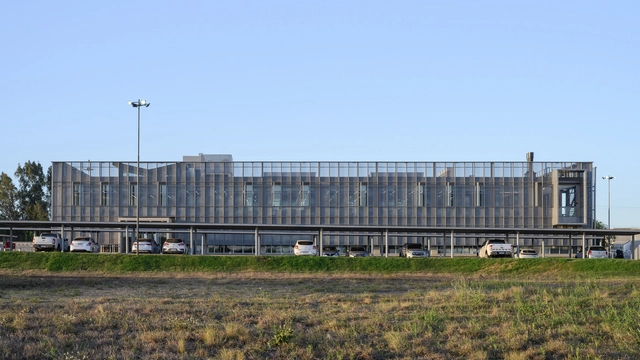
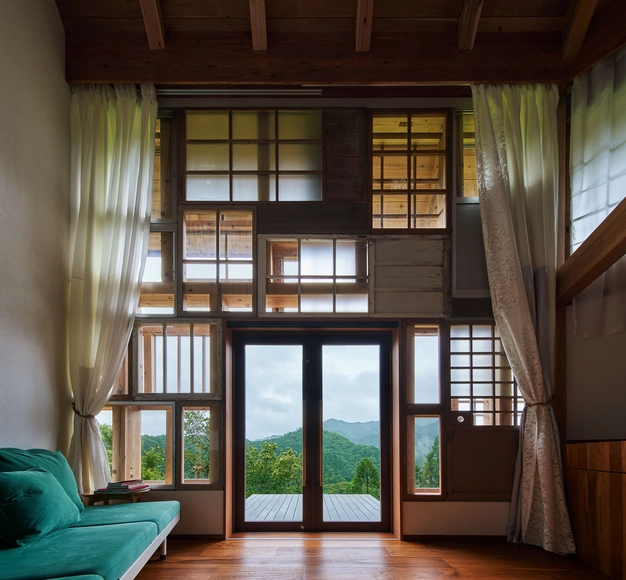
A vital aspect of a circular economy lies in shifting our view of waste. Labeling an item "waste" implies voiding its value and ending its useful role in a traditionally linear economy. While the item might be out of sight and out of mind, its life continues in the landfill. This shift in perspective regarding waste means opening our minds to the opportunity that the abundance of junk presents. These designers and architects have managed to not only effectively reclaim discarded objects but also to make them look precious, imbuing them with new meaning and value through their careful curation.
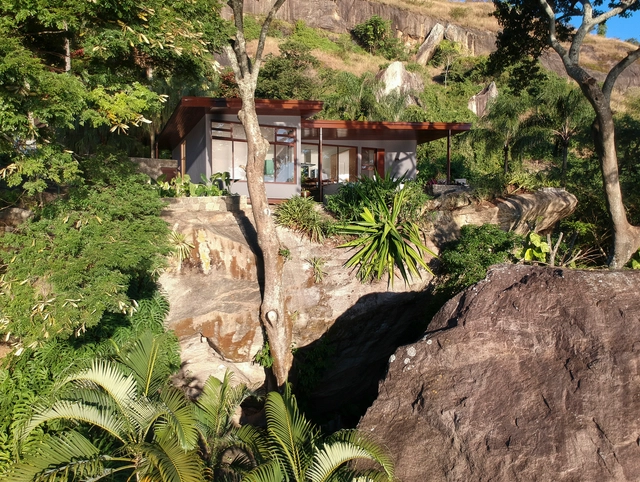
Italian architect Vittorio Gregotti frequently asserted that “creating the place” is the primordial architectural act, its very origin, since simply placing a stone on the ground already marks the beginning of the “modifications” that will transform a site into architecture. Driven by this urge for transformation, we see ideas materialize into relationships and concepts that often bring the genius loci to the fore through a phenomenological approach, establishing an intimate connection between architecture and context, redefining places, and reaffirming the human connection to the world.

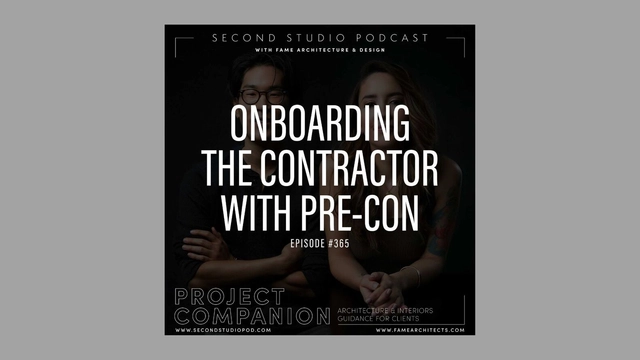
The Second Studio (formerly The Midnight Charette) is an explicit podcast about design, architecture, and the everyday. Hosted by Architects David Lee and Marina Bourderonnet, it features different creative professionals in unscripted conversations that allow for thoughtful takes and personal discussions.
A variety of subjects are covered with honesty and humor: some episodes are interviews, while others are tips for fellow designers, reviews of buildings and other projects, or casual explorations of everyday life and design. The Second Studio is also available on iTunes, Spotify, and YouTube.
This week David and Marina of FAME Architecture & Design discuss the different ways contractor’s are hired and the pros and cons of each: Negotiated Agreement, Competitive Bidding, Design Build, and Pre-Construction. The two cover the processes, the role of the architect throughout, controlling project costs, and more.