-
Architects: maisam architects
- Area: 1100 m²
- Year: 2001


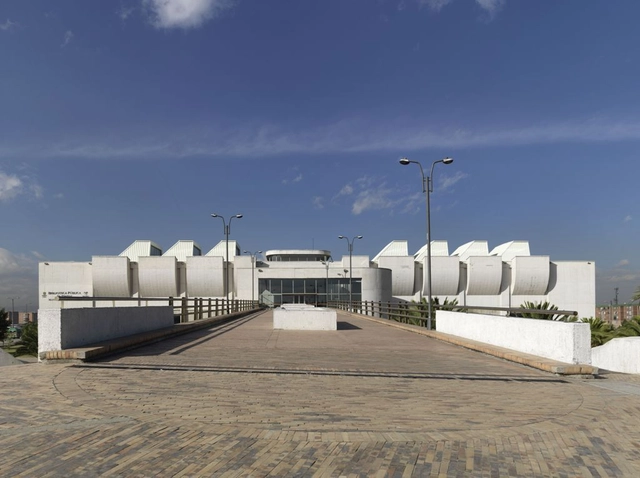
El Tintal Library is the result of reusing a former disused waste transfer plant and transforming the 5-hectare site into a park along Avenida Ciudad de Cali with 6th Street. The rescued building from ruin was a 25-meter-wide by 72-meter-long industrial warehouse with a total area of 3,600 m², distributed over two floors of considerable height. Built with a sturdy concrete structure and large spans, it was adaptable to new use, enhancing its robust and industrial appearance.
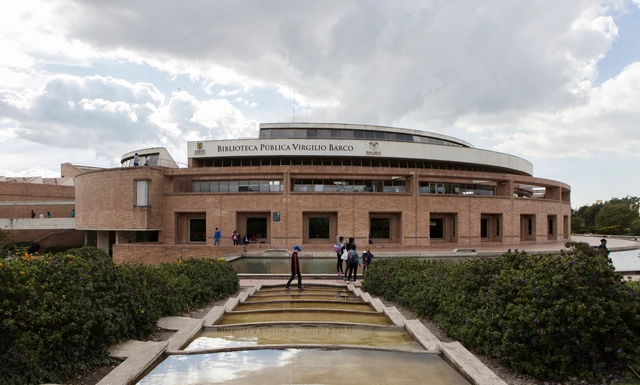
Located in the Teusaquillo neighborhood, in the northeastern sector of Bogotá, the Virgilio Barco Library forms a complex integrated by the Simón Bolívar Metropolitan Park and the Virgilio Barco Library Park. The consolidation of the social, recreational, and cultural development center displays the library a particular approach between the built work and the natural capital environment. Through its tour, it progressively reveals the solution of a program designed to form a cultural and landscape ensemble omitting its position within the city.
Recognized as one of Rogelio Salmona's emblematic works, its circular forms open to the environment attract between 60,000 and 65,000 visitors a month. Initially, it was to be called the Simón Bolívar Park Library, due to its proximity to the metropolitan park, but because of the patronage it received from former Colombian president Virgilio Barco, it ended up taking his name.




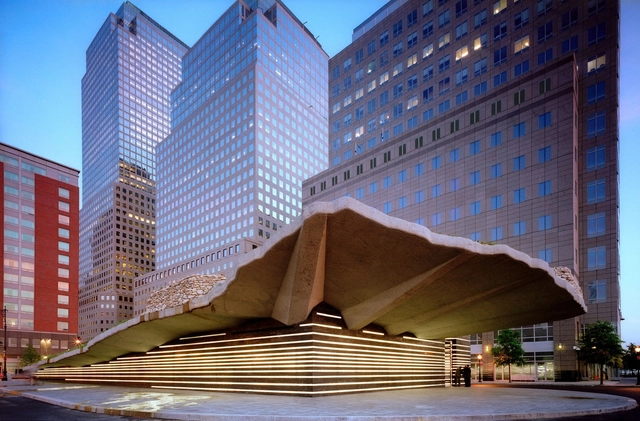
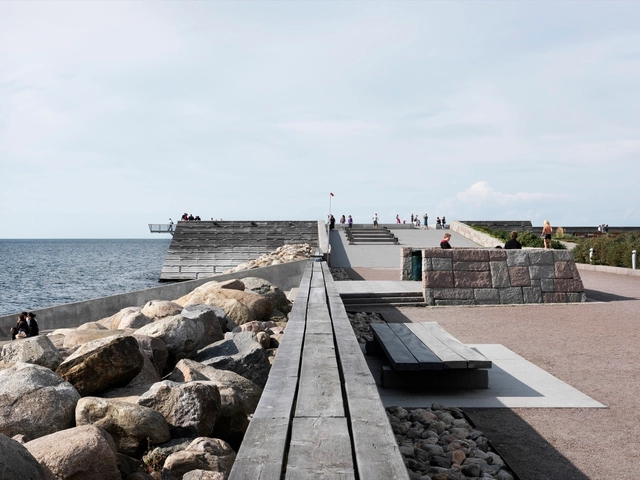
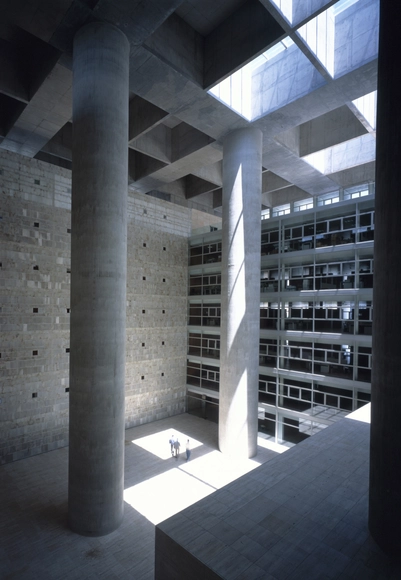
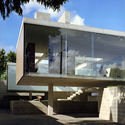
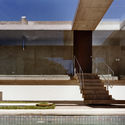
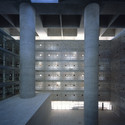
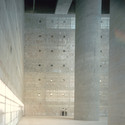
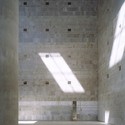
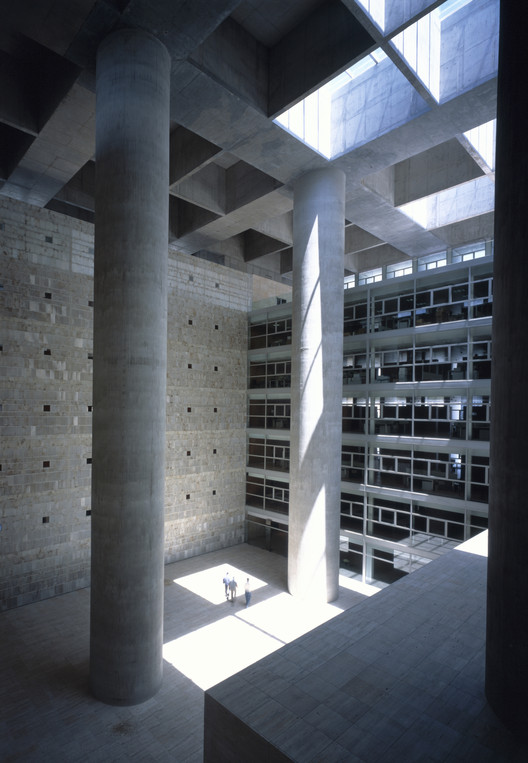
The city of Granada in southern Spain is well reputed for its architectural heritage. It counts among its treasures the Alhambra and the Generalife, two of the finest triumphs of Moorish culture, in addition to countless works of European lineage from the centuries following the Reconquista. Since 2001, Granada has been able to lay claim to one of Spain’s finest contemporary projects as well, the Caja Granada Savings Bank, designed by the since-established firm of Alberto Campo Baeza.
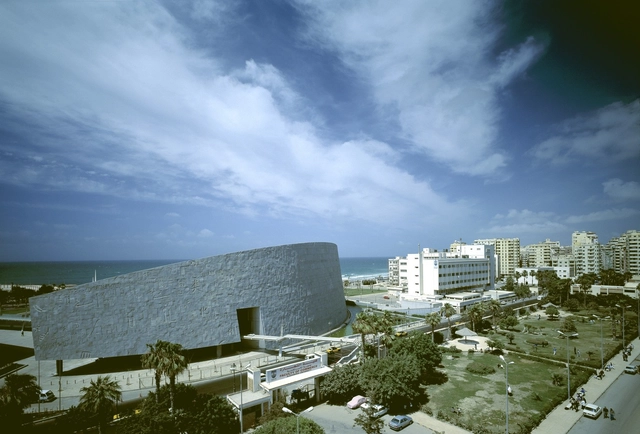
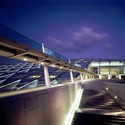
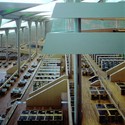
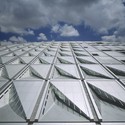
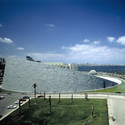
The Bibliotheca Alexandrina on Egypt’s Mediterranean Coast is a spectacular, state-of-the-art facility with an unresolved architectural identity. Commissioned in 1989 as a contemporary resurrection of the fabled Library at Alexandria once venerated throughout the ancient world, the present building was intended to serve as a city’s connection to history and heritage. But its stark modernity and technological innovations make it decidedly more forward-looking than historically referential, a cosmopolitan exploration of form and engineering perhaps longing for a stronger sense of regional belonging.
To some critics, the library has political overtones that obfuscate its architectural message, at worst acting as a monument to political posturing whose utility and conceptual integrity is only of secondary concern. And while critical scrutiny of the project necessitates its political and socio-historical contextualization, the building's architecture—the competition-winning design submitted by Norwegian firm Snøhetta—is worth appreciating and evaluating as an autonomous object and as a precedent for contemporary library design.