-
Architects: Andrade Morettin Arquitetos Associados
- Year: 2013
-
Manufacturers: Ananda, Day Brasil, Induparket


In her Sesc Pompéia theater, architect Lina Bo Bardi designed a central stage revealing the structure and all the functions of the theater's program, and renouncing traditional theater seating. Her seats were not upholstered, were close to each other, and encouraged a more aware, attentive, and upright posture among the audience, thus honoring, according to her, the ancient art of theater.
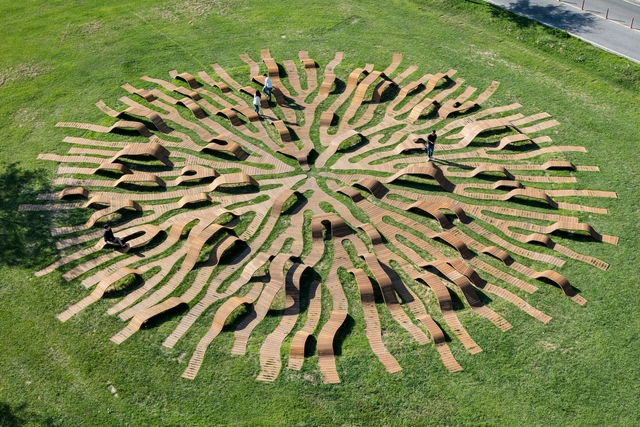
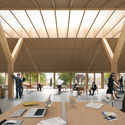
In the same way that the characteristics of architectural spaces alter our mood, feelings, concentration, and learning, so does the integral design element of furniture, which must be taken seriously when considering comprehensive user experiences. Regarding schools and learning environments in particular, the same attention given to teaching materials is often not conferred on furniture and physical structure.


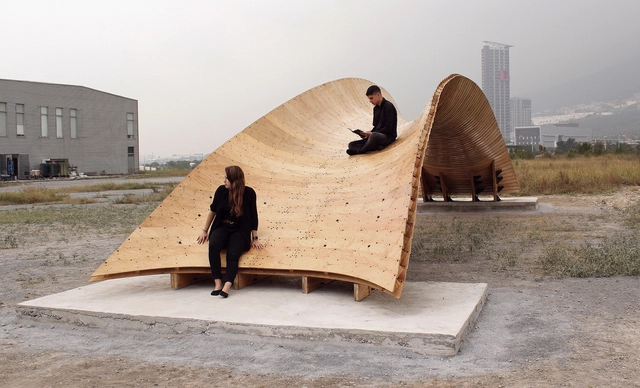
OSB (Oriented Strand Board) can be easily recognized for its distinctive appearance. This material consists of cross-oriented layers of wood strands compressed and bonded together with resin, applied under high pressure and temperature. As a result, the standardized panels have great stiffness, strength, and stability, and are often used as wall cladding attached to the steel frame of a building or as partitions. Also, they have good soundproofing capabilities, since the panels are uniform and have no internal gaps or voids. It is also worth mentioning that OSB can be fully recycled, thereby being considered eco-friendly.
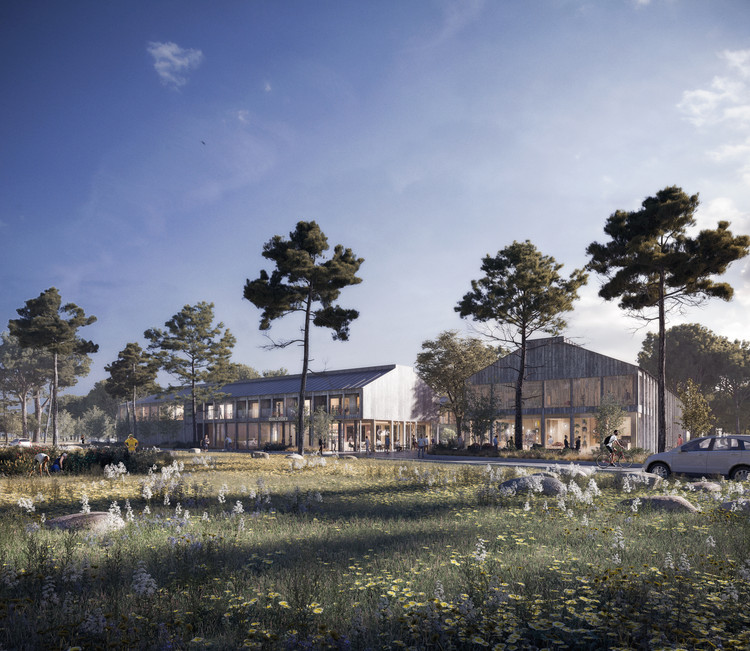


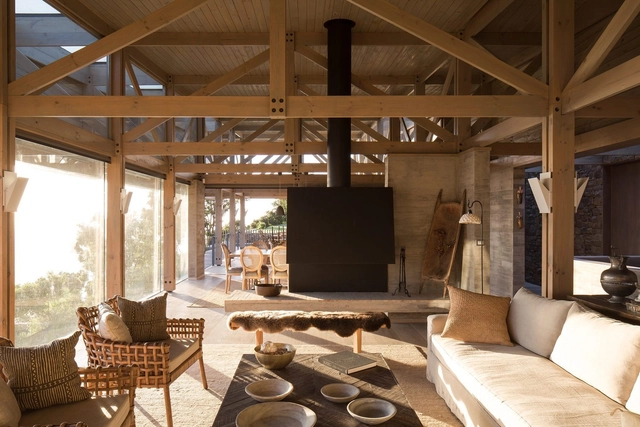
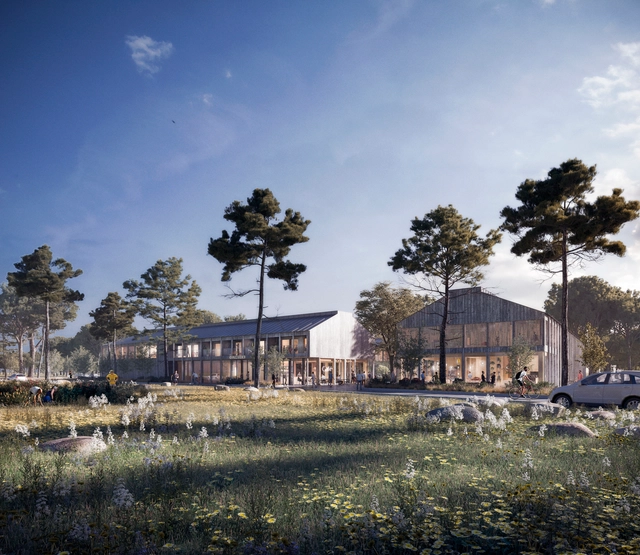
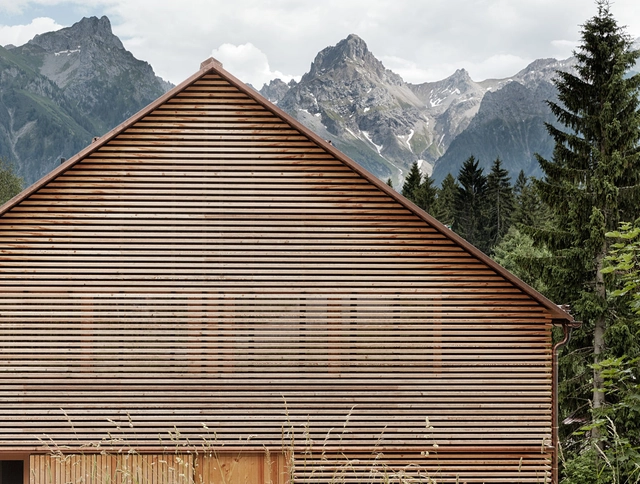
The world of architecture and construction has observed, with increasing attention, technological innovations involving wood. Although it is a material that has been widely used for thousands of years, recent research involving industrial manufacturing and machining technologies has provided even greater quality control and an increased diversity of uses, causing it to be described by many as the material of the future. To this end, common myths including wood's lack of resistance to fire and the implausibility of using it to structure tall buildings have been debunked.


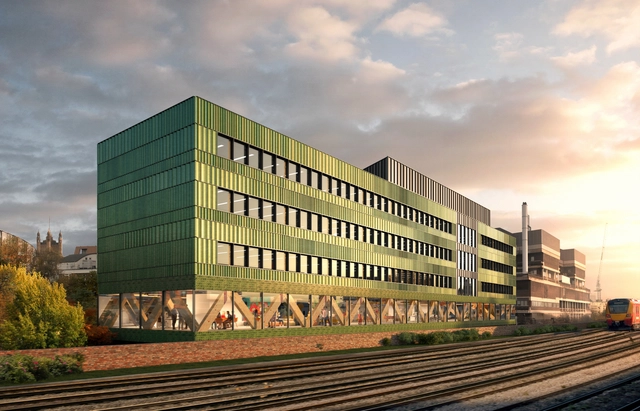
In California, the Governor’s Forest Management Task Force and the Office of Planning and Research announced the winners of their first-ever competition designed to highlight a category of engineered wood products known as mass timber. As the need for forest, wildfire, climate, and housing solutions grows, California is moving to expand the use of these innovative wood products, which have the potential to sequester carbon, drive healthy forest management, and increase affordable housing in California.

This article was originally published on The Architect's Newspaper as "Architects apply the latest in fabrication, design, and visualization to age-old timber."
Every so often, the field of architecture is presented with what is hailed as the next “miracle building material.” Concrete enabled the expansion of the Roman Empire, steel densified cities to previously unthinkable heights, and plastic reconstituted the architectural interior and the building economy along with it.
But it would be reasonable to question why and how, in the 21st century, timber was accorded a miracle status on the tail-end of a timeline several millennia-long. Though its rough-hewn surface and the puzzle-like assembly it engenders might seem antithetical to the current global demand for exponential building development, it is timber’s durability, renewability, and capacity for sequestering carbon—rather than release it—that inspires the building industry to heavily invest in its future.