
-
Architects: Perkins&Will
- Year: 2016
-
Manufacturers: Alucobond, Keith Panel Systems, Vitrum



This article, written by Svetlana Kondratyeva and translated by Olga Baltsatu for Strelka Magazine, examines the most interesting cases of the role of culture in sustainable urban development based on the UNESCO report.
UNESCO published the Global Report on Culture for Sustainable Urban Development in the fall of 2016. Two UN events stimulated its creation: a document entitled Transforming our World: the 2030 Agenda for Sustainable Development, which emphasizes seventeen global goals for future international collaboration, was signed in September of 2015 at the Summit in New York. Habitat III, the conference held once in twenty years and dedicated to housing and sustainable urban development, took place in Ecuador in October of 2016. The question of culture’s role in urban development, and what problems it can solve, was raised at both events. To answer it, UNESCO summarized global experience and included successful cases of landscaping, cultural politics, events, and initiatives from different corners of the world in the report.


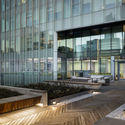
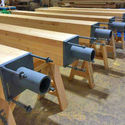
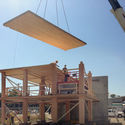
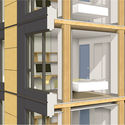
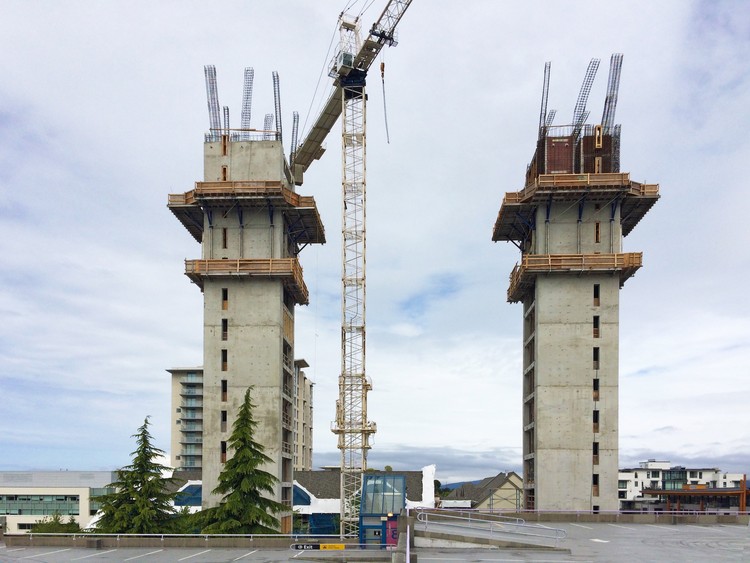
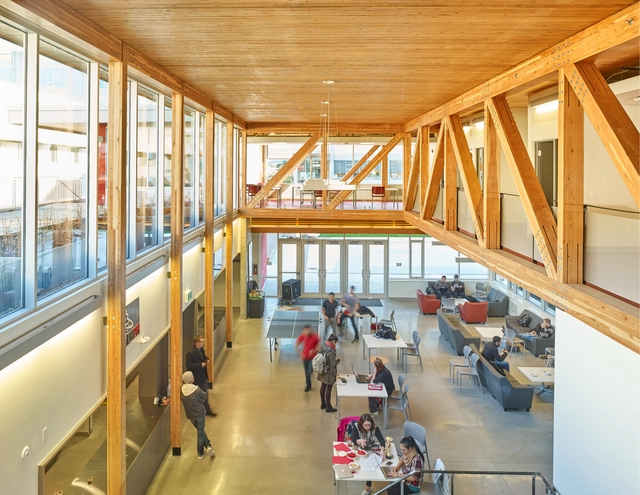
Topping out two weeks ago, the structure of Brock Commons, currently the tallest timber structure in the world, is now complete. Measuring in at 18 stories and 174 feet (53 meters) tall, the building was completed nearly four months ahead of schedule, displaying one of the advantages of building tall buildings with wood.
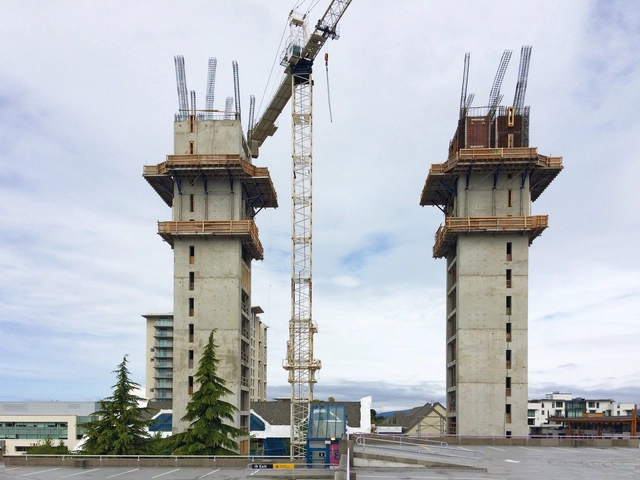
Construction is underway in Vancouver for the world’s tallest timber tower by Acton Ostry Architects. The 18-story Brock Commons Student Residence at the University of British Columbia, which began construction in November 2015, will be completed in the summer of 2017. At 53 meters tall, with housing for 404 students, it will be the tallest mass wood hybrid building in the world. The structure’s two freestanding concrete cores will be completed by the end of May, after which, the erection of the mass wood structure will take place.
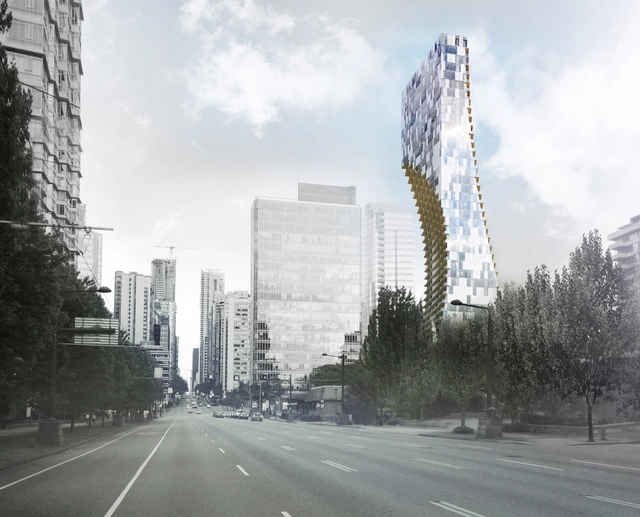
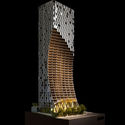
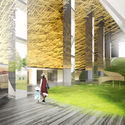
Kengo Kuma and Associates has revealed plans for the office’s first North American skyscraper, a mixed-use luxury tower on a site adjacent to Stanley Park in Vancouver. Known as ‘Alberni by Kuma,’ the 43-story tower combines 181 residences with retail space and a restaurant in a rectilinear volume accented by "scoops" on two sides. These curvatures are the building’s most important formal attribute, while a moss garden at the tower's base is its most important spatial feature. The project is being organized by Westbank and Peterson, and is part of a group of architecturally significant projects being developed by the pair in the west coast city.


Turncoats, the irreverent architectural debate society from London, is launching an international series, starting chapters in Canada, Scotland, Serbia and the US. Originally created by Phineas Harper, Maria Smith and Robert Mull, Turncoats has “electrified London’s architectural scene” since its inception.
Combining architectural debate with unique settings, alcohol, and an absence of recordings or wireless devices, Turncoats has gathered significant attention, their signature flaming envelope emblem appearing on lapels across the city, and soon all over the world.
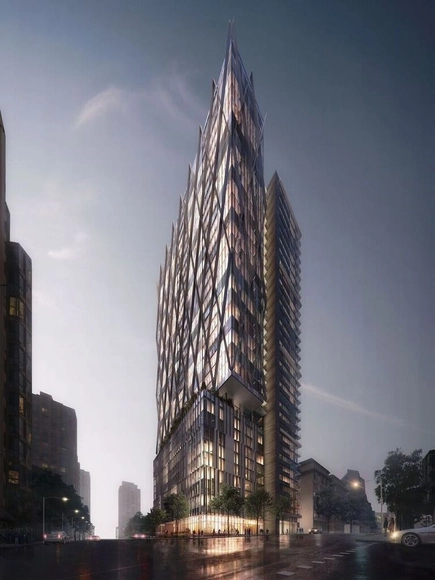
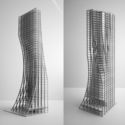
GBL Architects' 8X Tower in Vancouver has won approval to be built, with construction set to begin in the fall. The site is located at the western corner of Richards and Helmcken Street in Vancouver’s Yaletown neighborhood. The building’s conceptual design combines the context of three surrounding areas: Emery Barnes Park, which flanks the western edge of the site; the grid of the nearby streets; and the Yaletown skyline which displays a wide range of architectural styles.

The City of Vancouver has agreed to purchase the Arbutus Corridor from Canadian Pacific Railway for $55 million to make way for a future public greenway. According to a report by CBC, this ends a long-standing dispute between the city and CP Rail over the worth of the nine kilometer stretch of land, which hasn't been used for nearly 15 years.