August 12, designated by the United Nations as International Youth Day since 1998, was conceived as an occasion to bring youth issues to the forefront of the international agenda and to celebrate the contributions of young people to today's global society. Each year, the observance focuses on a specific theme. In 2025, it is "Local Youth Actions for the SDGs and Beyond," emphasizing the role of youth in transforming global ambitions into community-driven realities. The aim is to highlight how young people help implement the Sustainable Development Goals (SDGs) within local contexts and bridge the gap between policy and practice. In this spirit, we present three educational programs, in Romania, the United Kingdom, and the United States, that empower youth to deepen their understanding of the built environment and envision a more sustainable, people-friendly urban future.
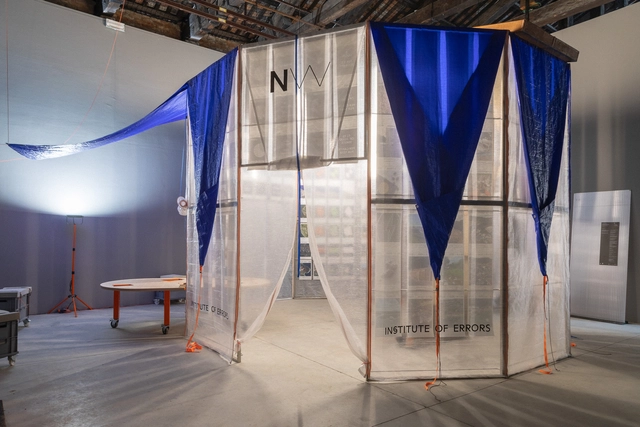
The Croatian Pavilion presents "Intelligence of Errors" at the 19th International Architecture Exhibition – La Biennale di Venezia, an artistic and research-driven project that repositions spatial and policy-related errors as generative tools for design. Commissioned by the Ministry of Culture and Media of the Republic of Croatia, the exhibition is curated by Ida Križaj Leko, a practicing architect and head of the interdisciplinary university specialist program Urban Studies at the University of Rijeka. In dialogue with the central Biennale theme,Intelligens. Natural. Artificial. Collective., the pavilion investigates how recognizing and analyzing errors can contribute to the development of collective intelligence under non-ideal conditions.
The Covid-19 pandemic has been going on for over a year now, so people have consequently been traveling less, and tourism has slowed down all over the world. But that doesn't mean we still can't get to visit faraway places. Since the beginning of the lockdown, several museums and organizations have been preparing virtual tours that allow users to explore their spaces through digital immersion. With that in mind, here are four different ways for you to explore places without leaving your home.
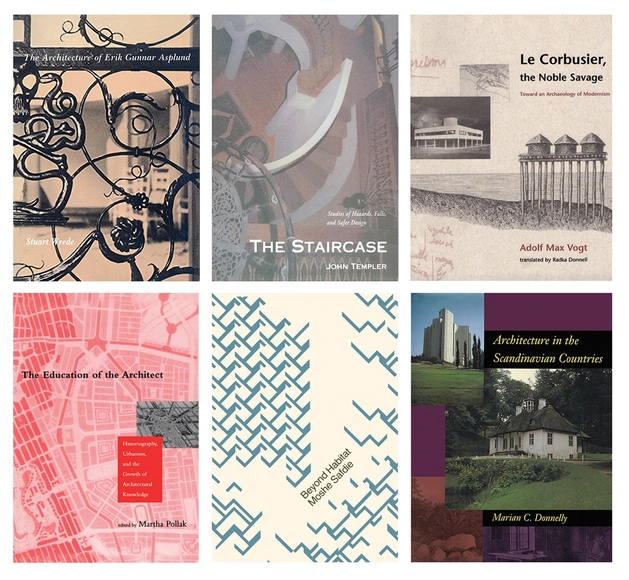
Funded by Andrew W. Mellon and the National Endowment for the Humanities foundations as part of the Open Book Program, a collection of classic books, published between 1964 and 1998 are now available online as open access e-books through the MIT Press Open Architecture and Urban Studies book collection.
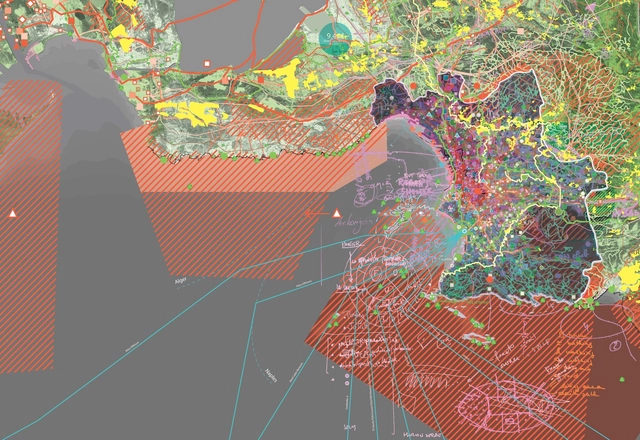
MVRDV and The Why Factory (Delft University of Technology) revealed “Le Grand Puzzle”, a book that holds ambitious ideas for Marseille, in the south of France. In fact, the study, made from 2018 to the start of 2020, “proposes a methodology, an agenda, and an analysis to portray today’s Marseille”.
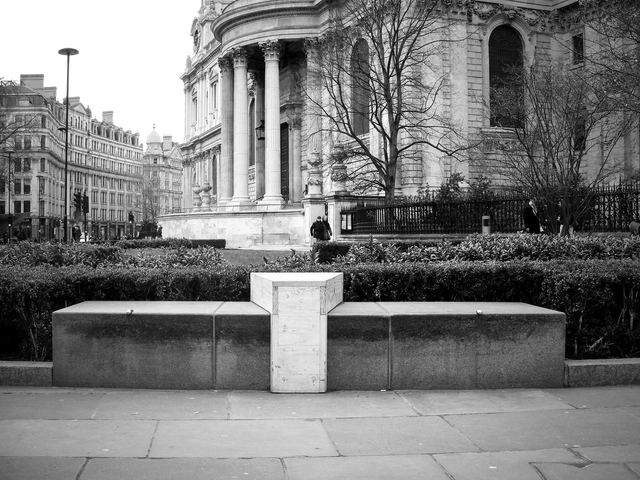
In recent years, the architectural community has become heavily involved, in both positive and negative ways, with the chronic global issue of homelessness. In response, James Furzer of UK-based Spatial Design Architects has undertaken a photographic analysis exploring defensive forms of urban design. Using the typology of public benches in London, Furzer documents public fixtures which act as deterrents to rough sleepers, essentially denying a right to the city for those who ultimately have no choice but to be there.
The Estonian Academy of Arts (EKA) is welcoming applications for the international summer school — 2019 EKA Summer Academy of Art, Design and Architecture – Possible Futures! Application deadline: 26 May.
All Things Urban London Meetup @ Google will bring together some of the coolest people in town to share their passion for urban innovation. Whether you’re an urban planner or a software engineer, a circular designer or a blockchain economist, join us at this multidisciplinary event to brainstorm the future of cities and urban professions.
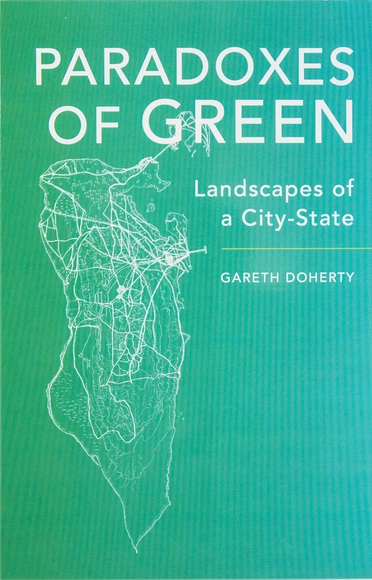
This innovative multidisciplinary study considers the concept of green from multiple perspectives—aesthetic, architectural, environmental, political, and social—in the Kingdom of Bahrain, where green has a long and deep history of appearing cooling, productive, and prosperous—a radical contrast to the hot and hostile desert.
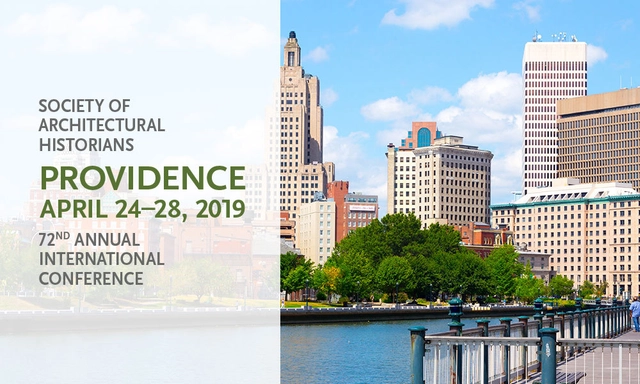
The Society of Architectural Historians is now accepting abstracts for its 72nd Annual International Conference in Providence, Rhode Island, April 24–28. Please submit an abstract no later than 11:59 p.m. CDT on June 5, 2018, to one of the 34 thematic sessions, the Graduate Student Lightning Talks or the Open Sessions. SAH encourages submissions from architectural, landscape, and urban historians; museum curators; preservationists; independent scholars; architects; scholars in related fields; and members of SAH chapters and partner organizations.
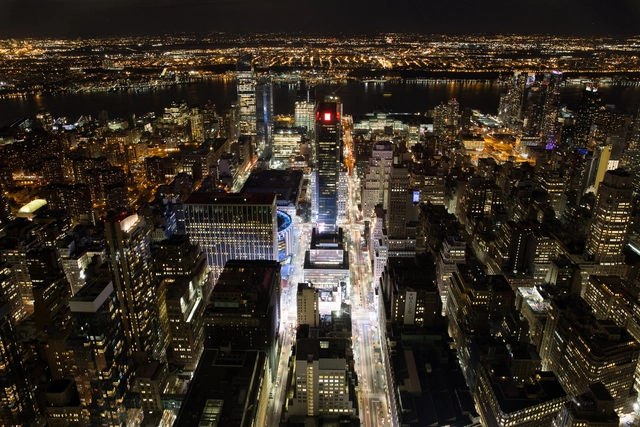
Frank Lloyd Wright once described cities as both ‘our glory and our menace’. With more than half of the world’s population now living in cities, architects are becoming increasingly interested in their origins. Many fields of historical, geographical, and spatial research are devoted to exploring the evolution of cities, revealing a set of similarities across the globe. In a recent video, Wendover Productions described a common set of characteristics linking some of our largest cities, six of which we have outlined below.
Taking the six factors below into account, where is the perfect ‘world city’? Watch the video after the break:
https://www.archdaily.com/866821/the-origin-of-cities-six-reasons-for-their-locationNiall Patrick Walsh
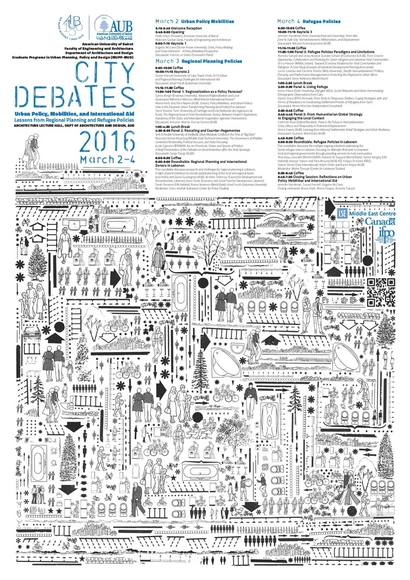
City Debates 2016 stems from a relational and multi-scalar understanding of urban policy as an assemblage of ideas and tools that circulate and transform. We seek to examine how international aid promotes the mobility of urban policy ideas, and mobilizes a range of stakeholders, and technologies in the process. We explore these questions by investigating two sets of urban policies: regional planning, and refugee policies.
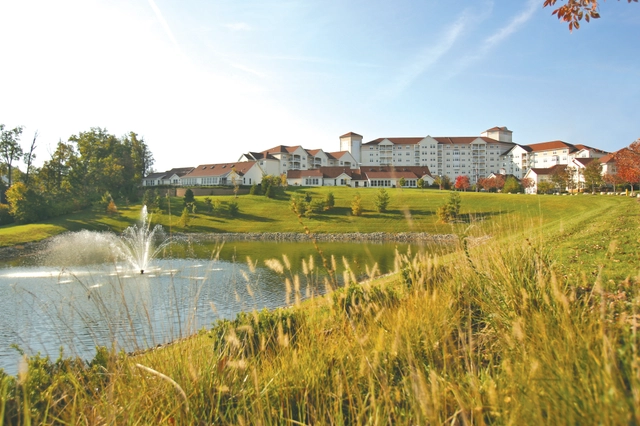
In many western countries, the demographic pyramid is beginning to look inverted, as elderly populations grow and increasingly few children are born at the other end of the scale. How, asks Metropolis Magazine, does society provide for the growing ranks of the retired and newly elderly? Elderly care scandals and and discomfort with the idea of retirement communities has led to a search for ways to care for senior citizens in their own homes. Urban planning expert Deane Simpson, however, warns against accepting the idea of what he calls "aging in place" entirely uncritically: his exploration of the way current retirement communities function goes into the social motivations behind care homes and the United States' elderly communities, and discusses the future of retirement for the emerging baby-boomer generation of retirees. Read the full story over at Metropolis Magazine here.