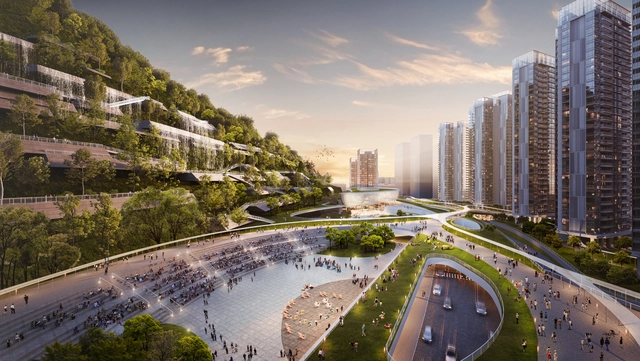
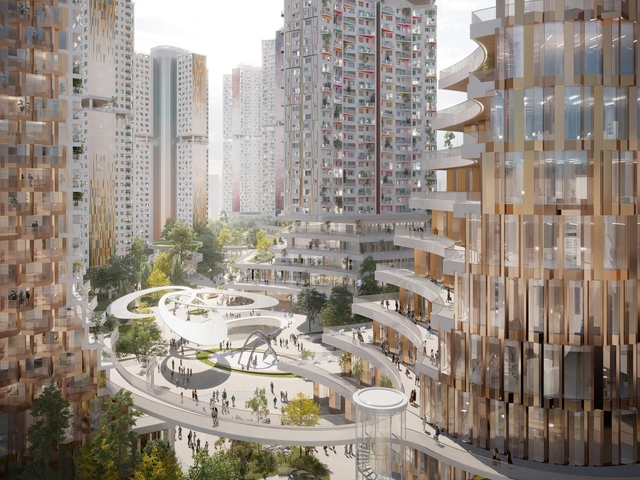
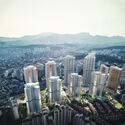
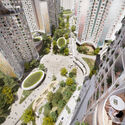
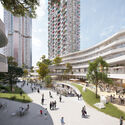
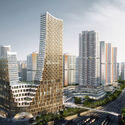
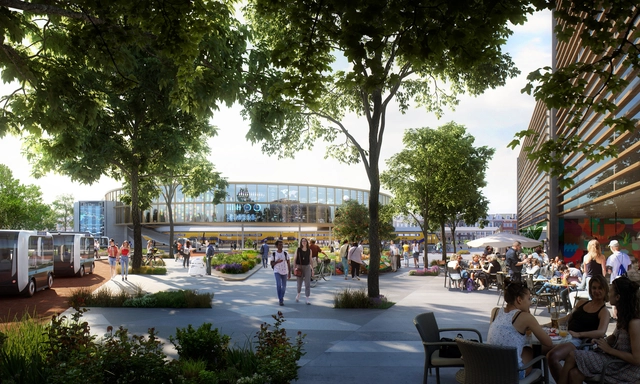
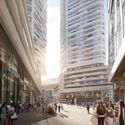
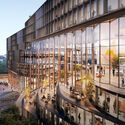
Ronald Lu & Partners designed a new transit-oriented development (TOD) in Shenzhen, reshaping a former industrial zone near Chiwan Port. The project builds on the firm's extensive experience with green architecture and TODs, proposing a biophilic development that restores nature in the area. Featuring a mixture of residential, business, commercial, and educational facilities, the design is set to become a key urban environment within the Greater Bay Area connecting Guangdong Province, Hong Kong and Macau.
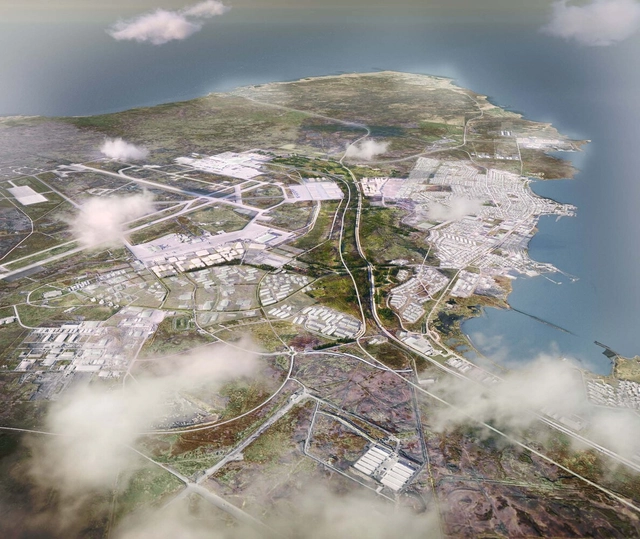
KCAP revealed its competition-winning design for the Keflavík Airport Area Strategic Masterplan in Iceland, comprising an area of 55 square kilometres around the country’s global aviation hub. Developed together with Felixx Landscape Architects & Planners, Kanon Arkitektar and a multidisciplinary team of professionals across a wide range of fields, the masterplan proposes a “collaborative development between public and private sectors”, seeking to transform specific areas around the airport into the hallmarks of the country’s sustainability and economic strategies.
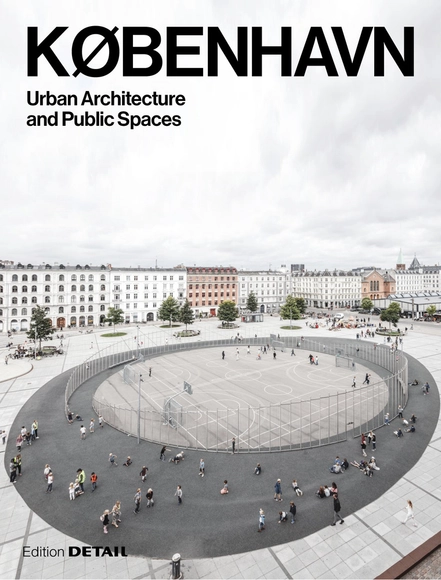
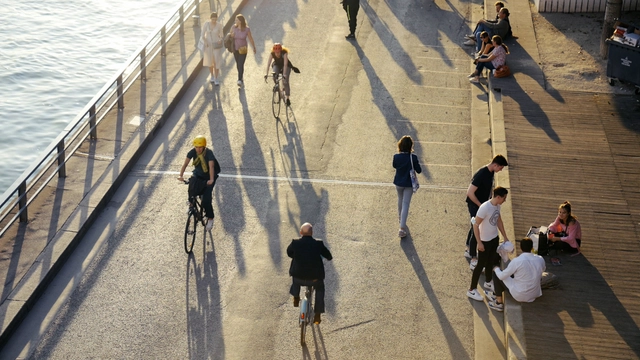
København (Copenhagen), the capital of Denmark, is at the forefront of many landscape architects and planners’ minds for both its groundbreaking moves towards sustainability and cutting-edge public spaces, bicycle culture, architecture, and food scenes. Having spent a significant amount of time in the city over the last decade, I’ve had the opportunity to begin to get to know the city and its people. One of the striking things about the city, perceptible in even my time there, is its continued trajectory of improvement. A chorus of people working diligently for decades to optimize the city for the everyday lives of its inhabitants have been laying the groundwork for what is possible today.
https://www.archdaily.com/973247/learning-from-copenhagen-a-focus-on-everyday-lifeJohn Bela
The 2021 edition of Dutch Design Week (DDW) that took place in October in Eindhoven brought forward a range of explorations and innovative ideas that have the potential of shaping a positive future in the direction of less waste and sustainable consumption. As part of the programme, the Future Cities talk discussed the challenges faced by urban environments and addressed the potential of carefully considered inward growth and densification in tackling housing shortage and achieving sustainable development.
In this episode of Design and the City - a podcast by reSITE on how to make cities more liveable – scholar, writer and consultant Tim Gill, author of Urban Playground: How Child-Friendly Planning and Design Can Save Cities, talks about the importance of designing cities that can foster play and empower children autonomy, as a way of creating inclusive urban environments fit for all ages and abilities. Gill argues for enhancing children's everyday freedom and discusses his research into ideas and principles that would make neighbourhoods rich in experiences in possibilities, which he defines as child-friendly urban planning.
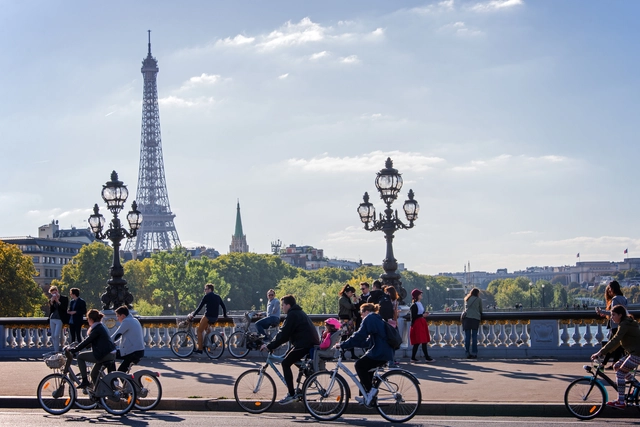
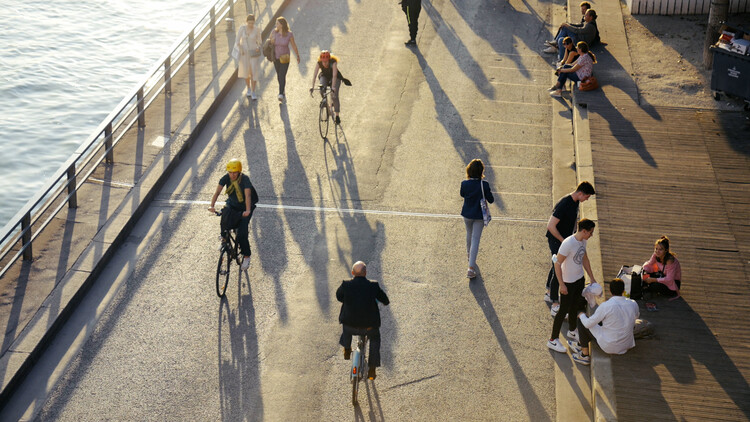
The city of Parishas announced that it will be investing €250 million to upgrade its cycling infrastructure and expand its network of bike lanes with aims of becoming “100% cyclable”. The French capital's investment comes through Bike Plan, a 5-year-long urban project that will reinforce the presence of bikes and provide safe and well connected routes for passengers and pedestrians.
ADUs or accessory dwelling unit, a word mostly used by architects, is "a smaller, independent residential unit located on the same lot as a stand-alone single-family home" according to the American Planning Association. They can be converted spaces of existing houses, additions, or new stand-alone structures. In this piece, author Walter explores the recent policies in California that seek to reduce the shortage of housing.
Urban environments are in a constant process of social evolution, political and economic transformation. Attached to the idea of urban renewal is gentrification, a complex phenomenon circumscribing a variety of issues, from the improvement of the built environment and strengthening the local economy to displacement and demographic change. On the one hand, redevelopment means revitalizing neighbourhoods, improving the built environment and infrastructure and boosting the local economy, and on the other hand, gentrification drives up property prices and cost of living, forcing out low-income communities. Is the displacement of local communities a "collateral damage" of urban development? Does redevelopment intrinsically drive gentrification, and can urban environments be revitalized more ethically?
In this Editor's Talk edition, editors from Argentina, Lebanon, Brasil, Chile, Tanzania share their views on gentrification.
UNStudio has revealed the design for Project H1, a tech-assisted masterplan for a 10-minute neighbourhood in Seoul that would cater to the digital economy. The project transforms an industrial site and railyard into a dense mixed-use urban environment containing all the amenities of contemporary living within a 10-minute walk. This pedestrian-friendly, diverse neighbourhood is complemented by a digital infrastructure developed by UNSense, providing a framework for managing energy production and consumption, local food production, and the shared use of communal spaces.
The 15-minute city urban theory receives the 2021 Obel Prize in recognition of the concept's value for creating sustainable and people-centric urban environments. First coined in 2016 by Sorbonne professor Carlos Moreno, the term defines a highly flexible urban model that ensures all citizens can access daily needs within a 15-minute distance, thus breaking the hegemony of the car and reintroducing the qualities of historic cities within contemporary urban planning.
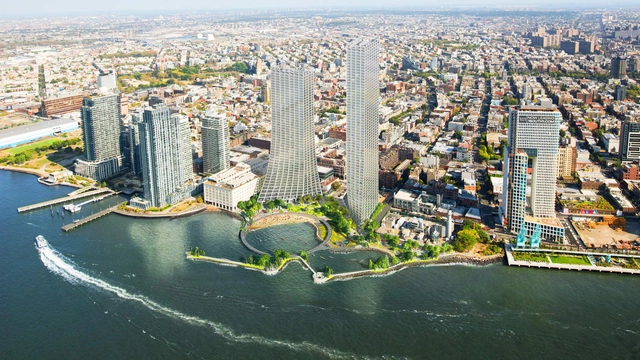
In this week's reprint from the Architect's Newspaper, author Patrick Sisson tackles the implication and participation of communities in New York in shaping their built environment, especially their waterfront. He also asks about the roles of representation and if "the city’s community boards and Uniform Land Use Review Procedure act more like gatekeepers than catalysts for equitable development?" especially that a lot of new developments are labeled as housing projects.
Architectural photographer and short filmmaker Kevin Siyuan released his latest architectural short film titled "A Wes Anderson-ish Singapore", a short motion picture that features buildings by world renowned architects built around the country. The 30-minute documentary was released as part of Singapore Archifest's virtual exhibition: Singapore Through My Eyes, and focuses on the urban planning, architecture, neighborhoods, parks, and green spaces, and how the people of Singapore have adapted to the pandemic.
The concept of equity is different from equality; equity means everyone needs support, but not necessarily in the same way. Therefore, the concept of urban equity allows us to preserve the uniqueness of each region of a municipality, protecting diversity and richness without overlooking infrastructure needs, which directly affect the quality of public space and the basic services required for a private residence - it allows us to design and invest in the city fairly, regardless of the region.
Planning cities and the way that we comfortably live in them is often a pull between many things. From creating affordable housing for all, enhancing community facilities and amenities, and designing walkable neighborhoods, all aspects of urban design have trade-offs, or do they? While there are many reasons why cities are becoming increasingly more expensive, dense, and less pedestrian-friendly, one of the key drivers behind the increase in unaffordability has to do with the way that outdated zoning codes drive the lack of available housing that they regulate.
The way our world looks like today is a result of centuries and centuries of human migration, of complex natural phenomena that has resulted in the geographic appearance of the world’s continents today. We understand this world through our lived experiences, but we also understand this world through a two-dimensional man-made invention – maps. Maps define the many contested borders of the world and have been used in an oppressive capacity, in particular places, for example, segmenting off sections of a place from marginalised societal groups.
Cities we live in today have been built on principles designed decades ago, with prospects of ensuring that they are habitable by everyone. Throughout history, cities have been catalysts of economic growth, serving as focal points for businesses and migration. However, in the last decade, particularly during the last couple of years, the world has witnessed drastic reconfigurations in the way societies work, live, and commute.
Today’s urban fabric highlights two demographic patterns: rapid urbanization and large youth populations. Cities, although growing in scale, have in fact become younger, with nearly four billion of the world’s population under the age of 30 living in urban areas, and by 2030, UN-Habitat expects 60% of urban populations to be under the age of 18. So when it comes to urban planning and the future of cities, it is evident that the youth should be part of the conversation.
Videos
Brainport Smart District Master Plan. Image Courtesy of UNSense
UNStudio has recently published a report exploring the broader scope of community building and placemaking in the post-pandemic urban environment. Through examples from their practice, UNStudio highlights various design strategies currently incorporated in architecture and urban planning that cater to the universal and crucial need to connect socially. In addition, the practice stresses the importance of “ third spaces” and human-scale connectivity, as well as the blending of digital and physical spaces of interaction.
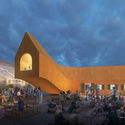
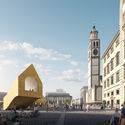
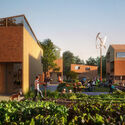
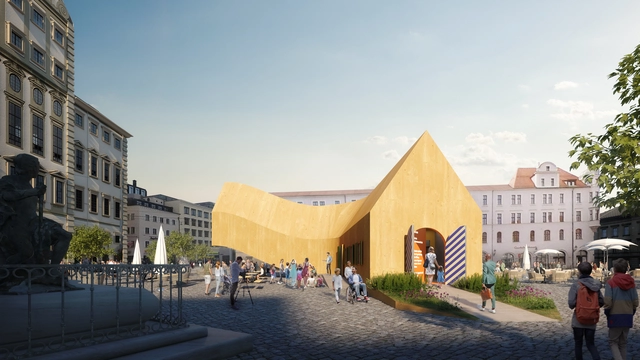
Celebrating the 500th anniversary of the Fuggerei social housing in Augsburg, Germany, MVRDV has collaborated with Fugger Foundation to initiate a conversation about the future architectural and urban plans of Fuggereien, the world’s oldest social housing complex. Throughout the upcoming months, the Fugger Foundations are hosting interdisciplinary debates that highlight Fuggerei’s guiding urban principles and discuss challenges about the field of architecture, politics, culture, and sciences, by notable individuals in each respective field.
























.jpg?1629793779 "Traumhaus Funari Project . Image Courtesy of MVRDV")