1. ArchDaily
  2. UN-HABITAT

UN-HABITAT: The Latest Architecture and News

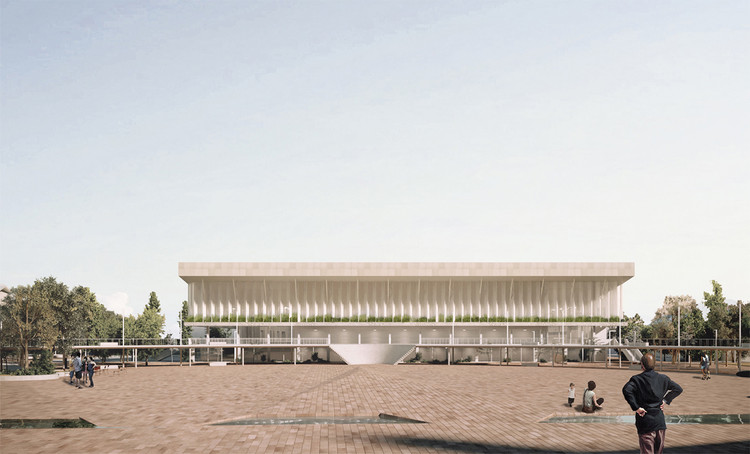
UIA 2030 Award Finalists Announced

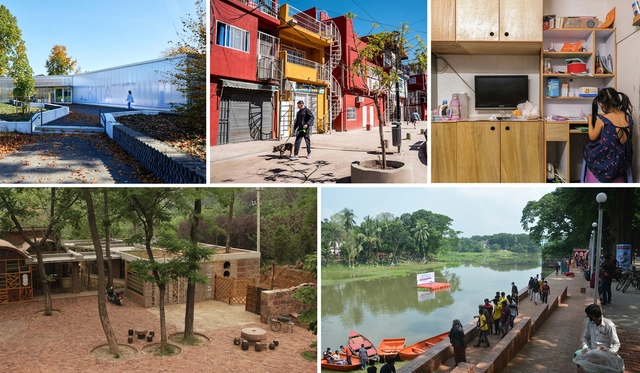
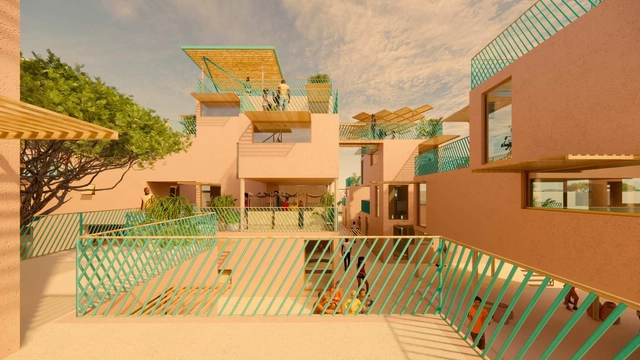
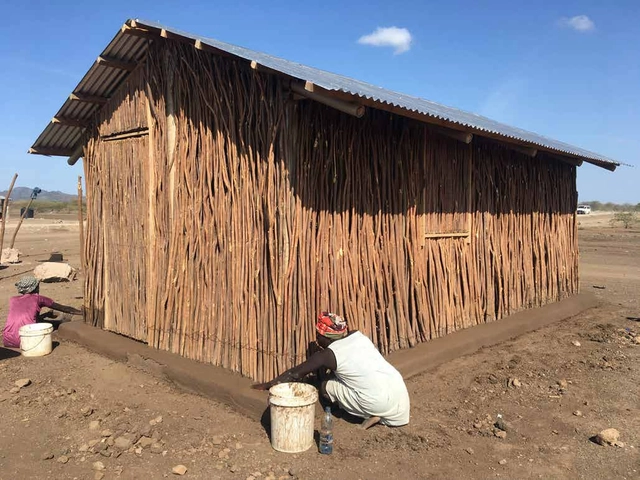
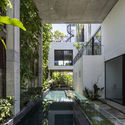
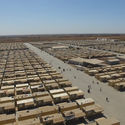
The International Union of Architects (UIA), in partnership with UN-HABITAT, have announced the Regional Finalists of first stage of the UIA 2030 Award. The biennial award, which is in its inaugural edition, honors the work of architects contributing to the UN 2030 Agenda for Sustainable Development and New Urban Agenda through built projects that demonstrate design quality and alignment with the UN Sustainable Development Goals (SDGs).

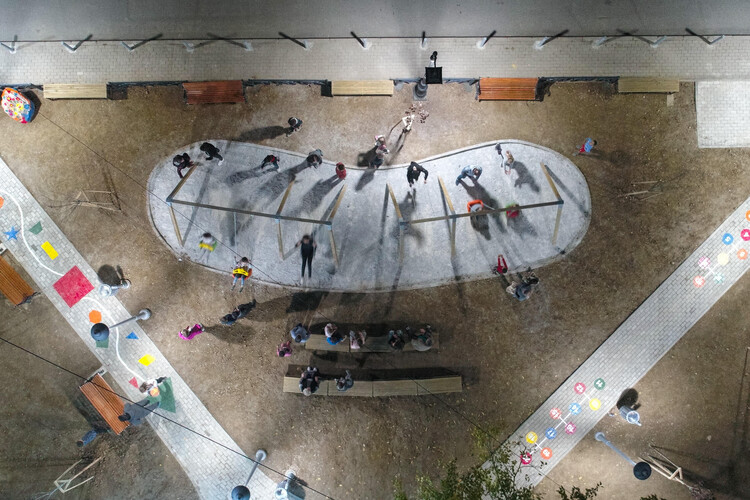
UIA 2030 Award Finalists Announced - Image 1 of 4UIA 2030 Award Finalists Announced - Image 2 of 4UIA 2030 Award Finalists Announced - Image 3 of 4UIA 2030 Award Finalists Announced - Image 4 of 4UIA 2030 Award Finalists Announced - More Images+ 39

World’s Cities Day 2021: Resilience, Climate Crisis and Sustainable Urbanization

Subscriber Access | 

As cities grow in scale, dimensions, and amplitude, taking in 60% of the world population, the United Nations has designated the 31st of October as “World Cities Day”, an opportunity to talk furthermore about global urbanization, addressing challenges, encouraging opportunities across borders and highlighting responses. Focusing this edition on the theme of “Adapting Cities for Climate Resilience”, this day, part of Urban October, seeks to raise awareness about the climate crisis and its repercussions on the built environment.

Cities, at the center of the global challenges, are hubs for institutions, society, economy, commerce, and transportation. Understanding the importance of “Thinking the City”, we have compiled in this roundup, articles published by ArchDaily’s editors that offer planning tools and guidelines, tackle the different components of the urban realm and highlight worldwide as well as contextual questions and responses.

Are Our Cities Built for the Youth?

Cities we live in today have been built on principles designed decades ago, with prospects of ensuring that they are habitable by everyone. Throughout history, cities have been catalysts of economic growth, serving as focal points for businesses and migration. However, in the last decade, particularly during the last couple of years, the world has  witnessed drastic reconfigurations in the way societies work, live, and commute.

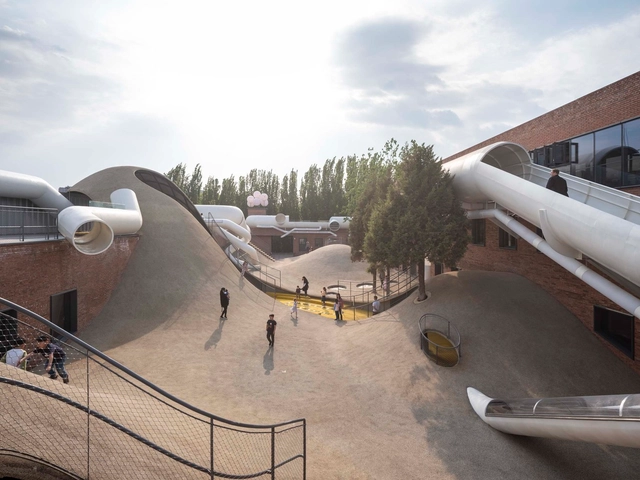
Today’s urban fabric highlights two demographic patterns: rapid urbanization and large youth populations. Cities, although growing in scale, have in fact become younger, with nearly four billion of the world’s population under the age of 30 living in urban areas, and by 2030, UN-Habitat expects 60% of urban populations to be under the age of 18. So when it comes to urban planning and the future of cities, it is evident that the youth should be part of the conversation.

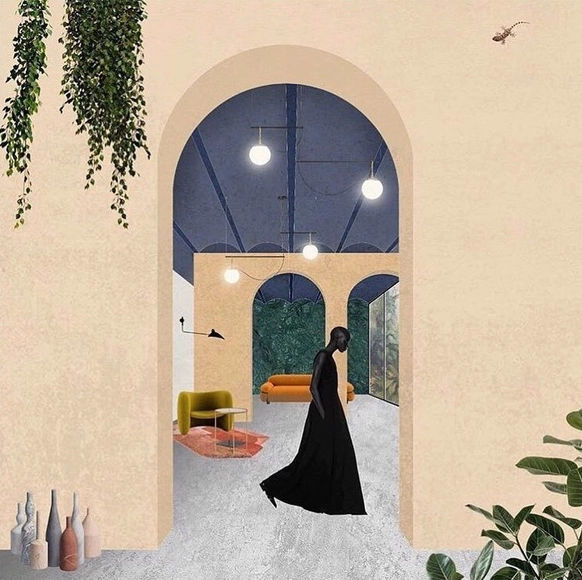
Are Our Cities Built for the Youth? - Image 1 of 4Are Our Cities Built for the Youth? - Image 2 of 4Are Our Cities Built for the Youth? - Image 3 of 4Are Our Cities Built for the Youth? - Image 4 of 4Are Our Cities Built for the Youth? - More Images+ 9

8 Initiatives that Empower Women in the Architectural and Urban Fields

While in a lot of countries around the world, the construction, architecture, engineering, and urban planning sectors, are still reserved for men, initiatives that empower women in these fields are surfacing everywhere around the globe. Playing a huge role in the integration of female power into these disciplines, these movements take on many forms such as organizations, websites, platforms, etc. working with professionals, artisans, and workers.

From providing skills, connecting outstanding females, ensuring exposure, and promoting the works of pioneers, these initiatives have the common purpose of encouraging women to have an impact on their built environment.

Mutual Atelier Wins Rahovec City Square Competition in Kosovo

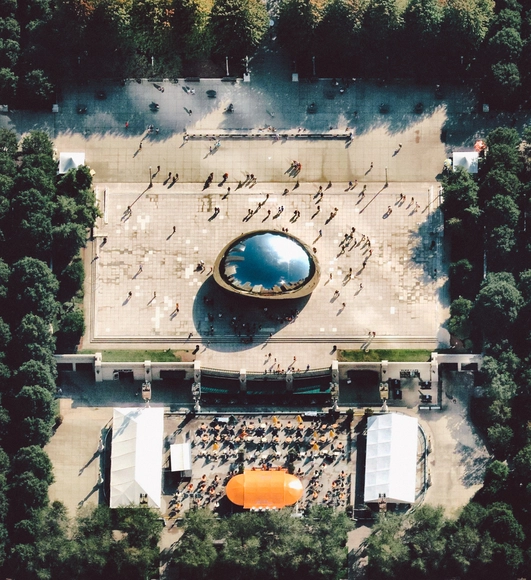
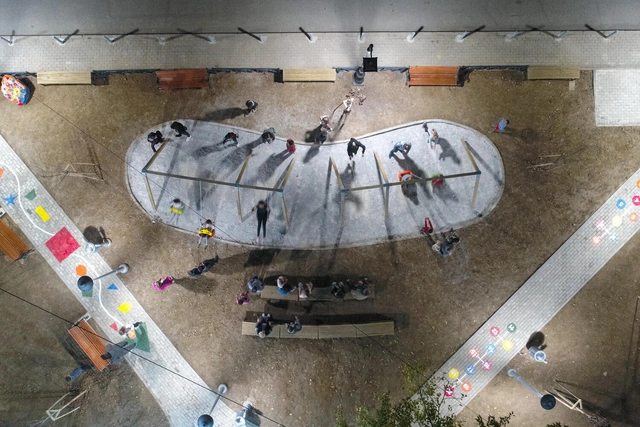
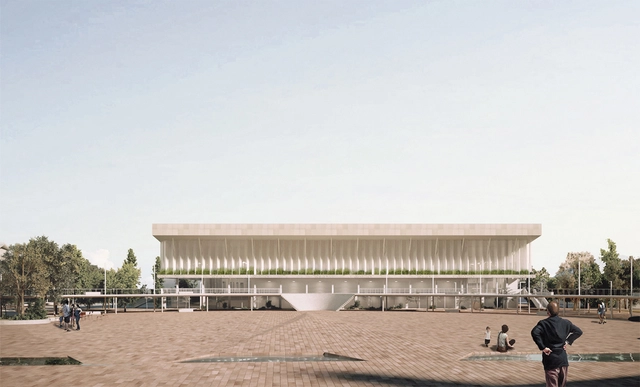
Design collective Mutual Atelier has won the competition to create a new Central Square in Rahovec, Kosovo. One of numerous proposals that explored new solutions to the square, the design was selected for its elegant formal solution and careful consideration of Rahevec’s city center. The scheme's circular form was made to provide a memorable identity for Rohevec’s city center and encourage public life to thrive.

Mutual Atelier Wins Rahovec City Square Competition in Kosovo - Image 1 of 4Mutual Atelier Wins Rahovec City Square Competition in Kosovo - Image 2 of 4Mutual Atelier Wins Rahovec City Square Competition in Kosovo - Image 3 of 4Mutual Atelier Wins Rahovec City Square Competition in Kosovo - Image 4 of 4Mutual Atelier Wins Rahovec City Square Competition in Kosovo - More Images+ 2

On World Cities Day UN-Habitat Releases 2020 Report on The Value of Sustainable Urbanization

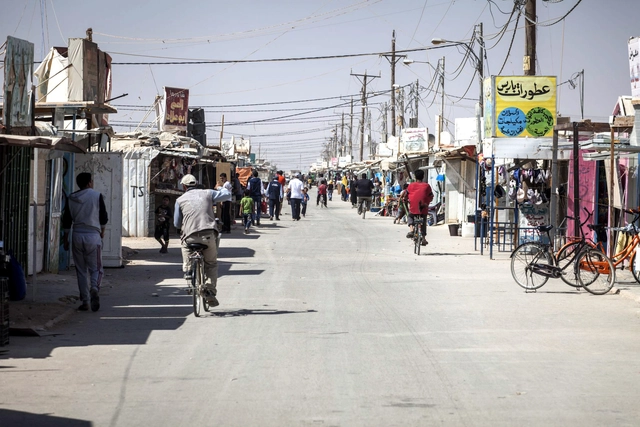
Across the globe, ever since 2014, every year on the 31st of October, World Cities Day is celebrated. To mark this event, UN-Habitat has released its World Cities Report 2020 on the value of sustainable urbanization, focusing on the most up-to-date and pressing topics. Analyzing the intrinsic value of cities in generating economic prosperity, mitigating environmental degradation, reducing social inequality, and building stronger institutions, the report highlights how together these can drive transformative change.

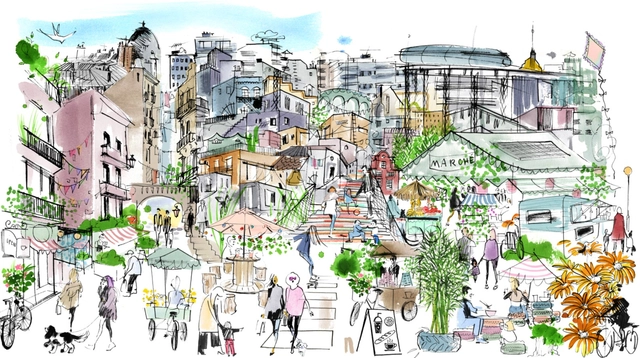
On World Cities Day UN-Habitat Releases 2020 Report on The Value of Sustainable Urbanization - Image 1 of 4On World Cities Day UN-Habitat Releases 2020 Report on The Value of Sustainable Urbanization - Image 2 of 4On World Cities Day UN-Habitat Releases 2020 Report on The Value of Sustainable Urbanization - Image 3 of 4On World Cities Day UN-Habitat Releases 2020 Report on The Value of Sustainable Urbanization - Image 4 of 4On World Cities Day UN-Habitat Releases 2020 Report on The Value of Sustainable Urbanization - More Images+ 7

Lessons from UN-Habitat: How to Design Spaces For and With the People?

The Un-Habitat or the United Nations agency for human settlements and sustainable urban development, whose primary focus is to deal with the challenges of rapid urbanization, has been developing innovative approaches in the urban design field, centered on the active participation of the community. ArchDaily has teamed up with UN-Habitat to bring you weekly news, article, and interviews that highlight this work, with content straight from the source, developed by our editors.

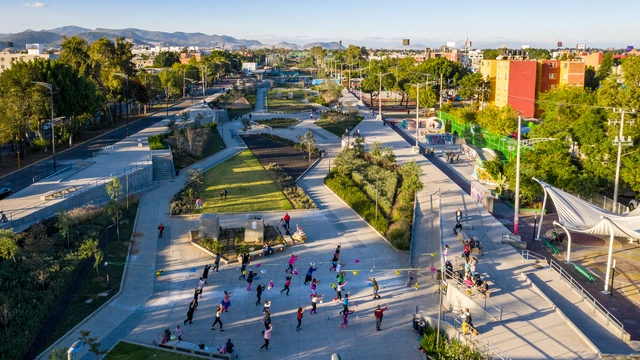
Discover in this feature the first lesson to learn from UN-Habitat, on how to design with and for the people. In order to create great public spaces, the only secret is listening to the community. Questioning “how can we design together”, this article presents cases in Ghana, Brazil, and India, focusing on street, market, and open public spaces implementation projects, where interventions took on participatory approaches and involved local residents from the beginning of the process.

Lessons from UN-Habitat: How to Design Spaces For and With the People? - Image 1 of 4Lessons from UN-Habitat: How to Design Spaces For and With the People? - Image 2 of 4Lessons from UN-Habitat: How to Design Spaces For and With the People? - Image 3 of 4Lessons from UN-Habitat: How to Design Spaces For and With the People? - Image 4 of 4Lessons from UN-Habitat: How to Design Spaces For and With the People? - More Images+ 43

UN-Habitat Promotes Inclusive Planning and Gender Equitable Cities Using Technology

The Un-habitat or the United Nations agency for human settlements and sustainable urban development, whose primary focus is to deal with the challenges of rapid urbanization, has been developing innovative approaches in the urban design field, in order to encourage the active participation especially of children, women and underprivileged individuals.