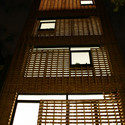
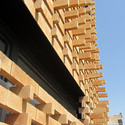
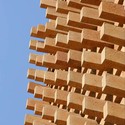
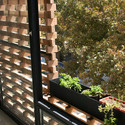
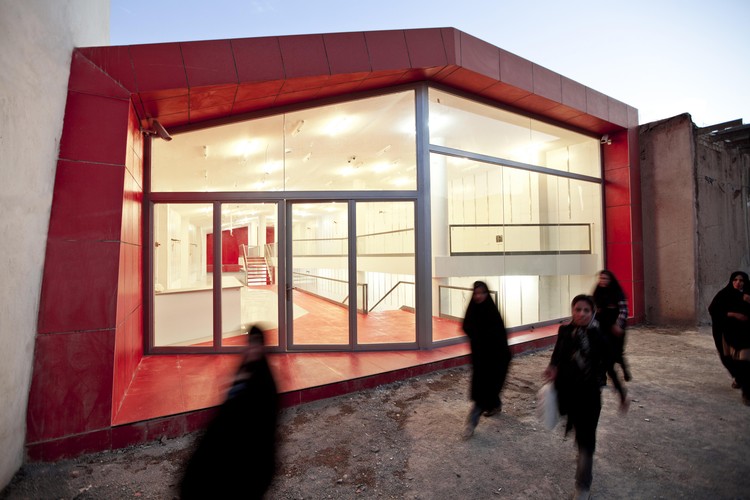
.jpg?1444358466&format=webp&width=640&height=580)
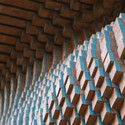
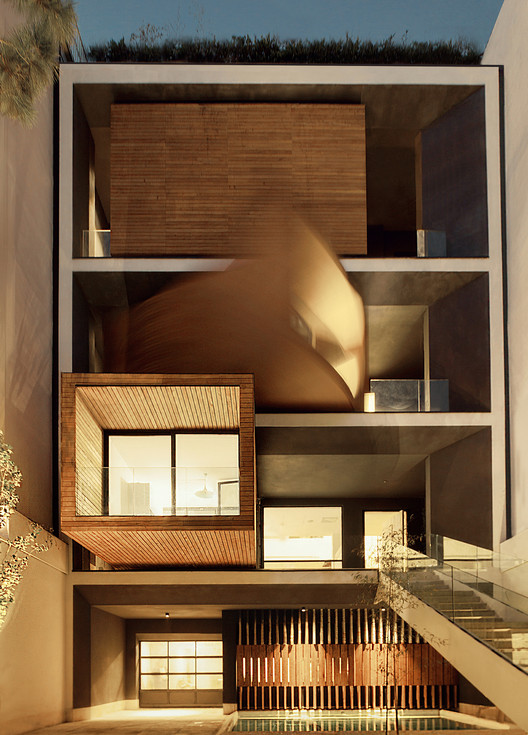
.jpg?1444358802 "© Parham Taghioff")
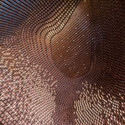
.jpg?1444358664 "© Parham Taghioff")
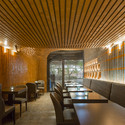
.jpg?1444358612 "© Parham Taghioff")
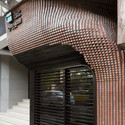
.jpg?1444358543 "© Parham Taghioff")
.jpg?1444358466)
-
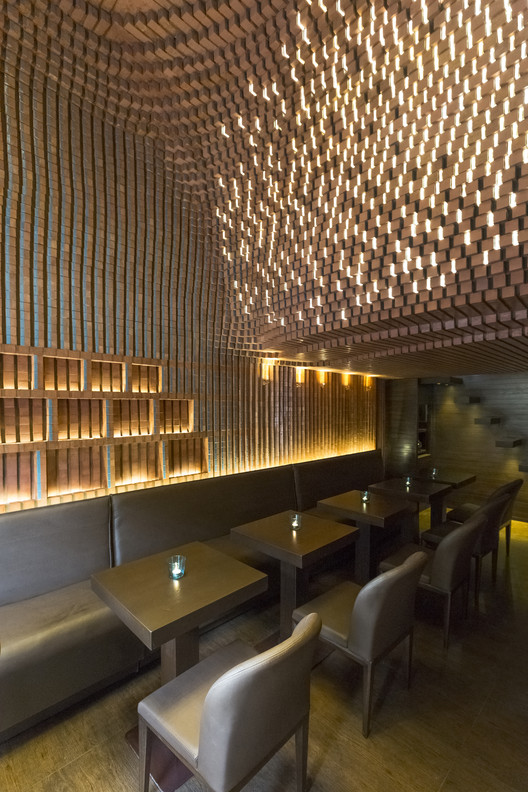
Architects: Admun Design & Construction Studio
- Area: 1100 m²
- Year: 2015
-
Professionals: Admun Design & Construction Studio


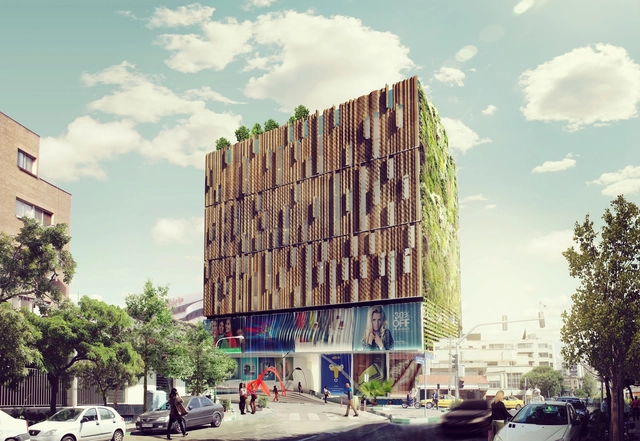
The winner of a competition for a mixed-use building scheme, London-based Kamvari Architects has unveiled the design for Zartosht, a 300,000 square-foot retail and office building in Tehran, Iran. The building's design is based largely on local cultural contexts, like the region’s reputation for renowned fabric and textile shops, and environmentalism, particularly with respect to solar energy.
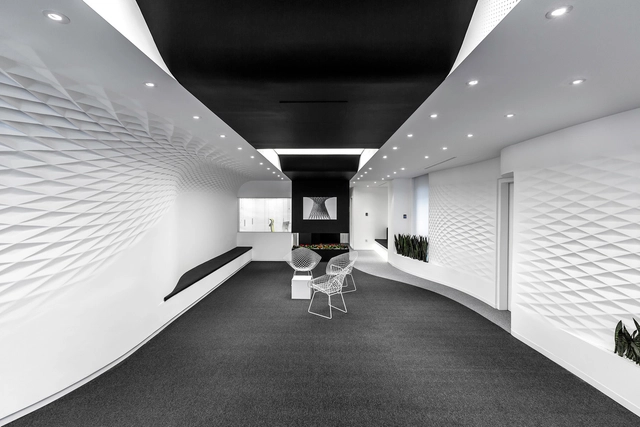

![Eilkhaneh / [SHIFT] Process Practice - Apartment Interiors, Bedroom, Stairs, Bed](https://snoopy.archdaily.com/images/archdaily/media/images/548a/451c/e58e/ce0d/7900/005e/slideshow/_O0A7672_copy.jpg?1418347764&format=webp&width=640&height=580)
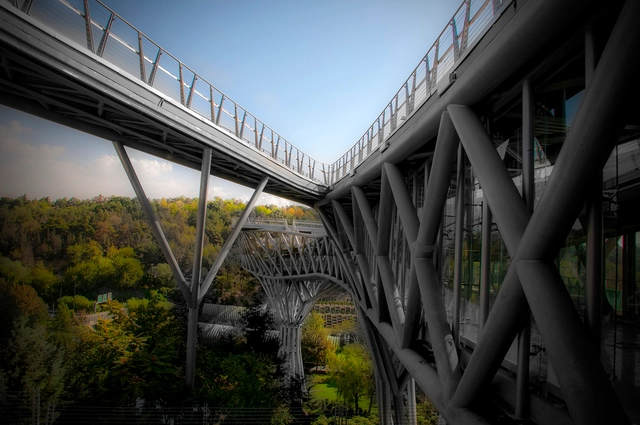

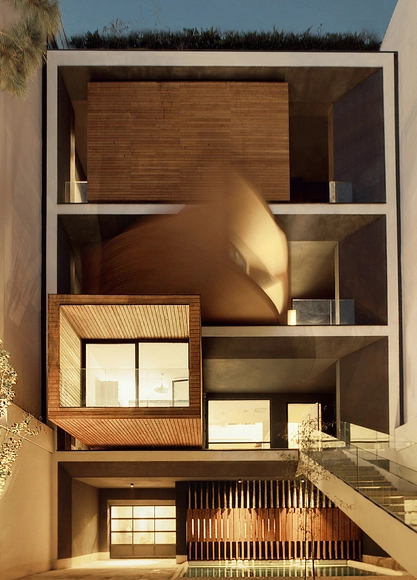


BANAMID Architecture Research Institute in collaboration with AN.ONYMOUS will hold the third International conference from the “Contemporary Architecture: Iran and the World Dialogue” series in Tehran, Iran. The conference, titled “From Autonomy to Automation: The Work of Peter Eisenman” will focus on the defining legacy of Peter Eisenman spanning across 50 years of his intellectual and professional body of work. The conference will trace the evolution of Eisenman’s work over time and will examine its imprint on the contemporary discourse of architecture.
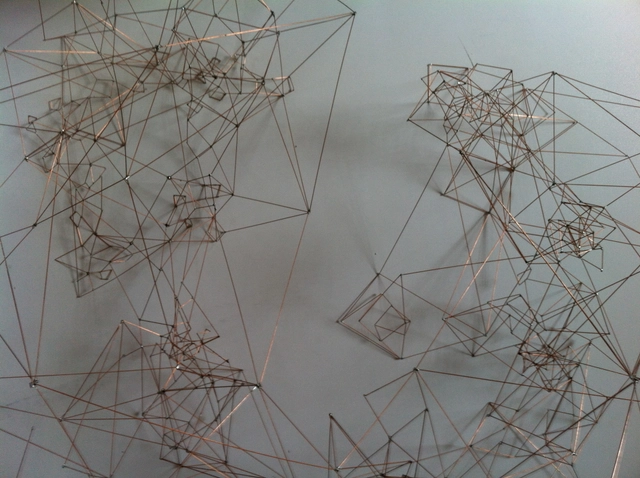
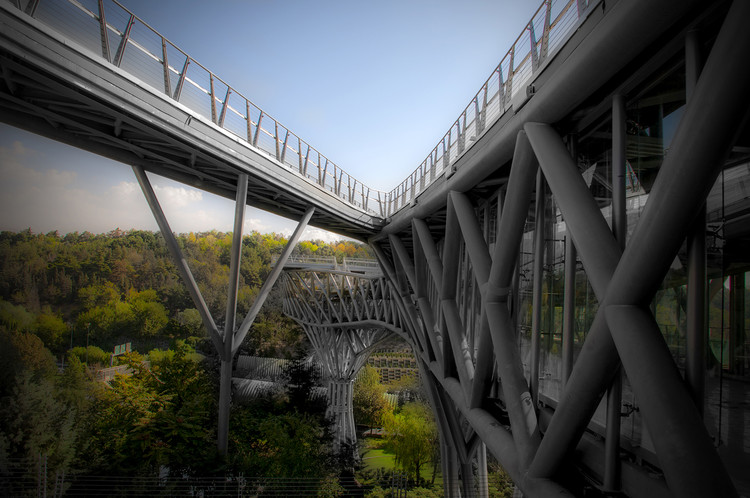
Tehran, Iran’s capital, ranks among the world’s fast-growing cities. In the early 1940s, Tehran’s population was about 700,000. By 1966, it had risen to 3 million and by 1986 to 6 million. Today, the metropolitan area has more than 10 million residents. This explosive growth has had environmental and public health consequences, including air, water pollution and the loss of arable land and public realm. The ever increasing land value makes developments and the replacement of urban open space and easy choice. With the disappearance of open public plaza, by traffic islands and motorways the predominant public space left in the city is its many traffic arteries.
With a young population and the Cars as the main mode of transport in the city, the many highways of Tehran come to a grinding halt during rush hour.
.jpg?1370188224)

Focusing on local architecture, the proposal for the Mosque (Amir Al- Momenin) by CAAT Studio detaches from everyday life and the approach to worship space in accessing the building. The integrated entity of the proposal plays its role as a religious and cultural center in the region scale while communicating with the environment. More images and architects’ description after the break.

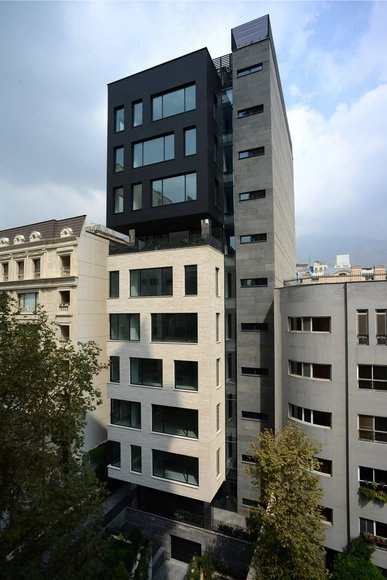


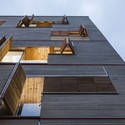
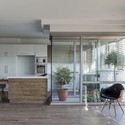
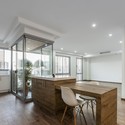

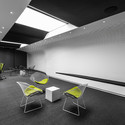
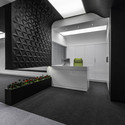
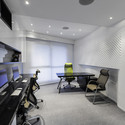
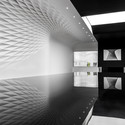


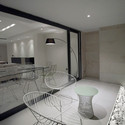


![Eilkhaneh / [SHIFT] Process Practice - Apartment Interiors, Facade, Cityscape](https://images.adsttc.com/media/images/548a/472d/e58e/ce0d/7900/0069/thumb_jpg/portada_O0A7729_copy.jpg?1418348274 "© Parham Taghioff")
![Eilkhaneh / [SHIFT] Process Practice - Apartment Interiors, Facade](https://images.adsttc.com/media/images/548a/457b/e58e/ce0d/7900/0060/thumb_jpg/_O0A7968_copy.jpg?1418347878 "© Parham Taghioff")
![Eilkhaneh / [SHIFT] Process Practice - Apartment Interiors, Facade, Balcony](https://images.adsttc.com/media/images/548a/455b/e58e/ce0d/7900/005f/thumb_jpg/_O0A7821_copy.jpg?1418347831 "© Parham Taghioff")
![Eilkhaneh / [SHIFT] Process Practice - Apartment Interiors](https://images.adsttc.com/media/images/548a/4638/e58e/ce0d/7900/0064/thumb_jpg/_O0A8264_copy.jpg?1418348035 "© Parham Taghioff")
![Eilkhaneh / [SHIFT] Process Practice - More Images](https://images.adsttc.com/media/images/548a/451c/e58e/ce0d/7900/005e/medium_jpg/_O0A7672_copy.jpg?1418347764)








.jpg?1370188268 "© Ali Daghigh")
.jpg?1370188234 "© Ali Daghigh")
.jpg?1370188252 "© Ali Daghigh")
.jpg?1370188218 "© Ali Daghigh")
.jpg?1370188224)