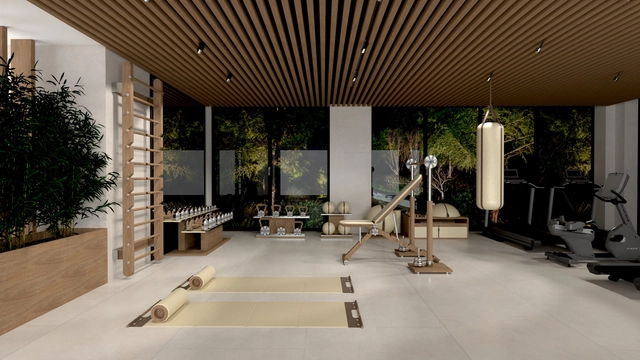
The World Health Organization defines health as “a state of complete physical, mental and social well-being.” If one or more of these aspects are compromised, quality of life and happiness can be severely affected. In recent years, and particularly during the COVID-19 pandemic, this has proved to be especially challenging. Commuting restrictions forced many to stay indoors and businesses to pause in-person operations, aiming to prevent the virus from spreading but inevitably sacrificing psychological, emotional, and even physical health in the process. As a result, people’s lifestyles shifted to find new ways to address their well-being, including adapting their living spaces accordingly. Home gyms, for example, became a popular initiative.
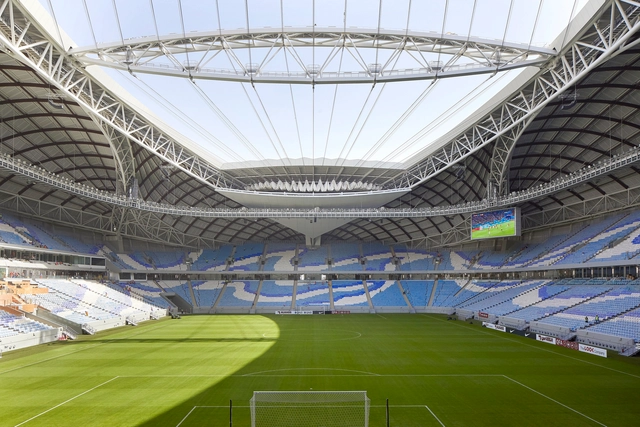
The World Cup will take place between November and December. This is due to the host country’s climate in June and July when Qatar can reach average temperatures of 40 to 50°C.
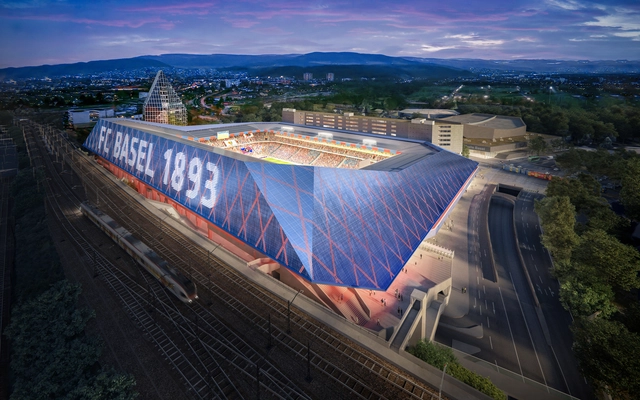
The Jakob-Park Stadium, home of FC Basel, is getting an update to extend its lifespan after 20 years of use. Originally designed by Herzog & de Meuron, the architecture reform aims to provide better hospitality to visitors by restructuring the access and optimizing security to keep the stadium open even on non-match days. The proposal also contemplates replacing the iconic facade with a sweeping roof to give the stadium a unified appearance and broadcast the events outside.
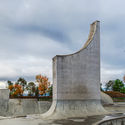
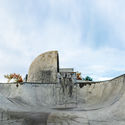
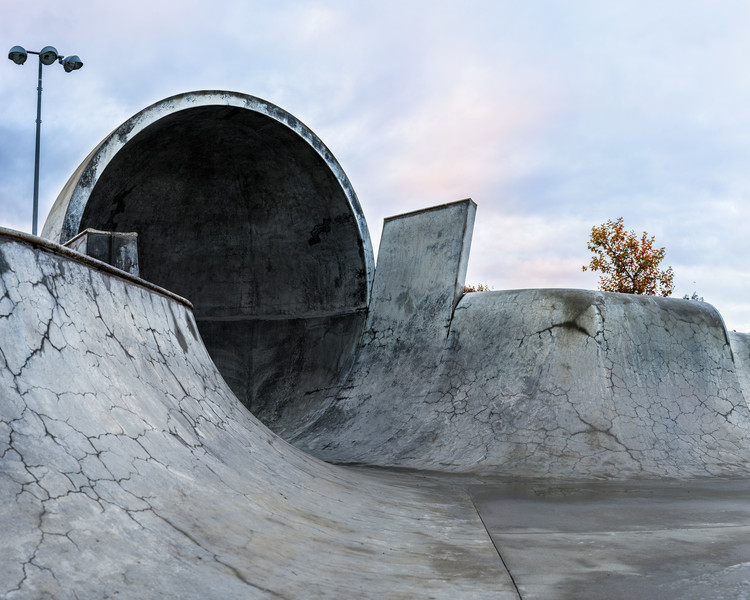
At the end of the 19th century, skateboarding emerged in the United States. Officially patented in 1936, the sport has already faced several prejudices, but like the social and urban dynamics of which it is a part, it has lasted to demonstrate that its experience goes far beyond conservative views and brought a new way of experiencing the city by trying movements of our own bodies in light of the urban or architectural design.
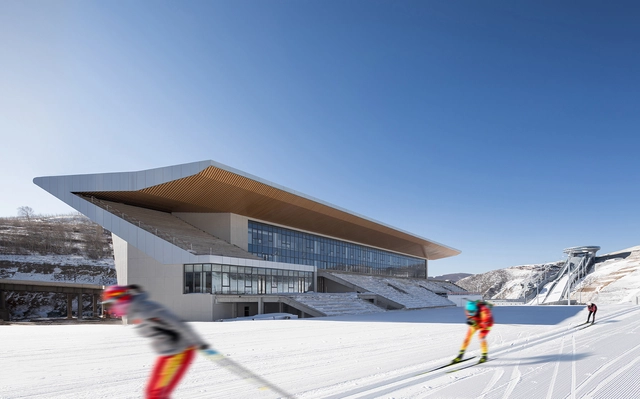
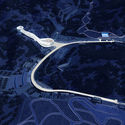
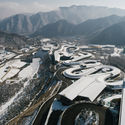
Beijing 2022 Winter Olympic Games and Paralympic Games have officially opened on February 4, 2022. The Winter Olympics made a brave move by adding two snow zones in Zhangjiakou and Yanqing to the ice zone in Beijing, creating an unprecedented three-zone system for the Winter Olympics.
Architectural Design & Research Institute of Tsinghua University (THAD), has led the planning and architectural design of the whole and all venues in Zhangjiakou Zone and Shougang Venue in Beijing Zone. Planning and Venue design for Yanqing Zone was elaborated by the China Architectural Design & Research Group. Chinese architects took the initiative to create while serving the principle of sustainable development and closely integrating architectural planning methodologies and architectural design during the approximately six-year construction cycle. They proposed the design framework of "full-scale spatial intervention" based on the "General Plan, Regulatory Plan, Urban Design, Architecture Design and Equipment System Design," completing the Chinese practice of sustainable Winter Olympics.
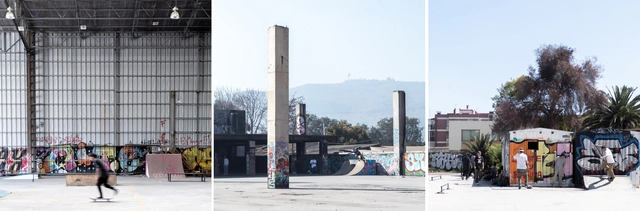
Yesporciento is an architecture and research studio founded by Sebastián Castro, architect and skateboarder. From Chile, his interests lie around strategies to maximise and strengthen the public and collective space through the Skateboarding phenomenon. Next, Castro presents his most recent analysis focused on observing, registering and presenting some cultural manifestations related to the recovery and occupancy of disused urban spaces, defining three case studies within the urban area of Santiago.
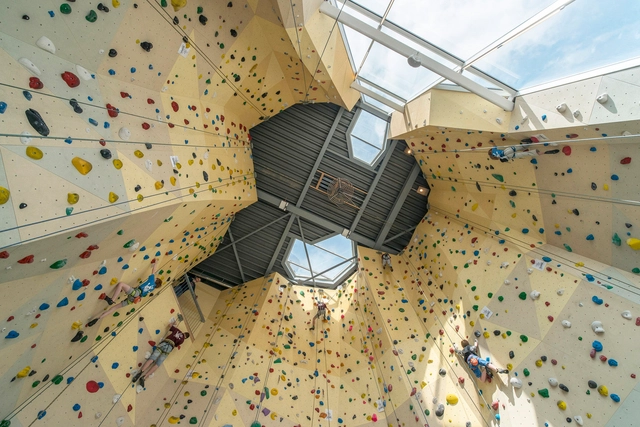
Climbers embrace their own type of architecture. Between barn doors, mantels and multi-pitch routes, rock climbing and bouldering take on a range of surfaces, materials and structures, whether outside or indoors. Today, more recreational centers and sports facilities are including climbing walls as the sport grows in popularity. As spaces to build strength and unwind, climbing gyms are built as their own interior worlds to explore.
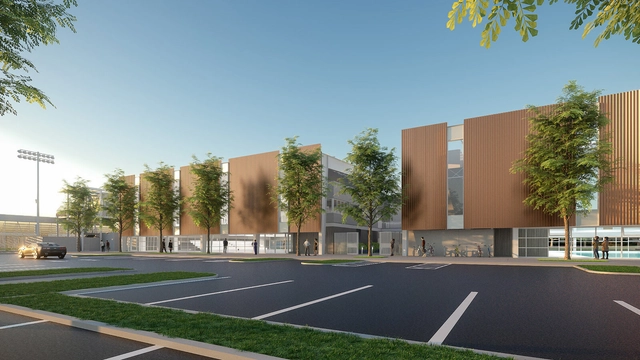
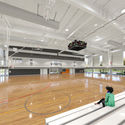
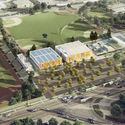
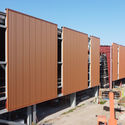
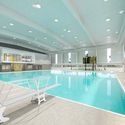
Designed by SPF:architects, the Michelle and Barack Obama Sports Center in Baldwin Hills, Los Angeles, celebrates the center’s rich history and community commitment in an eco-friendly, prefabricated facility. Formerly known as the Rancho Cienega Sports Complex, the center will expand the pre-existing structure and provide additional recreational facilities but in a cost-effective way. Construction has been ongoing since 2018 and is set to be complete mid-summer of 2021.
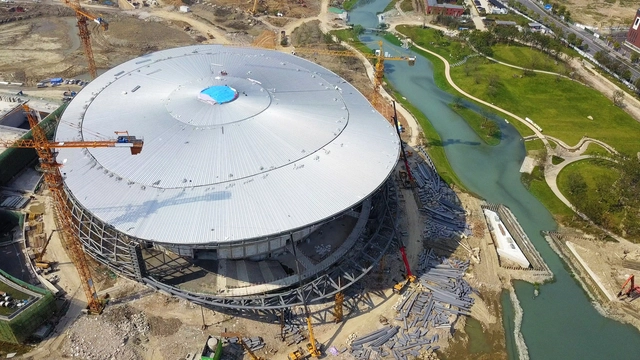
Archi-Tectonics has designed the master plan for the HangzhouAsian Games Park for the 2022 Asian Games, as well as two arenas. Nearing completion, the tennis table and field hockey stadiums have topped out bringing the 116-acre complex into its final phases. Once the Games end, the new interventions will adapt to new uses, “becoming a signature public recreation complex for the city”.
Skating took root as a sport in California during the 1960s and 70s, a time when extreme activities like surfing found their niche among the United States populace. Beginning as an urban adaptation of surfing, skateboarding became the pastime of choice for adolescents and, by the 1980s, acquired a worldwide following. Soon, city-scapes across the globe began transforming as spaces were created for people to engage in this uniquely urban sport.
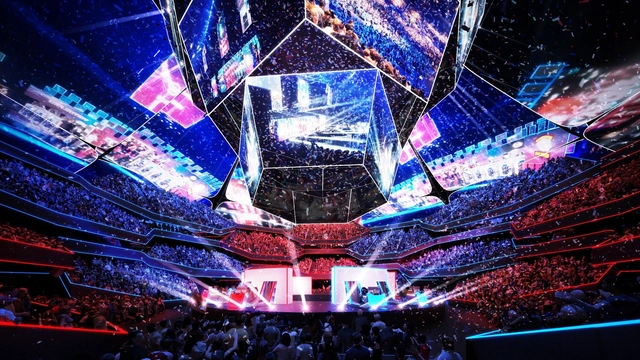
When Rashed Singaby, Principal at HOK, was contacted by a former client about how an existing stadium could be retrofitted to host esports events, he immediately knew this was an opportunity to create a blueprint for a type of space that has never existed before. Singaby and his team formulated a small research group to test and understand both the standards for each type of esports game and classify them into operational substructures. Since each game requires its own type of setup, it was important to ultimately conceptualize the design ideas and make recommendations for how existing spaces could be modified in order to best consume and be involved in the experience of esports activities.
When the groundbreaking ceremony for the world’s largest soccer stadium in Guangzhou was announced on April 16th, the most controversial aspect of the project was not its $1.7 billion price tag, but its bold lotus shape causing a backlash from the local architectural community but praise from the general public.
https://www.archdaily.com/938391/what-is-the-future-of-sports-architectureMilly Mo
On April 16, a ground-breaking ceremony was held in the city of Guangzhou, China, for what is to be the world’s largest soccer stadium. The most controversial aspect of the project was not its $1.7 billion price tag, but its bold lotus shape causing a backlash from the local architectural community but praise from the general public.
https://www.archdaily.com/939211/forecasting-the-future-of-sports-architecture-with-10-newly-built-stadiums-around-the-worldMilly Mo