The use of organic and natural materials, as well as products that successfully emulate them, has been a strong ongoing trend that continues to gain popularity in interior design. Especially in the past year, where confinement restrictions have heavily influenced the amount of time people spend in their homes, the industry has experienced an increased demand for products capable of bringing nature and visual comfort indoors – whether it be in the form of furniture or other decorative elements. It is, without a doubt, a design movement that is here to stay.
However, besides the interest in nature inspired objects, architects’ and designers’ primary consideration when selecting a material is often its quality, resistance, and maintenance needs. It is, therefore, ideal to combine a natural look with functionality when creating a user-friendly indoor environment. With that in mind, wood-based materials manufacturer EGGER has expanded its lacquer portfolio to develop a new line that unites an organic look with other beneficial properties.
HPL (High Pressure Laminate) panels are made of Kraft paper impregnated with phenolic resins, subjected to heat and pressure. A decorative layer with synthetic polymer allows the sheets to have numerous color and texture options, providing an extremely high strength and durability. This is why HPL is widely used in façades, but it is also increasingly being considered for interior wall cladding, for partitions and lockers, as well as for furniture. It is a material that can be used outdoors and indoors, and even on horizontal surfaces.
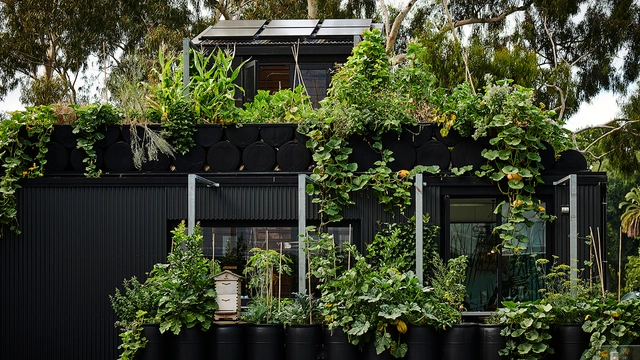
According to a 2021 Food Waste Index Report by the United Nations, 17% of global food production goes to waste, becoming the third biggest source of greenhouse gas emissions. 11% of this waste is generated by households, not only contributing to the climate crisis, but also provoking large economic costs, biodiversity loss, and the rise of pollution levels at unprecedented rates. Therefore, considering the key role that architecture and design plays in providing more eco-friendly housing options, it is essential to adopt and enhance a more self-sustaining, zero-waste approach.
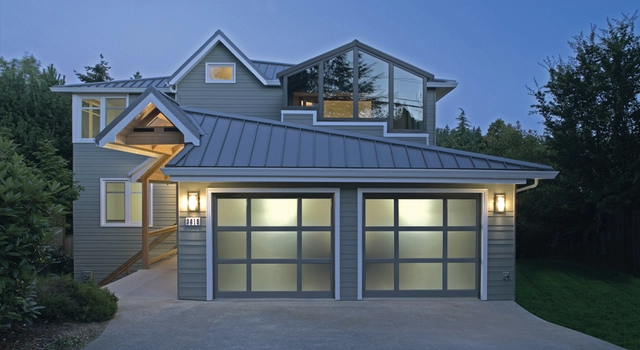
In residential architecture, the garage is a space that is mainly used for storage and car parking. Although the garage door is usually not a very thought-out part of the design of a residential project, it often occupies a large part of the front elevation of a house, and can play an important role in its general curb appeal.
The garage door is typically a large door that is opened manually or by an electric motor, and its size and design are determined by the vehicles that will need to pass through it. Raynor, a North American company that specializes in garage doors, describes several of the most important factors that go into choosing the right garage door.
Videos
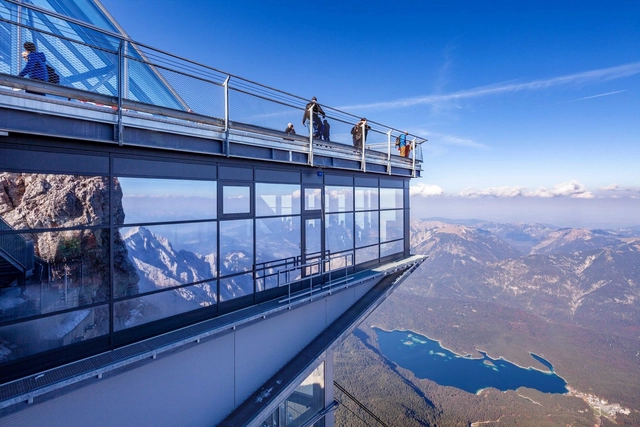
Zugspitze Mountain Station / Eibsee, Germany - Photo by Christoph Seelbach . Image Courtesy of Vetrotech Saint-Gobain
While glass is generally singled out as the weakest part of a building, it is not always true. With technological advances and the continuous innovations of the industry, there is glass that, even while allowing natural light to enter an environment, can protect the building from fire. Beyond fire, there are also other threats such as hot gases, smoke, and heat transmission, which put the safe evacuation of people and the protection of property at risk.
D5 Render SketchUp Extension | Elmtec SketchUp, a real-time renderer for digital designers, brings a whole new layer to the industry thanks to cutting-edge technologies, making it easier to render ultra-realistic images with real-time raytracing, creating a transformational movement within the design industry. From 28th September 2021, Elmtec is the official distributor for D5 Render in the UK and Ireland.
An icon in architecture and design holds a certain degree of widespread recognition, admiration, and originality, whether it be a famous building, an artwork or a popular piece of furniture. However, it must also be capable of remaining relevant through the years and never go out of style, constantly attracting an audience without having to entirely reinvent itself. In an era dominated by social media and the need for instant gratification, the design industry has become more trend-driven than ever, creating products that die just as fast as they’re born. That is precisely where the value of timelessness lies; classic, high-quality, and long-lasting functional products will rarely become a thing of the past.
The European Union intends to be climate neutral by 2050. This will require decarbonization at all levels of the economy, and the construction sector will have a particularly key role to play. The sector accounts for around 40% of CO2 emissions globally, and steel and concrete, in particular, require enormous amounts of energy to produce. There needs to be a paradigm shift to replace these building materials and their associated environmental impact. Natural and renewable building materials play a crucial role in this.
The word “furniture” derives from the Old French, forneture, which means the act of supplying, from fournir. But it is only in the English language that this word is used to refer to elements of the house such as chairs, tables, shelves, etc. French and other Romance languages, as well as German, use variants of the word meubles, which derives from the Latin mobilia, meaning "things that move." While the English spelling impels a meaning of utility, languages that take the Latin root “mobilia” bring to the word a sense of freedom and possibility. But furniture does not always carry this versatility and flexibility in its creation, and generally, staticity and monofunctionality better characterize the furniture we know. The Gregory seating system is an example of how furniture can provide functionality, but also combine beauty and flexibility.
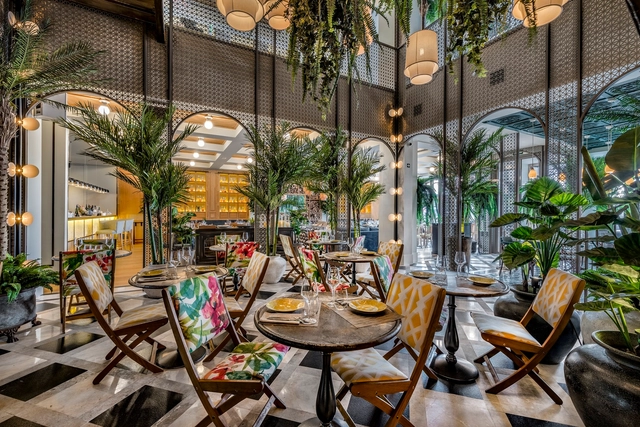
Renovating a space for a gastronomic purpose can be one of the most interesting challenges for an architect, due to the freedom of design that tends to characterize these projects. It allows us to play with cladding materials, lighting, and furnishings to create unique spaces that are both attractive and functional for both the restaurant team and the diners.
We dived into our project library to select 5 restaurants that took advantage of their renovations and complexities to create distinctive spaces, presented by ICEX e Interiors from Spain.
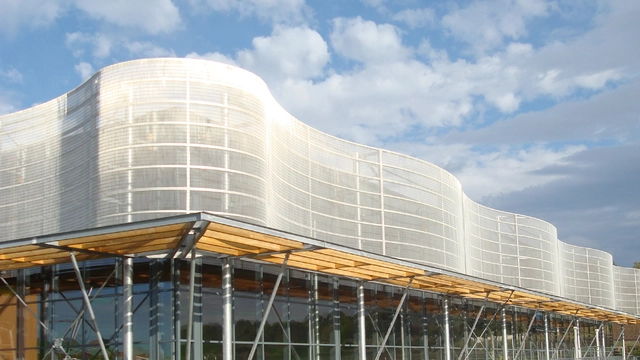
Rolling stainless steel wire mesh facade at Centre Aquatique, Vic-le-Comte, France. Image Courtesy of Haver & Boecker
From creating a new parking structure with an awe-inspiring aesthetic to retrofitting an existing building, architectural wire mesh provides versatility and durability which makes it unique from other design material options.
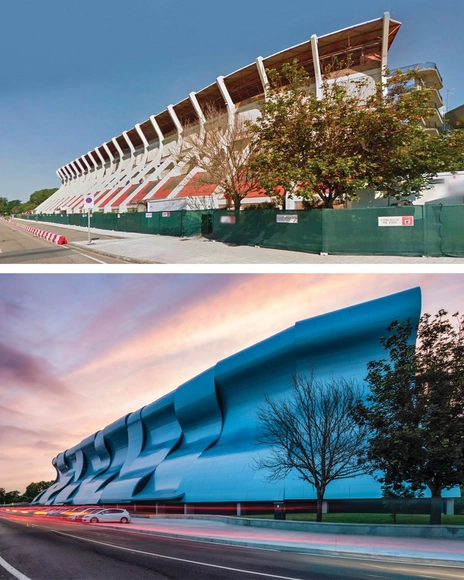
Estadio Municipal de Balaídos, Vigo, Spain / Pedro de la Puente Crespo. Image Cortesia de STACBOND
The task of rehabilitating buildings has been increasingly encouraged and celebrated for some reasons: first, by renovating and not demolishing, a large part of the material resources present are used, reducing the use and exploitation of raw materials and, in certain cases, the memory and the original urban fabric are preserved. A good rehabilitation also incorporates the modernization of the building to increase its energy efficiency, readjustment of facilities and the correction of pathologies, making it coherent with the demands of current users. For the building's owners and users, this means a better quality of life and, also very important, an appreciation of it. An element that plays a fundamental role in rehabilitation is the façade, which combines aesthetics and performance.
Cork is obtained from the bark of the cork oak, a slow-growing tree in the Mediterranean region that lives an average of 200 years. The valuable property of the cork oak is that it regenerates itself. After each peeling, the bark grows back. Therefore, no tree is cut down or permanently damaged for the cork harvest. In addition, a peeled cork tree binds more CO2 than an unpeeled tree.
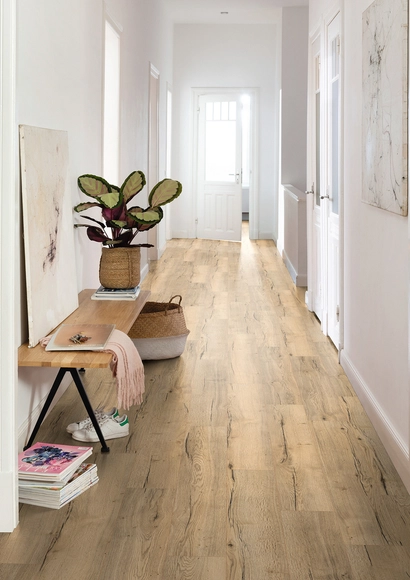
Combining the benefits of laminate with the special properties of cork, EGGER Comfort flooring is made up of two layers of cork that provide warmth and special comfort when walking, coming from sustainable forestry.
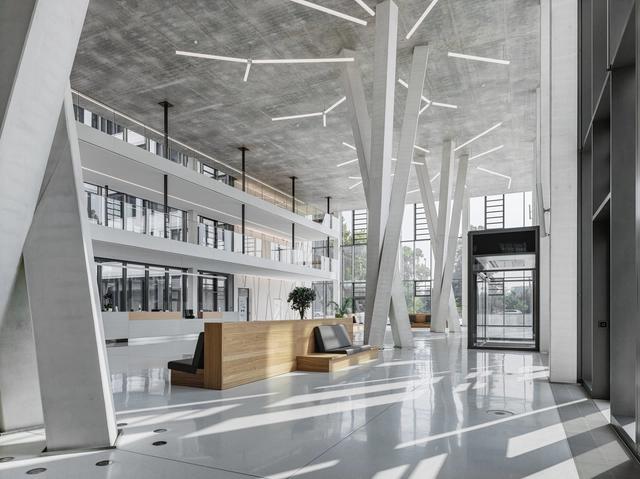
The new headquarters of the building materials manufacturer HeidelbergCement consists of three interconnected building sections of different heights. The atrium of each building section provides plenty of light and luminance. The building was opened in June 2020 and provides up to 1,000 employees with a state-of-the-art work environment. The architectural firm AS+P Albert Speer + Partner based in Frankfurt was responsible for the project as a general planner, and carried out the design in collaboration with W+Architektur, with the latter providing the consulting office for the client’s project manager.
PERI, one of the leading formwork and scaffolding manufacturers worldwide - and the building materials manufacturer HeidelbergCement - combined their architectural and concrete expertise for the execution of this project. In doing so, the existing limits of PERI’s concrete construction offerings were pushed. The architectural highlights of the project were successfully realized using special PERI formwork elements.
Considering our present time, the COVID-19 pandemic will likely have a lasting influence on the next era of building and design, shaping how we build at every phase, including design, materials, and building protocols. We may see architects and engineers continue to work remotely, reviewing designs and specifications virtually. Manufacturers may have to space production areas farther apart or even rely on more automation.
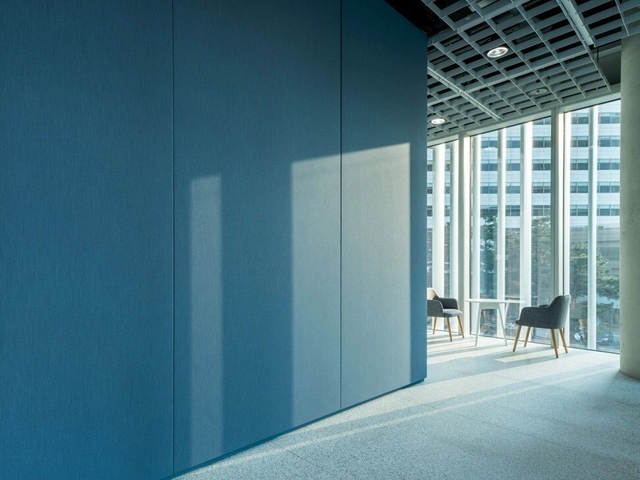
Acoustic comfort is affected by the levels and the nature of the sound experienced in an interior space, measured in decibels. The functionality and aesthetics of working and living spaces are usually the primary focus of the designer, however, too often overlooked, are the factors contributing to the productivity of employees or the comfort of residents. Providing a comfortable acoustic environment contributes significantly to the overall mood and health of people operating within it.
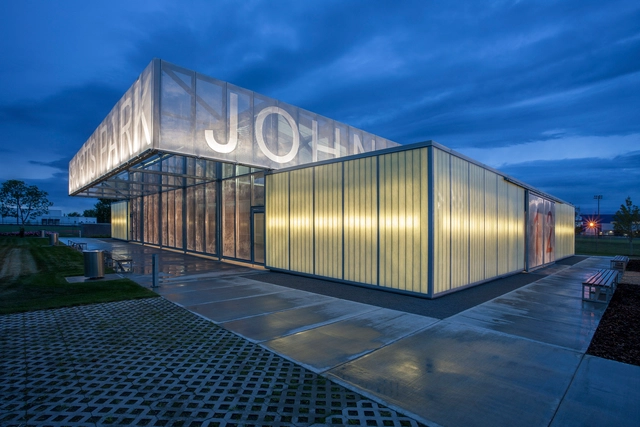
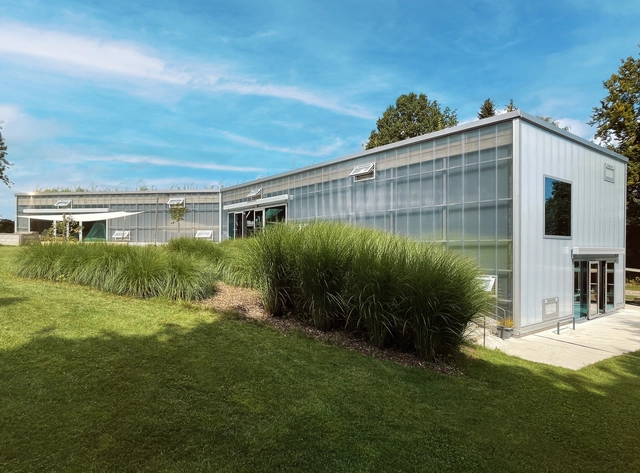
Climate and resource protection are some of the most pressing issues in regards to our future world. This is not a singular issue, but a complex one that affects every sector of humanity including mobility, architecture, sustainable living, and learning. There is a common misconception that building materials - such as polycarbonate translucent panels - cannot be sustainable. Plastic as a material has such an enormous impact on the world, and has drawn negative attention which makes it difficult to break away from the generalization that plastic is fundamentally "bad." Companies such as Rodeca, for example, in the plastics production space have engineered translucent building materials that are capable of enduring for many years as an integral construction material, and do not have to be quickly disposed of. As a producer of polycarbonate panels, Rodeca is always looking ahead to the future of sustainability.
Working smarter, not harder is the goal of every business; but in architecture, where margins can be thin, it’s an imperative. So how do firms work smarter without spending tons of time wising up? By leveraging artificial intelligence—or AI.
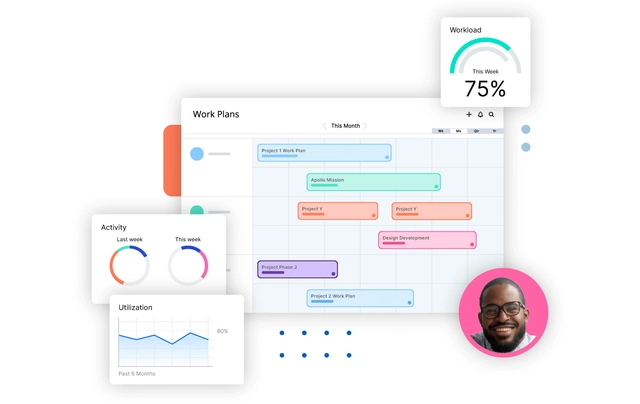
Put simply, AI analyzes huge datasets to solve the historically unsolvable. AI unburdens people from time-consuming activities, like planning projects and work. Our brains aren’t wired to manage dozens of conflicting schedule dates, projects, and staff. But Mosaic—AI-powered resource management software—is here to help architects effectively plan.