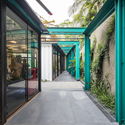
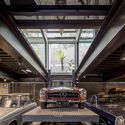
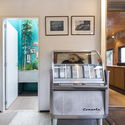
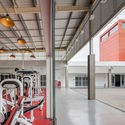
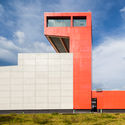
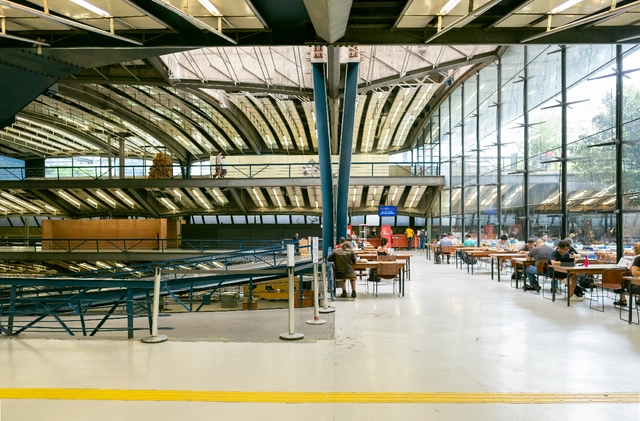
Studies Area - Centro Cultural São Paulo, one of the venues of the Biennale. Photo: Ciro Miguel. Image Courtesy of XII Bienal de Arquitetura de São Paulo
Everyday, the theme of the XII International Architecture Biennale of São Paulo, Brazil, proposed by the curators Vanessa Grossman, Charlotte Malterre-Barthes and Ciro Miguel, seeks to reveal architecture and space through everyday life. Architects and urban planners have long aspired to design total environments, civilizations, even the planet. However, in the current climate of political and economic uncertainty, occurring against the backdrop of unprecedented environmental impacts wrought by rapid technological development, design professionals have begun to acknowledge the vulnerability of their work to global transformations and the challenges of an automated future.
https://www.archdaily.com/910141/iabsp-launches-an-open-call-for-a-proposal-for-the-xii-international-architecture-biennale-of-sao-pauloEquipe ArchDaily Brasil
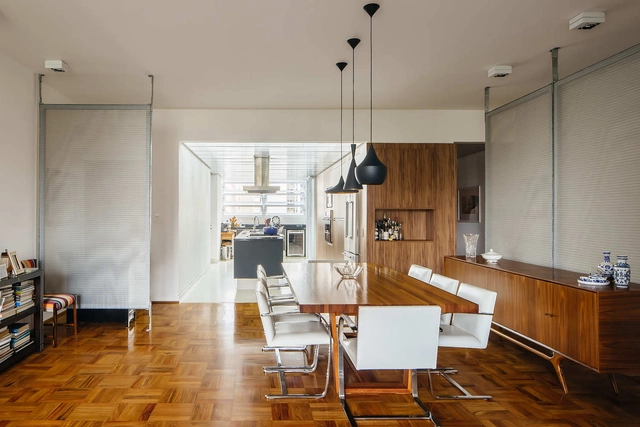
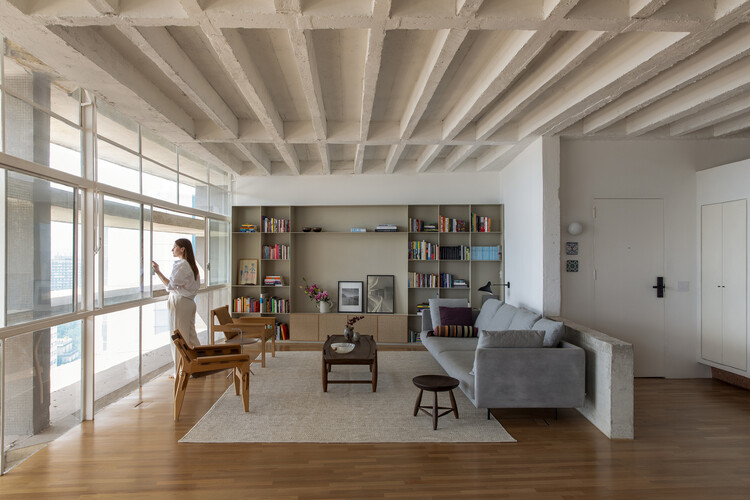
Living in residences designed by renowned modern architects is a dream sought after by many. Projects that have become iconic are major attractions for new residents who value both the authorial signature and history of the building, as well as the innovative architectural solutions that have contributed to the prominence of such projects.
As for the work of Oscar Niemeyer, fluidity and flexibility may best express his plans and typologies. These features provide great potential for the architects working on renovations within these buildings. São Paulo’s Copan Building is a prime example: its 1160 units, spread over six blocks, vary from 25m² studio apartments to larger units of over 150m². Niemeyer’s extensive portfolio includes other residential landmarks in São Paulo — like the Montreal, California, and Eiffel buildings — plus others in Belo Horizonte and Brasília, even reaching as far as Berlin with the Interbau Apartment House.
This article was originally published on August 14, 2014. To read the stories behind other celebrated architecture projects, visit our AD Classics section.
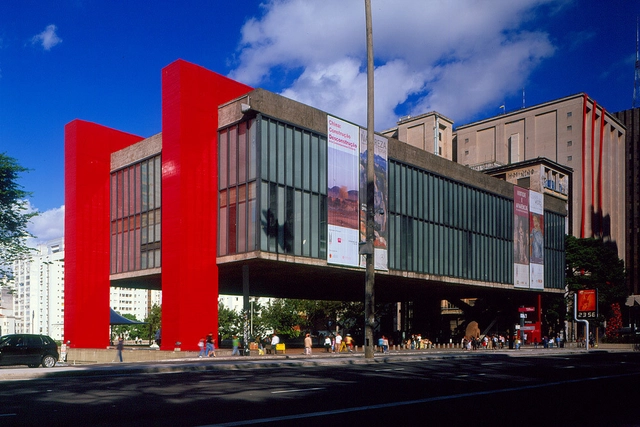
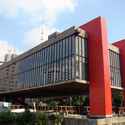
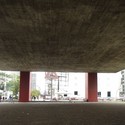
When Lina Bo Bardi received the commission to build a new museum of art on São Paulo’s Terraço do Trianon, she was given the job under one condition: under no circumstances could the building block the site’s panoramic vistas of the lower-lying parts of the city. This rule, instituted by the local legislature, sought to protect what had become an important urban gathering space along Avenida Paulista, the city’s main financial and cultural artery. Undeterred, Bo Bardi came up with a solution that was simple and powerful. She designed a building with a massive split through its midsection, burying half of it below the terrace and lifting the other half into the sky. As a result, the plaza remained open and unobstructed, and in 1968, the iconic São Paulo Museum of Art (MASP) was born.






.jpg?1535502374&format=webp&width=640&height=580)







.jpg?1530939504 "© Ricardo Bassetti")
.jpg?1530939406 "© Ricardo Bassetti")
.jpg?1530939589 "© Ricardo Bassetti")
.jpg?1530939620 "© Ricardo Bassetti")





.jpg?1535501105 "© Fernando Guerra | FG+SG")
.jpg?1535501175 "© Fernando Guerra | FG+SG")
.jpg?1535503162 "© Fernando Guerra | FG+SG")
.jpg?1535498783 "© Fernando Guerra | FG+SG")
.jpg?1535502374)